

Upper East Side NY Personal Injury Lawyer
An injury can disrupt your health, your work, and your family life before you have time to understand what happened. Meanwhile, an insurance company may already be gathering statements, reviewing records, and deciding how little it believes the claim is worth.
Billy Cooper Law represents people injured in Upper East Side NY and throughout New York City. The firm investigates who was responsible, protects evidence before it disappears, and pursues compensation for the full effect of an injury—not just the bills that have arrived so far.

Types of Injury Cases We Handle in Upper East Side NY
- Personal Injury
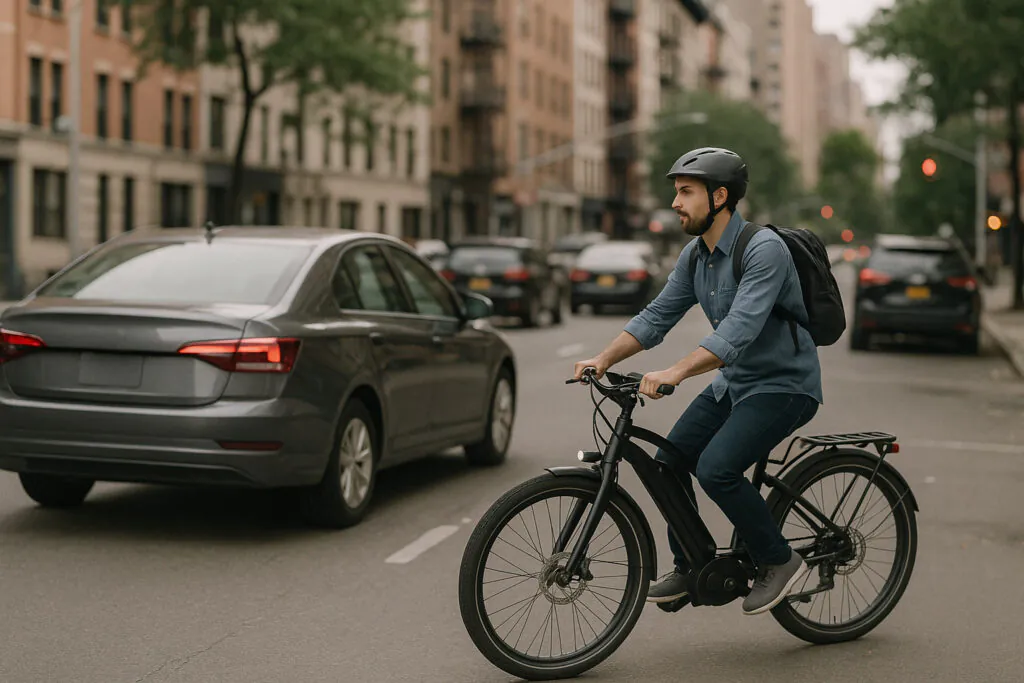
- E-Bike Accidents
- Slip and Fall
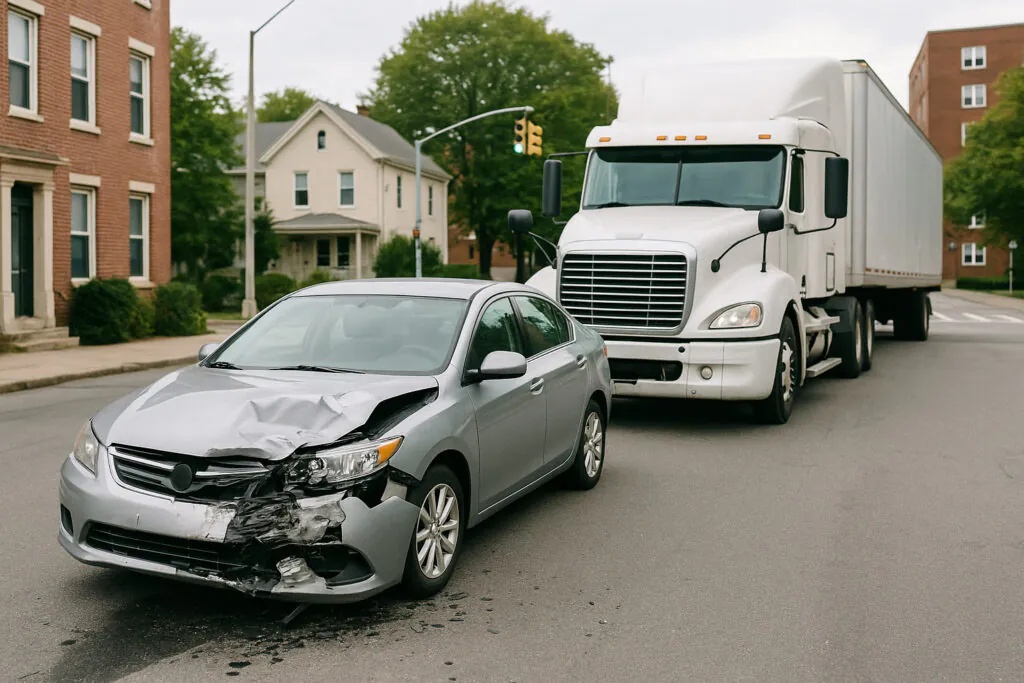
- Car Accidents
Manhattan Communities We Serve
- New York County
- Manhattan
- Upper East Side
- Upper West Side
- Washington Heights
- East Harlem
- Harlem
- Inwood
- Midtown
- Chelsea
- Greenwich Village
- Lower East Side
- Financial District
Why Injured New Yorkers Choose Billy Cooper Law
If your injuries are serious, you will probably want a lawyer who has handled cases involving permanent disability, major medical care, disputed fault, and defendants prepared to fight.
Billy Cooper Law brings more than 75 years of combined experience to personal injury cases. William H. Cooper began practicing in New York City before joining his father’s firm in 1991 and later becoming its lead trial counsel. The firm reports more than $41 million in verdicts and settlements, including a $700,000 pedestrian accident settlement in New York County. Spanish-speaking clients can also work with bilingual attorney Anieska J. Garcia.
Just as important, the firm handles injury cases on a contingency fee basis. There is no upfront legal fee, and the firm is not paid a legal fee unless compensation is recovered.
Why Upper East Side Injury Cases Require Local Investigation
The Upper East Side brings cars, buses, bicycles, e-bikes, delivery vehicles, pedestrians, construction projects, and dense residential development into the same limited space.
First, Second, and Third Avenues combine travel lanes with bus routes, bicycle facilities, loading areas, and frequent turns onto cross streets. NYC DOT has continued redesigning these corridors, including wider bicycle lanes and intersection changes on First Avenue and a Third Avenue project involving bus, bicycle, loading, and pedestrian space between East 59th and East 96th Streets.
Those designs can make the evidence more complicated. A collision may turn on where a vehicle entered a bicycle lane, whether a driver had a dedicated turn signal, whether a delivery vehicle blocked visibility, or whether a pedestrian was standing on an island rather than the curb.
Property cases are equally local. A fall outside a cooperative building, condominium, restaurant, medical office, or construction site may involve an owner, commercial tenant, managing agent, maintenance contractor, utility company, or City agency. The name on the storefront may not be the party legally responsible for the sidewalk.
An Upper East Side Accident Snapshot
The NYPD’s 19th Precinct serves the Upper East Side. Its report covering January 1 through August 16, 2026 recorded 744 collisions, including 340 injury collisions and 403 people injured. Those injuries included 108 pedestrians, 75 traditional bicyclists, and 35 riders of motorized two-wheelers. The numbers show why these cases cannot be viewed only as ordinary two-car crashes. Pedestrians, cyclists, and micromobility riders account for a substantial share of the people hurt on neighborhood streets. Review the 19th Precinct TrafficStat report.
Where Serious Injuries Happen on the Upper East Side
Many local cases arise in a few recurring settings:
- Avenue intersections. Drivers turning across bus or bicycle lanes may fail to see pedestrians, cyclists, or e-bike riders approaching from beside parked or stopped traffic.
- Crosstown streets. East 72nd, 79th, 86th, and 96th Streets carry buses, taxis, delivery vehicles, and pedestrians moving between subway stations, hospitals, schools, stores, and residential buildings.
- Residential and commercial sidewalks. Uneven flags, cellar doors, utility work, tree roots, ice, construction debris, and poorly maintained entranceways can cause serious falls.
- Subway and bus facilities. Injuries may involve platforms, stairs, escalators, closing doors, sudden bus movements, defective equipment, or unsafe station conditions.
- Construction areas. Sidewalk sheds, temporary walkways, scaffolds, materials, excavations, and vehicles crossing pedestrian paths can create hazards for workers and passersby.
- The East River and Central Park edges. Pathway, roadway, and recreational injuries may require investigation into which City agency, contractor, concessionaire, or private organization controlled the location.
The address alone rarely identifies the correct defendant. Control may depend on deeds, leases, management agreements, permits, maintenance contracts, or which entity created the condition.
Personal Injury Cases Billy Cooper Law Handles
The firm represents clients in matters involving:
- Car accidents
- Uber and Lyft accidents
- Pedestrian accidents
- Bicycle accidents
- E-bike accidents
- Truck and commercial vehicle accidents
- Bus accidents
- Subway accidents
- Premises liability
- Sidewalk accidents
- Residential building accidents
- Commercial property accidents
- Construction accidents
- Work accidents
- Medical malpractice
- Defective products
- Dog bites
- Catastrophic injuries
- Wrongful death
What to Do After an Accident
Your health comes first. Call 911 or seek prompt medical care if you may have suffered a head injury, fracture, spinal injury, internal injury, or other significant trauma. Tell the medical provider when and how the injury occurred.
When you are able:
- Report the accident. Call the police after a collision. Notify the building manager, store, transit employee, employer, or construction supervisor after an accident on property or at work.
- Photograph the entire area. Capture the hazard, vehicles, traffic controls, bicycle or bus lanes, storefronts, building numbers, lighting, weather, and visible injuries.
- Get witness information. A name, phone number, and email address can be more useful than relying on someone who promises to remain at the scene.
- Preserve physical evidence. Save damaged clothing, footwear, helmets, bicycles, child seats, tools, or defective products. Do not repair or discard them.
- Follow medical recommendations. Keep appointments and explain new or worsening symptoms. Gaps in care can make it harder to show what the accident caused.
- Be careful with insurance calls. Report the claim when required, but do not guess, minimize your condition, or give the other side a recorded statement before understanding your rights.
- Ask about deadlines immediately. This is especially important if a City vehicle, sidewalk, public building, subway, bus, park, or public hospital may be involved.
Evidence That Should Be Preserved
A strong case usually begins with evidence that exists outside the medical chart.
Depending on what happened, that may include:
- Video from apartment buildings, stores, restaurants, buses, subway facilities, taxis, dashcams, or nearby construction sites
- Traffic signal timing and intersection design records
- Rideshare trip data, delivery logs, GPS records, and driver communications
- Vehicle event data and onboard camera footage
- Bus or subway incident reports and maintenance records
- 911 calls, police reports, ambulance records, and body-worn camera footage
- Photographs of sidewalk defects, ice, debris, lighting, warning signs, or construction barriers
- Prior complaints, inspection records, repair history, and 311 requests
- Ownership records, leases, maintenance agreements, and contractor records
- Work permits for sidewalk openings, sheds, scaffolds, utility work, or street construction
- Pay records, tax documents, and employer statements showing lost income
- Medical imaging, operative reports, therapy records, and specialist findings
Video systems do not necessarily preserve recordings indefinitely. A lawyer can send preservation notices before routine deletion occurs.
New York Deadlines and Insurance Rules
Different claims have different time limits. The deadline is not always determined by the accident date alone, and waiting can damage a case even when the formal filing period has not expired.
Personal injury, malpractice, and wrongful death deadlines
Most negligence lawsuits must be started within three years under CPLR § 214.
Medical malpractice actions generally have a two-year-and-six-month limitation period, subject to important continuous-treatment, foreign-object, and cancer-diagnosis rules under CPLR § 214-a.
A wrongful death action generally must be brought by the estate’s personal representative within two years after the death under EPTL § 5-4.1.
No-fault deadlines after a motor vehicle accident
New York’s basic no-fault coverage generally provides up to $50,000 per person for covered medical expenses, wage loss, and certain necessary expenses, regardless of who caused the crash.
Written notice of the no-fault claim is generally due within 30 days. Medical bills are generally due within 45 days after treatment, and proof of lost earnings is generally due within 90 days after the loss is incurred. Limited exceptions may apply when there is a clear and reasonable justification for delay, but relying on an exception is risky. Review the New York Department of Financial Services no-fault requirements.
Motor vehicle law changed in 2026
For motor vehicle injury actions commenced on or after May 26, 2026, New York eliminated the former “90/180-day” category from the statutory definition of serious injury. A person seeking pain-and-suffering damages must ordinarily establish another qualifying injury, such as a fracture, significant disfigurement, permanent loss of use, permanent consequential limitation, or significant limitation of a body function or system. Read the Department of Financial Services explanation of the 2026 reforms.
Objective medical evidence is especially important. Imaging, range-of-motion testing, surgical findings, specialist opinions, and documented limitations can determine whether the threshold is met.
Who May Be Responsible?
Responsibility depends on how the accident happened and who controlled the source of danger.
In a traffic case, potentially responsible parties may include a driver, vehicle owner, employer, delivery company, commercial carrier, maintenance company, or manufacturer. Rideshare and delivery cases may also require app records and corporate insurance information that are not available from the driver alone.
In a property case, responsibility may rest with the owner, commercial tenant, cooperative or condominium entity, managing agent, maintenance company, snow-removal contractor, utility, or construction contractor.
New York City generally places responsibility for maintaining many sidewalks on the abutting property owner. An exception applies to qualifying owner-occupied one-, two-, or three-family residential properties used exclusively as residences. NYC DOT explains the potential liability of property owners for sidewalk defects. On the Upper East Side, where many properties are cooperatives, condominiums, rental buildings, and mixed-use buildings, that exception often will not resolve the issue.
Construction workers may have claims against a property owner, general contractor, equipment company, or another subcontractor in addition to workers’ compensation. New York Labor Law provides specific protections in elevation, falling-object, and safety-rule cases.
BILLY COOPER LAW
What If You Were Partly at Fault?
For most non-motor-vehicle injury cases, New York follows pure comparative negligence. Your compensation may be reduced by your percentage of fault, but partial responsibility does not automatically end the case.
The rule changed for personal injury actions subject to New York’s motor vehicle no-fault law and commenced on or after May 26, 2026. Under CPLR § 1411, recovery is barred if the injured person’s fault is greater than the fault of the defendant—or the combined fault of all defendants. A person found 50% responsible may still recover, with the award reduced by that percentage. A person found more than 50% responsible may not.
That makes early fault investigation especially important. Video, signal timing, sight lines, vehicle damage, witness accounts, and electronic records may determine whether an insurer’s first version of the accident is accurate.
Compensation in a Personal Injury Case
Compensation should reflect what the injury has taken from you and what it is likely to cost in the future.
Depending on the case, recoverable damages may include:
- Emergency treatment and hospitalization
- Surgery, medication, therapy, and rehabilitation
- Future medical care and assistive equipment
- Lost wages and reduced earning capacity
- Necessary transportation and household assistance
- Home health care or long-term nursing care
- Pain and suffering
- Emotional distress
- Scarring or disfigurement
- Loss of mobility, independence, or enjoyment of life
A serious case should not be valued before the medical future is reasonably understood. A settlement that pays today’s expenses may be inadequate if you later need surgery, vocational retraining, prolonged therapy, or help with ordinary daily activities.
Claims Against New York City and Transit Authorities
Some of the shortest deadlines arise when a government entity may be involved.
A claim against New York City generally requires a Notice of Claim within 90 days. A negligence lawsuit ordinarily must then be started within one year and 90 days after the incident. The New York City Comptroller explains the City’s filing process and deadlines.
The same 90-day notice period and one-year-and-90-day lawsuit period generally apply to tort claims against the New York City Transit Authority under Public Authorities Law § 1212.
These rules may matter after an accident involving:
- An MTA bus or New York City Transit facility
- A City-owned vehicle
- A public sidewalk, roadway, park, or building
- A dangerous traffic-control condition
- City construction or utility work
- A public hospital or other municipal facility
A City street or sidewalk claim may also depend on prior written notice of the specific defect. The Comptroller’s claim guidance explains New York City Administrative Code § 7-201.
Do not assume the three-year negligence period protects you. If a public entity may be involved, identify it early.
Local Courts, Hospitals, and Agencies
People with serious injuries on the Upper East Side are often treated at NewYork-Presbyterian/Weill Cornell Medical Center, located at 525 East 68th Street. The facility has an emergency department and is a New York State-designated Level I adult trauma center.
Substantial Manhattan personal injury cases may be litigated in the New York County Supreme Court, Civil Term, whose main facility is at 60 Centre Street, New York NY 10007. The proper court and venue depend on the parties, the accident location, and the claims asserted.
Local investigations may also involve:
- The NYPD 19th Precinct for collision reports and police evidence
- NYC DOT for street design, signal, sidewalk, and permit records
- The Department of Buildings for construction permits, complaints, and inspections
- The New York City Comptroller for claims against the City
- New York City Transit for bus and subway incidents
- The Department of Finance for property ownership records
- FDNY and hospital systems for ambulance and treatment records
These agencies do not all preserve records in the same way or follow the same claim procedure.
How Billy Cooper Law Investigates an Upper East Side Case
A useful investigation begins by asking who controlled the location and what records should exist.
Billy Cooper Law may:
- Identify the responsible parties. Manhattan property records available through ACRIS can help identify recorded owners, while leases and management agreements may reveal who actually maintained the property.
- Preserve time-sensitive evidence. The firm can seek building video, transit footage, vehicle data, business surveillance, rideshare records, and witness statements before they are lost.
- Investigate permits and prior problems. NYC DOT issues permits for sidewalk construction, street openings, scaffolding-related street use, and other work that may identify the contractor or utility responsible for a defect. Review NYC DOT street-work permit information.
- Analyze fault. Attorneys may review traffic controls, turning movements, sight lines, weather, lighting, maintenance history, and applicable safety rules.
- Document the medical future. Serious cases may require physicians, rehabilitation specialists, vocational experts, economists, or life-care planners to explain future treatment and financial losses.
- Locate all available insurance. Commercial, rideshare, property, contractor, employer, excess, and umbrella policies may apply to the same event.
- Prepare for litigation. A case built for trial is harder for an insurer to dismiss as an unsupported demand.
Frequently Asked Questions
What should I do first after an Upper East Side accident?
Get medical care and report what happened. Once your immediate health needs are addressed, photograph the location, collect witness information, save physical evidence, and ask a lawyer about preservation requests and deadlines.
Can I recover if I did not get a police or incident report?
Possibly. A missing report can make the investigation harder, but other evidence may establish what happened. That may include video, witnesses, medical records, photographs, 911 records, electronic trip data, or a later report to the property owner or agency.
Who is responsible for a sidewalk fall?
The answer may depend on the abutting building’s ownership and use, whether a tenant or contractor controlled the area, who created the defect, and whether the City retained responsibility. The building name or storefront sign is not always the legal owner.
Does no-fault insurance cover pedestrians?
New York no-fault insurance generally covers pedestrians injured by motor vehicles, as well as occupants of covered vehicles. The 30-day written-notice deadline still matters.
What if a bus, subway, or City agency was involved?
Ask about the 90-day Notice of Claim period immediately. The correct defendant may be New York City, the New York City Transit Authority, another public authority, a private operator, or more than one entity.
How much does it cost to contact Billy Cooper Law?
The firm offers free consultations and handles personal injury matters on a contingency fee basis. You do not pay an upfront legal fee, and the firm is not paid a legal fee unless it recovers compensation for you.
What happens when I call?
You can explain what happened, where it occurred, what injuries you suffered, and whether an insurer or government agency has contacted you. The firm can then discuss possible claims, evidence that should be preserved, and the deadlines that may apply.
Related Resources
- Personal Injury Overview
- Meet the Billy Cooper Law Team
- Review the Firm’s Case Results
- Read Client Reviews
- Contact Billy Cooper Law
Talk With an Upper East Side Personal Injury Lawyer
If you were injured, you do not need to identify every defendant or understand every insurance rule before asking for help.
Tell Billy Cooper Law what happened. The firm can investigate the location, explain your options, and determine which deadlines require immediate attention.
Call (718) 866-3311 for a free consultation. Billy Cooper Law’s Manhattan meeting location at 4746 Broadway, New York NY 10040 is available by appointment only. The firm also maintains its principal office in White Plains and represents injured clients throughout New York City.
Communities We Serve
- New York County
- Manhattan
- Upper East Side
- Upper West Side
- Washington Heights
- East Harlem
- Harlem
- Inwood
- Midtown
- Chelsea
- Greenwich Village
- Lower East Side
- Financial District
Sources
Billy Cooper Law
- Billy Cooper Law
- Personal Injury Practice
- Billy Cooper, Esq.
- Meet the Team
- Case Results
- Contact and Office Information
- Firm Site Map and Verified Practice-Area Pages
Upper East Side and New York City Sources
- NYPD 19th Precinct
- NYPD 19th Precinct TrafficStat Report Through August 16, 2026
- NYC DOT Manhattan Avenue Safety Improvements
- NYC DOT Third Avenue Redesign
- NYC DOT Sidewalk Responsibility
- NYC DOT Street-Work Permits
- NYC Department of Finance ACRIS
- DOB NOW Public Portal Guide
- NewYork-Presbyterian Manhattan Locations
- New York State Level I Adult Trauma Centers
- New York County Supreme Court, Civil Term
New York Laws and Claim Rules
- CPLR § 214—Personal Injury Limitation Period
- CPLR § 214-a—Medical Malpractice Limitation Period
- CPLR § 1411—Comparative Fault
- EPTL § 5-4.1—Wrongful Death Actions
- General Municipal Law § 50-e—Notice of Claim
- General Municipal Law § 50-i—Actions Against Municipalities
- Public Authorities Law § 1212—Actions Against the New York City Transit Authority
- New York City Comptroller Personal Injury Claim FAQs
- New York City Comptroller Claim Filing Guidance
- New York Department of Financial Services No-Fault FAQs
- New York Department of Financial Services 2026 Motor Vehicle Insurance Reforms
NOTABLE RESULTS
Selected results in Billy Cooper Law’s broader personal injury practice:
$9,000,000 settlement · $2,005,000 settlement
Read more about these results
- $9,000,000 settlement — Tank explosion
A man suffered extensive burns and loss of his dominant hand in a tank explosion in Westchester County.
- $2,005,000 settlement — Construction-site roof fall
A worker fell from a roof after inadequate safety equipment was provided on a Rockland County job site.
These are reported gross results, before fees, expenses, and applicable liens. They are not estimates of another claim’s value. Read the firm’s published case results.
Prior results do not guarantee a similar outcome. Each case is different and must be evaluated on its own facts.
WHAT OUR CLIENTS SAY
General feedback about working with Billy Cooper Law:
“Wonderful experience. Very knowledgeable and responsive!”
— Lara C.
“He cares. He just cares.”
— Carmelo Curra
Professional Recognition

Recognition applies to the named attorneys and selection years. See the linked profiles for details.
Related Billy Cooper Law Videos and Social Posts
- Billy Cooper Law official YouTube channel — Youtube — official account.
- Billy Cooper Law official Instagram profile — Instagram — official account.
- Billy Cooper Law official Linkedin profile — Linkedin — official account.
- Protecting an Injury Claim on Social Media — Facebook.
- Types of Personal Injury Cases the Firm Handles — Facebook.
Published Articles by Billy Cooper
- When the Video Disappears: Liability, Missing Footage, and the Modern New York Injury Case — New York Law Journal · June 23, 2026.
Billy Cooper discusses video evidence that is missing, incomplete, or overwritten in New York injury litigation.
BILLY COOPER LAW

Get the Answers You Need
At Billy Cooper Law, every day we renew our pledge to help injured people get the justice and compensation they deserve. We have a reputation throughout New York and nationally for standing up for our clients, and we take that responsibility seriously by approaching every case with preparation, persistence, and an unwavering commitment to results.