
New York Traumatic Brain Injury Lawyers
Video Transcript
Traumatic brain injuries are cases that need to be taken seriously.
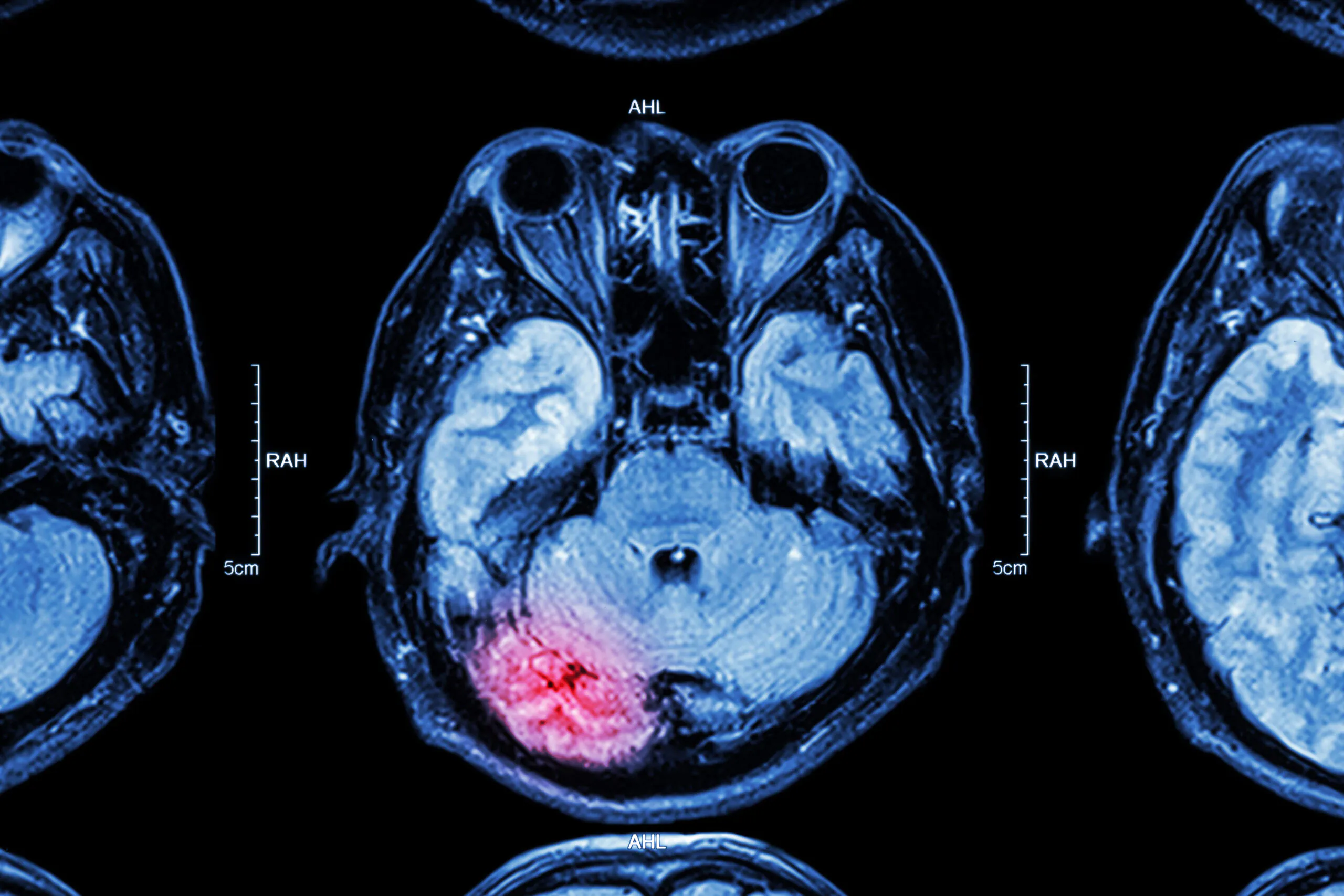
People who have suffered skull fractures, people who have had any type of head injury, oftentimes have what’s called a subdural hemorrhage, where there’s bleeding of the brain, and as a result of that, they then suffer what’s called a TBI or traumatic brain injury.
Those injuries cannot often be seen by family members or friends or members of the public, but they are absolutely devastating to the everyday life of the person who has been injured.
Our office has represented many TBI victims, and you need to know that if you have suffered a traumatic brain injury, whether from being struck by an automobile, falling from a scaffold, hurt on a job site, or anything that has resulted in a TBI, please contact our office so we can provide you with the care and the representation that you deserve.
Traumatic brain injuries (TBIs) are among the most devastating and life-altering injuries a person can suffer. These injuries often result in long-term cognitive, physical, and emotional consequences. For victims and their families, the aftermath can be overwhelming—physically, emotionally, and financially.
At Billy Cooper Law, we focus on helping victims of catastrophic injuries, with a dedicated emphasis on traumatic brain injury cases. Whether you or your loved one has suffered a TBI from a car accident, fall, or other traumatic event, our team is ready to provide the legal support and resources you need during this critical time.

What Is a Traumatic Brain Injury?
A traumatic brain injury occurs when the brain sustains damage due to an external force—often from a sudden blow, jolt, or penetration to the skull. TBIs vary in severity from mild (such as concussions) to severe and permanent disabilities.
Types of Traumatic Brain Injuries
- Concussions – Often considered mild but can have long-term effects, especially if repeated.
- Contusions – Brain bruising that may require surgical intervention.
- Diffuse Axonal Injury (DAI) – A widespread injury caused by strong rotation or shaking of the head, often resulting in coma or permanent disability.
- Penetrating Injury – When an object pierces the skull and brain tissue.
- Coup-Contrecoup Injury – When the brain hits both sides of the skull, common in vehicle accidents.
Common Causes of Traumatic Brain Injuries
- Auto and motorcycle accidents
- Slip and fall accidents
- Workplace and construction site injuries
- Sports injuries
- Medical negligence (e.g., oxygen deprivation during surgery)
Long-Term Symptoms and Effects
- Memory loss and cognitive decline
- Chronic headaches and fatigue
- Difficulty with speech, balance, and motor skills
- Behavioral and mood changes
- Permanent disability or inability to work
- Need for lifelong care or assisted living
These life-altering symptoms often require extensive and costly treatment, making the need for strong legal advocacy even more essential.
Understanding Your Legal Rights After a TBI
If your brain injury occurred due to another party’s negligence—such as a reckless driver, unsafe property conditions, or workplace hazard—you may have a valid personal injury claim or catastrophic injury lawsuit.
Is a TBI Considered a Catastrophic Injury Under the Law?
Yes. In legal terms, a catastrophic injury is defined as a condition that causes permanent or long-term disability, prevents a person from working, or significantly alters a person’s quality of life. Traumatic brain injuries, especially moderate to severe TBIs, fall squarely into this category.
Can I Sue for a Traumatic Brain Injury?
Yes, you may be eligible to file a lawsuit if:
- The injury was caused by another person’s negligence or intentional harm.
- There is evidence linking the incident to your current medical condition.
- You are suffering long-term effects or financial losses due to the injury.
Our firm can investigate the cause of the injury, identify liable parties, and begin building a legal strategy designed to secure full compensation.
The Importance of Hiring a TBI Lawyer
Brain injury cases are complex. Proving the extent of cognitive impairment, establishing negligence, and forecasting future care costs require a deep understanding of medical records, expert testimony, and legal procedure.
Key Reasons to Work with a Brain Injury Attorney
- Establishing Liability: We investigate the facts to prove who is at fault and how their actions led to your injury.
- Working With Experts: Our firm partners with neurologists, neuropsychologists, life care planners, and vocational experts to build a compelling case.
- Negotiating with Insurance Companies: Insurers often undervalue TBI claims. We fight aggressively to ensure fair compensation.
- Pursuing Full Damages: We account for not only your medical expenses, but also lost wages, emotional suffering, and the costs of long-term care.
Without experienced legal help, you may face significant challenges in receiving the compensation you need. That’s where Billy Cooper Law comes in.
TBI Cases We Handle at Billy Cooper Law
We represent clients in a variety of brain injury scenarios, including:
Diffuse Axonal Injury (DAI)
Often occurring in high-speed accidents or violent shaking incidents, this type of injury causes widespread damage to brain structures. DAI often leads to coma or severe cognitive decline and is difficult to detect with standard imaging.
Post-Accident Cognitive Impairment
After a crash or fall, victims may experience memory loss, confusion, inability to concentrate, and emotional changes—all signs of lasting brain damage. These symptoms often form the basis of a legal claim.
Brain Damage From Auto Accidents
Vehicle collisions are a leading cause of TBIs. The sudden acceleration/deceleration during impact can cause the brain to strike the skull, leading to bleeding, bruising, or long-term injury.
Workplace and Construction-Related Head Injuries
Falls from heights, being struck by heavy equipment, or explosions can cause devastating injuries on the job. We handle both workers’ compensation claims and third-party liability suits in these cases.
Wrongful Death from TBI
If a loved one passed away as a result of a traumatic brain injury, your family may be eligible to file a wrongful death lawsuit for damages including funeral costs, loss of financial support, and emotional suffering.
BILLY COOPER LAW
Compensation in TBI Lawsuits
Every TBI case is different, but the compensation you may recover depends on many factors.
What Damages Can You Recover?
- Past and future medical expenses
- Long-term rehabilitation and therapy costs
- Loss of income and reduced earning capacity
- Pain and suffering
- Emotional distress and loss of enjoyment of life
- Permanent disability or disfigurement
- Costs of in-home care or assisted living
- Wrongful death damages, if applicable
How Is TBI Settlement Value Calculated?
Calculating a fair settlement requires expert analysis. We assess:
- The full extent of your injuries
- Your prognosis for recovery
- The need for future care
- Your ability to return to work or school
- The impact on your day-to-day functioning
Our team builds strong, evidence-backed cases designed to demand maximum compensation from insurance carriers or in court.
Choosing the Right Brain Injury Attorney
What to Look For
Traumatic brain injury cases require a firm that understands both the medical and legal aspects of your case. You need a lawyer who knows how to build a case around invisible injuries, work with top-tier medical experts, and calculate long-term costs.
Why Clients Choose Billy Cooper Law
Our clients choose us because we care. We don’t treat you like a case number — we treat you like a person. From your first consultation to the final resolution of your case, you will work directly with an experienced attorney. We explain the process in plain language, keep you informed, and fight tirelessly on your behalf.
How Billy Cooper Law Supports TBI Victims and Families
From Day One, We Take Action
The moment you contact us, we begin investigating your case. We gather medical records, interview witnesses, and consult with medical professionals to understand your condition and how it happened.
We Handle the Legal Stress — So You Can Focus on Healing
TBI cases are emotionally and physically exhausting. We take the burden off your shoulders by dealing with insurance companies, gathering expert testimony, and managing deadlines. You never have to worry about navigating the system alone.
Prepared for Court, Focused on Results
While many cases settle out of court, we prepare every case as if it will go to trial. That preparation gives us an advantage at the negotiating table — and ensures we’re ready if your case needs to be decided by a jury.
No Fee Unless You Win
We represent TBI clients on a contingency fee basis. That means you pay nothing up front, and we only get paid if we win your case. Your consultation is free, and we’ll evaluate your case with no risk to you.
New York Traumatic Brain Injury FAQs: Medical Care and Legal Claims
These answers address common traumatic brain injury questions under New York law. The facts and applicable rules can change the answer. This is general information, not personal legal or medical advice.
Can someone have a traumatic brain injury without losing consciousness?
Yes. Loss of consciousness is not required for a concussion or other TBI. Symptoms can include headache, dizziness, memory or concentration problems, sleep changes, mood changes, nausea, and sensitivity to light or noise.
Seek medical advice after a concerning head impact. Emergency warning signs such as worsening headache, repeated vomiting, seizure, weakness, marked confusion, or difficulty waking require urgent care.
Sources: CDC: Concussion symptoms and emergency warning signs; CDC: What to do after a mild traumatic brain injury or concussion.
Can brain-injury symptoms appear later?
Yes. CDC notes that concussion symptoms may appear hours or days after an injury. Delayed symptoms deserve medical attention; their timing alone does not establish severity or legal causation.
Describe the mechanism, symptom onset, and changes accurately. Keep discharge instructions and follow-up records, and do not return to risky activity without appropriate guidance.
Sources: CDC: Concussion symptoms and emergency warning signs; CDC: What to do after a mild traumatic brain injury or concussion; U.S. HHS: Your medical records.
Does normal CT or MRI imaging rule out a concussion?
Not necessarily. A concussion is assessed clinically, and routine imaging may be used for other concerns rather than to prove or exclude every mild TBI. The treating professional should interpret the examination and any imaging.
Do not diagnose yourself from a scan report. For legal documentation, preserve the report, clinical findings, symptoms, and functional effects without claiming that imaging proves more than it does.
Sources: CDC: Concussion symptoms and emergency warning signs; CDC: What to do after a mild traumatic brain injury or concussion; U.S. HHS: Your medical records.
When can a person return to work, school, driving, or sports after a concussion?
CDC recommends individualized written instructions and a gradual return to activity. If symptoms worsen, activity may need to be reduced and the healthcare provider consulted. Avoid another head injury during recovery.
A legal claim should document actual restrictions and lost time; it should not direct treatment. Recovery time varies, and a return to some activity does not necessarily mean every symptom has resolved.
Sources: CDC: What to do after a mild traumatic brain injury or concussion; Cullen et al., Journal of Occupational Rehabilitation (2018): return-to-work systematic review.
What if concussion symptoms persist for weeks or months?
Tell the healthcare provider if symptoms do not improve or worsen after returning to activities. CDC notes that some people experience symptoms for months or longer and may need specialist evaluation.
Persistent symptoms require individualized assessment, including other possible contributors. A population statistic cannot diagnose post-concussive syndrome or establish damages for one person.
Sources: CDC: What to do after a mild traumatic brain injury or concussion; CDC: Concussion symptoms and emergency warning signs.
How are memory, concentration, or personality changes documented?
Relevant evidence can include clinical evaluations, neuropsychological testing when appropriate, treatment records, work or school changes, and specific observations from people who knew the person before and after the injury.
General statements such as “not the same” are more useful when paired with concrete examples and a clinical assessment. Testing must be interpreted by qualified professionals.
Sources: U.S. HHS: Your medical records; CDC: Concussion symptoms and emergency warning signs.
What if the person had a prior concussion or mental-health condition?
Prior conditions do not automatically defeat a claim, but they can affect symptoms and recovery. CDC notes that prior TBI and conditions such as anxiety or depression may be relevant to prolonged symptoms.
Provide complete prior and current records so clinicians and experts can distinguish baseline function from new or worsened problems. The claim must connect supported changes to the incident.
Sources: CDC: What to do after a mild traumatic brain injury or concussion; U.S. HHS: Your medical records.
What future losses can a serious TBI claim consider?
When supported, a claim may consider future medical and rehabilitation needs, assistance, reduced earning capacity, and pain and suffering. Cognitive, behavioral, and physical effects should be evaluated separately.
Future needs require evidence of type, frequency, and duration. A diagnosis, test score, or online settlement average is not a damages formula.
Sources: NY CPLR §4111: past and future injury damages; CDC: Concussion symptoms and emergency warning signs.
How long do I have to bring a TBI lawsuit in New York?
Many negligence claims have a three-year filing period, but public entities, medical malpractice, infancy, and other circumstances can change the deadline or require earlier notice.
The time needed to understand a brain injury does not automatically postpone filing. Preserve evidence and obtain a case-specific deadline analysis promptly while medical evaluation continues.
Sources: NY CPLR §214: personal-injury filing periods; NY General Municipal Law §50-e; NY CPLR §214-a: medical-malpractice deadlines and exceptions; NY CPLR §208: infancy and disability tolls.
How is a brain-injury settlement evaluated?
Evaluation combines proof of responsibility with the medical diagnosis, causation, prognosis, treatment, functional changes, earnings effects, and future needs. Serious-sounding terminology alone does not set a value.
Before signing a release, understand unresolved medical questions, liens, fees, expenses, and which claims end. No result can be guaranteed.
Sources: NY CPLR §4111: past and future injury damages; New York Rules of Professional Conduct, Rule 1.5: fees and expenses; U.S. HHS: Your medical records.
Contact Billy Cooper Law Today
If you or a loved one has suffered a traumatic brain injury, don’t wait to get the legal help you need. The longer you wait, the harder it becomes to gather evidence and file a claim.
What You Can Expect:
- A free, no-pressure consultation
- Direct access to an experienced attorney
- Compassionate support from start to finish
- Relentless pursuit of justice on your behalf
Contact us today for a free consultation. We’re ready to fight for you and your future.
BILLY COOPER LAW
Frequently Asked Question Videos

What Is a Traumatic Brain Injury After a Skull Fracture? | Billy Cooper Law
What Is a Traumatic Brain Injury After a Skull Fracture? | Billy Cooper Law
Video Transcript
Traumatic brain injuries often result from people who have suffered a fractured skull. As a result of skull fractures, you often have a bleeding of the brain that is associated with it. That, by definition, can cause trauma or injury to the brain, meaning a traumatic brain injury or TBI. We as attorneys obviously don’t diagnose traumatic brain injuries, but we work with them through the doctors, through the neurologists, through the surgeons who have seen the trauma that this causes people and also can explain why someone’s behavior is so drastically different and affected because of the injury to the brain.
We are very sensitive to that and we make sure that insurance companies and juries understand that as well in order to maximize your recovery if you’ve had a TBI. If you, a family member, or a loved one have suffered a catastrophic injury, our office knows not only how to represent you, but we will do so in the most humane, compassionate, and effective manner possible.



Get the Answers You Need
At Billy Cooper Law, every day we renew our pledge to help injured people get the justice and compensation they deserve. We have a reputation throughout New York and nationally for standing up for our clients, and we take that responsibility seriously by approaching every case with preparation, persistence, and an unwavering commitment to results.