

Westchester County NY Personal Injury Lawyer
Video Transcript
Every person who contacts our office speaks to an attorney directly.
Many firms, when you reach out, you get just a paralegal or just a receptionist, and while they may be very experienced, I think it gives a lot of assurance to the public that they know that when they call us, they will always get the attorney on the phone.
The most important thing I think people should know before they pick up the phone and call the office of Billy Cooper is that we take the time to listen and answer people’s questions.
One of the things that I get told most often, even if it’s a situation where we cannot take your case, is that we explain why.
We don’t just say, “No, you don’t have a case” and hang up.
We always give people an explanation.
We explain what the burden of proof is and the law that applies.
People are always most appreciative that we take the time to explain to them rather than just saying no.
A great outcome beyond the dollar amount is quite significant because after a case resolves, money only means so much.
In fact, I always have conversations with our clients indicating to them that money does a certain thing for you, but it can never make you feel completely whole.
What we try and do is we try and give our people the type of service where they know that even when the case is completed, we are here for them.
What makes our law firm different than other firms in New York is our attention to detail, and that we assist our clients with every aspect of their case.
We make phone calls to make sure that your medical bills are being paid.
We can assist you in finding medical care.
It’s beyond just a legal service. It is an all-around service that we provide.
If you have been injured in an accident or someone you know, whether it’s a family member or a friend, we ask that you reach out to us because we will speak with you and we will assist you.
BILLY COOPER LAW
Injured in Westchester County?

Types of Injury Cases We Handle in Westchester County NY
- Car accidents
- Motorcycle accidents
- Pedestrian accidents
- Bicycle accidents
- Uber and Lyft accidents
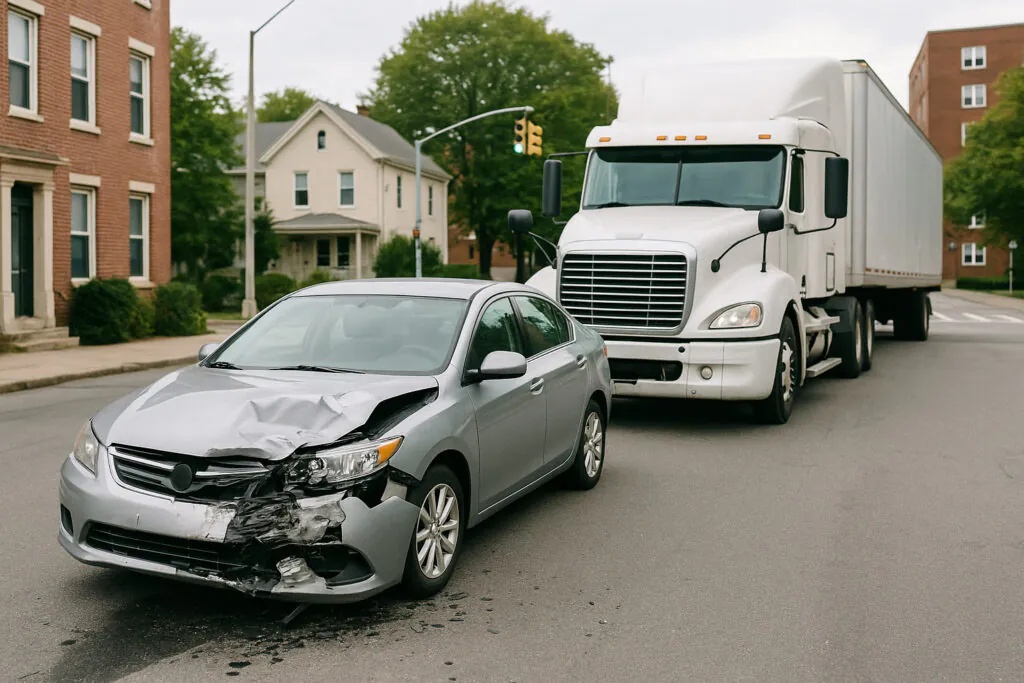
- Truck and commercial vehicle accidents
- Bus accidents
- Subway accidents
- Construction accidents
- Work accidents
- Premises liability
- Dog bites and animal attacks
- Defective products
- Medical malpractice
- Catastrophic injuries
- Wrongful death
Related Westchester County Practice Pages
Why people in Westchester turn to Billy Cooper Law
If your injuries are serious, you want to know whether your lawyer has handled complex medical proof, disputed fault, and defendants prepared to litigate. The firm’s roots in Westchester go back to 1960. William H. “Billy” Cooper joined the practice in 1991 and serves as lead trial counsel. The firm reports a $9 million Westchester catastrophic-injury settlement and a $2.3 million Westchester hospital-negligence verdict. Prior outcomes cannot predict a new case, but they show experience with life-changing injuries. Review the firm’s attorneys and case results. If Spanish is easier for you, attorney Anieska J. Garcia provides bilingual representation. If cost is the concern, the contingency-fee arrangement lets you ask questions without paying an upfront retainer.Why an injury case here can become complicated quickly
Westchester is not one uniform jurisdiction. A crash may happen on a village street, county road, state parkway, or section of the Thruway system. A fall or construction injury may involve several private and public entities. That distinction can control where records are kept, who must receive notice, and how soon action is required. The 11-mile Cross Westchester Expressway portion of I-287 is part of the New York State Thruway system. New York State Police, Westchester County Public Safety, and municipal police handle different roads and incidents. A road’s familiar local name does not necessarily tell you who owned, maintained, repaired, or patrolled the place where you were hurt. The first job is to identify everyone who controlled the vehicle, property, work, or public infrastructure involved.A local accident snapshot
NHTSA’s 2024 Fatality Analysis Reporting System Annual Report File recorded 39 fatal crashes and 42 traffic deaths in Westchester County. Of the people killed, 13 were pedestrians. Eleven deaths occurred at or were related to intersections, and 30 occurred in crashes involving one motor vehicle in transport. The 2024 file is subject to final revision, and fatal-crash data do not capture the far larger number of people who survive with serious injuries. Still, the pattern explains why pedestrian visibility, intersection movements, roadway departure, and the physical crash scene deserve prompt attention.- Yonkers, NY
- Greenburgh, NY
- New Rochelle, NY
- Mount Vernon, NY
- White Plains, NY
- Rye (Town), NY
- Mount Pleasant, NY
- Cortlandt, NY
- Ossining, NY
- Yorktown, NY
Where injuries happen—and what the location changes
Parkways and expressways
Crashes on Westchester’s expressways and parkways can involve speed, merging, limited shoulders, curves, construction, drainage, or several impacts in quick succession. The location changes the investigation. A lawyer may need to identify who maintained the pavement, barrier, sign, signal, or work zone; which police agency holds the report; and whether a contractor was working nearby. Vehicle data, commercial records, dispatch records, and video can matter.Downtown streets and transit areas
In White Plains, Yonkers, New Rochelle, and Mount Vernon, pedestrians, buses, rideshare vehicles, deliveries, and commuters share tight spaces. Near stations and commercial blocks, video may be held by a business, building, bus operator, or transit agency—and may be overwritten quickly.Sidewalks, parking areas, and work sites
In a snow or ice case, later photographs may not show when the condition formed, who had to clear it, or whether drainage and refreezing played a role. Logs, leases, snow contracts, weather records, complaints, and inspection practices can answer those questions. Construction cases require site photographs, daily logs, safety plans, contracts, equipment, witnesses, and the worker’s prompt report. Those facts determine whether a Labor Law or third-party claim may exist alongside workers’ compensation.Personal injury cases the firm handles
Billy Cooper Law represents people injured in:- Car, truck, commercial-vehicle, motorcycle, bus, rideshare, bicycle, e-bike, and pedestrian crashes
- Construction falls, falling-object incidents, ladder and scaffold accidents, and other work injuries
- Slip, trip, and fall cases involving sidewalks, stores, apartment buildings, parking areas, snow, ice, and unsafe property
- Medical malpractice and birth injury cases
- Defective-product cases
- Dog bites and attacks
- Traumatic brain, spinal cord, burn, amputation, and other catastrophic injuries
- Wrongful death cases
What to do after an accident
Get medical care first. If the injury is an emergency, call 911 or go to the nearest appropriate emergency department. Do not choose a hospital for the sake of a claim, and do not delay treatment while trying to document the scene. When you are able:- Report the event. Obtain a police, store, workplace, or property incident report.
- Photograph what matters. Capture the full scene, specific hazard, vehicle damage, lighting, signs, debris, footwear, and visible injuries.
- Get witness information. A name and reliable phone number can be critical.
- Keep physical evidence. Do not repair or discard a damaged product, ladder, helmet, shoes, or other relevant item.
- Save your paperwork. Keep treatment instructions, bills, receipts, wage records, insurance letters, and claim numbers together.
- Use care with insurance calls. Give required notice, but do not guess about fault or injuries. Understand any request for a recorded statement or broad medical authorization before agreeing.
- Ask about short deadlines. A three-year lawsuit deadline does not protect a 30-day insurance filing or 90-day government notice.
Evidence worth preserving now
Some evidence can be obtained later. Some disappears quickly.- Photos and video from phones, dashcams, doorbells, businesses, buildings, buses, or nearby vehicles
- Police and dispatch records, 911 audio, body-camera footage, vehicle data, and witness statements
- Incident reports, inspection logs, leases, snow contracts, work orders, prior complaints, and construction records
- Medical records, images, prescriptions, costs, wage loss, and a simple record of daily limitations
New York laws and deadlines that may affect your claim
The general filing rules
New York’s CPLR § 214 generally allows three years to commence an ordinary personal injury action. Medical malpractice actions are generally subject to two years and six months under CPLR § 214-a, with continuous-treatment and discovery rules. Wrongful death actions generally must begin within two years of death under EPTL § 5-4.1. The defendant, claimant’s age, type of negligence, and accrual date can change the answer. Do not wait for the longest possible date.No-fault insurance after a vehicle crash
New York no-fault insurance generally provides up to $50,000 in basic economic-loss benefits for eligible drivers, passengers, and pedestrians, regardless of fault. It can cover qualifying medical care, part of lost earnings, and certain necessary expenses; it does not mean no one caused the crash. Written notice of a no-fault claim is generally due within 30 days, health-care bills within 45 days of treatment, and lost-earnings claims within 90 days. Policy language and limited excuses for delay can matter, but start promptly.The 2026 changes to motor-vehicle cases
For actions and proceedings commenced on or after May 26, 2026, New York changed several rules governing claims subject to Insurance Law Article 51:- Under CPLR § 1411(b), an injured claimant is barred from recovery if the claimant’s fault is greater than the fault of the defendant—or the combined fault of all defendants. At 50% fault or less, damages are reduced by the claimant’s share.
- The current definition of “serious injury” in Insurance Law § 5102(d) no longer includes the former 90/180-day category. The remaining categories include death, dismemberment, significant disfigurement, fracture, loss of a fetus, permanent loss of use, permanent consequential limitation, and significant limitation.
- Under Insurance Law § 5104, fault is determined before the serious-injury question in an action for non-economic loss.
Who may be responsible
Liability depends on control and conduct, not just whose name appears on the report. A vehicle case may involve a driver, owner, employer, commercial company, rideshare insurer, manufacturer, contractor, or government entity. Several insurance policies may apply. In a property case, ask who owned, occupied, managed, maintained, inspected, or created the condition—and who had notice. A lease or service contract may allocate hidden duties. After a construction injury, workers’ compensation may provide benefits without proof of fault. A separate claim against an owner, contractor, or third party may provide damages workers’ compensation does not. If an insurer blames you, the answer is evidence: timing, sight lines, warnings, practices, contracts, photographs, and witnesses.BILLY COOPER LAW
Questions About a Westchester County Injury Claim?
What compensation may cover
Depending on the case, recoverable damages may include:- Past and future medical treatment, rehabilitation, medication, equipment, and care
- Lost income and reduced future earning capacity
- Transportation, household assistance, home modification, and other injury-related expenses
- Pain and suffering, disability, loss of function, and loss of enjoyment of life when available
- Funeral expenses and the financial losses recognized in a wrongful death claim
Claims involving a municipality, public authority, or the State
Public-entity cases have a separate playbook. Under General Municipal Law § 50-e, many tort claims against a city, county, town, village, school district, or other public corporation require a notice of claim within 90 days. General Municipal Law § 50-i generally requires an action against specified municipal defendants within one year and 90 days, and the municipality may demand a sworn examination under § 50-h before suit. A negligence claim against New York State may require a claim or notice of intention to be filed and served within 90 days under Court of Claims Act § 10. Claims involving the Thruway Authority, a transit authority, or another public authority may follow different statutes and service rules. Road and sidewalk cases may also involve a prior-written-notice law. In plain English, it may not be enough to prove that a pothole or defect existed; the claimant may need to address whether the responsible municipality received the kind of notice its law requires or whether an exception applies. Ownership should be investigated immediately. Sending the right form to the wrong entity may not protect the claim.Local courts, hospitals, and agencies
Many higher-value civil injury cases arising in Westchester are filed in the Supreme Court, Westchester County, at 111 Dr. Martin Luther King Jr. Boulevard in White Plains. The Westchester County Clerk’s Legal Division maintains court filing and record functions. The proper court still depends on the parties, venue, jurisdiction, and amount involved. For severe trauma, Westchester Medical Center in Valhalla is the Hudson Valley’s Level I adult and pediatric trauma resource. Wherever you were treated, the important point is whether the record accurately connects the event, diagnosis, treatment, limitations, and prognosis. The investigating records may come from a city, town, or village police department; Westchester County Public Safety, which patrols several county parkways; New York State Police Troop K, which serves Westchester; or Troop T on the Thruway system. Road records may be held by a municipality, the Westchester County Department of Public Works, NYSDOT Region 8, the Thruway Authority, or a contractor.How Billy Cooper Law investigates an injury case
A useful investigation is built around the disputed questions. The firm first identifies deadlines, defendants, coverage, and evidence at risk. It can then request records, send preservation letters, locate witnesses, document the scene, determine control, and obtain relevant contracts or logs. At the same time, records and imaging are gathered, wage loss is documented, and future needs are evaluated with appropriate experts when necessary. The focus changes by case: vehicle data, video, and signal timing after a crash; notice, drainage, and maintenance after a fall; site control, safety devices, and daily logs after a construction injury. That preparation supports settlement discussions and creates the record needed for litigation if the case cannot be resolved fairly.Frequently asked questions
What if I was partly at fault?
In many motor-vehicle actions commenced on or after May 26, 2026, being more at fault than the defendant or defendants can bar recovery; at 50% or less, damages are reduced. In most other negligence cases, partial fault generally reduces compensation without eliminating the claim. An adjuster’s percentage is not the final word.Should I speak with the insurance adjuster?
Provide required notice and honor your own policy’s cooperation duties. Do not speculate, minimize symptoms, or give the other carrier a recorded statement before getting advice.How long will my case take?
It depends on recovery, disputed fault, the parties, coverage, and whether suit is necessary. Resolving a case before the medical picture is clear can leave future losses unaddressed.What if the other driver had little or no insurance?
Uninsured or underinsured motorist coverage may apply, and another owner, employer, commercial policy, or responsible entity may provide coverage. The policies and notice requirements need review.Is my first meeting really free?
Yes. If the firm accepts the case, it works on a contingency basis: no upfront attorney’s fee and no attorney’s fee unless compensation is recovered. The written retainer explains fees and expenses.What happens when I call?
You will be asked when and where the injury happened, who was involved, what care you received, and whether an insurer or public agency contacted you. Share any report, photos, insurance letters, and treatment information. The firm can then explain the deadlines, investigation, and whether it can help.Related information
- Car accidents
- Motor vehicle accidents
- Construction accidents
- Premises liability
- Medical malpractice
- Wrongful death
- Case results
- Meet the team
Tell us what happened
You do not need to decide whether you have a case before making the call. Tell us where the injury happened, who may have been involved, and what has happened since. We will explain the questions that matter and the next steps available to you. Call Billy Cooper Law at (914) 730-5789 or contact the firm online for a free consultation. The White Plains office is at 245 Main Street, Suite 510, White Plains, New York 10601.Communities We Serve
- Westchester County
- Yonkers
- Greenburgh
- New Rochelle
- Mount Vernon
Sources
Firm information
- Billy Cooper Law — official website
- Billy Cooper Law — personal injury practice
- Billy Cooper Law — attorneys and staff
- Billy Cooper, Esq. — attorney profile
- Billy Cooper Law — case results
- Billy Cooper Law — contact and office information
Legal and insurance authorities
- New York CPLR § 214 — general personal injury limitations period
- New York CPLR § 214-a — medical malpractice limitations period
- New York CPLR § 1411 — comparative fault
- New York Insurance Law § 5102 — no-fault and serious-injury definitions
- New York Insurance Law § 5104 — motor-vehicle personal injury actions
- New York Department of Financial Services — 2026 motor vehicle insurance reforms
- New York Department of Financial Services — consumer auto insurance and no-fault benefits
- New York Department of Financial Services — no-fault filing deadlines under Regulation 68
- New York General Municipal Law § 50-e — notice of claim
- New York General Municipal Law § 50-h — municipal examination
- New York General Municipal Law § 50-i — municipal tort actions
- New York Court of Claims Act § 10 — claims and notices of intention
- New York EPTL § 5-4.1 — wrongful death limitations period
Westchester data and local resources
- NHTSA — Fatality Analysis Reporting System
- NHTSA — 2024 FARS National CSV data
- NHTSA — Traffic Safety Facts Annual Report Tables and 2024 ARF status
- New York State Thruway Authority — Thruway system overview
- Westchester County Department of Public Works — county roads
- Westchester County Public Safety — parkway patrol
- New York State Police — Troop K
- New York Courts — Supreme and County Court of Westchester County
- Westchester County Clerk — Legal Division
- Westchester Medical Center
BILLY COOPER LAW
Ready to Discuss What Happened?


Putting Over 75 Years of Combined Experience on Your Side
Putting Over 75 Years of Combined Experience on Your Side
Putting Over 75 Years of Combined Experience on Your Side
Putting Over 75 Years of Combined Experience on Your Side
Putting Over 75 Years of Combined Experience on Your Side
Putting Over 75 Years of Combined Experience on Your Side
Putting Over 75 Years of Combined Experience on Your Side
Putting Over 75 Years of Combined Experience on Your Side
Putting Over 75 Years of Combined Experience on Your Side
Putting Over 75 Years of Combined Experience on Your Side
Get the Answers You Need
At Billy Cooper Law, every day we renew our pledge to help injured people get the justice and compensation they deserve. We have a reputation throughout New York and nationally for standing up for our clients, and we take that responsibility seriously by approaching every case with preparation, persistence, and an unwavering commitment to results.