
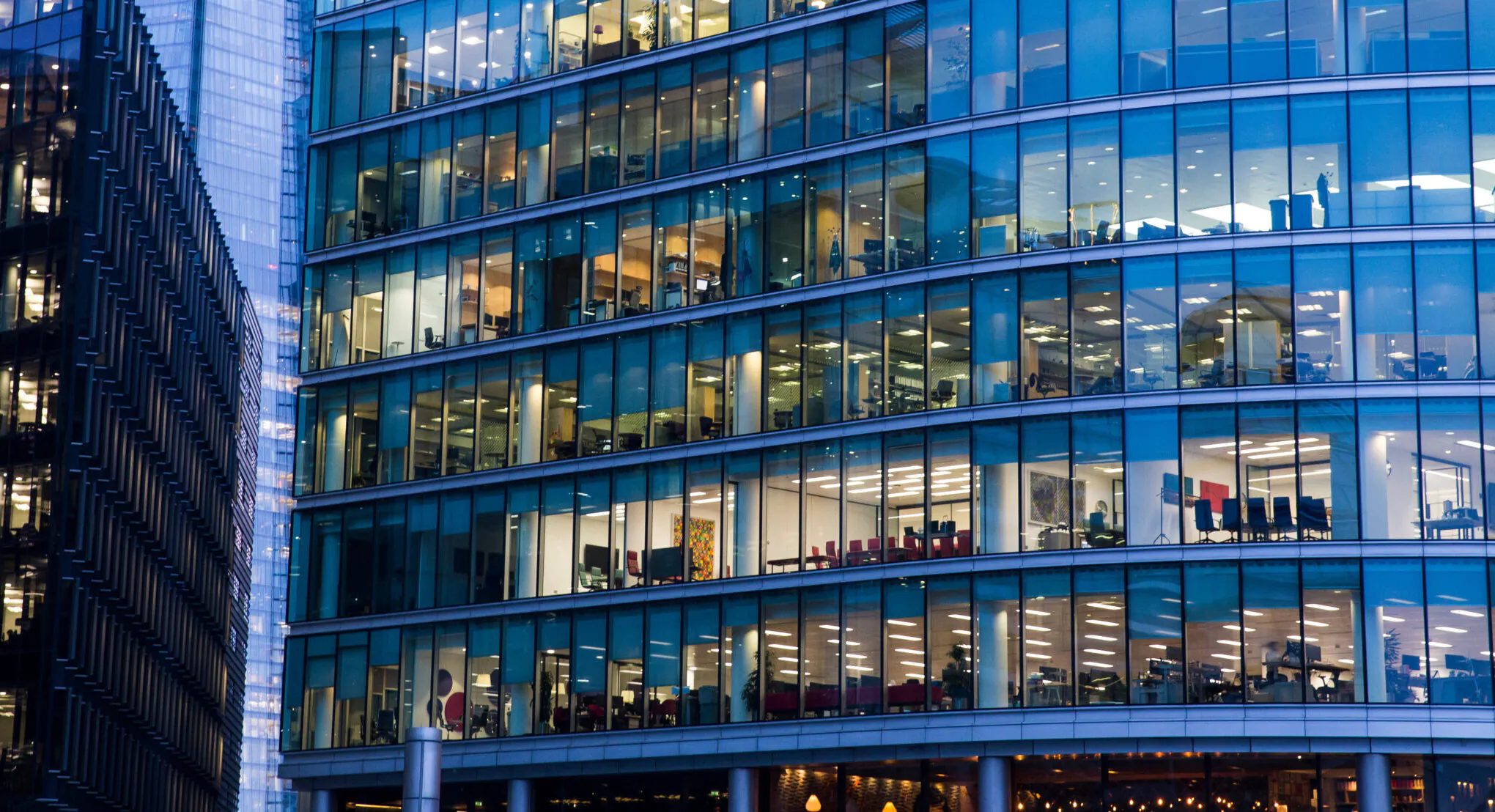
New York Commercial Building Accident Lawyer
Injuries that occur in commercial spaces such as retail stores, office buildings, restaurants, or shopping malls often involve complex legal issues. These spaces are frequently leased, maintained, and controlled by multiple parties—including business owners, landlords, and property managers—making it difficult for injury victims to know who is responsible.
At Billy Cooper Law, we help clients pursue justice when unsafe conditions in commercial buildings lead to injury. With extensive experience in premises liability law, we guide clients through investigations, insurance negotiations, and litigation when necessary, ensuring their rights are protected every step of the way.
BILLY COOPER LAW

What Is Premises Liability?
Premises liability is a legal concept that holds property owners or those in control of a property responsible for injuries that occur due to unsafe or hazardous conditions. While this concept applies to all types of property, commercial premises present additional complexities due to the variety of roles and responsibilities involved.
In a commercial setting, owners and occupiers have a legal obligation, known as a duty of care, to keep the property reasonably safe for lawful visitors. This includes inspecting the premises regularly, repairing hazards in a timely manner, and providing warnings when necessary. Failure to meet this duty may constitute negligence, which can make them financially liable for any injuries sustained.
Who Can Be Held Liable for Injuries on Commercial Property?
Determining liability in commercial premises cases can be difficult because multiple parties often share control over different areas of the property. Liability typically depends on the specific location of the hazard, lease agreements, and who had actual or constructive knowledge of the condition.
Business Owners
Business owners are often responsible for maintaining the interior of their leased spaces. They may be liable for injuries that occur due to spills, misplaced merchandise, cluttered walkways, or other conditions they have control over.
Landlords
Commercial landlords may be responsible for structural maintenance, exterior areas, and common spaces such as lobbies, staircases, parking lots, and sidewalks. If an injury occurs in these areas due to their failure to maintain or repair, they could be held liable.
Tenants
In many commercial leases, tenants are responsible for maintaining the leased interior space. If a customer is injured inside a store or office due to an unsafe condition that the tenant failed to fix, the tenant may bear the legal responsibility.
Property Managers and Maintenance Companies
These parties are often hired to oversee day-to-day operations, inspections, and repairs. If their negligence directly contributed to an unsafe condition, they may also be named in a premises liability claim.
Common Causes of Injuries in Commercial Buildings
There are many situations in which a visitor, customer, or contractor might be injured in a commercial setting. Common causes include:
- Wet or slippery floors without proper signage
- Uneven pavement, loose tiles, or torn carpeting
- Falling merchandise or improperly stocked shelves
- Poor lighting in stairwells or hallways
- Broken elevators or escalators
- Icy sidewalks and unshoveled entryways
- Inadequate security leading to physical assaults
- Non-compliance with ADA accessibility requirements
These incidents often result in injuries that range from minor to severe, and the responsible party may be held liable if it is found that they failed to act with reasonable care.
Common Injuries Sustained in Commercial Premises Accidents
Injuries caused by unsafe conditions in commercial spaces can vary in severity. Some may require only short-term treatment, while others lead to long-term disability or chronic pain. At Billy Cooper Law, we frequently represent clients who have sustained:
- Broken bones and fractures
- Sprains, strains, and torn ligaments
- Head injuries, including concussions and traumatic brain injuries (TBIs)
- Spinal cord injuries and herniated discs
- Cuts, lacerations, and bruising
- Back and neck injuries
- Internal injuries
- Psychological trauma, particularly after a violent incident
Each injury has the potential to cause significant financial hardship due to medical bills, time away from work, and ongoing therapy or rehabilitation. That’s why it’s critical to pursue compensation that reflects the full scope of the damages.
BILLY COOPER LAW
Filing a Premises Liability Claim
Filing a claim for injuries sustained on commercial property involves a series of legal steps. It’s essential to act promptly and follow the appropriate procedures to preserve your rights.
Step 1: Document the Incident
Immediately after the injury, document the condition that caused the accident. Take photographs, collect witness contact information, and obtain a copy of any incident report made by the business or property owner.
Step 2: Seek Medical Treatment
You should seek medical attention as soon as possible, even if the injury seems minor. This not only protects your health but also creates documentation that can support your claim.
Step 3: Contact an Attorney
Contacting a premises liability attorney early in the process ensures your case is handled properly from the beginning. Billy Cooper Law offers free consultations and will help determine who may be liable and whether you have a valid claim.
Step 4: Investigation and Legal Filing
Our legal team will investigate the circumstances of your injury, gather evidence, consult with experts if needed, and file the claim within the statute of limitations. We manage all communication with insurance companies and opposing parties so you can focus on your recovery.
Compensation in Commercial Premises Liability Cases
Victims of commercial property accidents are entitled to compensation for both economic and non-economic losses. The amount you may recover depends on the severity of your injury and the impact on your life.
Types of Compensation You May Be Entitled To
- Medical expenses – Including hospital bills, physical therapy, surgeries, medications, and ongoing treatment
- Lost income – Compensation for time you missed from work, and future lost earning capacity if the injury prevents you from returning to your job
- Pain and suffering – Compensation for physical pain, mental anguish, and loss of enjoyment of life
- Disfigurement or disability – Additional compensation if your injury results in long-term or permanent impairment
- Out-of-pocket expenses – Transportation, home modifications, or medical equipment
- Punitive damages – In cases of gross negligence or intentional misconduct
Billy Cooper Law works diligently to pursue full compensation and ensure insurance companies do not undervalue your claim.
How Billy Cooper Law Can Help
When you’re injured on commercial property, you’re likely dealing with more than just physical pain. You may be facing mounting medical bills, time away from work, and frustration in trying to deal with insurance adjusters who do not have your best interests in mind.
At Billy Cooper Law, we take over the legal burden so you can focus on healing. Here’s what we do for you:
- Investigate the incident thoroughly to determine liability
- Gather evidence, including photographs, witness statements, safety records, and surveillance footage
- Handle all communication with insurance companies and opposing attorneys
- Negotiate aggressively to secure a fair settlement
- Represent you in court, if the responsible parties refuse to pay what you’re owed
We operate on a contingency fee basis, meaning you pay nothing unless we win or settle your case. We are committed to fighting for the maximum compensation you deserve.
Frequently Asked Questions
These answers address common commercial property accidents questions under New York law. The facts and applicable rules can change the answer. This is general information, not personal legal or medical advice.
What must be proved after an injury at a store or business?
An accident alone does not establish liability. A claim generally requires a dangerous condition or negligent conduct, a legally responsible party, causation, and injury.
When notice is required, evidence must address whether the defendant created the condition or knew or should have known about the specific hazard.
Sources: Gordon v. American Museum of Natural History, NY Court of Appeals; Dorsa v. National Amusements: creation or notice of a hazard.
What does constructive notice mean in a premises case?
Gordon v. American Museum of Natural History explains that a condition generally must be visible and apparent and exist long enough to be discovered and corrected.
General awareness that spills or debris can occur is not enough. Timing, inspections, video, complaints, and witnesses may matter.
Sources: Gordon v. American Museum of Natural History, NY Court of Appeals.
Is the building owner or the business tenant responsible?
Responsibility can depend on possession, control, lease terms, repair obligations, who created the hazard, and the area involved.
Ownership alone does not establish liability for every condition, and a tenant is not automatically responsible for areas it does not control.
Sources: Dorsa v. National Amusements: creation or notice of a hazard; Gordon v. American Museum of Natural History, NY Court of Appeals.
Should I complete the business’s incident report?
Report the event accurately and request a copy or identifying number. State what you know without guessing, minimizing, or accepting blame.
An incident report preserves notice of the event but does not itself prove negligence or extend a filing deadline.
Sources: U.S. HHS: Your medical records; NY CPLR §214: personal-injury filing periods.
How quickly should surveillance video be preserved?
Promptly. Many systems overwrite footage on short cycles, and relevant video may include the hazard before the accident as well as the fall itself.
Identify cameras and the time window, and seek lawful preservation. Do not assume a business will keep video because an employee saw the incident.
Sources: U.S. HHS: Your medical records; Gordon v. American Museum of Natural History, NY Court of Appeals.
Can a small floor or walkway defect support a claim?
Sometimes. New York does not use one automatic minimum measurement for every defect; size, appearance, location, lighting, and surrounding circumstances matter.
Photograph the condition in context and measure only when safe. No fixed-size rule means neither automatic liability nor automatic dismissal.
Sources: Hutchinson v. Sheridan Hill House, NY Court of Appeals (2015).
Can a cleaning or maintenance contractor be responsible?
Potentially, depending on the contract, work performed, whether the contractor created or worsened the hazard, and duties recognized by law.
Identify uniforms, company names, schedules, and work records. The mere presence of a contractor is not proof of liability.
Sources: Dorsa v. National Amusements: creation or notice of a hazard; U.S. HHS: Your medical records.
Why seek medical advice after a seemingly minor fall?
Falls can cause fractures or brain injury, especially in older adults. Seek care for head impact, significant pain, difficulty bearing weight, or new neurological symptoms.
Medical findings document injury; they do not decide whether a business had notice of a hazard. Keep the two analyses distinct.
Sources: CDC: Older-adult falls and injuries; CDC: Concussion symptoms and emergency warning signs; Current Osteoporosis Reports (2021): fall biomechanics and fractures.
How long do I have to file a commercial-property injury claim?
A typical private negligence action has a three-year period, but public ownership, special defendants, and other circumstances can change it.
Evidence can disappear much sooner. Insurance discussions do not necessarily extend the filing period.
Sources: NY CPLR §214: personal-injury filing periods; NY General Municipal Law §50-e.
How is a commercial-property settlement evaluated?
Evaluation combines proof of the hazard and notice with medical causation, prognosis, lost earnings, future needs, and pain and suffering.
A fracture or large business does not determine value. Review disputed fault, liens, fees, expenses, and the release.
Sources: NY CPLR §4111: past and future injury damages; New York Rules of Professional Conduct, Rule 1.5: fees and expenses; Gordon v. American Museum of Natural History, NY Court of Appeals.
Contact Billy Cooper Law Today
If you’ve been injured on commercial property due to unsafe or negligent conditions, you don’t have to face the legal system alone. Billy Cooper Law provides knowledgeable, compassionate, and results-driven representation to injury victims across New York.
Contact us today to schedule a free, no-obligation consultation. We’ll listen to your story, explain your legal options, and guide you toward the justice and compensation you deserve.
BILLY COOPER LAW


Get the Answers You Need
At Billy Cooper Law, every day we renew our pledge to help injured people get the justice and compensation they deserve. We have a reputation throughout New York and nationally for standing up for our clients, and we take that responsibility seriously by approaching every case with preparation, persistence, and an unwavering commitment to results.