Inwood NY Personal Injury Lawyer
A serious injury can leave you trying to manage medical care, missed work, insurance calls, and family responsibilities all at once. You may know that someone else caused the accident but still have no clear idea who is legally responsible or what you should do next.
Billy Cooper Law represents injured people in Inwood and throughout New York City. The firm offers free consultations, handles personal injury cases on a contingency basis, and has a by-appointment location at 4746 Broadway in New York NY. You pay no upfront legal fee, and no attorney’s fee unless compensation is recovered.
Inwood and Other Areas We Serve
- New York County
- Manhattan
- Upper East Side
- Upper West Side
- Washington Heights
- East Harlem
- Harlem
- Inwood
- Midtown
- Chelsea
- Greenwich Village
- Lower East Side
- Financial District
A Legal Team Prepared for Serious Injury Cases
If your injury may affect your health or ability to work for years, you will probably want a lawyer who has handled substantial cases and is prepared to take a case to trial when necessary.
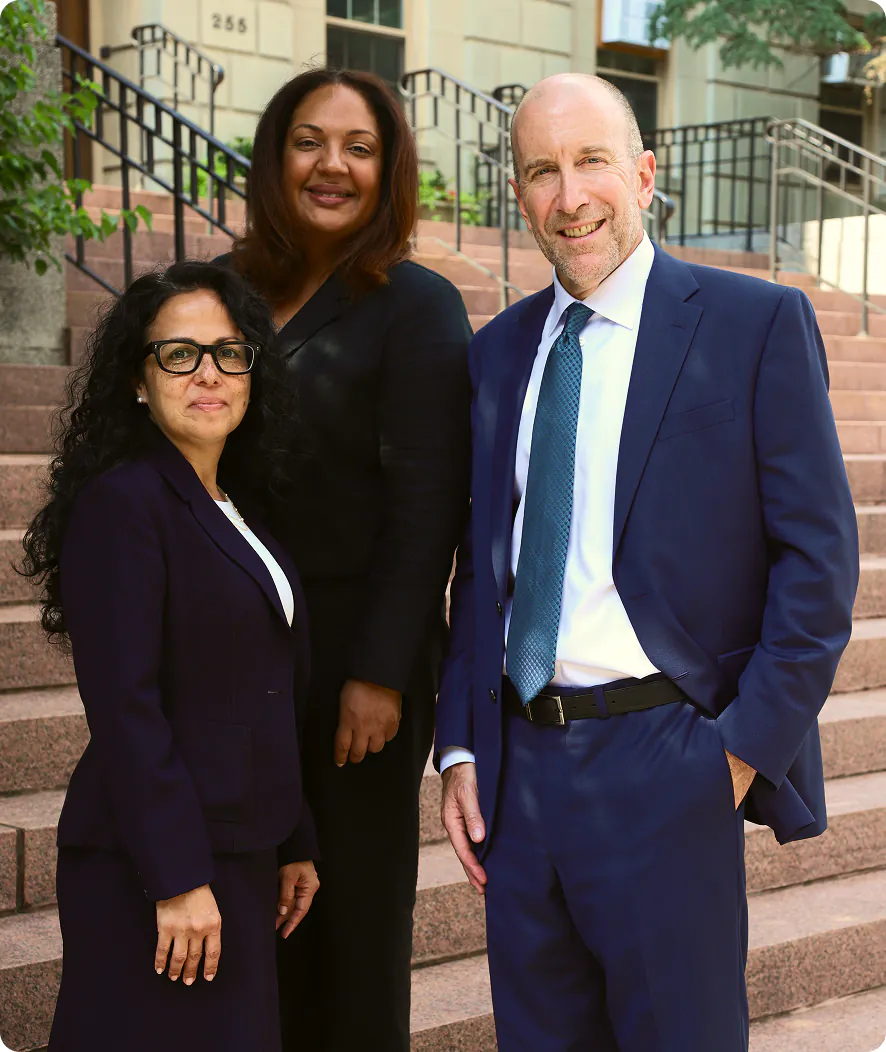
Billy Cooper Law brings more than 75 years of combined legal experience to personal injury matters. William H. Cooper has served as lead trial counsel for decades, has obtained more than $41 million in reported verdicts and settlements, and was selected to Super Lawyers from 2024 through 2026. Attorney Anieska J. Garcia provides bilingual representation for Spanish-speaking clients.
Those credentials matter because serious cases require more than sending medical records to an adjuster. Your lawyer may need to identify multiple defendants, preserve surveillance video, analyze insurance policies, work with medical experts, and prepare the evidence as though a jury will eventually hear the case.
Why Inwood Injury Cases Require Local Investigation
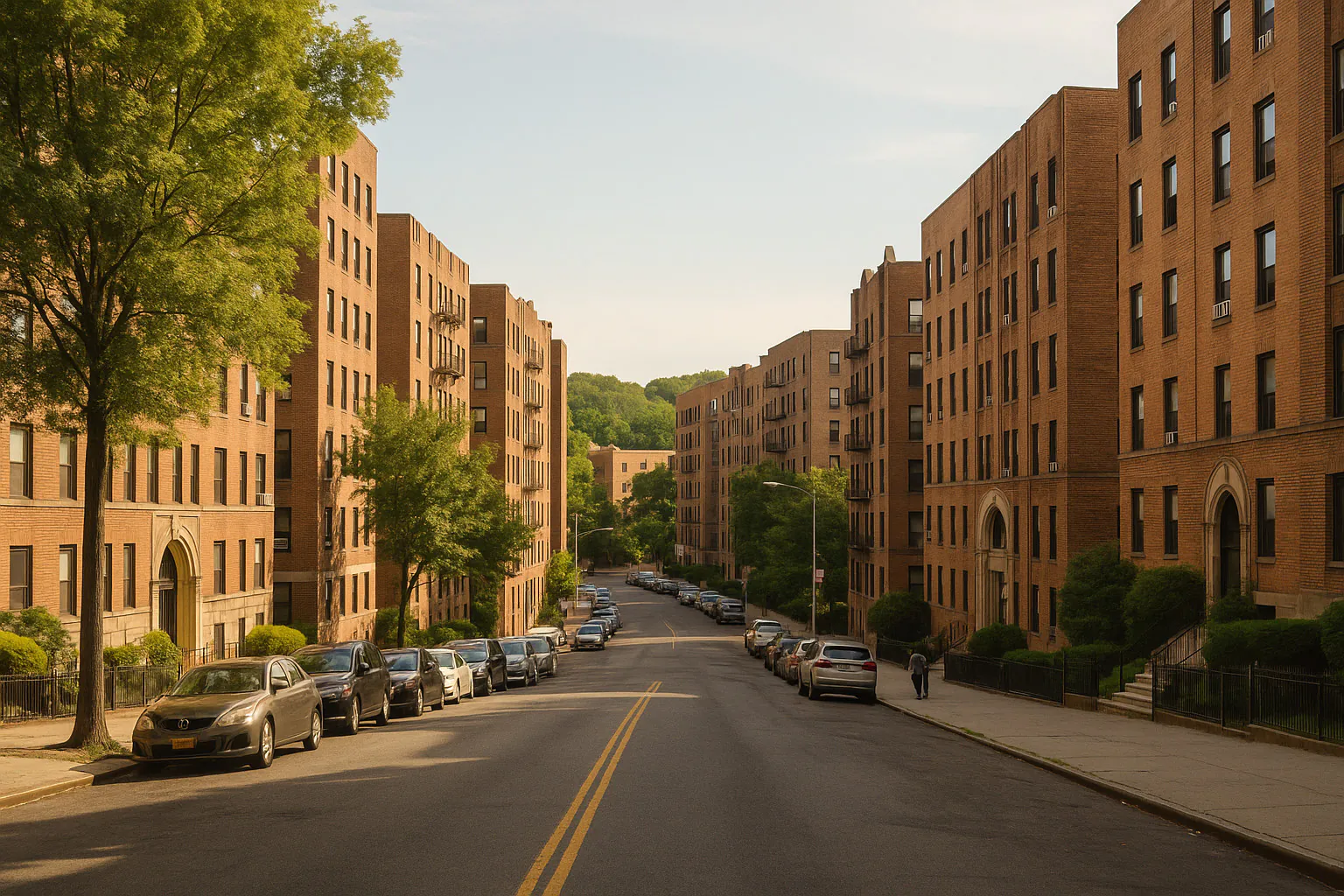
Inwood is shaped by the movement of people through a relatively compact part of Upper Manhattan. Pedestrians, buses, bicycles, e-bikes, delivery vehicles, rideshares, and private cars often share the same corridors. An accident on Broadway or near West 207th Street may involve several possible evidence sources within a short distance: storefront cameras, building security systems, traffic signals, transit records, delivery data, and witnesses.
Property-control questions can also become complicated. A dangerous condition may be on private property, a commercial tenant’s premises, a sidewalk, a subway entrance, a park path, or an area affected by public construction. The person or agency responsible for inspecting and maintaining the location is not always obvious from the scene.
Inwood falls within Manhattan Community District 12, which encompasses Washington Heights and Inwood. The NYPD’s 34th Precinct serves these communities north of West 179th Street. Knowing which precinct, public authority, property owner, contractor, or insurer has the relevant records can make the difference between finding evidence and learning that it has already disappeared.
A Local Accident Snapshot
The NYPD’s TrafficStat report through August 16, 2026 recorded 528 collisions in the 34th Precinct during 2026. Those crashes caused 202 injuries and four fatalities. The injured included 39 pedestrians, 17 traditional bicyclists, and 34 people using motorized two-wheelers.
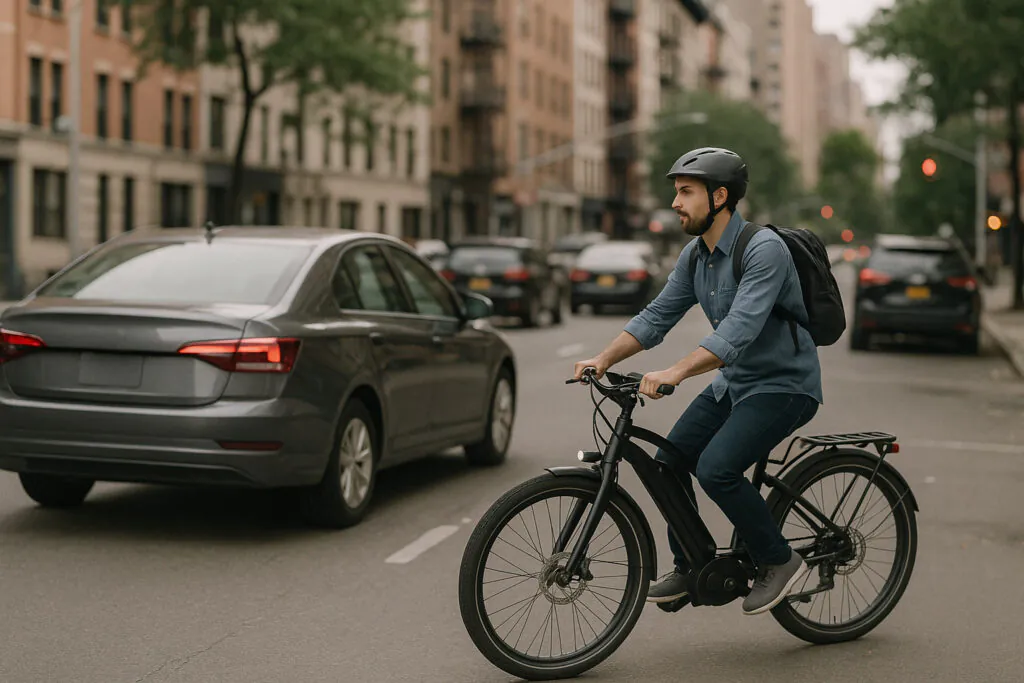
These numbers cover the broader precinct, not Inwood alone. Still, they reflect the mix of injury risks found in the neighborhood. A personal injury practice here cannot focus only on conventional car crashes. Pedestrian, bicycle, e-bike, moped, transit, delivery, and commercial vehicle cases are part of the local picture.
Where Injuries Happen in Inwood
The location of an accident often tells a lawyer where to begin looking for evidence and who may be responsible.
Busy streets and intersections
Crashes on Broadway, Dyckman Street, West 207th Street, and connecting streets may involve turning vehicles, delivery stops, obstructed sight lines, traffic-signal timing, or disputes over who had the right of way. Nearby stores and apartment buildings may have captured footage even when no City camera recorded the collision.
Subway stations, buses, and transit stops
Falls and other injuries on transit property can raise questions about New York City Transit Authority maintenance, station inspections, bus operation, lighting, warnings, and prior complaints. Transit claims also carry shorter procedural deadlines than ordinary cases.
Apartment and commercial buildings
Wet floors, broken steps, loose handrails, defective elevators, inadequate lighting, falling objects, and uncleared ice can cause serious injuries. Determining responsibility may require reviewing leases and management agreements to learn whether the owner, tenant, management company, contractor, or another party controlled the area.
Sidewalks and public spaces
A sidewalk defect may appear to be a straightforward claim against the City, but responsibility can depend on the type of adjoining property, who performed prior work, and whether a private owner or contractor created the condition. Park paths and other public spaces may involve separate agencies and notice requirements.
Construction and renovation sites
Construction injuries may involve a worker’s employer, the property owner, general contractor, subcontractors, equipment companies, or outside vendors. New York Labor Law can provide important protections in elevation-related accidents, falling-object cases, and work involving unsafe equipment.
Personal Injury Cases Billy Cooper Law Handles
Billy Cooper Law represents clients in cases involving:
- Car accidents
- Pedestrian accidents
- Bicycle accidents
- E-bike accidents
- Motorcycle accidents
- Uber and Lyft accidents
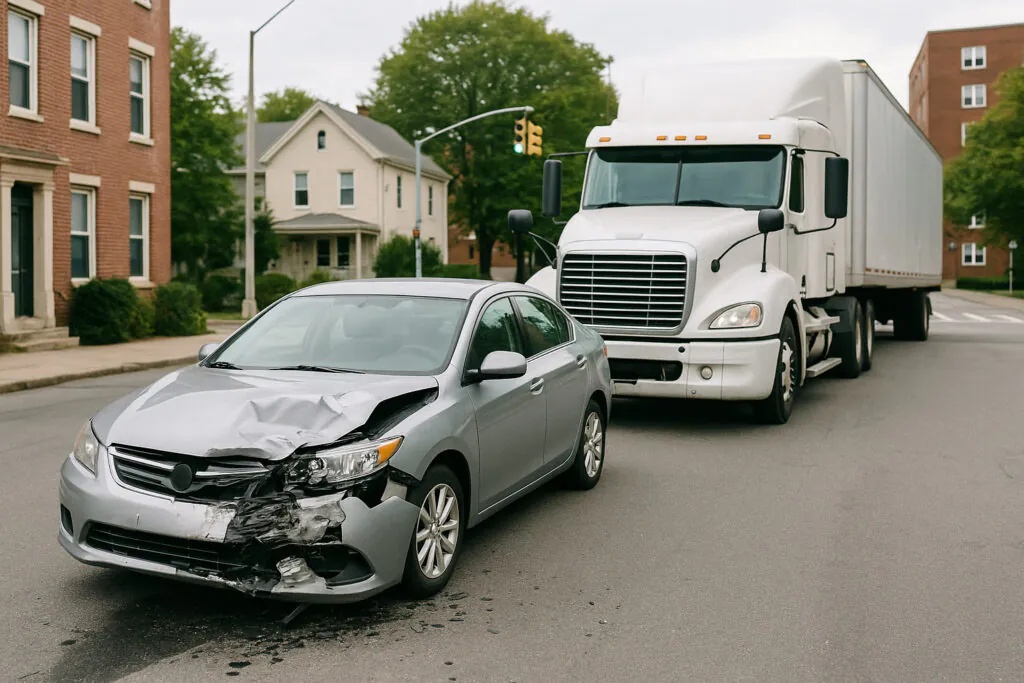
- Truck and commercial vehicle accidents
- Bus accidents
- Subway accidents
- Premises liability
- Construction accidents
- Work injuries
- Medical malpractice
- Dangerous or defective products
- Dog bites
- Catastrophic injuries
- Spinal cord injuries
- Traumatic brain injuries
- Wrongful death
Each type of case requires a different investigation. A subway fall does not proceed like a car crash. A construction worker’s claim may involve both workers’ compensation and a separate case against a property owner or contractor. A medical malpractice case requires expert review and follows a different filing deadline.
What to Do After an Accident
Your health comes first. Get emergency help when needed and arrange follow-up care for symptoms that continue or worsen. Delays in treatment can affect your recovery and give an insurer an opportunity to argue that the accident did not cause your condition.
When you can do so safely:
- Report the accident. Call 911 after a traffic collision. Report a property accident to the owner, manager, transit employee, employer, or appropriate agency.
- Ask for an incident or collision report number. Write down the name and position of anyone who takes your report.
- Photograph the scene. Capture the condition that caused the injury, surrounding area, vehicles, signals, debris, lighting, weather, and visible injuries.
- Get witness information. Names and phone numbers are more useful than an assurance that someone “will be around.”
- Preserve physical evidence. Keep damaged clothing, shoes, helmets, bicycles, phones, vehicle parts, or defective products without repairing or discarding them.
- Save bills and employment records. Keep medical invoices, prescription receipts, transportation expenses, pay stubs, and communications concerning missed work.
- Be careful with insurance calls. You can report an accident without guessing about fault or minimizing your injuries. Consider getting legal advice before giving a recorded statement to another party’s insurer.
If a government agency or transit authority may be involved, do not wait to learn which deadline applies.
Evidence That May Strengthen Your Claim
Evidence in Inwood can disappear quickly. Storefront and building video may be overwritten. Vehicles may be repaired. A broken step may be fixed. Construction materials may be removed. Witnesses may move or forget what they saw.
Depending on the accident, important evidence may include:
- Police and incident reports
- Traffic or storefront surveillance video
- Building inspection and maintenance records
- Cleaning schedules and employee logs
- Prior complaints about the same condition
- Construction permits and site-safety records
- Contracts identifying who controlled the property or work
- Bus, subway, rideshare, or delivery records
- Vehicle event-data recorder information
- Driver phone and GPS records
- Photographs, measurements, and scene inspections
- Medical imaging and treatment records
- Wage and employment documentation
A lawyer can send preservation notices before video, electronic information, or physical evidence is destroyed through normal business practices.
New York Deadlines Can Be Much Shorter Than Expected
Under CPLR § 214, many New York personal injury actions must be commenced within three years. That does not mean every injured person has three years.
A wrongful death action generally must be brought within two years of the death. A medical malpractice claim generally has a two-year-and-six-month deadline, subject to rules concerning continuous treatment and certain discovery issues.
Motor vehicle claims have separate insurance deadlines. The New York Department of Financial Services states that written notice of a no-fault claim generally must be provided within 30 calendar days after the accident, unless there is clear and reasonable justification for a delay.
Claims involving the City, a public authority, or another government entity can require action within 90 days. The right deadline depends on the defendant, the type of accident, and the law governing that entity.
How Fault Works After the 2026 Change to New York Law
Fault now works differently depending on whether the case is governed by New York’s motor vehicle no-fault law.
For most non-automobile injury cases, CPLR § 1411(a) continues to apply pure comparative fault. If you are found partly responsible, your compensation is reduced by your percentage of fault, but partial fault does not automatically eliminate your claim.
The rule changed for many motor vehicle injury actions commenced on or after May 26, 2026. Under CPLR § 1411(b), you can be barred from recovering personal injury damages if your share of fault is greater than the fault of the person—or combined fault of the people—you are pursuing. At 50% fault or less, recovery may still be available, reduced by your percentage of responsibility.
The same 2026 legislation also changed New York’s “serious injury” standard for motor vehicle cases. The former category based on being unable to perform substantially all customary daily activities for 90 of the first 180 days was removed. The current categories emphasize injuries such as fractures, significant disfigurement, permanent loss or limitation, and significant limitation supported by medical evidence. The New York Department of Financial Services explains that these changes apply to actions and proceedings commenced on or after May 26, 2026.
This makes early fault investigation and careful medical documentation particularly important in current motor vehicle cases.
BILLY COOPER LAW

Who May Be Responsible for an Inwood Accident?
The person who appears to have caused an accident may not be the only legally responsible party.
Depending on the facts, a claim may involve:
- A negligent driver
- The owner of a vehicle
- A driver’s employer
- A delivery, trucking, or rideshare company
- A property owner or commercial tenant
- A building management company
- A maintenance or cleaning contractor
- A construction owner, general contractor, or subcontractor
- A manufacturer or distributor
- A medical provider or hospital
- The City of New York
- The New York City Transit Authority
- Another public agency or authority
Identifying every responsible party matters because each defendant may have different evidence, insurance coverage, defenses, and filing requirements.
Compensation After a Serious Injury
Compensation should reflect what the injury has actually taken from you—not simply the diagnosis written in an emergency room chart.
Depending on the case, recoverable damages may include:
- Past and future medical expenses
- Lost wages
- Reduced future earning ability
- Rehabilitation and therapy
- Home health care
- Mobility equipment and home modifications
- Pain and suffering
- Emotional distress
- Scarring or disfigurement
- Loss of enjoyment of life
- Loss of independence
- Funeral expenses and financial losses resulting from a wrongful death
Future damages often become the central issue in catastrophic injury cases. A settlement that covers today’s bills may be inadequate if you will need another operation, ongoing therapy, vocational support, or long-term assistance.
Claims Against the City or a Transit Authority
An injury on public property does not automatically mean the City is responsible. A lawyer must identify the agency that owned, controlled, maintained, repaired, or created the dangerous condition.
Under General Municipal Law § 50-e, a tort notice of claim against a public corporation is generally required within 90 days. For many claims against New York City, a lawsuit must then be commenced within one year and 90 days.
The New York City Comptroller’s Office accepts City notices of claim through its eClaim system, personal delivery, or registered or certified mail. Filing the wrong form with the wrong entity may not protect your rights.
Claims against the New York City Transit Authority have their own requirements. Public Authorities Law § 1212 generally requires a notice of claim within 90 days and imposes a one-year-and-90-day period for many tort actions against the authority.
These deadlines can apply to accidents involving public sidewalks, City vehicles, transit property, buses, subway stations, parks, or work performed by a government contractor.
Local Courts, Medical Care, and Agencies
Serious personal injury cases arising in Inwood may be litigated in the New York County Supreme Court, Civil Term, located at 60 Centre Street in New York NY. Venue depends on the parties and facts, so not every case involving an Inwood accident will necessarily remain in New York County.
The 34th Precinct is located at 4295 Broadway and handles policing for Inwood and Washington Heights north of West 179th Street.
People who need hospital care in Upper Manhattan may be transported to or seek treatment at NewYork-Presbyterian/Columbia University Irving Medical Center, located at 622 West 168th Street in New York NY. The appropriate facility depends on the nature and urgency of the injury.
Billy Cooper Law’s 4746 Broadway location is available by appointment. The local number is (718) 866-3311.
How Billy Cooper Law Investigates a Case
The investigation begins by listening carefully to what happened. The legal team then works outward from your account to determine who controlled the location, which insurance policies may apply, and where independent evidence can be found.
That process may include:
- Inspecting and photographing the accident location
- Requesting police, transit, building, or government records
- Sending evidence-preservation notices
- Locating witnesses and obtaining statements
- Identifying property owners, tenants, contractors, and employers
- Reviewing leases, contracts, permits, and maintenance records
- Analyzing available video and electronic data
- Tracking treatment and the long-term medical outlook
- Documenting income loss and future financial needs
- Consulting medical, engineering, vocational, or accident-reconstruction experts when necessary
- Preparing the case for litigation rather than relying on an insurer’s initial evaluation
The goal is to answer the questions an insurance company will use to challenge the claim before those questions become obstacles.
Frequently Asked Questions
How much does it cost to hire Billy Cooper Law?
The firm handles personal injury cases on a contingency basis. There is no upfront attorney’s fee, and no legal fee is owed unless the firm recovers compensation for you.
Should I speak with the insurance adjuster?
You should promptly notify the appropriate insurer, particularly after a motor vehicle accident. You do not have to speculate about fault, agree to a recorded statement, or accept an early settlement before you understand your injuries and legal rights.
What if I was partly responsible?
In most non-motor-vehicle cases, your compensation may be reduced by your share of fault without being eliminated. For many motor vehicle injury actions commenced on or after May 26, 2026, recovery can be barred if your fault is greater than the combined fault of the defendants.
Can a pedestrian or cyclist receive no-fault benefits?
A pedestrian or cyclist struck by a motor vehicle may qualify for New York no-fault benefits. The correct insurer and application process depend on the vehicles and insurance coverage involved.
What if I fell on a sidewalk?
Responsibility may rest with the adjoining property owner, the City, a contractor, or another party. The answer depends on the property, the nature of the defect, prior work, and who had responsibility for maintenance.
Can I sue after a work accident?
You may be entitled to workers’ compensation benefits. You may also have a separate personal injury claim if someone other than your employer or co-worker contributed to the accident. Construction cases frequently require investigation of property owners, general contractors, subcontractors, and equipment providers.
What if the dangerous condition was repaired after my accident?
A repair does not necessarily end the case, but it can make the original condition harder to prove. Photographs, witnesses, video, measurements, inspection records, and prompt investigation become especially important.
How long will my case take?
Some cases can be resolved after treatment stabilizes and the parties agree about fault and damages. Others require litigation, expert testimony, or trial preparation. The appropriate timeline depends on the evidence, medical prognosis, insurance coverage, and whether the defendants dispute responsibility.
Does the firm help Spanish-speaking clients?
Yes. Attorney Anieska J. Garcia provides bilingual representation. You can ask questions and discuss the case in Spanish.
What happens during a free consultation?
You can explain what happened, where the accident occurred, what injuries you suffered, and which insurers or agencies have contacted you. The legal team can then identify immediate concerns, including medical documentation, insurance notices, evidence preservation, and possible government deadlines.
Related Personal Injury Resources
Learn more about Billy Cooper Law’s approach to New York personal injury cases, car accident claims, premises liability cases, construction accidents, and wrongful death claims.
Tell Us What Happened
You do not need to know the correct legal term for your case or identify every responsible party before calling. Start with what happened, where it happened, and how the injury has affected your life.
Billy Cooper Law will listen, explain the issues that may matter, and help you understand your options. Call (718) 866-3311 or contact the firm online to arrange a free consultation. Meetings at 4746 Broadway in New York NY are available by appointment.
Sources
Billy Cooper Law
- Billy Cooper Law
- Meet the Billy Cooper Law Team
- William H. Cooper Attorney Profile
- New York Personal Injury Practice
- New York County Personal Injury Practice
- Billy Cooper Law Contact and Office Information
- Billy Cooper Law Site Map and Verified Practice-Area Pages
Local Information and Statistics
- NYPD 34th Precinct
- NYPD 34th Precinct TrafficStat Report Through August 16, 2026
- Manhattan Community Board 12 Community Profile
- New York County Supreme Court Civil Term
- NewYork-Presbyterian/Columbia University Irving Medical Center
New York Laws, Insurance Rules, and Government Claims
- New York CPLR § 214
- New York CPLR § 214-a
- New York CPLR § 1411
- New York Estates Powers and Trusts Law § 5-4.1
- New York General Municipal Law § 50-e
- New York General Municipal Law § 50-i
- New York Public Authorities Law § 1212
- New York Department of Financial Services No-Fault Claim Guidance
- New York Department of Financial Services Auto Insurance Information
- New York Department of Financial Services 2026 Motor Vehicle Insurance Reforms
- New York City Comptroller Claim Filing Information
BILLY COOPER LAW
Communities We Serve
- New York County
- Manhattan
- Upper East Side
- Upper West Side
- Washington Heights
- East Harlem
- Harlem
- Inwood
- Midtown
- Chelsea
- Greenwich Village
- Lower East Side
- Financial District
Get the Answers You Need
At Billy Cooper Law, every day we renew our pledge to help injured people get the justice and compensation they deserve. We have a reputation throughout New York and nationally for standing up for our clients, and we take that responsibility seriously by approaching every case with preparation, persistence, and an unwavering commitment to results.