
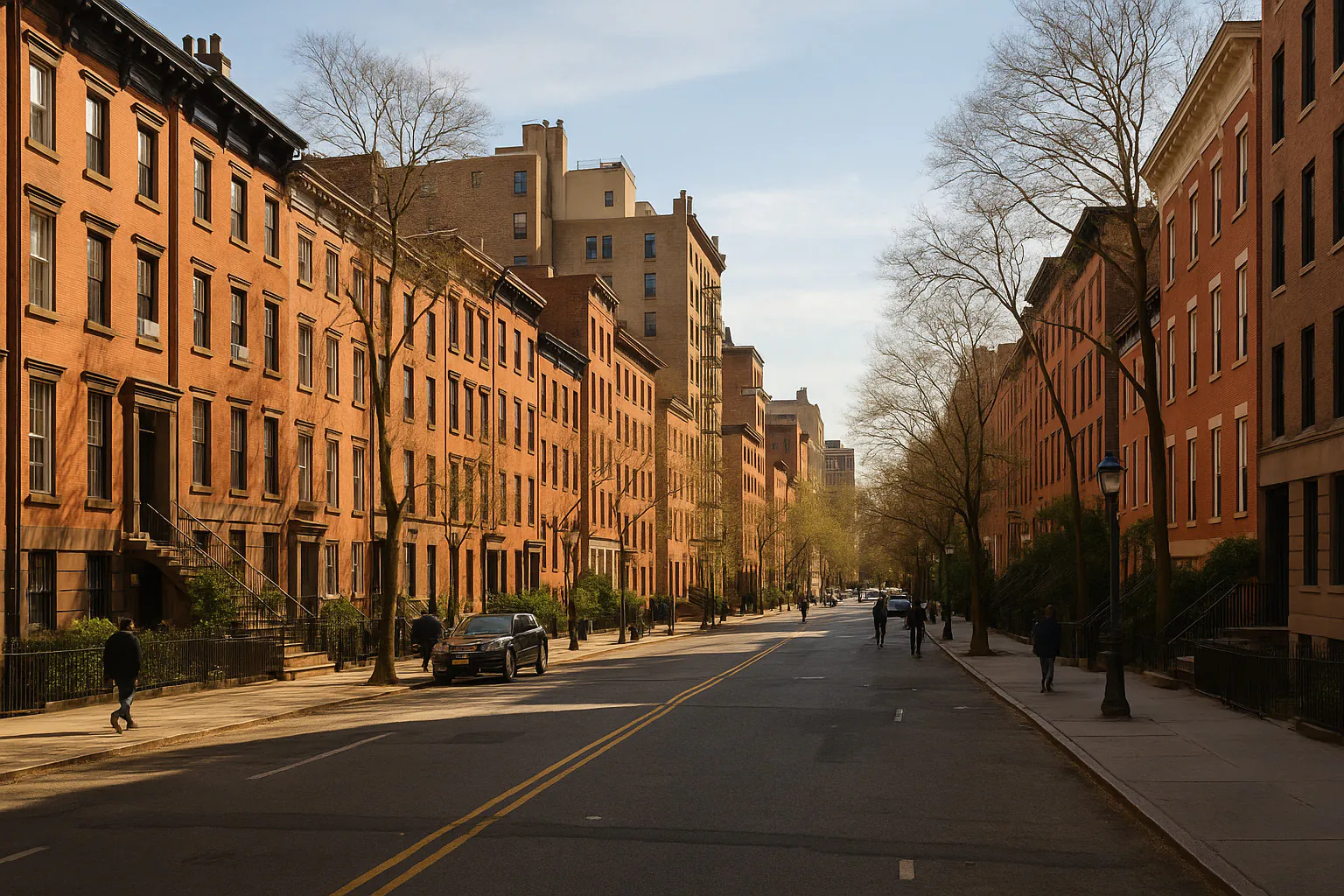
Greenwich Village NY Personal Injury Lawyer
An injury in Greenwich Village can leave you dealing with pain, medical appointments, missed work, and insurance calls before you fully understand what happened. The legal questions may be just as difficult. Was a driver responsible? A building owner? A commercial tenant? A contractor? The City? A transit authority?
Billy Cooper Law represents people injured in Greenwich Village NY and throughout New York County. The firm can help identify who controlled the accident location, preserve evidence, address insurance deadlines, and explain what comes next.
BILLY COOPER LAW

Communities We Serve
- New York County
- Manhattan
- Upper East Side
- Upper West Side
- Washington Heights
- East Harlem
- Harlem
- Inwood
- Midtown
- Chelsea
- Greenwich Village
- Lower East Side
- Financial District
A Law Firm Prepared for Serious Injury Cases
If your injury is serious, you will probably want a lawyer who has handled disputed liability, permanent medical conditions, and defendants prepared to fight.
William H. “Billy” Cooper has practiced in New York since 1991 and has served as the firm’s lead trial counsel for more than 25 years. His firm profile reports Super Lawyers recognition from 2024 through 2026. Anieska Garcia represents clients in English and Spanish, allowing Spanish-speaking clients to discuss private medical and legal concerns directly with an attorney.
The firm’s published case results include a $2.4 million New York County wrongful death settlement arising from a tractor-trailer collision with a bus and a $1.5 million New York County medical malpractice settlement involving a bowel injury during a Cesarean section. Those matters are different from one another, but both required the firm to present serious injuries and losses clearly.
Billy Cooper Law offers free consultations and handles personal injury cases on a contingency basis. There is no upfront legal fee, and the firm is paid only if compensation is recovered.
Why Greenwich Village Accidents Can Be Complicated
Greenwich Village brings pedestrians, cyclists, delivery workers, rideshare vehicles, buses, commercial loading, outdoor dining, construction, and subway traffic into a compact street network. An accident that initially appears straightforward may involve several companies or government entities.
A turning collision on Sixth Avenue may require video from nearby businesses, vehicle data, delivery records, and witness statements. A fall outside a restaurant may involve the building owner, commercial tenant, property manager, snow-removal company, or contractor that opened the sidewalk. A subway injury near West 4 St-Washington Sq may involve the New York City Transit Authority rather than the City itself.
The Village’s buildings also make the precise accident location important. A sidewalk defect may sit beside a residential entrance, storefront, cellar door, tree well, utility cover, curb, subway stairway, or construction shed. Moving the accident point by only a few feet can change who had the duty to inspect, repair, or warn about the condition.
Under New York City’s sidewalk rules, adjoining property owners generally must keep sidewalks reasonably safe. The exception for certain owner-occupied one-, two-, and three-family homes applies only when the property is used exclusively as a residence. A building with a ground-floor business may require a different analysis. (NYC DOT sidewalk guidance; New York Court of Appeals discussion of Administrative Code § 7-210)
What Local Crash Data Shows
The NYPD 6th Precinct serves Greenwich Village and the West Village. NYC DOT’s 2024 Bicycle Crash Data Report recorded within the precinct:
- 42 traditional bicyclist injuries in crashes involving motor vehicles
- 9 motorized two-wheeler injuries in crashes involving motor vehicles
- 9 pedestrian injuries in bicycle-pedestrian crashes
- 4 pedestrian injuries in crashes involving motorized two-wheelers but no motor vehicle
“Motorized two-wheelers” can include vehicles such as e-bikes, mopeds, and scooters. The mix matters because the evidence and available insurance may differ considerably depending on what struck you and whether the person was making a commercial delivery.
Where Serious Injuries Happen in Greenwich Village
Intersections, bike lanes, and curb space
Many Village collisions happen where drivers turn across crosswalks or bike routes while also watching traffic, signals, and pedestrians. Delivery trucks and double-parked vehicles can obstruct sightlines. Rideshare passengers may be picked up or discharged in active traffic.
A police report is helpful, but it may not answer every question. Traffic-camera footage, storefront video, vehicle damage, app records, trip data, and witness accounts can reveal what each person was doing before impact.
Sidewalks, cellar doors, and building entrances
Falls may involve uneven sidewalk flags, broken pavement, cellar doors, ice, water, debris, loose grates, inadequate lighting, or temporary construction conditions.
Photographs should show more than a close-up of the hazard. They should establish its relationship to the adjoining building, storefront, curb, tree well, subway entrance, utility fixture, or work area. That context helps identify the correct property and responsible parties.
Subway stations and buses
Subway and bus cases can involve wet stairs, broken walking surfaces, defective doors, escalator problems, sudden movement, inadequate lighting, or falling material. Useful evidence may include station video, cleaning and inspection records, maintenance reports, operator information, and incident logs.
These records may be held by a public authority rather than the City. Short notice requirements can apply.
Construction and renovation projects
Greenwich Village construction is not limited to major developments. Workers and pedestrians may be injured during apartment renovations, façade work, demolition, sidewalk-shed installation, elevator work, storefront improvements, or interior buildouts.
Contracts, permits, daily reports, safety plans, photographs, and equipment records can establish which owner, general contractor, subcontractor, or other company controlled the work.
Personal Injury Cases Billy Cooper Law Handles
Billy Cooper Law represents clients in matters involving:
- Car accidents
- Motorcycle accidents
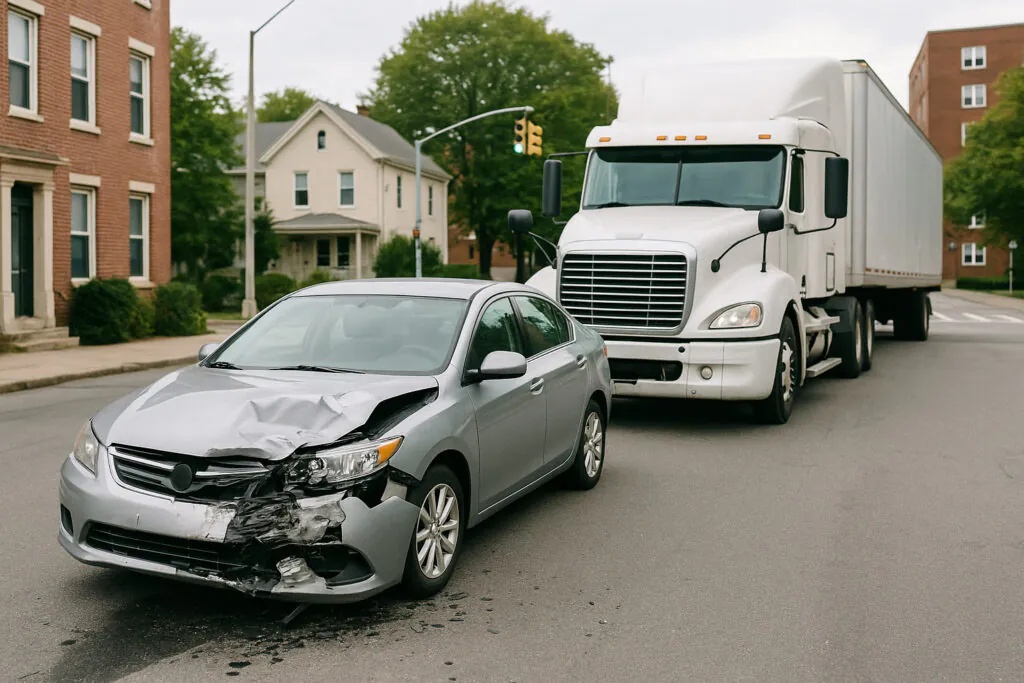
- Truck and commercial vehicle accidents
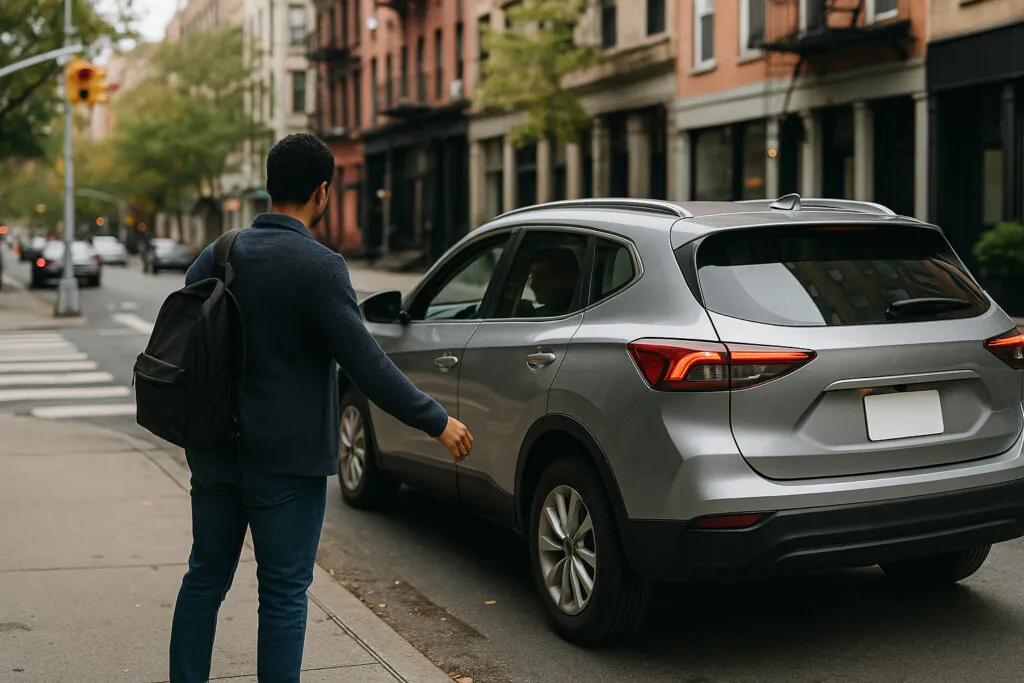
- Uber and Lyft accidents
- Pedestrian accidents
- Bicycle accidents
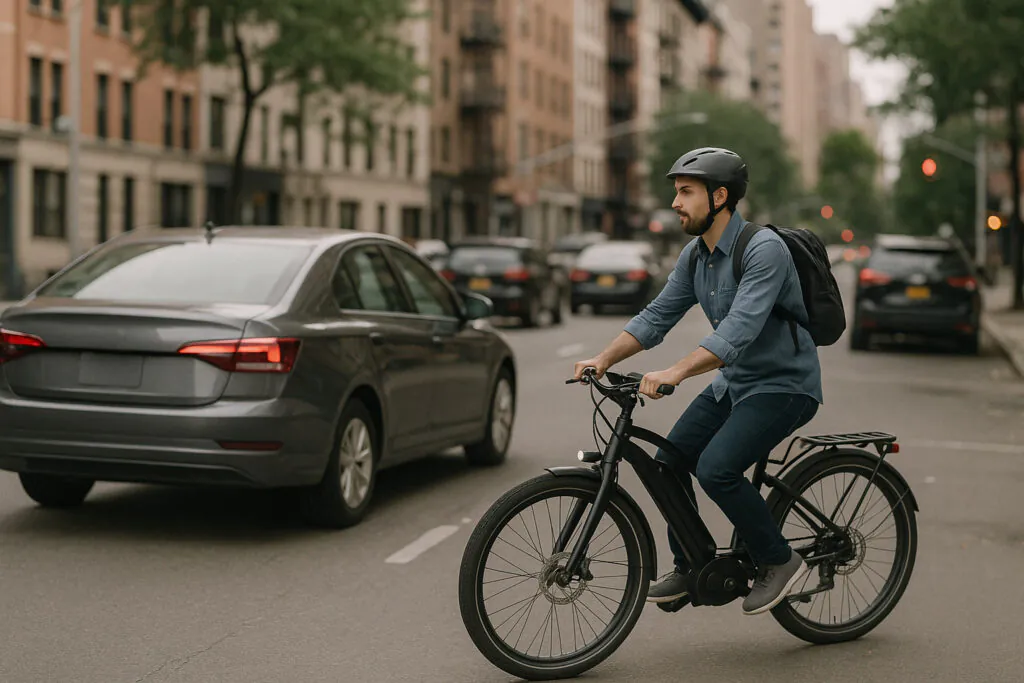
- E-bike accidents
- Bus accidents
- Subway accidents
- Premises liability
- Sidewalk falls
- Construction accidents
- Work injuries
- Medical malpractice
- Defective products
- Dog bites
- Catastrophic injuries
- Wrongful death
Each type of case requires a different investigation. A negligent driver case is not built the same way as a sidewalk fall, unsafe construction site, subway injury, or medical error.
What to Do After an Accident
Your health comes first. Call 911 when emergency help is needed, accept appropriate medical care, and tell the treating providers about every symptom. Head, spinal, internal, and soft-tissue injuries are not always fully apparent at the scene.
When possible:
- Report what happened. Ask the police officer, property manager, employer, business, contractor, or transit employee to prepare an incident report.
- Photograph the entire area. Include the hazard, surrounding property, signs, vehicles, lighting, weather conditions, and visible injuries.
- Collect witness information. Do not assume every witness will appear in a police or incident report.
- Identify vehicles and workers. Record license plates, company names, truck numbers, bus routes, train lines, delivery-app information, and employee names.
- Keep damaged items. Save your bicycle, helmet, shoes, clothing, child safety seat, or defective product without repairing or discarding it.
- Follow through with treatment. Explain how the injury affects work, sleep, mobility, and daily activities.
- Be careful with insurance calls. A request for a recorded statement may come before you know the full facts or medical consequences.
- Ask about deadlines early. Government and no-fault deadlines may arrive long before the ordinary statute of limitations.
Evidence That May Disappear
Greenwich Village often provides valuable evidence, but much of it is temporary. Business video may be overwritten. A sidewalk or construction condition may be repaired. Vehicles may return to service. Delivery and rideshare data may become harder to obtain. Witnesses may leave the neighborhood and become difficult to locate.
Depending on the case, useful evidence may include:
- NYPD collision and incident reports
- 911 calls and dispatch records
- Storefront, building, station, or construction-site video
- Rideshare and delivery-app trip records
- Commercial vehicle GPS, telematics, and dispatch information
- Photographs taken before a condition was repaired
- Building maintenance and inspection records
- Cleaning and snow-removal logs
- Prior complaints and repair requests
- Street-opening and construction permits
- Contracts identifying who controlled the property or work
- Medical imaging, operative reports, and therapy records
- Wage statements and employer documentation
- Testimony from relatives about changes in daily life
A preservation demand can instruct a potential defendant to retain relevant evidence. It needs to reach the correct business, property owner, carrier, contractor, or public entity before routine systems erase the information.
New York Deadlines and Insurance Rules
Most negligence claims
Under CPLR § 214, many personal injury lawsuits based on negligence must be commenced within three years. That deadline does not apply to every claim.
A medical malpractice action generally must be commenced within two years and six months, although continuous treatment, foreign-object cases, and certain failures to diagnose cancer have separate rules under CPLR § 214-a.
A wrongful death action generally must be brought by the duly appointed personal representative within two years after the death under EPTL § 5-4.1.
No-fault insurance after a vehicle accident
New York no-fault insurance can provide up to $50,000 in basic economic-loss benefits for qualifying medical expenses, lost earnings, and necessary expenses under Insurance Law § 5102.
The New York Department of Financial Services states that written notice generally must be submitted to the proper no-fault insurer within 30 days of the accident. Medical bills generally must be submitted within 45 days of treatment, while lost-earnings claims generally must be submitted within 90 days after the loss is incurred. Limited exceptions may apply when there is a clear and reasonable justification for delay.
No-fault benefits do not automatically compensate you for pain and suffering. Under Insurance Law § 5104, many claims between people covered by New York’s no-fault system require proof of a legally defined serious injury before non-economic damages may be recovered.
New York changed that definition on May 26, 2026. The former category based on being unable to perform substantially all usual activities for at least 90 of the first 180 days after the accident was removed. The remaining statutory categories include fractures, significant disfigurement, permanent loss of use, permanent consequential limitations, and significant limitations, among others. (New York Department of Financial Services 2026 motor vehicle reforms)
What If You Were Partly at Fault?
New York also changed comparative-fault law for certain motor vehicle cases in 2026.
For personal injury actions subject to Article 51 of the Insurance Law and commenced on or after May 26, 2026, CPLR § 1411(b) bars recovery when the injured claimant’s fault is greater than the fault of the defendant or the defendants combined. If the claimant is 50% or less at fault, compensation may still be available but is reduced by that percentage.
Other personal injury matters generally remain subject to New York’s pure comparative-fault rule. In a premises liability, product liability, medical malpractice, or ordinary negligence case, partial fault ordinarily reduces the recovery rather than eliminating it.
These arguments often depend on evidence. A driver may say a pedestrian entered against the signal. A property owner may claim the condition was obvious. A contractor may blame the injured worker or another trade. Video, photographs, measurements, witness testimony, and contemporaneous records can determine whether those allegations are supported.
BILLY COOPER LAW
Who May Be Responsible?
Responsibility depends on who caused the danger, who controlled the location, and who had the ability to prevent or correct the problem.
Potential defendants may include:
- A negligent driver or vehicle owner
- A trucking, delivery, or transportation company
- A rideshare driver and applicable insurance carriers
- A building owner, commercial tenant, or property manager
- A maintenance, cleaning, snow-removal, or security company
- An adjoining property owner responsible for sidewalk maintenance
- A construction owner, general contractor, subcontractor, or equipment provider
- A manufacturer or distributor of a defective product
- A doctor, hospital, or other healthcare provider
- The City, a transit authority, or another public entity
- A utility or contractor that opened or repaired the street
Several parties may share responsibility. A truck driver may have been working for a carrier that failed to train or supervise the driver. A property owner may have hired a maintenance company. A street defect may have resulted from work performed by a utility contractor.
Identifying the correct legal entities is one of the first important steps in the case.
Compensation After a Serious Injury
A personal injury claim should address both what you have already lost and what the injury may cost in the future.
Depending on the case, compensation may include:
- Medical expenses and future treatment
- Lost wages
- Reduced future earning capacity
- Rehabilitation and therapy
- Medication and medical equipment
- Home or vehicle modifications
- Replacement household services
- Pain and suffering
- Scarring and disfigurement
- Loss of mobility or independence
- Reduced enjoyment of life
- Funeral expenses and legally recoverable wrongful death losses
Serious cases may require opinions from medical specialists, vocational experts, economists, engineers, or life-care planners. The question is not simply what treatment has cost so far. It is how the injury will affect your health, work, independence, and family over time.
Claims Involving the City or a Transit Authority
Do not assume that the ordinary three-year limitation period applies when a government agency or public authority may be responsible.
Under General Municipal Law § 50-e, a Notice of Claim generally must be served within 90 days for covered tort claims against a municipality. A lawsuit against the City generally must be commenced within one year and 90 days, subject to the requirements of General Municipal Law § 50-i.
The New York City Comptroller’s Office accepts claims against the City. Filing with the City, however, does not necessarily preserve a claim against a separate public authority.
Claims against the New York City Transit Authority can also require a 90-day Notice of Claim and are subject to shortened filing periods under Public Authorities Law § 1212.
Street and sidewalk claims against the City may present an additional obstacle: proof that the City received prior written notice of the specific defect. The analysis can change when the City created the condition through negligent work or made a legally recognized special use of the location.
If an accident involved a City vehicle, roadway defect, public park, subway station, bus, public building, or government contractor, it is important to determine immediately which entity controlled the location and which deadline applies.
Local Courts, Medical Care, and Agencies
Personal injury lawsuits venued in New York County may proceed in the Supreme Court, New York County Civil Term at 60 Centre Street. The proper court depends on venue, the amount at issue, and the nature of the claim.
People with severe trauma may be taken to NYC Health + Hospitals/Bellevue, a Level I adult trauma center. Emergency records are important, but follow-up imaging, specialist care, surgery, rehabilitation, work restrictions, and therapy may provide a fuller picture of the injury’s lasting effects.
A Greenwich Village investigation may also involve records from:
- The New York City Police Department
- The New York City Department of Transportation
- The New York City Comptroller
- The New York City Transit Authority
- Building owners and property managers
- Construction contractors
- Rideshare and delivery companies
- Private insurers
The accident location usually determines where the most useful evidence can be found.
How Billy Cooper Law Investigates a Case
A useful investigation begins with listening. The legal team needs to understand what you remember, where the accident happened, who was present, what treatment you received, and how the injury is affecting your life.
From there, Billy Cooper Law can:
- Identify every potentially responsible party.
- Confirm the applicable legal and insurance deadlines.
- Send preservation demands for video and electronic records.
- Obtain reports, permits, contracts, inspection records, and medical documentation.
- Interview witnesses before memories fade.
- Examine the location and available photographs.
- Review vehicle, delivery, rideshare, or transit records.
- Consult appropriate medical, engineering, vocational, or financial experts.
- Calculate current losses and future needs.
- Present the claim to insurers and prepare for litigation when necessary.
The goal is to explain what went wrong, why the responsible party should be held accountable, and how the injury changed your life.
Frequently Asked Questions
How much does it cost to speak with Billy Cooper Law?
The firm offers free consultations. Personal injury cases are handled on a contingency basis, so there is no upfront legal fee and the firm is paid only if compensation is recovered.
Should I give the insurance company a recorded statement?
Before agreeing, find out which insurer is calling and whose interests it represents. Statements given before the facts and medical consequences are clear may later be used to dispute fault, treatment, or the seriousness of the injury.
Can I recover compensation if I was partly responsible?
Possibly. In certain motor vehicle cases commenced on or after May 26, 2026, being more than 50% at fault can bar recovery. Other New York injury cases generally reduce compensation according to the injured person’s percentage of fault.
What if I fell on a Greenwich Village sidewalk?
The adjoining property owner is often responsible for sidewalk maintenance, but exceptions apply. Liability may change when the condition involves a curb, pedestrian ramp, tree well, utility cover, subway entrance, City-owned property, or construction area.
Take photographs showing the defect and the surrounding buildings before the condition is repaired.
What if I was injured in a subway station or on a bus?
Report the incident and record the station, route, vehicle number, direction of travel, time, and employee information. Transit claims may involve a public authority, shortened deadlines, and video or maintenance records that should be requested promptly.
How long will a personal injury case take?
Some claims can be resolved after the medical condition and available insurance are clear. Others require depositions, expert review, motion practice, or trial preparation. A serious claim should not be resolved before its long-term medical and financial consequences are reasonably understood.
What happens if I contact the firm?
You can explain what happened, ask questions, and provide any photographs, reports, medical information, or insurance correspondence you have. The firm can then discuss potential defendants, immediate deadlines, available insurance, and practical next steps.
Related Resources
- New York Personal Injury Lawyer
- New York County Personal Injury Lawyer
- Billy Cooper Law Case Results
- Meet Billy Cooper
- Meet Anieska Garcia
- Contact Billy Cooper Law
Tell Us What Happened
You do not need to identify every defendant, locate every insurance policy, or understand every filing rule before asking for help.
Billy Cooper Law offers free consultations and represents personal injury clients on a contingency basis. The firm’s Manhattan meeting location at 4746 Broadway, New York NY 10040 is available by appointment only.
Call (718) 866-3311 or contact Billy Cooper Law online. If a government agency, transit authority, or no-fault insurer may be involved, ask which deadlines apply now.
Sources
Billy Cooper Law
- Billy Cooper Law
- Personal Injury
- New York County Personal Injury
- Billy Cooper, Esq.
- Anieska Garcia, Esq.
- Case Results
- Contact Billy Cooper Law
- Catastrophic Injuries
- Car Accidents
- Motorcycle Accidents
- Bicycle Accidents
- Pedestrian Accidents
- E-Bike Accidents
- Truck and Commercial Vehicle Accidents
- Uber and Lyft Accidents
- Bus Accidents
- Subway Accidents
- Construction Accidents
- Premises Liability
- Sidewalk Falls
- Work Accidents
- Medical Malpractice
- Products Liability
- Dog Bites
- Wrongful Death
New York Law and Insurance
- New York CPLR § 214
- New York CPLR § 214-a
- New York CPLR § 1411
- New York Insurance Law § 5102
- New York Insurance Law § 5104
- New York EPTL § 5-4.1
- New York General Municipal Law § 50-e
- New York General Municipal Law § 50-i
- New York Public Authorities Law § 1212
- New York Department of Financial Services: No-Fault Insurance FAQs
- New York Department of Financial Services: Filing Claims Under Your Own Policy
- New York Department of Financial Services: 2026 Motor Vehicle Insurance Reforms
Greenwich Village and New York County Resources
- NYC DOT: 2024 Bicycle Crash Data Report
- NYPD 6th Precinct
- NYC DOT: Sidewalk Maintenance and Repair
- NYC DOT: Infrastructure and Street Work
- New York Court of Appeals: Xiang Fu He v. Troon Management, Inc.
- New York City Comptroller: File a Claim Against the City
- Supreme Court, New York County Civil Term
- NYC Health + Hospitals/Bellevue Emergency and Trauma Services
BILLY COOPER LAW
Get the Answers You Need
At Billy Cooper Law, every day we renew our pledge to help injured people get the justice and compensation they deserve. We have a reputation throughout New York and nationally for standing up for our clients, and we take that responsibility seriously by approaching every case with preparation, persistence, and an unwavering commitment to results.