
New York Ski Resort Injury Lawyer
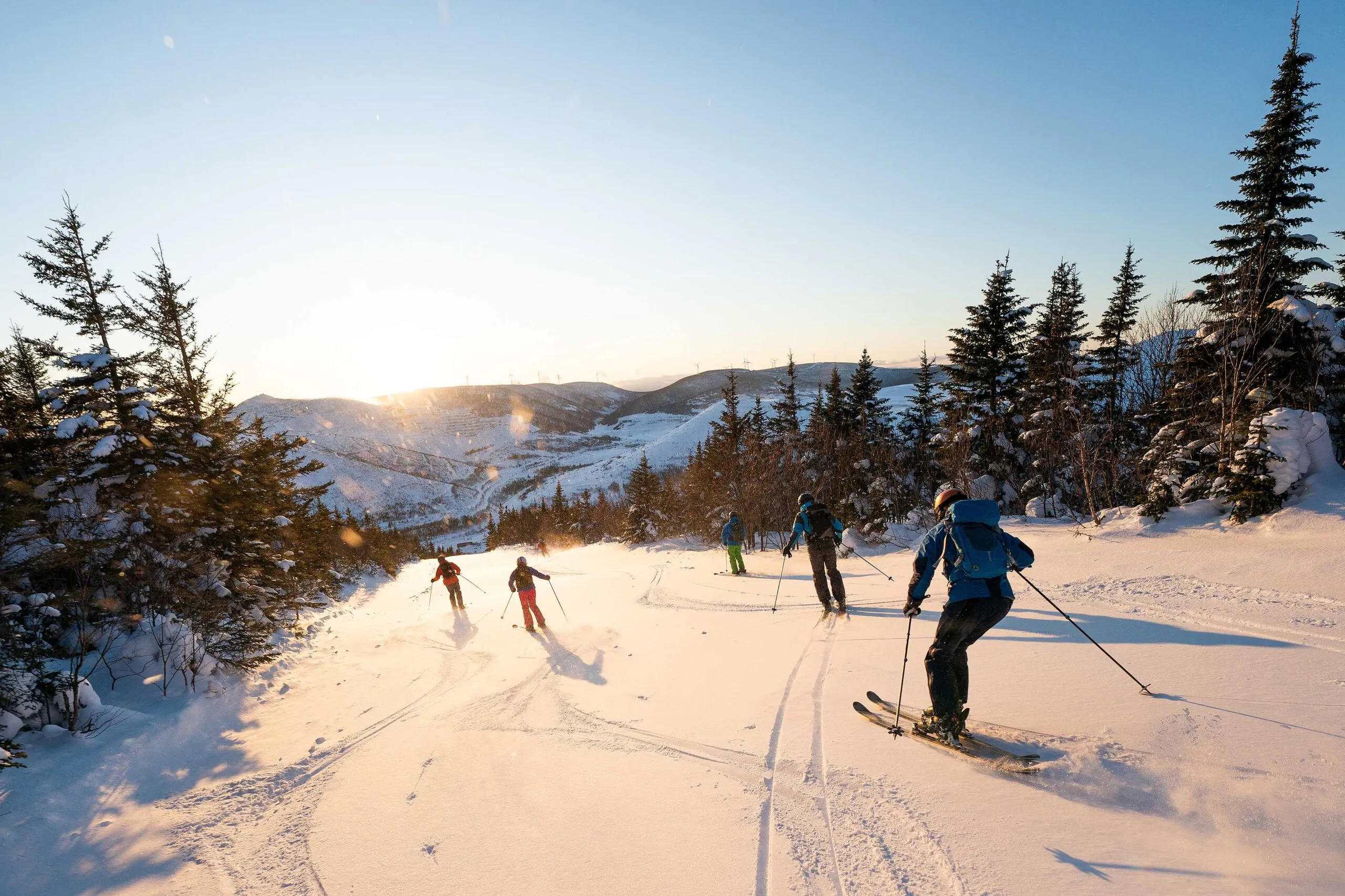
Skiing and snowboarding are exhilarating winter sports, but when resorts fail to maintain safe environments, the consequences can be devastating. If you or a loved one has been injured at a ski resort due to a hidden trail hazard, lift malfunction, or inadequate supervision, you may be entitled to compensation. Ski resorts have a legal duty to ensure their premises are reasonably safe for guests. When they breach this duty, they can be held accountable under premises liability laws.
At Billy Cooper Law, we understand the legal nuances involved in ski resort injury cases. From investigating unsafe conditions to challenging liability waivers, our firm is committed to helping injury victims pursue justice and recover the damages they deserve.
BILLY COOPER LAW

Why Choose Billy Cooper Law?
Choosing the right legal representation after a ski injury can significantly impact the outcome of your case. At Billy Cooper Law, we bring deep experience in premises liability and personal injury law, with a specific focus on winter sport accidents. Our legal team knows how ski resorts operate, where they often cut corners, and how to hold them accountable.
Our clients benefit from personalized legal strategies, aggressive negotiation with insurers, and—when necessary—litigation in court. We work on a contingency fee basis, which means you pay nothing unless we recover compensation for you. Whether you were injured in a lift accident or your child was harmed during ski school, our firm will handle every aspect of your claim while you focus on healing.
Ski Resort Premises Liability Explained
Ski resorts are legally classified as commercial property owners, which means they owe a duty of care to guests. This includes ensuring that their trails, lifts, lodges, and other facilities are maintained to a reasonable safety standard. Under premises liability law, ski resorts must:
- Warn guests about known hazards
- Maintain lifts and equipment according to safety standards
- Keep trails free of dangerous or hidden obstacles
- Supervise ski instruction and ski patrol staff appropriately
- Prevent overcrowding and reckless behavior on slopes
- Clear ice and snow from walkways and entry areas
When a resort fails in any of these areas and someone is injured as a result, the resort may be liable for the resulting damages. It’s important to understand that just because skiing is an inherently risky sport, not all injuries fall under “assumed risk.” Gross negligence, failure to warn, and equipment failure can open the door to legal liability.
Common Types of Injuries Sustained at Ski Resorts
Ski resort injuries can be severe and life-altering. Some injuries happen suddenly—such as a fall from a ski lift—while others may be caused by hidden dangers on the trail or faulty rental equipment. Common injuries we see in these cases include:
- Broken bones (legs, arms, wrists)
- Spinal cord injuries, including paralysis
- Traumatic brain injuries and concussions
- Knee and ligament injuries (ACL, MCL tears)
- Lacerations and deep tissue injuries from collisions
- Frostbite and exposure-related conditions
- Fatal injuries resulting in wrongful death claims
These injuries often require long-term rehabilitation, surgery, or result in permanent disability. If your injury was caused by a resort’s failure to maintain a safe environment or to adequately warn you of dangers, you may have grounds for a claim.
Filing a Claim Against a Ski Resort
Filing a claim against a ski resort begins with an investigation into the facts surrounding your injury. Your attorney will gather evidence such as photographs, witness statements, incident reports, maintenance logs, and medical records. In many cases, the ski resort may attempt to deny liability by pointing to a signed waiver or claiming your injury was part of the inherent risks of skiing.
An experienced premises liability attorney will evaluate whether the resort was negligent in its actions—or inactions—and whether that negligence caused your injury. The claim process typically involves:
- Documenting the injury and hazard
- Collecting all supporting evidence
- Filing a claim with the resort’s insurance company
- Negotiating a settlement or preparing for litigation if necessary
It’s critical to act quickly, as most states have strict statutes of limitations (often 1–3 years) for filing injury claims. Missing this window can bar you from seeking compensation altogether.
BILLY COOPER LAW
Compensation Available in Ski Resort Injury Cases
If your injury was the result of a ski resort’s negligence, you may be entitled to recover various forms of compensation through a settlement or court award. Compensation may include:
- Medical expenses (emergency care, surgery, rehab, medication)
- Lost wages due to time away from work
- Loss of future earning capacity if you’re permanently disabled
- Pain and suffering for physical and emotional distress
- Loss of enjoyment of life for changes to your lifestyle and independence
- Wrongful death damages if a loved one was fatally injured
The exact value of your claim will depend on the severity of your injuries, the cost of treatment, and the extent to which your life has been impacted. At Billy Cooper Law, we fight to ensure you receive the maximum compensation possible for your losses.
Child Injuries and Parental Waivers
Ski resorts often require parents to sign waivers on behalf of their children for ski lessons, equipment rentals, or general entry. However, in many states, these waivers are not enforceable when it comes to children, especially in cases of gross negligence or dangerous conditions. Courts often take a more protective stance when minors are involved.
If your child was injured due to inadequate supervision, poorly maintained equipment, or unsafe slope conditions, you may have a valid claim—even if a waiver was signed. We represent families in lawsuits involving ski school injuries, lift falls, and other incidents that result in serious harm to minors.
Ski Waivers: Are They Always Enforceable?
Many injured individuals assume that because they signed a waiver, they have no legal recourse. That’s not necessarily true. While waivers may protect ski resorts from claims arising from inherent risks, they often do not protect the resort from liability due to negligence.
A waiver may not be enforceable if:
- The injury resulted from gross or reckless negligence
- The resort failed to disclose a known hazard
- The waiver was vague or overly broad
- The injured person was a minor
- The injury was caused by faulty equipment or poor maintenance
At Billy Cooper Law, we closely review the terms of any waiver you signed and analyze the facts of your case to determine whether the waiver can be challenged in court.
How Billy Cooper Law Can Help
At Billy Cooper Law, we focus on helping injury victims hold ski resorts accountable for negligence. With deep experience in premises liability and winter sport accidents, we know where resorts cut corners—and how to build a strong case on your behalf.
Here’s What We Do:
- Investigate Thoroughly: We gather all evidence—photos, reports, maintenance records, and medical documentation—to prove negligence.
- Challenge Waivers: We review liability waivers and identify legal grounds to contest them, especially in cases involving minors or gross negligence.
- Handle Everything: From insurance negotiations to potential lawsuits, we manage the entire process so you can focus on healing.
- Fight for Full Compensation: We pursue maximum damages for medical costs, lost income, pain, suffering, and more.
- No Win, No Fee: You don’t pay us unless we win your case.
We’re here to protect your rights and help you recover. Contact us today for a free consultation.
New York Ski Accidents FAQs: Medical Care and Legal Claims
These answers address common ski accidents questions under New York law. The facts and applicable rules can change the answer. This is general information, not personal legal or medical advice.
Does assuming the risks of skiing prevent every injury claim?
No. New York law recognizes inherent skiing risks and imposes duties on both skiers and ski-area operators. The analysis depends on the specific hazard, conduct, warnings, and statutory duties.
A lift ticket or warning is not a universal release from every possible negligent act. The facts must be matched to Article 18 and other applicable law.
Sources: NY General Obligations Law §18-106: skier and operator duties; NY General Obligations Law §18-103: ski-area operator duties.
What duties does a New York ski-area operator have?
General Obligations Law Article 18 addresses trail marking, signs, lift operation, instruction information, and other specified operator duties.
A statutory violation is not assumed from an accident. Identify the trail, lift, condition, signage, time, weather, and operator conduct.
Sources: NY General Obligations Law §18-103: ski-area operator duties; NY General Obligations Law §18-106: skier and operator duties.
Can one skier be responsible for colliding with another?
Potentially. Speed, control, lookout, trail position, ability, warnings, and surrounding conditions may matter. The occurrence of a collision alone does not decide fault.
Exchange identifying information, obtain ski-patrol records, preserve witnesses and video, and document the location when safe.
Sources: NY General Obligations Law §18-106: skier and operator duties; U.S. HHS: Your medical records.
What evidence matters after a chairlift or surface-lift injury?
Keep the lift name, tower or loading area, time, operator observations, witnesses, photographs, ticket or pass, and ski-patrol report.
Maintenance and operational records may require prompt lawful preservation. Do not interfere with equipment or official investigation.
Sources: NY General Obligations Law §18-103: ski-area operator duties; U.S. HHS: Your medical records.
Can an unusual trail or snow condition support a claim?
Possibly, but many surface, weather, terrain, and skier-related conditions can be inherent risks. The question is whether the condition and operator conduct fall within applicable duties and defenses.
Photograph the exact location, signs, boundary, visibility, and grooming condition when safe. A bad outcome is not proof of negligence.
Sources: NY General Obligations Law §18-106: skier and operator duties; NY General Obligations Law §18-103: ski-area operator duties.
What if rented skis or bindings failed?
A rental shop, manufacturer, maintenance provider, or user conduct may require investigation. A malfunction alone does not establish a design, manufacturing, or service defect.
Preserve the equipment, rental agreement, settings, receipt, and photographs without adjusting or testing it. Obtain appropriate technical review.
Sources: Adams v. Genie Industries, NY Court of Appeals (2010); Cornell LII Bulletin: Speller v. Sears and circumstantial proof of a defect.
Should I seek care after hitting my head while skiing?
Yes, obtain medical advice after a concerning impact. Seek emergency help for worsening headache, repeated vomiting, seizure, weakness, marked confusion, or difficulty waking.
A helmet does not rule out concussion. Follow individualized return-to-sport guidance and avoid another head impact during recovery.
Sources: CDC: Concussion symptoms and emergency warning signs; CDC: What to do after a mild traumatic brain injury or concussion.
Does signing a ski-area waiver automatically end the claim?
Not automatically. Enforceability and scope depend on the document, transaction, claim, and governing law. Article 18 duties also require analysis.
Keep the original ticket, pass, rental or lesson agreement, and electronic acceptance records. Do not assume a waiver is either worthless or conclusive.
Sources: NY General Obligations Law §18-106: skier and operator duties; NY General Obligations Law §18-103: ski-area operator duties.
How long do I have to bring a ski-accident claim?
Many negligence claims have a three-year period, but public entities, out-of-state incidents, contracts, minors, and wrongful death can change deadlines.
Ski-area reporting does not necessarily preserve a lawsuit. Evidence may disappear before the filing period expires.
Sources: NY CPLR §214: personal-injury filing periods; NY CPLR §208: infancy and disability tolls; NY EPTL §5-4.1: wrongful-death action and filing period.
How is a ski-injury settlement evaluated?
Evaluation combines duties, inherent-risk defenses, fault evidence, medical causation, prognosis, lost earnings, future needs, and pain and suffering.
A fracture or lift ticket price is not a formula. Review waivers, insurance, liens, fees, expenses, and the release before settlement.
Sources: NY CPLR §4111: past and future injury damages; New York Rules of Professional Conduct, Rule 1.5: fees and expenses; NY General Obligations Law §18-106: skier and operator duties.
Contact Billy Cooper Law Today
If you’ve been injured at a ski resort and suspect negligence played a role, don’t assume you’re out of options. From challenging waivers to proving unsafe conditions, Billy Cooper Law provides comprehensive legal support for injury victims and their families.
We offer free consultations, and you won’t pay legal fees unless we win your case. Time is limited—contact us today to protect your rights and begin your path to recovery.
BILLY COOPER LAW



Get the Answers You Need
At Billy Cooper Law, every day we renew our pledge to help injured people get the justice and compensation they deserve. We have a reputation throughout New York and nationally for standing up for our clients, and we take that responsibility seriously by approaching every case with preparation, persistence, and an unwavering commitment to results.