


New York Catastrophic Injury Lawyer
Video Transcript
So catastrophic injuries can mean different things to different people and different families.
We have represented people who have been mistakenly shot by the police that have become triplegic as a result.
We’ve represented people who have been inside of tanks that needed to be cleaned and were given improper flammable liquids and were burned over 80% of their body.
It’s devastating not only to the individual, but to that person’s family and loved ones.
Regardless of the case or the potential value, while we will maximize and get the most possible, we will always treat you as a human and know that a catastrophic injury is catastrophic to you, your family, and your loved ones.
A catastrophic injury doesn’t just hurt — it transforms everything. Your health, your career, your independence, your relationships, and your future plans can change in a matter of seconds. These are the injuries that demand lifelong care, extensive rehabilitation, and financial resources most families never imagined needing.
When someone else’s negligence caused a life-altering injury, you deserve a law firm that understands both the legal and human stakes. At Billy Cooper Law, we represent catastrophic injury victims throughout White Plains, Westchester County, Rockland County, the Bronx, and the greater NYC region — while building cases strong enough to stand anywhere in the country.
Our mission is simple: Help you rebuild, recover, and reclaim the resources your future now requires.
BILLY COOPER LAW

Trial Excellence in High-Stakes Cases
Catastrophic injury cases require attorneys who can translate complex medical evidence into compelling courtroom narratives. Lead trial counsel William H. Cooper has secured over $41 million in verdicts and settlements by combining medical expertise with aggressive trial advocacy, including a landmark $41 million recovery for a birth injury client.
As a Super Lawyers honoree and CLE presenter on catastrophic injury litigation, Billy brings sophisticated trial strategies to every case. His approach builds on founding partner Marvin A. Cooper’s legislative expertise while incorporating modern litigation techniques, medical technology understanding, and cutting-edge damage calculations.
What Is Considered a Catastrophic Injury?
A catastrophic injury is any injury that causes long-term or permanent disability, significantly impacting your ability to live, work, and function as you once did. These injuries typically require:
- Ongoing medical care
- Lifelong rehabilitation
- Specialized equipment or assistive devices
- Home modifications
- Vocational retraining
- Psychological or emotional support
At Billy Cooper Law, we handle the full spectrum of catastrophic injury cases, including:
- Spinal cord injuries (paralysis, quadriplegia, paraplegia)
- Traumatic brain injuries (mild, moderate, severe TBI)
- Amputations and loss of limb
- Severe burns, electrocutions, and thermal injuries
- Loss of sight or hearing
- Severe disfigurement or facial trauma
- Profound psychological trauma (PTSD, chronic depression, anxiety disorders)
- Nerve damage and chronic pain syndromes
These cases require a heightened level of legal skill, medical understanding, and strategic foresight — and that’s exactly what our firm delivers.
Spinal Cord Injuries (SCI)
A spinal cord injury can result in partial or total loss of movement, sensation, or bodily function — fundamentally altering a person’s independence and daily life. Common causes include motor vehicle collisions, falls, sports injuries, workplace accidents, and acts of violence.
The consequences extend far beyond the initial trauma:
Common Long-Term Effects of SCI
- Paralysis (paraplegia or quadriplegia)
- Loss of bladder and bowel control
- Respiratory complications
- Muscle spasms and chronic pain
- Pressure sores and infection risks
- Mental health impacts including depression, anxiety, and grief
- Increased medical costs over a lifetime
Families also experience tremendous emotional and financial strain, often taking on the demands of long-term caregiving.
Our Approach to Spinal Cord Injury Cases
1. Thorough Investigation
We reconstruct the event, examine evidence, and identify every responsible party — from negligent drivers to unsafe property owners to manufacturers of defective products.
2. Medical Collaboration
Our team works with neurosurgeons, physiatrists, rehabilitation specialists, and life-care planners to accurately assess long-term medical needs and future costs.
3. Aggressive Legal Representation
We pursue compensation for medical care, adaptive devices, home modifications, lost income, and lifelong support — negotiating firmly and litigating when necessary.
4. Personalized Client Care
We support families through the entire journey, helping them access the resources needed for recovery and long-term stability.
Traumatic Brain Injuries (TBI)
A brain injury can affect every part of a person’s life: memory, mobility, personality, relationships, mood, and the ability to work or care for oneself. TBIs often result from car accidents, falls, sports impacts, and assaults.
Common Symptoms of TBI
- Cognitive impairment (memory loss, confusion, difficulty concentrating)
- Emotional volatility (mood swings, irritability, depression)
- Physical challenges (headaches, dizziness, impaired coordination)
- Behavioral changes
- Speech and language difficulties
The recovery process is unpredictable and often lifelong, requiring specialized medical care.
Our Approach to TBI Cases
1. Expert Neurological Evaluation
We collaborate with neurologists, neuropsychologists, and cognitive specialists to assess the full impact of the injury.
2. Comprehensive Case Building
We compile medical records, witness statements, expert testimony, and neurocognitive assessments to clearly demonstrate the injury’s effect on daily life and long-term function.
3. Strategic Advocacy
We negotiate with insurers who routinely undervalue brain injuries — and we are ready to litigate when necessary.
4. Ongoing Support
Because TBI recoveries can span years, we ensure our clients have access to therapists, rehabilitation programs, and long-term resources.
BILLY COOPER LAW
Burn Injuries and Electrocutions
Burn injuries and electrocutions are among the most painful and traumatic injuries a person can endure. These injuries often require:
- Multiple surgeries
- Skin grafts
- Infection management
- Long-term hospitalization
- Physical and occupational therapy
The emotional and psychological impact can be equally severe, especially when disfigurement or visible scarring is involved.
Long-Term Consequences May Include:
- Permanent scarring
- Loss of mobility
- Nerve damage
- PTSD and anxiety
- Chronic pain
- Loss of strength or function
Our Approach to Burn and Electrocution Cases
- Detailed investigation into the cause of the burn or electrocution
- Collaboration with burn specialists to understand the full scope of injuries
- Aggressive pursuit of compensation for surgeries, rehabilitation, lost income, and emotional harm
- Continuous support for clients and families throughout the lengthy recovery process
Amputations and Loss of Limb
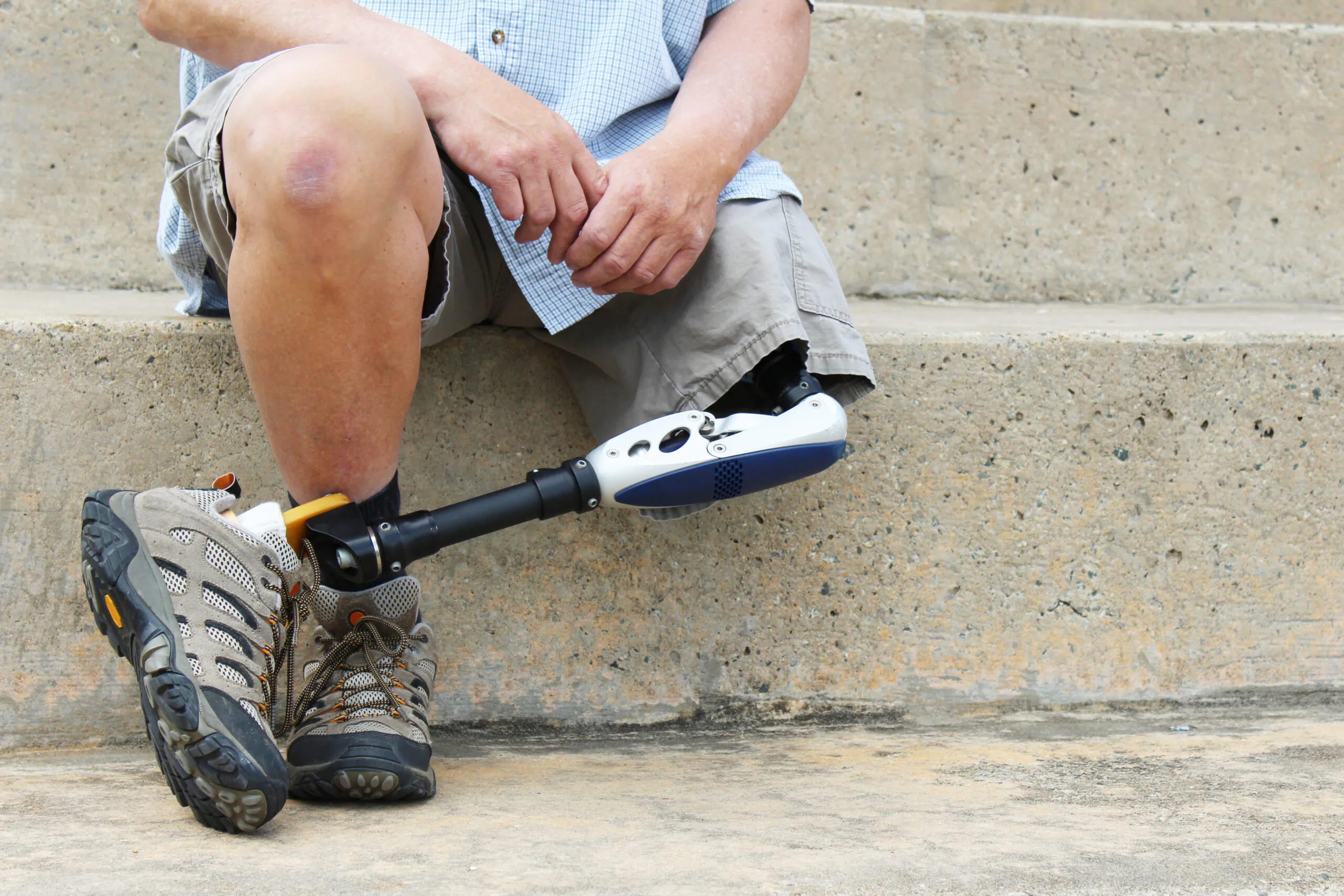
An amputation is a catastrophic, life-changing injury with long-term physical, emotional, and financial consequences. Victims often require:
- Multiple surgeries
- Prosthetics and prosthetic maintenance
- Physical therapy and gait training
- Psychological support
- Home modifications
- Long-term medical follow-up
Our Approach to Amputation Cases
- Comprehensive case evaluation to determine liability
- Medical and vocational experts to assess long-term needs
- Aggressive representation for maximum compensation
- Holistic support to help clients adapt to new challenges and regain independence
Disfigurement and Facial Injuries
Facial and bodily disfigurement can lead to physical limitations and significant emotional trauma. These injuries frequently require:
- Reconstructive surgery
- Scar revision procedures
- Long-term counseling
- Community and social support
Our Approach
We work with plastic surgeons, mental health specialists, and rehabilitation experts to build a comprehensive case that reflects both the physical and emotional toll of these injuries.
Loss of Sight or Hearing
Losing vision or hearing dramatically alters a person’s sense of independence and ability to navigate the world. These cases often involve:
- Assistive technologies
- Sensory rehabilitation
- Emotional and psychological support
- Significant lifestyle adaptations
Our Approach
We identify all liable parties, calculate lifelong needs, and advocate for compensation that reflects the magnitude of this life-altering loss.
Profound Emotional or Psychological Injury
Catastrophic injuries often come with catastrophic trauma. Victims may experience:
- PTSD
- Depression
- Severe anxiety
- Loss of enjoyment of life
- Chronic emotional distress
We work closely with psychologists and psychiatrists to demonstrate the long-term impact and secure compensation for therapy, medication, and emotional suffering.
Nerve Damage and Chronic Pain Conditions
Nerve injuries can affect mobility, sensation, and daily function — often permanently. Chronic pain can be debilitating and typically requires:
- Pain management specialists
- Medication and injections
- Physical therapy
- Long-term medical monitoring
Our Approach
We investigate the full scope of the injury, collaborate with medical experts, and pursue compensation for pain management, reduced earning capacity, and necessary lifestyle adjustments.
Why Choose Billy Cooper Law for Your Catastrophic Injury Case?
Deep Experience with Complex Injuries
We handle high-stakes, medically complex cases that require expert strategy and intensive preparation.
Client-First Philosophy
Your needs guide the strategy. Your goals shape the plan. Your recovery drives everything we do.
Comprehensive Resources
We partner with leading medical specialists, rehabilitation experts, life-care planners, and financial analysts to build the strongest case possible.
Relentless Advocacy
Insurance companies minimize serious injuries. We don’t let them. We pursue full, fair, and future-focused compensation — and we don’t back down.
New York Catastrophic Injury FAQs: Medical Care and Legal Claims
These answers address common catastrophic injury questions under New York law. The facts and applicable rules can change the answer. This is general information, not personal legal or medical advice.
What makes an injury catastrophic rather than simply serious?
“Catastrophic” commonly describes an injury with profound or lasting effects on independence, work, mobility, communication, or daily care. Examples can include major brain or spinal cord injury, amputation, or severe burns. It is not a single diagnosis that automatically establishes liability or a fixed award.
The practical questions are what functions were lost, what recovery is expected, and what assistance will be needed. In a covered motor-vehicle claim, the separate statutory serious-injury threshold may also matter. Medical severity and the legal requirements should be evaluated separately.
Sources: NIH/NINDS: Spinal cord injury and rehabilitation; NIH MedlinePlus: Burns; NY Insurance Law §5102: no-fault and serious-injury definitions.
How are future medical care and lifelong assistance documented?
A future-care claim should be grounded in the injured person’s medical condition, prognosis, and reasonably anticipated needs. Relevant costs may include rehabilitation, medication, equipment replacement, accessible housing changes, and personal assistance when supported by the evidence.
Treating professionals and appropriate experts can explain the type, frequency, and duration of care. New York’s itemized-damages rules distinguish past from future losses; a large round number without an evidentiary basis is not a substitute for that analysis. Needs can change as recovery progresses.
Sources: NY CPLR §4111: past and future injury damages; NIH/NINDS: Spinal cord injury and rehabilitation.
Can a brain injury have lasting effects even if the person looks physically well?
Yes. Brain-injury symptoms can involve memory, concentration, sleep, mood, and behavior as well as physical symptoms. An outwardly normal appearance does not establish that someone has recovered. New or worsening symptoms should be discussed with a healthcare professional.
Records of specialist assessments and concrete changes in daily functioning can be important. A study of PTSD after road-traffic crashes also documents psychological harm in survivor populations; it cannot diagnose a particular person or prove legal causation. Avoid treating population findings as an individual prognosis.
Sources: CDC: Concussion symptoms and emergency warning signs; Medicine (2018): PTSD after road-traffic accidents, meta-analysis; U.S. HHS: Your medical records.
Is paralysis after a spinal cord injury always permanent?
Not every spinal cord injury has the same outcome. The location and extent of the injury influence the pattern of impairment, and rehabilitation needs vary. An early description such as “complete” or “incomplete” requires interpretation by the treating team, not an online prediction.
For a legal claim, keep the neurological assessments, rehabilitation plans, equipment recommendations, and updated prognosis. Do not assume either full recovery or lifelong total dependence without medical support. Future damages should reflect the evidence available for that individual.
Sources: NIH/NINDS: Spinal cord injury and rehabilitation; NY CPLR §4111: past and future injury damages.
Can the need for help at home be part of a catastrophic injury claim?
Potentially. Necessary assistance with personal care, transportation, household tasks, or accessibility can be relevant when it results from the injury and is legally recoverable. The need should be documented rather than assumed from the diagnosis alone.
Keep a factual record of the tasks performed, the time involved, expenses, and professional recommendations. Unpaid family help does not automatically establish a particular reimbursable amount. Medical and legal review should distinguish the injured person’s recoverable needs from separate family claims and avoid counting the same loss twice.
Sources: NY CPLR §4111: past and future injury damages; NIH/NINDS: Spinal cord injury and rehabilitation.
How is lost earning capacity different from wages already missed?
Missed wages concern income already lost. Reduced earning capacity concerns the injury’s effect on the ability to earn in the future, which can remain an issue even if the person returns to a lower-paid or less demanding job.
Payroll and tax records, work history, qualifications, physical or cognitive restrictions, and a supported prognosis can help establish the difference. Future estimates may require vocational and economic analysis. A return to work is important evidence, but it does not automatically resolve every future-loss question.
Sources: NY CPLR §4111: past and future injury damages; Cullen et al., Journal of Occupational Rehabilitation (2018): return-to-work systematic review.
What if the person already had a disability or medical condition?
A pre-existing condition does not answer the whole claim. The analysis should distinguish the person’s condition before the incident from new injury or worsening attributed to it. Complete records are usually more helpful than leaving out an earlier diagnosis.
Provide relevant prior and current records, baseline work and daily activities, and the treating clinician’s explanation of any change. The claim must support the losses caused by the event; it should not assign every symptom or future expense to the accident without evidence.
Sources: U.S. HHS: Your medical records; NY CPLR §4111: past and future injury damages.
Do catastrophic injuries give me more time to file a lawsuit?
Not automatically. The seriousness of an injury does not by itself replace the filing period that applies to the underlying claim. Many New York negligence actions have a three-year period; medical-malpractice and public-entity claims can have different, earlier requirements.
Specific disability or infancy tolls may apply, but hospitalization, rehabilitation, or being unable to work should not be assumed to extend every deadline. A family member can seek legal guidance promptly while the injured person receives care.
Sources: NY CPLR §214: personal-injury filing periods; NY CPLR §214-a: medical-malpractice deadlines and exceptions; NY CPLR §208: infancy and disability tolls; NY General Municipal Law §50-e.
What if more than one person caused the catastrophic injury?
Investigators may need to assess several parties and separate acts, such as a driver’s conduct, a property condition, or a defective product. The involvement of several parties does not eliminate the need to prove each party’s legal responsibility and connection to the injury.
The injured person’s own fault may affect recovery. New York’s general comparative-fault rule and its current Article 51 motor-vehicle exception are different. A case-specific analysis should identify the applicable rule and avoid assuming every severe injury claim follows the same formula.
Sources: NY CPLR §1411: comparative fault; Enacted 2026 budget, Part EE: applicability of motor-vehicle changes.
Why should a catastrophic injury settlement account for more than current medical bills?
Current bills may capture only a small part of a lasting injury. Supported future care, equipment, assistance, reduced earning ability, and pain and suffering can be important components. The costs and needs should be reviewed before accepting a final release.
Ask whether the medical outlook is sufficiently developed, how future needs were calculated, and how liens, fees, and expenses affect the proposed payment. A settlement comparison or online calculator cannot replace that individualized evaluation, and no recovery can be promised.
Sources: NY CPLR §4111: past and future injury damages; New York Rules of Professional Conduct, Rule 1.5: fees and expenses.
Contact Billy Cooper Law Today
If you or a loved one has suffered a catastrophic injury, you deserve a law firm that understands the gravity of your situation and has the experience to fight for your future.
Contact us today for a free consultation.
We’ll explain your rights, explore your options, and begin building the comprehensive legal support you need to move forward.



Get the Answers You Need
At Billy Cooper Law, every day we renew our pledge to help injured people get the justice and compensation they deserve. We have a reputation throughout New York and nationally for standing up for our clients, and we take that responsibility seriously by approaching every case with preparation, persistence, and an unwavering commitment to results.