

Chelsea NY Personal Injury Lawyer
An injury in Chelsea can leave you dealing with pain, missed work, medical appointments, and calls from insurance adjusters—all while you are still trying to understand what happened.
Billy Cooper Law represents injured people throughout Manhattan and the greater New York City area. The firm investigates how an accident happened, identifies the people and organizations that may be responsible, and explains what you can do next in plain English. (billycooperlaw.com)

Manhattan Communities We Serve
- New York County
- Manhattan
- Upper East Side
- Upper West Side
- Washington Heights
- East Harlem
- Harlem
- Inwood
- Midtown
- Chelsea
- Greenwich Village
- Lower East Side
- Financial District
You Should Know Who Is Handling Your Case
A serious injury claim may require much more than sending medical records to an insurance company. Disputed fault, multiple defendants, government agencies, and long-term medical needs can all change how a case should be prepared.
Billy Cooper Law brings more than 75 years of combined experience to that work. William “Billy” Cooper began practicing in 1991 and became the firm’s lead trial counsel after working alongside his father, who founded the practice in 1960. Attorney Anieska Garcia has been part of the firm for more than 20 years and is fluent in English and Spanish. Billy Cooper was selected to Super Lawyers from 2024 through 2026. (billycooperlaw.com)
Those credentials matter because your lawyer may need to question witnesses, understand complicated medical evidence, respond to an insurer’s version of events, and prepare the case as though it may ultimately be tried.
The firm offers free consultations. You can ask questions before deciding whether to move forward.
Why Chelsea Injury Cases Require a Local Investigation
Chelsea places pedestrians, cyclists, delivery workers, buses, rideshare vehicles, construction crews, and private motorists in the same limited space.
A driver may be watching for a bike lane while turning across a crowded crosswalk. A delivery truck may block a sight line. A building renovation may redirect pedestrians into the street. Crowds near the High Line, Chelsea Market, galleries, hotels, and subway entrances can form quickly and then disappear before an investigator arrives.
The ownership questions can also be complicated. An accident may involve a building owner, commercial tenant, property manager, general contractor, subcontractor, delivery company, transit authority, or government agency. A lawyer needs to determine who controlled the location rather than assuming the most visible party was legally responsible.
The broader community district containing much of Chelsea extends west of Sixth Avenue below West 26th Street, while the NYPD’s 10th Precinct covers Chelsea together with Hell’s Kitchen South and Hudson Yards. Those overlapping boundaries matter when requesting police, property, transportation, and agency records. (nyc.gov)
A Local Accident Snapshot
The NYPD’s December 2024 report for the 10th Precinct provides a useful snapshot of the traffic risks in and around Chelsea. The precinct recorded:
- 72 motor vehicle collisions
- 25 collisions involving an injury
- 29 people injured
- 13 vehicles associated with passing too closely in injury collisions
- 10 vehicles associated with failure to yield in injury collisions
The precinct is broader than Chelsea, but the numbers show how often cars, commercial vehicles, cyclists, and pedestrians come into conflict in this part of Manhattan. (a860-gpp.nyc.gov)
A separate NYC Department of Transportation report identified seven bicycle-pedestrian crashes in the 10th Precinct during 2024, each involving a pedestrian injury. That is a reminder that not every serious street injury involves a conventional motor vehicle. (nyc.gov)
Where Serious Injuries Happen in Chelsea
Some Chelsea accidents happen at major intersections, but many occur in places people do not initially think of as dangerous.
Avenue intersections and bike-lane crossings
Eighth, Ninth, and Tenth avenues carry substantial traffic through the neighborhood. Protected bike lanes improve separation along portions of these corridors, but intersections still require drivers to look for pedestrians and cyclists before turning. NYC DOT recently extended the protected Tenth Avenue route south through Chelsea, changing turning and crossing patterns along the corridor. (nyc.gov)
Loading zones and curbside activity
Chelsea’s restaurants, stores, construction projects, galleries, and residential buildings depend on frequent deliveries. Trucks and vans may obstruct signs, bike lanes, crosswalks, or a driver’s view. Delivery records and commercial vehicle data may become important when the driver leaves before anyone obtains complete information.
Sidewalks, storefronts, and building entrances
Broken pavement, cellar doors, construction materials, accumulated ice, defective stairs, poor lighting, and wet floors can cause serious falls. The key question is often who created the condition, who knew about it, and who had responsibility for inspecting or repairing it.
Construction and renovation sites
New construction is not the only source of worksite injuries. Interior renovations, façade work, scaffolding, demolition, elevator projects, and building maintenance can expose workers and members of the public to falling objects, unsafe ladders, electrical hazards, and poorly secured work areas.
Subway stations, buses, and platforms
Falls on stairs or platforms, sudden bus movements, defective surfaces, and collisions involving transit vehicles may raise claims against contractors or public authorities. These cases can have deadlines and procedural requirements that differ from an ordinary negligence claim.
Personal Injury Cases Billy Cooper Law Handles
The firm represents clients in matters involving:
- Car accidents
- Pedestrian accidents
- Bicycle accidents
- E-bike accidents
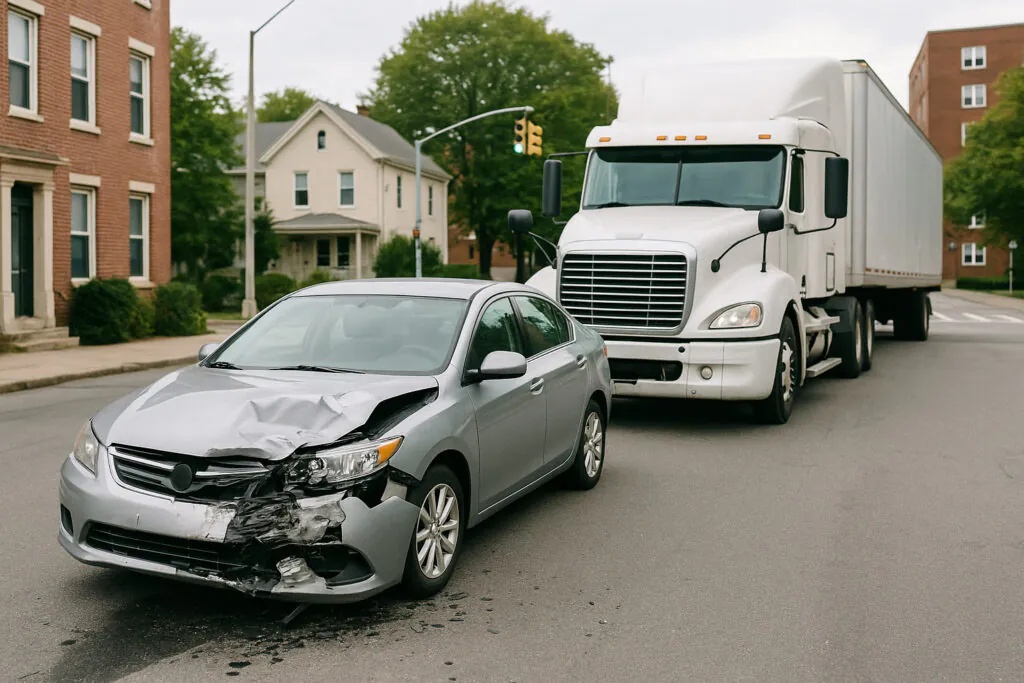
- Truck and commercial vehicle accidents
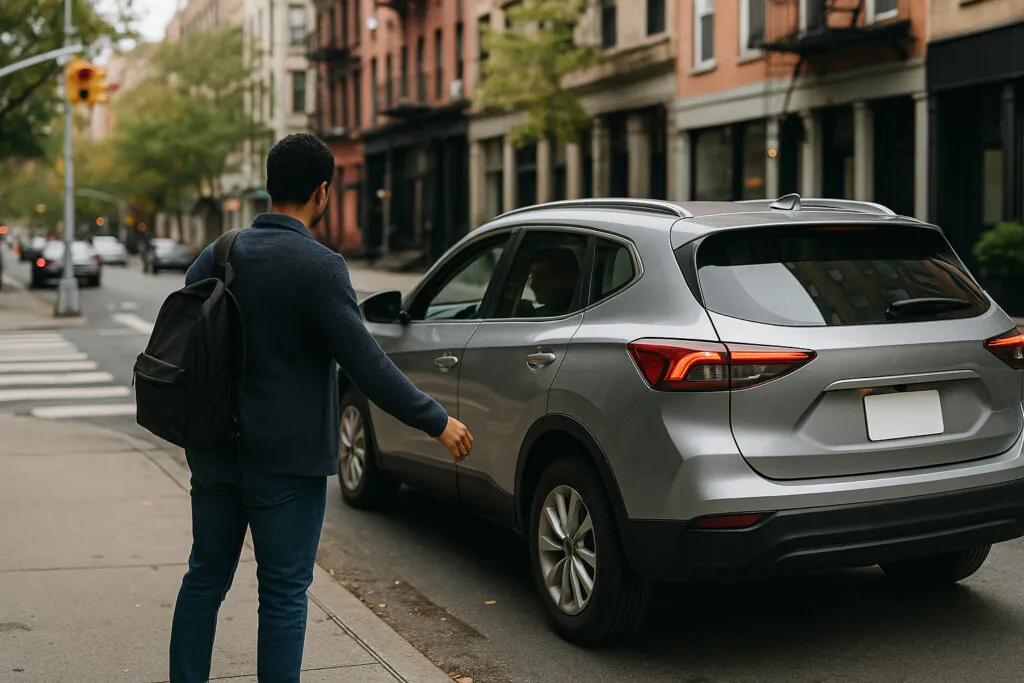
- Uber and Lyft accidents
- Subway accidents
- Construction accidents
- Premises liability and slip-and-fall accidents
- Work accidents
- Medical malpractice
- Defective products
- Catastrophic injuries
- Wrongful death
What to Do After an Accident
Your health comes first. Get appropriate medical attention, even if you initially believe the injury will improve on its own. Head injuries, spinal injuries, fractures, and internal injuries are not always obvious at the scene.
When possible:
- Report the accident. Call 911 after a traffic collision or serious emergency. Report a fall or other property accident to the owner, manager, or security desk.
- Photograph the scene. Include the condition that caused the accident, the surrounding area, signs, traffic signals, vehicles, and visible injuries.
- Collect contact information. Get the names and phone numbers of witnesses before they leave.
- Identify the businesses and buildings nearby. Their cameras may have recorded what happened.
- Keep your clothing, footwear, bicycle, helmet, or damaged property. Do not repair or discard potential evidence.
- Follow medical recommendations. Keep appointments and explain all symptoms accurately.
- Be cautious with insurance calls. You can provide necessary reporting information without guessing, minimizing your injuries, or agreeing to a recorded statement before understanding why it is being requested.
If you are physically unable to gather evidence, ask a family member to preserve what they can. A lawyer may also be able to send preservation notices before recordings or business records are deleted.
Evidence That Can Change the Outcome
In a Chelsea case, useful evidence may include:
- NYPD collision reports and 911 records
- Storefront, residential building, hotel, and construction-site video
- Bus, subway, taxi, rideshare, or commercial vehicle recordings
- Vehicle event data and dashcam footage
- Delivery routes, dispatch records, and electronic logs
- Citi Bike, e-bike, or app-based trip information
- Building inspection and repair records
- Cleaning, snow removal, and maintenance logs
- Construction permits, daily reports, and safety records
- 311 complaints and prior reports of a dangerous condition
- Photographs showing lighting, visibility, signs, and street design
- Medical records documenting when symptoms began
- Wage records showing how the injury affected your work
Video is especially time-sensitive. A camera that captured the accident may record over the footage within days. Identifying the correct property owner or business quickly can make the difference between preserving the recording and losing it.
New York Deadlines and Insurance Rules
The general personal injury deadline
Many New York negligence claims must be filed within three years of the injury under CPLR § 214. Different periods apply to medical malpractice, wrongful death, government claims, and certain other cases. (nysenate.gov)
The filing deadline is not a safe period for waiting. Witnesses become harder to locate, video disappears, and dangerous conditions are repaired or changed.
No-fault deadlines after a vehicle accident
New York no-fault insurance can cover qualifying medical expenses and lost earnings without first deciding who caused the collision. The usual deadlines are much shorter than the lawsuit deadline:
- Written notice of the claim generally must be submitted within 30 days
- Medical bills generally must be submitted within 45 days of treatment
- Lost-earnings claims generally must be submitted within 90 days
A late submission may be considered if there is clear and reasonable justification, but it is safer to begin the process promptly. (dfs.ny.gov)
The 2026 motor vehicle law changes
New York changed important rules governing motor vehicle injury cases effective May 26, 2026. The amendments apply to actions and proceedings commenced on or after that date.
Under the new CPLR § 1411(b), an injured claimant in a personal injury action governed by New York’s no-fault law may be barred from recovery if the claimant’s fault is greater than the fault of the defendant—or the defendants combined. In practical terms, being found more than 50% responsible can now end a covered motor vehicle injury claim. (nysenate.gov)
The same legislation revised New York’s “serious injury” definition, including removal of the former 90-out-of-180-day category. It also requires fault to be decided before the serious-injury issue in covered actions. Because the reforms are tied to when an action is commenced, the timing of a lawsuit may matter even when the collision happened before May 26, 2026. (dfs.ny.gov)
What If You Were Partly at Fault?
Fault is rarely as simple as an insurance adjuster’s first conclusion.
A driver may claim a pedestrian entered the crosswalk unexpectedly. A property owner may argue that a dangerous condition was open and obvious. A contractor may blame another company working at the site. Those arguments should be tested against video, measurements, witness testimony, records, and the applicable safety rules.
For most non-vehicle personal injury cases, New York’s comparative negligence law generally reduces compensation according to the injured person’s share of responsibility rather than automatically eliminating the claim. The new 2026 rule is different for personal injury actions governed by the motor vehicle no-fault law: fault greater than 50% can bar recovery. (nysenate.gov)
Do not assume that receiving a ticket, apologizing at the scene, or being accused of inattention decides the case. Those facts may be relevant, but they are not a substitute for a complete investigation.
BILLY COOPER LAW
Who May Be Responsible?
Depending on what happened, a claim may involve:
- A negligent driver
- A vehicle owner
- An employer whose worker was driving
- A trucking or delivery company
- A rideshare company or its insurer
- A building owner
- A commercial tenant
- A property management company
- A maintenance or cleaning contractor
- A general contractor or subcontractor
- A product manufacturer or distributor
- A medical provider
- New York City
- A transit or other public authority
More than one party may share responsibility. Identifying every defendant matters because each party may hold different evidence and carry separate insurance coverage.
Compensation After a Serious Injury
Compensation depends on the evidence, available insurance, the effect of the injury, and the degree of fault. A claim may include:
- Past and future medical expenses
- Lost wages
- Reduced future earning ability
- Rehabilitation and therapy
- Home health or personal care
- Medical equipment and home modifications
- Pain and suffering
- Emotional and psychological harm
- Scarring or disfigurement
- Loss of mobility or independence
- Damage to a vehicle, bicycle, or other property
- Funeral expenses and qualifying family losses in a wrongful death case
An early settlement offer may account for current bills without addressing future surgery, chronic pain, reduced earning capacity, or long-term assistance. Before resolving a case, the medical picture and insurance coverage should be understood as fully as possible.
Claims Involving New York City or a Public Authority
A claim against New York City usually requires a formal notice of claim within 90 days. A lawsuit generally must then be filed within one year and 90 days of the incident. The notice must contain enough information to identify where, when, and how the injury happened. (nysenate.gov)
These rules may become relevant when an accident involves:
- A City-owned vehicle
- A dangerous street or traffic condition
- A municipal building
- A public hospital
- City construction or maintenance work
- A government employee acting within the scope of employment
A sidewalk fall does not automatically make the City responsible. Depending on the property and condition, the adjacent owner, tenant, contractor, or another entity may have the relevant maintenance duty.
Transit cases require particular care. The MTA, New York City Transit Authority, and other public entities are legally distinct, and filing a claim with one does not necessarily preserve a claim against another. If a government or transit agency may be involved, do not wait to determine which procedures apply.
Local Courts, Medical Facilities, and Agencies
Personal injury cases arising in Chelsea may be filed in the Supreme Court, Civil Branch, New York County. That court’s main courthouse is at 60 Centre Street, and most covered cases are filed electronically. The New York City Civil Court can hear money-only civil cases involving up to $50,000, while higher-value injury cases are generally handled in Supreme Court. (nycourts.gov)
Nearby emergency facilities include NYC Health + Hospitals/Bellevue and Lenox Health Greenwich Village. Where you receive treatment does not determine where a lawsuit must be filed, but complete records from every treating provider are important.
Local records may also come from:
- The NYPD 10th Precinct
- The New York City Department of Transportation
- The New York City Department of Buildings
- The New York City Comptroller
- The MTA or New York City Transit Authority
- Manhattan Community Board 4
A police report or agency record can help identify witnesses and conditions, but it does not automatically decide who was legally at fault.
How Billy Cooper Law Investigates a Case
The investigation begins with your account. Where were you going? What did you see? What happened immediately afterward? Who spoke to you? Which injuries appeared first, and how have they changed?
From there, the firm may:
- Identify every potentially responsible person or organization.
- Request reports, records, video, and insurance information.
- Examine the accident scene and surrounding properties.
- Interview witnesses.
- Review applicable traffic, property, workplace, or safety rules.
- Organize medical evidence and document how the injury affects daily life.
- Calculate lost income and anticipated future needs.
- Respond to efforts by insurers or defendants to shift responsibility.
- Prepare the claim for negotiation, litigation, or trial.
Billy Cooper describes preparation as central to the firm’s approach. That matters when the other side has lawyers, investigators, and insurance professionals working on the case from the beginning. (billycooperlaw.com)
Frequently Asked Questions
Should I talk to the insurance adjuster?
You should report the accident when required, but you do not have to guess about fault or minimize your injuries. Be especially careful with recorded statements and broad medical authorizations. You can ask why information is being requested and speak with a lawyer before providing more than basic claim details.
What if I did not take photographs?
Your case may still be investigated. Police records, witnesses, surveillance video, inspection records, building files, and photographs taken by others may help. The sooner the location is identified, the better the chance of finding evidence.
Can I bring a claim if I was hit while walking or riding a bicycle?
Possibly. Pedestrians and cyclists injured by motor vehicles may have access to no-fault benefits as well as a liability claim, depending on the injuries and circumstances. The 2026 comparative-fault and serious-injury rules may apply, making early evidence particularly important. (dfs.ny.gov)
Who pays if I slipped on a Chelsea sidewalk?
Responsibility may depend on who owned the adjoining property, who controlled the area, what caused the defect, whether anyone created it, and whether there was prior notice. The City is not automatically responsible for every sidewalk condition.
What if the driver left the scene?
Report the crash promptly and obtain the police report number. Video, witnesses, license-plate information, vehicle fragments, and uninsured-motorist coverage may provide possible paths forward.
How long will my case take?
It depends on the severity of the injury, treatment, number of defendants, insurance coverage, and whether liability is disputed. Resolving the case before the long-term medical consequences are reasonably understood can leave important losses unaddressed.
How much is my case worth?
No reliable answer can be given from an accident description alone. Value depends on fault, medical evidence, future limitations, income loss, available coverage, and how the injury has changed your life.
What happens when I contact Billy Cooper Law?
You can explain what happened and ask questions during a free consultation. The firm can then discuss whether it can help, what immediate deadlines may apply, and what evidence should be preserved.
Related Information
- New York personal injury claims
- New York County personal injury representation
- Meet the Billy Cooper Law team
- Review the firm’s case results
- Contact Billy Cooper Law
Tell Us What Happened
You do not need to know who should be sued or which insurance policy applies before calling. Start with what happened, where it happened, and how you have been affected.
Billy Cooper Law serves Chelsea injury clients from its White Plains office and its New York City office, which is available by appointment. Call (914) 730-5789 or (718) 866-3311, or use the firm’s online contact form.
If a government agency, transit authority, surveillance camera, or commercial vehicle may be involved, ask about the case promptly. The first priority may simply be preserving your options and the evidence needed to understand them.
Sources
Billy Cooper Law
- Billy Cooper Law
- Meet the Team
- William “Billy” Cooper, Esq.
- Anieska Garcia, Esq.
- Personal Injury
- New York County Personal Injury
- Catastrophic Injury
- Car Accidents
- Bicycle Accidents
- Pedestrian Accidents
- E-Bike Accidents
- Commercial Vehicle Accidents
- Uber and Lyft Accidents
- Subway Accidents
- Construction Accidents
- Premises Liability
- Work Accidents
- Medical Malpractice
- Products Liability
- Wrongful Death
- Case Results
- Contact Billy Cooper Law
Local and Legal Authorities
- NYPD 10th Precinct
- NYPD December 2024 Motor Vehicle Collision Report
- NYC DOT 2024 Bicycle Crash Data Report
- Manhattan Community Board 4 District Overview
- NYC DOT Manhattan Avenue Safety Improvements
- New York CPLR § 214
- New York CPLR § 1411
- New York General Municipal Law § 50-e
- New York General Municipal Law § 50-i
- New York Department of Financial Services No-Fault FAQs
- New York Department of Financial Services Insurance Circular Letter No. 3 (2026)
- New York City Comptroller: File a Claim
- New York County Supreme Court, Civil Branch
- NYC Health + Hospitals/Bellevue
- Lenox Health Greenwich Village
BILLY COOPER LAW

Get the Answers You Need
At Billy Cooper Law, every day we renew our pledge to help injured people get the justice and compensation they deserve. We have a reputation throughout New York and nationally for standing up for our clients, and we take that responsibility seriously by approaching every case with preparation, persistence, and an unwavering commitment to results.