Queens County NY Personal Injury Lawyer
A serious accident can leave you trying to solve several problems at once. You may be in pain, unable to work, and unsure which medical bills insurance will cover. Meanwhile, an adjuster may already be asking for a statement or pushing you to accept a quick settlement. The decisions made during these first few weeks can affect the rest of your case. Evidence disappears. Video is overwritten. Witnesses become harder to find. Separate deadlines may apply if a city agency, transit authority, or other public entity was involved.Other cities we serve in Queens County, NY:
- Murray Hill–Broadway Flushing
- Jamaica
- Ridgewood
- Flushing–Willets Point
- Corona
- South Ozone Park
- Forest Hills
- Jackson Heights
- Elmhurst
- Queens Village

A Law Firm That Looks at the Whole Injury
An injury is rarely limited to a diagnosis on a medical chart. It can affect your job, your ability to care for your family, and the things you used to do without thinking. A case should account for those consequences—not just the bills that have arrived so far. Billy Cooper Law’s history began in 1960 with Marvin A. Cooper. The firm reports more than 75 years of combined experience, and William H. “Billy” Cooper has practiced in New York since 1991. The firm’s background also includes a direct connection to New York’s no-fault system: Marvin Cooper helped draft the state’s No-Fault Insurance Law in 1973. If your injuries are serious, it helps to know that your lawyer has handled cases involving long-term disability, substantial medical needs, and disputed liability. The firm’s published case results include a $9 million burn and amputation settlement, a $2.005 million construction accident settlement, and a $1.6 million pedestrian accident settlement. Spanish-speaking clients can work with bilingual attorney Anieska J. Garcia. Consultations are free, and personal injury cases are handled on a contingency basis, meaning no legal fee is due unless compensation is recovered.Why Personal Injury Cases in Queens Require Local Judgment
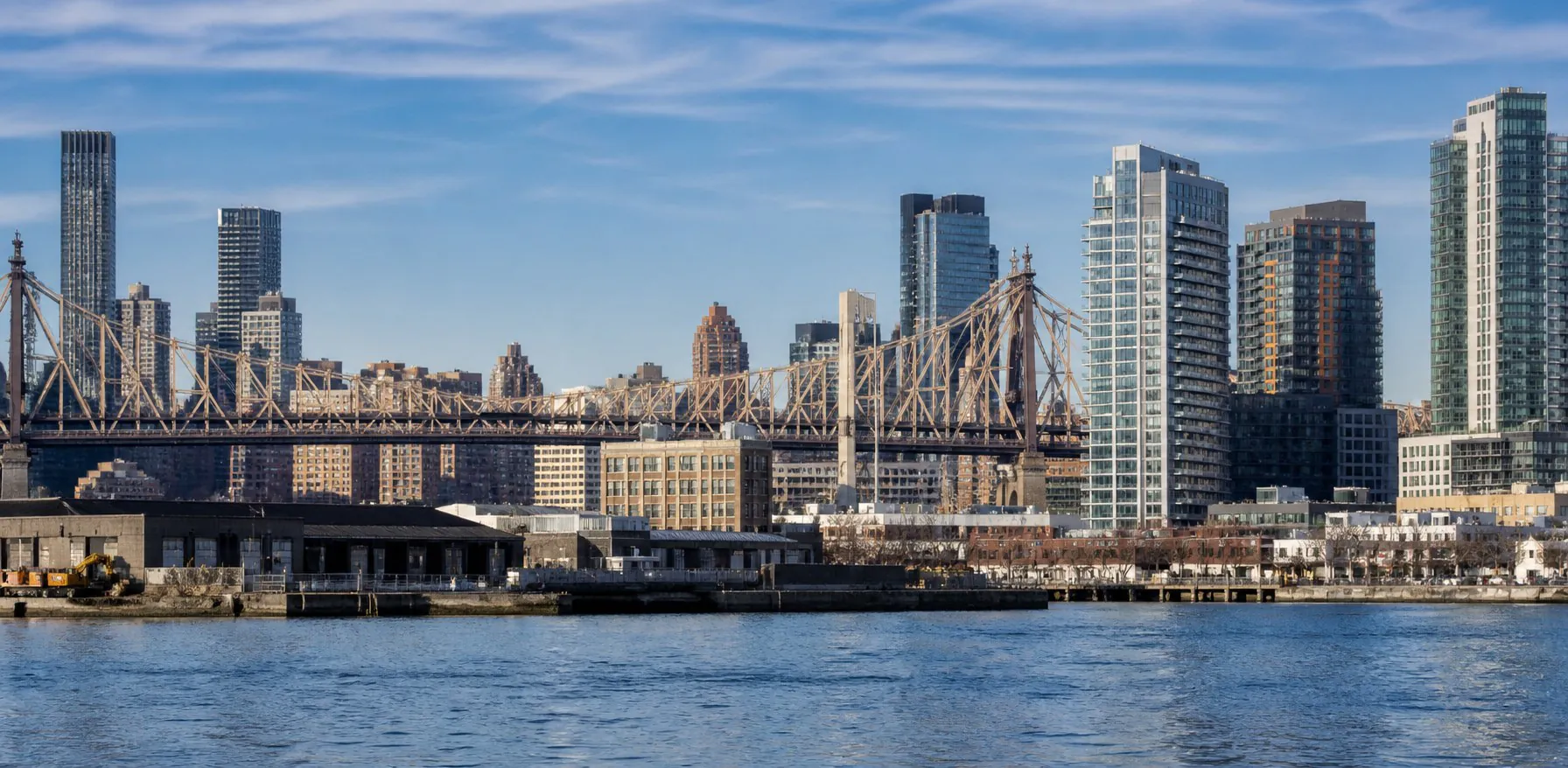
Queens combines residential streets, major commercial corridors, expressways, subway and bus routes, construction sites, and two major airports. An accident’s location can therefore change nearly every part of the investigation. A collision on a neighborhood street may involve private drivers and nearby surveillance cameras. A crash involving a bus or city vehicle may require immediate action against a public entity. A fall outside an apartment building can raise questions about the building owner, commercial tenant, maintenance contractor, and the City’s sidewalk records. An injury on a subway platform may involve a different authority, evidence system, and filing deadline. Even the entity that appears to control a location may not be legally responsible for it. Ownership, maintenance contracts, leases, permits, and operating agreements often decide who belongs in the case. That is why a Queens investigation should begin with more than a police report. It should determine who owned the property, who maintained it, whether a contractor was working nearby, which cameras covered the area, and whether a government notice deadline has already started running.A Local Accident Snapshot
Queens remains a place where serious injuries occur despite meaningful safety improvements:- NYC DOT recorded 57 traffic deaths in Queens during 2025, down from 74 in 2024.
- Before the final phase of the Queens Boulevard redesign was completed, the agency recorded 351 traffic injuries from 2019 through 2023 along the one-mile section running through Sunnyside toward Long Island City and the Queensboro Bridge.
- Across the redesigned Queens Boulevard corridor, traffic deaths fell 68% and injuries declined 35% after work began in 2015. Those gains show that street design matters, but they do not eliminate the need to investigate individual crashes.
- The New York City Department of Buildings recorded 56 construction-related incidents in Queens during 2025.
- Those Queens construction incidents resulted in 42 reported injuries and four fatalities in 2025. All four fatal incidents involved worker falls.
Where Serious Injuries Happen in Queens
Wide, heavily traveled roadways
Queens Boulevard illustrates why road design can become part of a liability investigation. Service roads, turning traffic, bike lanes, bus stops, and long intersections can put several types of road users in the same space. Photos taken soon after a crash may show lane markings, sight obstructions, signal placement, construction barriers, or parking conditions that later change. Other serious collisions happen on expressways and airport approaches, where speed, merging traffic, trucks, taxis, and rideshare vehicles complicate fault. Commercial vehicles may also generate evidence that ordinary passenger cars do not, including electronic data, inspection records, driver logs, and employer communications.Sidewalks and building entrances
Sidewalk falls in Queens can involve broken pavement, cellar doors, snow and ice, defective grates, construction debris, poor lighting, or water that repeatedly freezes. The location of the defect matters because responsibility may rest with an adjacent property owner rather than the City. Under New York City’s sidewalk rules, many property owners have a duty to maintain adjoining sidewalks. There is an exception for certain owner-occupied one-, two-, and three-family residential properties used exclusively as residences. Claims against the City may also depend on whether it received legally sufficient prior written notice of the defect.Subway platforms, stations, and buses
Transit injuries may involve wet platforms, broken stairs, closing doors, sudden bus movements, vehicle collisions, or inadequate maintenance. Camera footage, operator reports, dispatch records, inspection logs, and witness accounts can become important. These records may not be kept forever. The correct transit entity must also be identified; the MTA name alone does not always tell you which organization should receive a claim.Construction and renovation sites
New construction is only part of the picture. Workers are also hurt during interior renovations, roofing, solar installation, demolition, façade work, and small building projects. Workers’ compensation may cover some medical bills and lost wages, but it may not be the only source of recovery. A separate claim may exist against a property owner, general contractor, subcontractor, equipment company, or another party that created the danger.Personal Injury Cases Billy Cooper Law Handles
Billy Cooper Law represents people injured in matters involving:- Car accidents
- Motorcycle accidents
- Pedestrian accidents
- Bicycle accidents
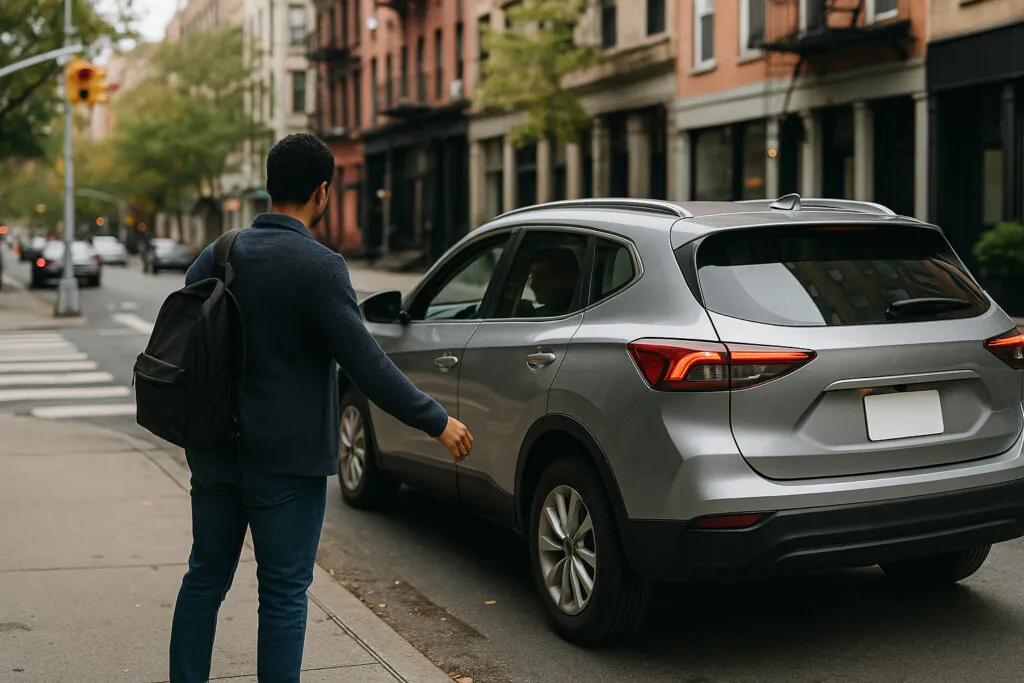
- Uber and Lyft accidents
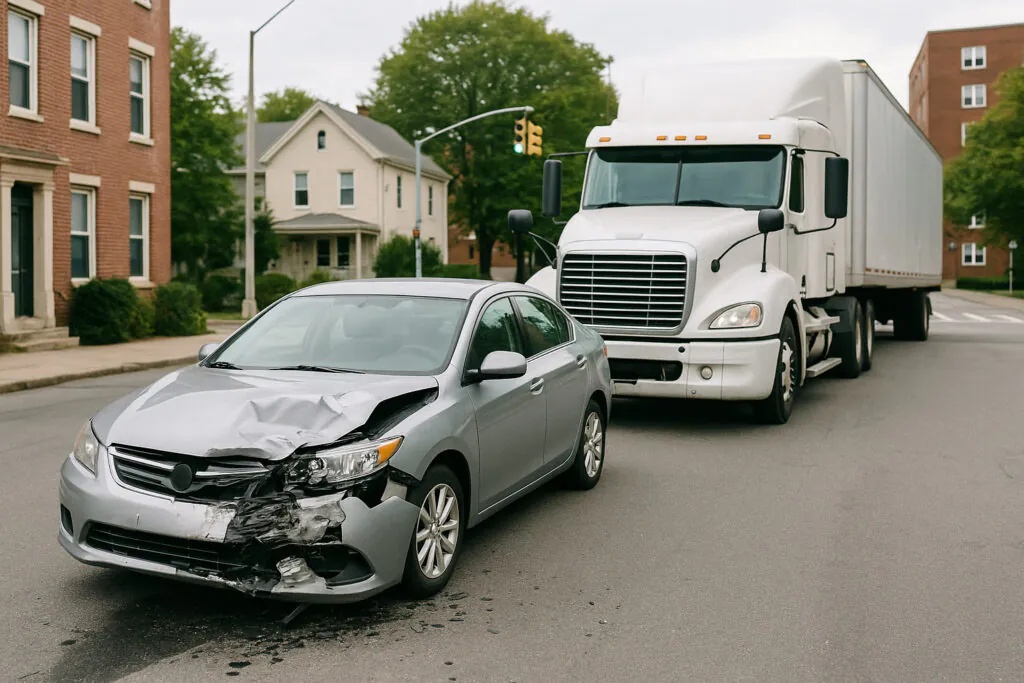
- Truck and commercial vehicle accidents
- Bus accidents
- Subway accidents
- Construction accidents
- Work accidents
- Premises liability
- Dog bites and animal attacks
- Defective products
- Medical malpractice
- Catastrophic injuries
- Wrongful death
What to Do After an Accident
Your first priority is your health. Get emergency care when needed, and tell each provider how the injury happened. Symptoms involving the head, neck, back, or soft tissue can become clearer after the initial adrenaline wears off. When you are able:- Report the accident. Call the police after a collision. Notify the property owner, business, employer, or transit employee after an accident on premises or at work.
- Photograph the scene. Capture the hazard, vehicles, damage, road layout, signs, lighting, weather conditions, and visible injuries.
- Get witness information. A name and telephone number may be more useful than a witness who promises to “stick around.”
- Keep physical evidence. Save damaged clothing, footwear, helmets, child seats, tools, or defective products. Do not repair or discard them.
- Follow medical recommendations. Missed appointments and unexplained treatment gaps can make it harder to connect your condition to the accident.
- Be careful with insurance calls. Report the claim when required, but do not guess, minimize your symptoms, or give the other side a recorded statement before understanding your rights.
- Ask about deadlines early. This is especially important if a government vehicle, public sidewalk, subway, bus, school, hospital, or public building may be involved.
Evidence Worth Preserving
Good cases are built from details that can be checked. Depending on what happened, that may include:- Police, ambulance, and incident reports
- Nearby store, apartment, doorbell, traffic, or transit video
- Dashcam and rideshare-app records
- Vehicle event data and commercial driver records
- Photographs showing a property defect before it was repaired
- Building permits, inspection histories, and violations
- Construction contracts, daily logs, safety plans, and equipment records
- Weather and snow-removal records
- Medical imaging, operative reports, and rehabilitation records
- Wage statements, tax records, and employment correspondence
- Journals documenting pain, limitations, and interrupted activities
New York Deadlines and Insurance Rules
Different claims can carry very different deadlines. Most negligence actions must be started within three years under CPLR § 214. Medical malpractice actions are generally subject to a two-year-and-six-month period, with important continuous-treatment and discovery exceptions under CPLR § 214-a. A wrongful death action generally must be started within two years under EPTL § 5-4.1. Those are not safe waiting periods. A shorter deadline may control when a public entity is involved.No-fault deadlines after a vehicle accident
New York’s no-fault system generally provides up to $50,000 in basic economic-loss benefits for covered medical expenses, wage loss, and certain other costs, regardless of who caused the crash. Written notice of a no-fault claim is generally due within 30 days. Medical bills are generally due within 45 days after treatment, and proof of wage loss is generally due within 90 days. The New York Department of Financial Services recognizes limited exceptions when there is clear and reasonable justification for a delay, but relying on an exception is risky.The serious-injury threshold changed in 2026
A person seeking pain-and-suffering damages after a covered motor vehicle accident must ordinarily establish a “serious injury” under Insurance Law §§ 5102 and 5104. For actions commenced on or after May 26, 2026, New York eliminated the former “90/180-day” serious-injury category. The remaining categories include fractures, significant disfigurement, permanent loss of use, permanent consequential limitations, and significant limitations of a body function or system. Objective medical findings now carry even greater importance. Imaging, range-of-motion testing, surgical findings, and well-documented functional limitations can determine whether an injury clears the threshold.Who May Be Responsible?
Responsibility often extends beyond the person who was present when the accident happened. Depending on the case, potentially liable parties may include:- A driver and the vehicle’s owner
- A driver’s employer
- A trucking, delivery, or rideshare company
- A property owner, commercial tenant, or managing agent
- A cleaning, security, snow-removal, or maintenance contractor
- A general contractor or subcontractor
- A product manufacturer, distributor, or retailer
- A medical provider or hospital
- A municipality, public authority, or government contractor
BILLY COOPER LAW
Questions About a Queens County Injury Claim?
What If You Were Partly at Fault?
New York’s answer now depends on the type of case. For most personal injury claims, CPLR § 1411(a) uses pure comparative negligence. You may still recover if you were partly responsible, but your damages are reduced by your percentage of fault. Motor vehicle cases governed by New York’s no-fault law changed on May 26, 2026. Under the new CPLR § 1411(b), an injured claimant is barred from recovery if the claimant’s share of fault is greater than the fault of the defendant or the combined fault of all defendants. A claimant found 50% at fault may still recover a reduced amount; a claimant found more than 50% at fault may not. This makes early fault investigation especially important in vehicle cases. Signal timing, video, vehicle damage, witness statements, roadway design, and electronic records may determine whether the insurer’s version of the crash holds up.Compensation in a Personal Injury Claim
The value of a claim depends on the evidence, available insurance, fault, and how the injury changes your life. Recoverable damages may include:- Past and future medical expenses
- Lost income and reduced earning capacity
- Rehabilitation, therapy, and assistive equipment
- Home health care and necessary household assistance
- Transportation and other accident-related expenses
- Pain and suffering
- Loss of enjoyment of life
- Scarring, disfigurement, or permanent limitation
Claims Involving the City or Another Public Entity
If a New York City agency or another covered public entity may be responsible, a Notice of Claim may have to be served within 90 days under General Municipal Law § 50-e. A lawsuit against a city or other covered municipality generally must then be started within one year and 90 days under General Municipal Law § 50-i. Similar short-notice rules can apply to transit authorities and other public bodies, but the correct procedure depends on the entity. A bus may be operated by one organization while displaying another organization’s branding. A roadway project may involve the City, the State, and private contractors. A sidewalk case may turn on the adjacent property’s classification and maintenance history. If government involvement is possible, identifying the correct defendant should be one of the first steps—not something left until the ordinary three-year deadline is approaching.Local Courts, Hospitals, and Investigating Agencies
When venue is proper in Queens, a substantial personal injury lawsuit may be filed in Supreme Court Queens County, Civil Term. The court has locations at 88-11 Sutphin Boulevard in Jamaica NY and 25-10 Court Square in Long Island City NY. Medical records often begin at the hospital that provided emergency care. NYC Health + Hospitals/Elmhurst is a designated adult Level I trauma center, while the NYC Health + Hospitals/Queens Emergency Department provides round-the-clock emergency treatment for adults and children. Those records are more than a list of charges. They may document when symptoms began, what you reported at the scene, whether imaging showed trauma, and what follow-up care was recommended. Other important records may come from the NYPD, NYC Department of Transportation, Department of Buildings, transit agencies, property owners, employers, and private contractors. The right requests depend on where and how the injury occurred.How Billy Cooper Law Investigates a Queens Injury Case
An effective investigation starts by testing every assumption. Billy Cooper Law may:- Inspect or document the accident location
- Identify property, vehicle, and business ownership
- Obtain police, incident, medical, and government records
- Send letters demanding preservation of video and electronic evidence
- Interview witnesses before their memories fade
- Review leases, contracts, permits, and maintenance responsibilities
- Examine all potentially available insurance coverage
- Work with medical, engineering, vocational, or economic experts when needed
- Document how the injury affects work, family life, and future care
- Prepare the case for trial rather than relying on the insurer’s initial evaluation
Frequently Asked Questions
How much does it cost to hire Billy Cooper Law?
The firm offers free consultations and handles personal injury cases on a contingency basis. There is no upfront attorney’s fee, and no legal fee is due unless compensation is recovered.What happens during the first consultation?
You can explain what happened, where it occurred, who was involved, and what injuries you have experienced. The firm can then discuss possible defendants, insurance issues, evidence, and deadlines. Bringing photographs, reports, insurance correspondence, and basic medical information can help.Should I give the insurance company a recorded statement?
You should notify your own insurer when required, particularly when no-fault benefits are involved. You do not have to help another party’s insurer build its defense. Before giving a recorded statement or signing a broad medical authorization, ask what the insurer is requesting and why.Can I still bring a case without a police or incident report?
Possibly. A missing report can make an investigation more difficult, but photographs, witnesses, medical records, video, electronic data, and admissions may still establish what happened.How long will my case take?
Some claims resolve within months. Cases involving serious injuries, disputed fault, multiple defendants, or trial may take longer. The timeline also depends on when doctors can reasonably evaluate your prognosis and future treatment needs.What if the responsible driver has little or no insurance?
Your own policy may provide uninsured or underinsured motorist coverage. Other defendants or commercial policies may also exist. Hit-and-run and uninsured claims can have separate reporting requirements, so they should be investigated promptly.What if I was injured at work?
Workers’ compensation may provide medical and wage benefits. You may also have a separate personal injury claim against a property owner, contractor, equipment company, or another party other than your employer. The two claims require coordination.What if a city agency or transit authority was involved?
Tell the lawyer immediately. A 90-day notice period or another shortened deadline may apply, and determining which entity controlled the vehicle or location can take time.Related Resources
- New York personal injury claims
- New York motor vehicle accidents
- New York construction accidents
- New York premises liability claims
- New York medical malpractice claims
- New York wrongful death claims
Tell Us What Happened
You do not need to know who was legally responsible before asking for help. You only need to explain what happened and how you have been affected. Billy Cooper Law represents injured people throughout Queens County NY from its White Plains office and New York City by-appointment location. Call (718) 866-3311 or contact Billy Cooper Law for a free consultation. The firm will listen, identify the questions that need answering, and explain your options.Communities We Serve
- Queens County
- Murray Hill–Broadway Flushing
- Jamaica
- Ridgewood
- Flushing–Willets Point
- Corona
- South Ozone Park
- Forest Hills
- Jackson Heights
- Elmhurst
- Queens Village
Sources
Billy Cooper Law
- Billy Cooper Law
- Personal Injury
- Practice Areas
- Meet the Team
- Billy Cooper, Esq.
- Case Results
- Contact Billy Cooper Law
- Car Accidents
- Motorcycle Accidents
- Pedestrian Accidents
- Bicycle Accidents
- Uber and Lyft Accidents
- Commercial Vehicle Accidents
- Bus Accidents
- Subway Accidents
- Construction Accidents
- Work Accidents
- Premises Liability
- Dog Bites
- Products Liability
- Medical Malpractice
- Catastrophic Injuries
- Wrongful Death
Government, Courts, and Legal Authorities
- NYC DOT 2025 Traffic Fatality Report
- NYC DOT Queens Boulevard Redesign Report
- NYC Department of Buildings 2025 Construction Safety Report
- New York City Administrative Code Sidewalk Rules
- CPLR § 214
- CPLR § 214-a
- CPLR § 1411
- EPTL § 5-4.1
- General Municipal Law § 50-e
- General Municipal Law § 50-i
- Insurance Law § 5102
- Insurance Law § 5104
- New York Department of Financial Services No-Fault FAQs
- New York Department of Financial Services 2026 Motor Vehicle Insurance Reforms
- Flanders v. Goodfellow
- Supreme Court Queens County, Civil Term
- NYC Health + Hospitals/Elmhurst
- NYC Health + Hospitals/Queens Emergency Care
BILLY COOPER LAW
Ready to Discuss What Happened?

Putting Over 75 Years of Combined Experience on Your Side
Putting Over 75 Years of Combined Experience on Your Side
Putting Over 75 Years of Combined Experience on Your Side
Putting Over 75 Years of Combined Experience on Your Side
Putting Over 75 Years of Combined Experience on Your Side
Putting Over 75 Years of Combined Experience on Your Side
Putting Over 75 Years of Combined Experience on Your Side
Putting Over 75 Years of Combined Experience on Your Side
Putting Over 75 Years of Combined Experience on Your Side
Putting Over 75 Years of Combined Experience on Your Side
Get the Answers You Need
At Billy Cooper Law, every day we renew our pledge to help injured people get the justice and compensation they deserve. We have a reputation throughout New York and nationally for standing up for our clients, and we take that responsibility seriously by approaching every case with preparation, persistence, and an unwavering commitment to results.