
New York Construction Accident Claims: Labor Law 240, 241(6), and 200
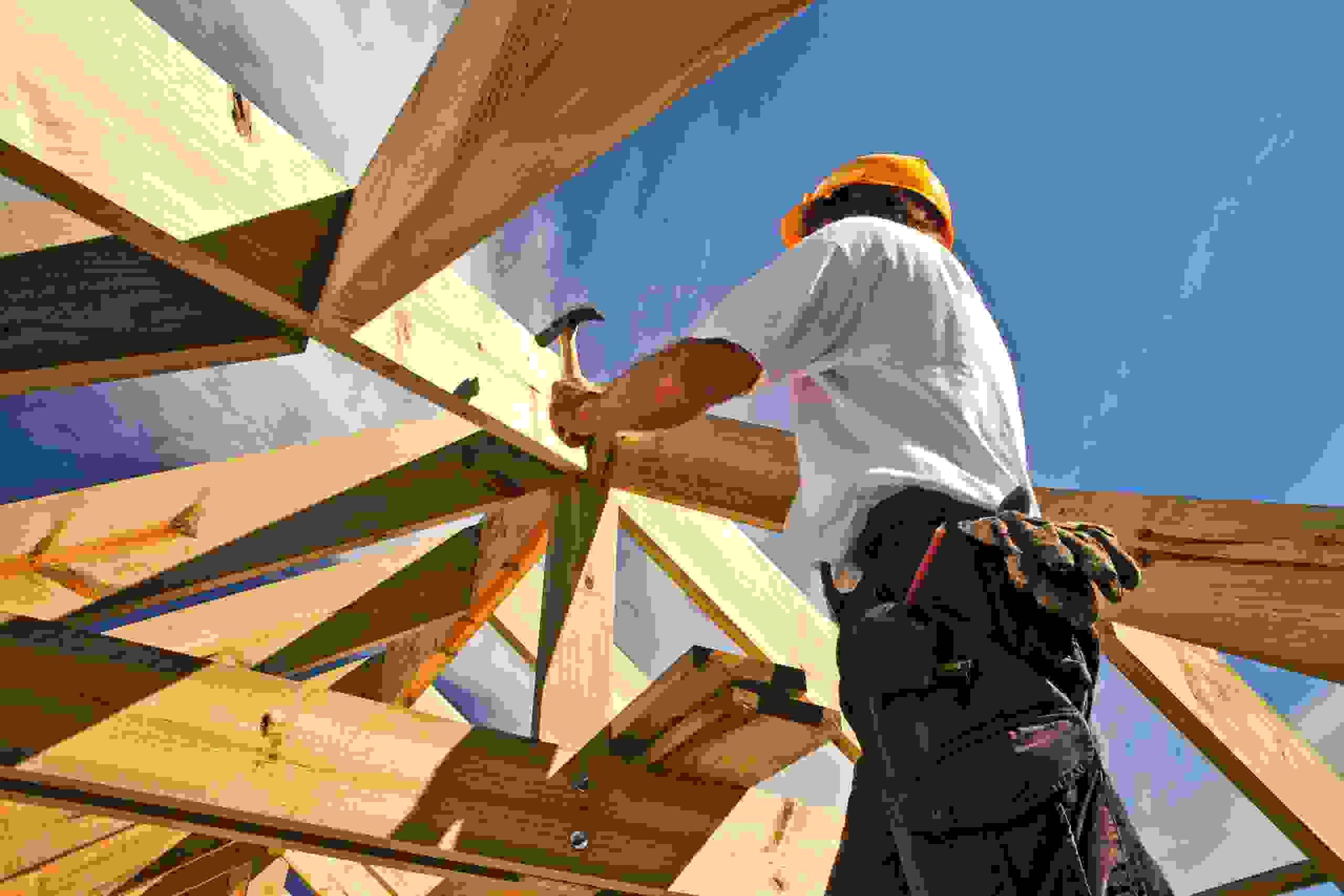
Construction work is essential—but dangerous. Every day, workers face serious risks on job sites across New York, from falls and structural collapses to equipment malfunctions and exposure to unsafe conditions. When these hazards result in injury, New York State law provides powerful legal protections—especially under Labor Law 240, Labor Law 241(6), and Labor Law 200.
At Billy Cooper Law, we fight for injured construction workers. We help clients hold general contractors, property owners, and other responsible parties accountable for unsafe work conditions, negligence, and safety violations. If you’ve been hurt on a construction site, our firm can help you pursue the full compensation you deserve under state labor laws.
BILLY COOPER LAW

What Labor Law 240, 241(6), and 200 Mean for Injured Workers
New York has enacted some of the strongest construction safety laws in the country. Labor Law 240, 241(6), and 200 provide the legal foundation for holding non-employer parties responsible for job site injuries.
Labor Law 240: The Scaffold Law
Labor Law 240 is often referred to as the “Scaffold Law.” It requires contractors and property owners to provide proper safety devices for workers who are performing job duties at height, such as on scaffolds, ladders, or roofs. These protections are critical when workers are exposed to the risk of falling or being struck by a falling object.
If a worker is injured due to the failure of these safety measures, the responsible parties—often the property owner or general contractor—may be held strictly liable. In other words, even if the worker contributed to the accident, the law may still favor the worker’s right to recover damages.
Labor Law 241(6): Industrial Code Violation Liability
Labor Law 241(6) offers protection to workers injured because a construction site failed to comply with New York’s Industrial Code. This statute applies broadly to many types of construction, demolition, and excavation work. To bring a claim under this law, a specific regulation in the Industrial Code must have been violated, and that violation must have contributed to the injury.
Common scenarios include injuries caused by debris on the ground, improper flooring or planking, lack of protective gear, or unsafe machinery. This law allows injured workers to seek damages from parties who failed to meet legally mandated safety standards.
Labor Law 200: General Duty to Provide a Safe Work Environment
Labor Law 200 is New York’s version of the common-law duty to provide workers with a reasonably safe work environment. It can apply to both hazardous conditions on a job site and unsafe practices or operations.
To establish liability under Labor Law 200, an injured worker must show that the defendant had authority over the work or the area and either knew—or should have known—about the dangerous condition that led to the injury. This law can be especially important in cases involving poorly maintained equipment, insufficient supervision, or defective site conditions.
Injuries Sustained in Construction Accidents
Construction site injuries range from minor cuts to catastrophic trauma. Because these worksites often involve heights, heavy machinery, and unstable surfaces, the consequences of accidents can be life-altering or fatal.
Common Injuries in Construction Accidents
- Traumatic brain injuries (TBI) from falls or impacts with falling objects
- Spinal cord injuries leading to paralysis or long-term disability
- Broken bones and fractures, often requiring multiple surgeries
- Amputations from machinery accidents or crush injuries
- Burns and electrical injuries caused by exposed wiring or chemical hazards
- Internal injuries due to crush events or equipment collapses
- Lacerations and soft tissue injuries that can lead to chronic pain
- Death, in cases involving severe falls, trench collapses, or structural failures
Whether the injury is temporary or permanently disabling, New York labor law allows injured workers to pursue meaningful compensation beyond basic workers’ compensation benefits.
Who Can Be Held Liable in a Construction Accident?
New York Labor Laws allow injured workers to hold third parties—other than their direct employers—legally accountable for unsafe job site conditions.
Potentially Liable Parties
- Property owners, who have a duty to ensure the site is safe and compliant with labor laws.
- General contractors, who often have overall control of site safety, staffing, and supervision.
- Subcontractors, if their actions or failure to follow safety rules contributed to the hazard.
- Equipment suppliers or manufacturers, if the injury was caused by defective or unsafe machinery.
- Site managers or foremen, if they failed to enforce safety rules or allowed unsafe practices.
While you generally cannot sue your employer directly due to workers’ compensation protections, you may still pursue a personal injury claim against these third parties, especially if a Labor Law violation occurred.
How to File a Labor Law Construction Accident Claim
Filing a construction accident claim under New York Labor Law requires a thorough understanding of the statutes, a detailed investigation, and strategic legal advocacy.
Step 1: Seek Medical Treatment
Always prioritize your health and safety. Get emergency care and follow up with all medical recommendations. These records will be key to proving the extent of your injuries.
Step 2: Report the Accident
Notify your supervisor and ensure the incident is documented. Be specific about how the accident occurred, what equipment was involved, and whether safety devices were available or missing.
Step 3: Document the Scene
If possible, take photos of the work area, defective equipment, or hazardous conditions. Collect the names of any witnesses. This evidence can become crucial in building your case.
Step 4: Consult an Experienced Labor Law Attorney
Construction accident claims—especially those involving Labor Law 240 or 241(6)—are highly complex. An attorney can evaluate your case, identify all liable parties, and begin the process of securing compensation. Your attorney may need to hire site safety experts, review building permits, and analyze Industrial Code violations.
Step 5: File Within the Legal Deadline
The statute of limitations for filing a personal injury claim in New York is generally three years from the date of the accident. However, claims involving municipalities may have shorter deadlines and notice requirements, so it’s important to act quickly.
BILLY COOPER LAW
What Compensation Can You Recover?
Unlike workers’ compensation, which only covers medical expenses and a portion of lost wages, a Labor Law injury claim can help you recover full damages for all aspects of your loss.
Available Compensation You May Recover
- Full reimbursement of medical bills, including surgeries, hospital stays, rehabilitation, and medication
- Lost wages, including future lost earnings or diminished earning capacity
- Pain and suffering, including emotional trauma and reduced quality of life
- Permanent disability or disfigurement
- Home modifications or assistive devices, such as wheelchairs or accessible bathrooms
- Loss of consortium, in wrongful death or catastrophic injury cases
Because of the serious nature of many construction injuries, settlements and verdicts under Labor Law can often exceed six or seven figures depending on the facts of the case.
How Billy Cooper Law Helps Injured Construction Workers
At Billy Cooper Law, we focus exclusively on helping injured workers navigate the complexities of New York’s labor laws and construction accident claims. With years of experience in high-stakes injury litigation, our firm is uniquely equipped to represent construction workers harmed by unsafe job conditions, negligent contractors, and Labor Law violations.
Comprehensive Legal Support from Day One
From the moment you contact our office, we begin building a strong, evidence-backed case on your behalf. Our team will:
- Investigate the accident thoroughly – including site conditions, safety equipment, work procedures, and potential code violations.
- Identify all liable parties – whether it’s a property owner, general contractor, subcontractor, equipment manufacturer, or site manager.
- Consult with industry experts – including construction safety professionals, engineers, and medical experts to support your claim.
- Handle all legal filings – ensuring your case is filed within New York’s strict legal deadlines and follows procedural requirements.
We Maximize Your Compensation
Unlike workers’ compensation, which offers limited benefits, a Labor Law claim can help you pursue the full value of your losses. Our goal is to secure compensation for:
- Past and future medical expenses
- Lost wages and reduced earning capacity
- Pain and suffering
- Permanent disability or disfigurement
- Loss of enjoyment of life or spousal support (loss of consortium)
We don’t just aim for quick settlements — we fight for what you truly deserve, whether through negotiation or trial.
No Fees Unless We Win
Billy Cooper Law operates on a contingency fee basis. That means you pay nothing upfront, and we only get paid if we recover compensation for you. We also offer free consultations to explain your rights and evaluate your legal options with no pressure or obligation.
Frequently Asked Questions
These answers address common new york labor law construction claims questions under New York law. The facts and applicable rules can change the answer. This is general information, not personal legal or medical advice.
What is the difference between Labor Law §§200, 240, and 241(6)?
Section 200 states a general workplace-safety duty. Section 240 addresses specified elevation-related risks, while Section 241 concerns construction, excavation, and demolition safety and supports claims tied to applicable regulations.
They are not interchangeable. The work, hazard, defendant, control, regulation, and causal proof determine which sections may apply.
Sources: NY Labor Law §200: workplace safety duty; NY Labor Law §240: elevation-related safety protections; NY Labor Law §241: construction-site safety.
Who is protected by New York Labor Law §240?
Section 240 protects people employed in specified activities such as erection, demolition, repairing, altering, painting, cleaning, or pointing of a building or structure.
Job title alone is not decisive. The task being performed and its connection to covered work must be examined.
Sources: NY Labor Law §240: elevation-related safety protections; Cioffi v. Target Corp.: Labor Law §240 causation and sole-proximate-cause analysis.
Which owners and contractors can be defendants in a Labor Law case?
The statutes identify owners, contractors, and their agents, subject to statutory exceptions and case-specific rules. A party’s formal title does not automatically establish or eliminate liability.
Property interests, contracts, delegated authority, and project roles should be verified. The direct employer is usually addressed through workers’ compensation.
Sources: NY Labor Law §240: elevation-related safety protections; NY Labor Law §241: construction-site safety; NY Workers’ Compensation Law §11.
Does the one- and two-family homeowner exemption always protect a homeowner?
No. Labor Law §§240 and 241 contain an exception for owners of one- and two-family dwellings who contract for but do not direct or control the work.
The building’s use and the owner’s involvement require a factual review. The exception is not a universal defense to every negligence theory.
Sources: NY Labor Law §240: elevation-related safety protections; NY Labor Law §241: construction-site safety; NY Labor Law §200: workplace safety duty.
Is Labor Law §240 liability automatic whenever a worker falls?
No. The claimant must establish covered work, a covered elevation risk, a statutory safety failure, and proximate cause against a proper defendant.
A defendant may contest those elements or assert sole proximate cause. Ordinary comparative negligence is different from that defense.
Sources: Cioffi v. Target Corp.: Labor Law §240 causation and sole-proximate-cause analysis; NY Labor Law §240: elevation-related safety protections.
How does fault differ under Labor Law §§240 and 241(6)?
When a Section 240 violation is a proximate cause, ordinary comparative negligence is not a defense, although sole proximate cause can be. A Section 241(6) claim can involve comparative fault.
The evidence must be applied to the specific cause of action. Labels such as strict liability should not replace the statutory and causal analysis.
Sources: Cioffi v. Target Corp.: Labor Law §240 causation and sole-proximate-cause analysis; NY Labor Law §241: construction-site safety; NY CPLR §1411: comparative fault.
Why does a Labor Law §241(6) claim need a specific safety rule?
Section 241 authorizes safety rules for construction, excavation, and demolition work. A Section 241(6) claim generally requires an applicable, sufficiently specific regulation and proof that its violation caused the injury.
The exact task, location, equipment, and hazard determine which regulation may apply. A general allegation that the site was unsafe is not enough by itself.
Sources: NY Labor Law §241: construction-site safety; NY Labor Law §200: workplace safety duty.
Can I receive workers’ compensation and pursue a Labor Law claim?
Potentially. Workers’ compensation generally addresses the direct employer relationship, while a Labor Law claim may proceed against a qualifying owner, contractor, or agent.
A third-party recovery can involve liens and settlement-consent issues under Workers’ Compensation Law §29. Coordinate both matters.
Sources: NY Workers’ Compensation Board: Understanding the claims process; NY Workers’ Compensation Law §29: third-party claims and recoveries; NY Workers’ Compensation Law §11.
What evidence is most important in a Labor Law construction case?
Preserve the task assignment, contracts, daily logs, safety plans, equipment, inspections, photographs, video, witnesses, incident reports, medical records, and the identity of every project entity.
Record what safety devices were available, requested, supplied, or used. Do not alter equipment or rely only on a later OSHA finding.
Sources: U.S. HHS: Your medical records; OSHA: Fall-protection standards and resources for construction; NY Workers’ Compensation Board: Injured Worker’s Toolkit.
How long do I have to bring a New York Labor Law claim?
Many personal-injury actions use a three-year period, but public-entity notices, workers’ compensation filings, wrongful-death claims, contractual issues, and evidence retention can be earlier or different.
The date, defendants, and claim type control. Promptly obtain a case-specific deadline review.
Sources: NY CPLR §214: personal-injury filing periods; NY General Municipal Law §50-e; NY EPTL §5-4.1: wrongful-death action and filing period.
Contact Billy Cooper Law Today
If you’ve been injured on a construction site, you may be entitled to far more than workers’ compensation. Whether you fell from a scaffold, slipped on debris, or were injured by defective equipment, Billy Cooper Law can help you file a claim under New York Labor Laws and pursue the full compensation you deserve.
We serve clients throughout New York City, Long Island, and the entire state. We know how to fight back against insurance companies, negligent contractors, and property owners who fail to put safety first. Contact us today to schedule a free consultation.
BILLY COOPER LAW



Get the Answers You Need
At Billy Cooper Law, every day we renew our pledge to help injured people get the justice and compensation they deserve. We have a reputation throughout New York and nationally for standing up for our clients, and we take that responsibility seriously by approaching every case with preparation, persistence, and an unwavering commitment to results.