

Jamaica NY Personal Injury Lawyer
An injury can leave you trying to manage pain, medical appointments, missed work, and insurance calls all at once. You may not know who caused the accident, who is responsible for the location, or whether important evidence is already disappearing. Billy Cooper Law represents people injured in Jamaica and throughout Queens. The firm has more than 75 years of combined experience, handles cases on a contingency basis, and offers free consultations. There is no Billy Cooper Law office in Jamaica; the firm serves New York City clients from its White Plains office and a New York NY location available by appointment.Other cities we serve in Queens County, NY:
- Queens County
- Murray Hill–Broadway Flushing
- Ridgewood
- Flushing–Willets Point
- Corona
- South Ozone Park
- Forest Hills
- Jackson Heights
- Elmhurst
- Queens Village

Types of Injury Cases We Handle in Jamaica NY
- Personal Injury
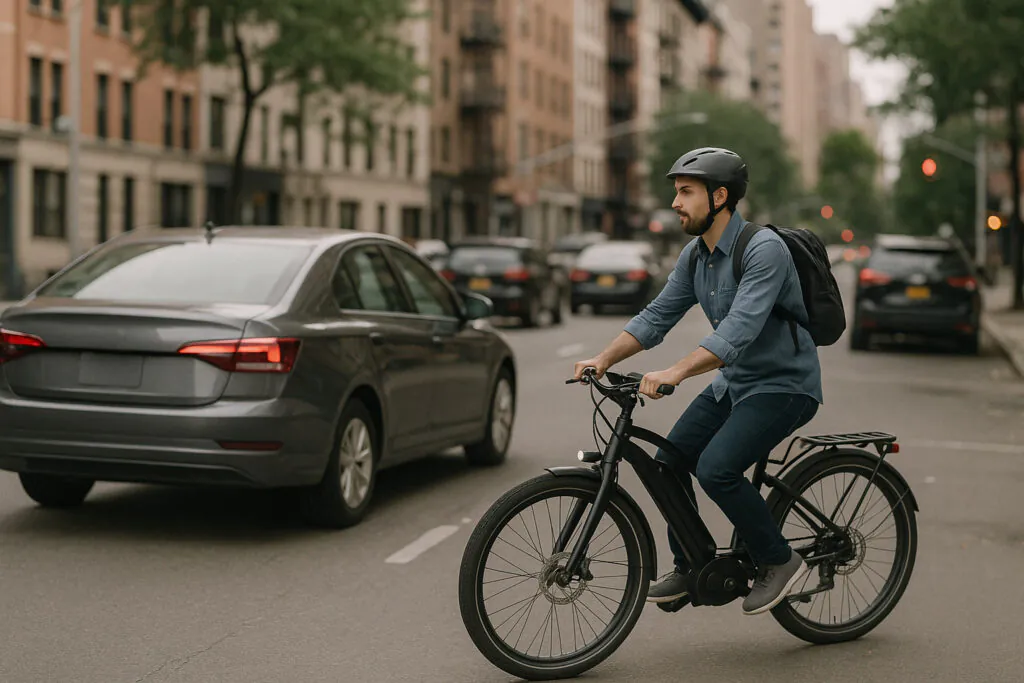
- E-Bike Accidents
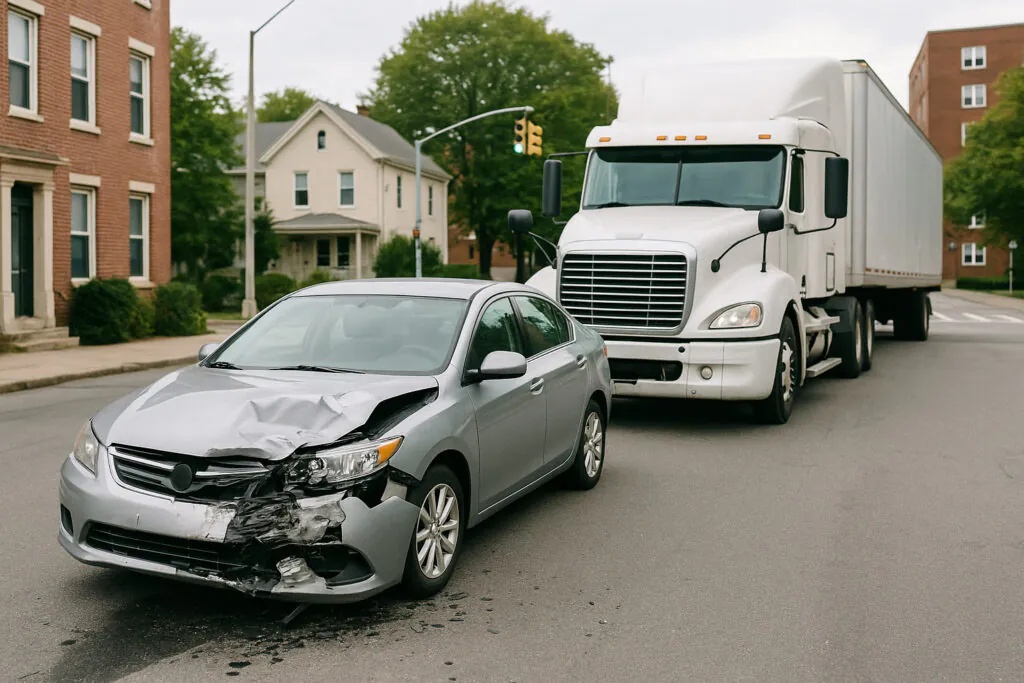
- Car Accidents
Why Injured People Turn to Billy Cooper Law
If your injuries are serious, you will probably want a lawyer who knows how to prepare a case for trial—not someone who simply forwards medical records to an insurance adjuster and waits for an offer. William H. Cooper joined the practice in 1991 and has served as its lead trial counsel for more than 25 years. He was selected to Super Lawyers from 2024 through 2026. The firm’s history also includes Marvin A. Cooper’s work helping draft New York’s original No-Fault Insurance Law, which still shapes how car accident claims are handled. The firm’s reported results include a $9 million catastrophic injury settlement, a $2.4 million wrongful death settlement, a $2.005 million construction accident settlement, and a $1.6 million pedestrian accident settlement. These outcomes involved very different injuries and theories of liability, but each required a clear account of what happened and how the injury changed the client’s life. Spanish-speaking clients can work directly with attorney Anieska J. Garcia, who is fluent in English and Spanish. You do not need to rely on a family member to interpret conversations about your health, finances, or case.Why Personal Injury Cases Are Different in Jamaica NY
Jamaica is not simply another residential neighborhood. It is one of Queens’ busiest transportation and commercial centers. Around Sutphin Boulevard, Archer Avenue, Jamaica Avenue, and Parsons Boulevard, pedestrians move between subway stations, buses, the Long Island Rail Road, the AirTrain, stores, offices, courthouses, and waiting rideshare or livery vehicles. That creates frequent conflicts among people walking, turning drivers, buses, delivery trucks, cyclists, and vehicles entering or leaving crowded curbs. The Queens Pedestrian Safety Action Plan also describes wide, auto-oriented roads such as Hillside Avenue and Liberty Avenue, where long crossing distances and heavier traffic can increase pedestrian risk. Near the Van Wyck Expressway, cases may involve faster speeds, merging traffic, commercial vehicles, and more serious impacts. Location also affects the investigation. A collision near the Jamaica transit hub may leave evidence in several places: an MTA station, an AirTrain facility, a bus, a nearby storefront, a parking garage, or a rideshare platform. A sidewalk fall on Jamaica Avenue may require an immediate search for the building owner, tenant, management company, maintenance contractor, utility work, and prior complaints. That evidence does not preserve itself.A Local Accident Snapshot
The NYPD 103rd Precinct serves Jamaica, the downtown business district, and nearby communities. Its TrafficStat report through July 26, 2026 recorded 771 reported collisions, including 361 injury collisions. Those crashes caused 492 injuries, including injuries to 117 pedestrians and 33 traditional bicyclists, and resulted in one fatality. The numbers show why a Jamaica injury case cannot be reduced to a routine insurance claim. Pedestrians and cyclists are common participants in the local traffic system, and one collision can involve several vehicles, overlapping insurance policies, and evidence held by both public agencies and private businesses.Where Serious Injuries Happen in Jamaica
Around Sutphin Boulevard and Archer Avenue
People arriving by train or subway often cross between station entrances, bus stops, taxis, rideshares, and passenger pickup areas. A pedestrian crash here may require station video, business surveillance, bus records, witness accounts, and evidence showing the driver’s route or reason for being in the area.Jamaica Avenue, Archer Avenue, and Parsons Boulevard
These corridors combine bus operations, commercial loading, pedestrian traffic, turning vehicles, and limited curb space. NYC DOT has made repeated safety changes in downtown Jamaica, including improvements around Parsons Boulevard, because of the area’s history of serious pedestrian conflicts.Hillside Avenue, Liberty Avenue, and Merrick Boulevard
Wide roads create different investigative questions than smaller residential streets. Signal timing, crossing distance, visibility, vehicle speed, turning patterns, and pedestrian refuge areas may all matter.The Van Wyck Expressway and its approaches
A crash on or near the Van Wyck can involve lane changes, merging traffic, commercial vehicles, airport-bound drivers, or several impacts in a chain reaction. Electronic vehicle data and photographs of the final vehicle positions can become particularly important.Stores, apartment buildings, and sidewalks
Falls may result from broken pavement, snow or ice, liquid spills, poor lighting, missing handrails, defective stairs, construction debris, or unsafe entryways. Determining who controlled the precise location is often the first major legal question.Personal Injury Cases Billy Cooper Law Handles
The firm represents clients in matters involving:- Car accidents
- Truck and commercial vehicle accidents
- Motorcycle accidents
- Pedestrian accidents
- Bicycle accidents
- E-bike accidents
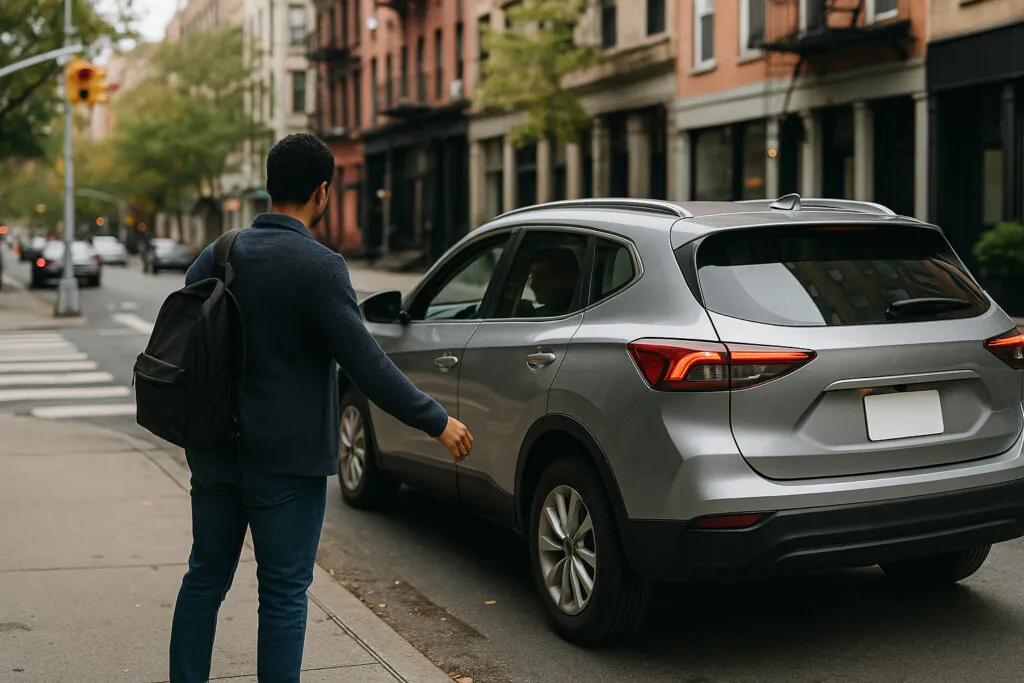
- Uber and Lyft accidents
- Bus accidents
- Subway accidents
- Premises liability and fall injuries
- Construction accidents
- Medical malpractice
- Defective products
- Dog bites
- Catastrophic injuries
- Wrongful death
What to Do After an Accident
Get medical attention first. Some head, neck, back, and internal injuries are not immediately obvious, especially when adrenaline is masking the symptoms. Explain every symptom to the medical provider and make sure the records accurately describe how the injury occurred. When you can do so safely:- Report the accident. Call 911 after a traffic collision or serious injury. If you were hurt in a store, station, workplace, or apartment building, report it to the manager or appropriate employee and ask for a copy of any incident report.
- Photograph the scene. Capture the hazard, vehicle positions, traffic controls, debris, lighting, weather conditions, visible injuries, and surrounding businesses with cameras.
- Get names and contact information. Witnesses may leave before the police arrive.
- Preserve damaged property. Keep torn clothing, footwear, helmets, bicycles, child seats, defective products, and other physical evidence.
- Be careful with insurance calls. You may need to notify your own insurer, but you do not have to give the other side a recorded statement before understanding your rights.
- Avoid posting about the accident. Insurers may examine public posts, photographs, and comments for material they can take out of context.
Evidence That May Need to Be Preserved Quickly
Depending on where and how the injury happened, important evidence may include:- Storefront, apartment, parking garage, or office surveillance video
- MTA, bus, subway, or station video
- AirTrain or Port Authority records
- Rideshare trip and driver records
- Vehicle event data recorder information
- Dashcam footage
- 911 recordings and police records
- Witness statements
- Construction permits, daily logs, safety records, and inspection reports
- Property maintenance and repair records
- Snow and ice removal logs
- Prior complaints, violations, and 311 records
- Medical imaging and treatment records
- Pay records, tax documents, and employer statements
- The damaged vehicle, bicycle, e-bike, helmet, footwear, or product
New York Laws and Deadlines
The general personal injury deadline
Under CPLR § 214, many negligence-based personal injury lawsuits must be started within three years. That does not mean it is safe to wait three years. Evidence can disappear long before the filing period expires.Medical malpractice
Under CPLR § 214-a, a medical malpractice action generally must be filed within two years and six months of the alleged malpractice or the end of continuous treatment for the same condition. Different rules may apply to foreign objects and certain delayed cancer diagnoses.Wrongful death
A wrongful death action generally must be commenced by the estate’s personal representative within two years of the death under EPTL § 5-4.1. Other claims belonging to the estate may follow different deadlines.No-fault insurance deadlines
New York no-fault insurance generally provides up to $50,000 in basic economic-loss benefits after a covered motor vehicle accident, regardless of who caused the crash. According to the New York Department of Financial Services, written notice generally must be provided within 30 days. Medical bills generally must be submitted within 45 days of treatment, while claims for lost earnings and certain other expenses generally must be submitted within 90 days. These insurance deadlines are separate from the deadline for filing a lawsuit.The serious-injury threshold
In many motor vehicle cases, recovering pain-and-suffering damages requires proof of a “serious injury” under Insurance Law § 5102 and Insurance Law § 5104. Qualifying injuries may include a fracture, significant disfigurement, permanent loss of use, or a medically significant or permanent limitation. New York narrowed this definition in 2026 by removing the former 90/180-day category. Objective medical evidence has therefore become even more important.What If You Were Partly at Fault?
New York’s rule now depends on the type of case. For most non-automobile personal injury claims, CPLR § 1411(a) applies pure comparative fault. If you were partly responsible, your compensation may be reduced by your percentage of fault, but partial fault does not automatically end the claim. Motor vehicle personal injury cases subject to New York’s no-fault law now follow a stricter rule. Under CPLR § 1411(b), recovery can be barred if the injured person’s fault is greater than the fault of the defendant—or the combined fault of multiple defendants. This motor vehicle exception was enacted in May 2026, so the timing of a case may affect how the change applies. Fault is rarely decided fairly from a short statement given at the scene. It may depend on signal phases, lane markings, video, impact locations, right-of-way rules, visibility, witness accounts, and electronic vehicle data.Who May Be Responsible?
More than one person or organization may share responsibility.Traffic collisions
Potentially responsible parties may include the driver, the vehicle owner, an employer, a rideshare company, a trucking company, a maintenance contractor, or another driver who triggered a chain reaction. Under Vehicle and Traffic Law § 388, a vehicle owner may be liable for negligence by someone driving with permission.Property and sidewalk accidents
A claim may involve the building owner, commercial tenant, property manager, maintenance company, snow-removal contractor, utility, or government agency. Under New York City Administrative Code § 7-210, responsibility for an unsafe sidewalk often rests with the adjoining property owner. An exception applies to qualifying owner-occupied one-, two-, or three-family residential properties used exclusively for residential purposes.Construction injuries
A construction injury may involve the property owner, general contractor, subcontractor, equipment provider, or another company working at the site. New York Labor Law may provide protections beyond an ordinary negligence claim, particularly in falls, falling-object cases, and accidents involving inadequate safety equipment.Medical injuries
Responsibility may rest with an individual doctor, nurse, medical group, hospital, clinic, laboratory, or other provider. These cases usually require qualified medical experts to determine whether the care departed from accepted standards and caused the injury.BILLY COOPER LAW
Questions About a Jamaica Injury Claim?
Compensation Available in a Personal Injury Case
Compensation should account for more than the bills already sitting on your kitchen table. Depending on the facts, a claim may include:- Past and future medical expenses
- Lost wages
- Reduced future earning ability
- Rehabilitation and therapy
- Home health or personal care
- Assistive equipment
- Transportation and other accident-related expenses
- Pain and suffering
- Emotional harm
- Disability and loss of independence
- Loss of enjoyment of life
- The effect of permanent scarring or disfigurement
When a Government or Transit Agency May Be Involved
A government claim may arise from a collision with a city vehicle, an unsafe roadway, a bus or subway accident, a public hospital, or dangerous work performed by a city agency or contractor. Under General Municipal Law § 50-e, a notice of claim is generally required within 90 days for many tort claims against public entities. A lawsuit against the City of New York generally must be commenced within one year and 90 days under General Municipal Law § 50-i. The New York City Comptroller’s eClaim system accepts personal injury notices involving the City. Filing the wrong form against the wrong agency, however, may not protect the claim. Transit cases can be especially confusing. The responsible entity might be the New York City Transit Authority, another MTA-related organization, a private bus operator, a contractor, or the Port Authority. The name displayed at the accident location is not always the correct legal defendant. Separate notice, hearing, and filing rules may apply. If any government agency may be involved, identify it early rather than waiting for the ordinary three-year deadline.Local Courts, Hospitals, and Agencies
Serious personal injury lawsuits arising in Queens may be heard at the Queens County Supreme Court, Civil Term, located at 88-11 Sutphin Boulevard in Jamaica NY. Venue depends on the parties and circumstances, so not every Jamaica case will be filed there. Local medical facilities include:- Jamaica Hospital Medical Center, a state-designated Level I trauma center at 89th Avenue and the Van Wyck Expressway
- NYC Health + Hospitals/Queens at 82-68 164th Street in Jamaica NY
How Billy Cooper Law Investigates a Jamaica Injury Case
The investigation begins by identifying every potentially responsible party and every deadline—not simply the most obvious driver or property owner. The firm may then:- Inspect the accident location
- Send preservation demands for video and electronic records
- Obtain police, ambulance, and incident reports
- Locate witnesses
- Review vehicle ownership and insurance coverage
- Search property, business, permit, and violation records
- Examine medical evidence and prior treatment
- Consult accident reconstruction, medical, vocational, or economic experts
- Document lost income and future care needs
- Evaluate government and public-authority involvement
- Prepare the case for litigation if the insurer will not resolve it fairly
Frequently Asked Questions
How much does it cost to hire Billy Cooper Law?
The firm offers free consultations and handles personal injury cases on a contingency basis. There is no upfront attorney’s fee, and the firm does not collect an attorney’s fee unless compensation is recovered.Should I speak with the insurance adjuster?
Notify your own insurer when required, particularly after a vehicle accident. Before giving a recorded statement to another party’s insurance company, it is sensible to understand how the statement may affect your case.Can I bring a claim if I did not go to the hospital immediately?
Possibly. People sometimes delay treatment because symptoms develop gradually or they initially believe the pain will pass. The delay may become an issue, so explain honestly when the symptoms began and why treatment was not immediate.Who is responsible for a sidewalk fall in Jamaica?
Often the adjoining property owner, but not always. The building type, owner-occupancy status, precise defect location, utility involvement, and evidence of construction or repair work can change the answer.What if I was injured on a bus, subway, or at a station?
You may have a claim against a public authority, private operator, contractor, driver, or another passenger. Short notice requirements may apply, and station or vehicle video should be requested promptly.What if the driver who hit me had no insurance?
Your own uninsured-motorist coverage may apply. Pedestrians and others without an available automobile policy may have options through New York’s Motor Vehicle Accident Indemnification Corporation, depending on the circumstances.Can I recover if I was partly responsible?
In many cases, yes. Your compensation may be reduced. In motor vehicle personal injury cases subject to the 2026 version of CPLR § 1411(b), however, being more at fault than the defendant or combined defendants can bar recovery.What happens when I contact the firm?
The firm will ask when and where the injury occurred, how it happened, what treatment you received, whether an incident or police report exists, and which insurers or agencies have contacted you. The attorneys can then discuss the deadlines, evidence, and practical options.Can I discuss my case in Spanish?
Yes. Attorney Anieska J. Garcia is fluent in English and Spanish.Related Information
- New York personal injury claims
- New York car accident claims
- New York premises liability claims
- New York construction accident claims
- New York catastrophic injury claims
- New York wrongful death claims
- Billy Cooper Law case results
Tell Us What Happened
You do not need to know the correct legal claim or the identity of every responsible party before asking for help. Start with what you know: where the accident occurred, how you were hurt, and who has contacted you since. Billy Cooper Law will explain the next steps and help determine what evidence and deadlines matter. Call the New York NY office at (718) 866-3311 or request a free consultation.Communities We Serve
- Queens County
- Murray Hill–Broadway Flushing
- Jamaica
- Ridgewood
- Flushing–Willets Point
- Corona
- South Ozone Park
- Forest Hills
- Jackson Heights
- Elmhurst
- Queens Village
Related Jamaica NY Personal Injury Pages
Sources
Billy Cooper Law
- Billy Cooper Law official website
- Billy Cooper Law personal injury practice
- William H. Cooper attorney profile
- Anieska J. Garcia attorney profile
- Billy Cooper Law case results
- Billy Cooper Law contact and office information
- Billy Cooper Law Spanish-language website
- Car accident practice
- Pedestrian accident practice
- Bicycle accident practice
- E-bike accident practice
- Motorcycle accident practice
- Truck and commercial vehicle accident practice
- Bus accident practice
- Subway accident practice
- Uber and Lyft accident practice
- Premises liability practice
- Construction accident practice
- Medical malpractice practice
- Products liability practice
- Dog bite practice
- Catastrophic injury practice
- Wrongful death practice
Jamaica and Queens
- NYPD 103rd Precinct
- NYPD 103rd Precinct TrafficStat report
- NYC DOT Queens Pedestrian Safety Action Plan
- NYC DOT Parsons Boulevard safety improvements
- NYC DOT Downtown Jamaica Transportation Study
- NYC DOT sidewalk responsibilities and rules
- Queens County Supreme Court, Civil Term
- New York State profile for Jamaica Hospital Medical Center
- NYC Health + Hospitals/Queens
- New York City Comptroller eClaim filing system
New York Law and Insurance
- CPLR § 214
- CPLR § 214-a
- CPLR § 1411
- General Municipal Law § 50-e
- General Municipal Law § 50-i
- EPTL § 5-4.1
- Insurance Law § 5102
- Insurance Law § 5104
- Vehicle and Traffic Law § 388
- Public Authorities Law § 1212
- 2026 New York transportation budget legislation
- New York Department of Financial Services no-fault insurance FAQ
- New York Department of Financial Services auto insurance information
BILLY COOPER LAW
Ready to Discuss What Happened?
Putting Over 75 Years of Combined Experience on Your Side
Putting Over 75 Years of Combined Experience on Your Side
Putting Over 75 Years of Combined Experience on Your Side
Putting Over 75 Years of Combined Experience on Your Side
Putting Over 75 Years of Combined Experience on Your Side
Putting Over 75 Years of Combined Experience on Your Side
Putting Over 75 Years of Combined Experience on Your Side
Putting Over 75 Years of Combined Experience on Your Side
Putting Over 75 Years of Combined Experience on Your Side
Putting Over 75 Years of Combined Experience on Your Side
Get the Answers You Need
At Billy Cooper Law, every day we renew our pledge to help injured people get the justice and compensation they deserve. We have a reputation throughout New York and nationally for standing up for our clients, and we take that responsibility seriously by approaching every case with preparation, persistence, and an unwavering commitment to results.