Jackson Heights NY Personal Injury Lawyer
An injury can disrupt nearly every part of your life. You may be dealing with pain, medical appointments, missed work, and calls from insurance companies before you fully understand what happened. In Jackson Heights NY, the location of an accident often affects the entire investigation. A pedestrian collision near the Roosevelt Avenue transit hub raises different questions from a fall inside an apartment building, an injury on 34th Avenue, or a crash involving an MTA bus. The evidence, responsible parties, insurance coverage, and legal deadlines may all be different.Other cities we serve in Queens County, NY:
- Queens County
- Murray Hill–Broadway Flushing
- Jamaica
- Ridgewood
- Flushing–Willets Point
- Corona
- South Ozone Park
- Forest Hills
- Elmhurst
- Queens Village

Why Injured People Turn to Billy Cooper Law
If your injuries are serious, you will probably want a lawyer who understands how to document losses that may continue for years—not just the bills you have today. Billy Cooper Law brings more than 75 years of combined experience to personal injury cases. The firm’s history dates to 1960, and William H. Cooper has practiced in New York since 1991. Its published case results include a $9 million catastrophic burn settlement and a $2.4 million wrongful death settlement involving a commercial vehicle collision. The firm also offers Spanish-language assistance. That can matter when medical records, insurance forms, and legal deadlines already make the process difficult enough. Consultations are free. Personal injury cases are handled on a contingency-fee basis, so there is no upfront attorney’s fee and no attorney’s fee unless the firm obtains a recovery.Why Personal Injury Cases Are Different in Jackson Heights NY
Jackson Heights combines heavy pedestrian activity, elevated subway infrastructure, buses, delivery vehicles, rideshares, bicycles, e-bikes, scooters, commercial corridors, apartment buildings, and dense residential blocks. Near the 74 Street-Broadway and Jackson Heights-Roosevelt Avenue station complex, people move between the 7, E, F, M, and R trains and several bus routes. Drivers turn through crowded crosswalks while buses pull in and out, delivery vehicles stop near storefronts, and passengers enter or leave rideshares. After a collision, evidence may be held by several different sources: nearby businesses, private buildings, the NYPD, a bus operator, a rideshare company, or a public transit entity. Conditions change a few blocks north. Northern Boulevard presents wider intersections and heavier vehicle traffic. Residential blocks create different risks involving driveways, double parking, school activity, snow removal, and apartment-building maintenance. The design of 34th Avenue adds another local consideration. NYC DOT is transforming the corridor between 69th and 96th Streets into the city’s first permanent Open Street, with pedestrian plazas and shared-street blocks near local schools. An investigation there may require looking closely at vehicle access, street markings, temporary controls, construction work, and the way the block was configured when the injury occurred. NYC DOT continues to update the corridor’s design and safety features.A Local Accident Snapshot
The NYPD’s 115th Precinct covers Jackson Heights, East Elmhurst, North Corona, and LaGuardia Airport, so its figures are broader than Jackson Heights alone. Even so, they show the range of traffic risks facing people in this part of Queens. Through August 16, 2026, the precinct reported:- 897 motor vehicle collisions
- 527 people injured
- 101 pedestrians injured
- 55 traditional bicyclists injured
- 68 people on motorized two-wheelers injured
- 2 pedestrian fatalities
Where Serious Injuries Happen Locally
Many Jackson Heights injury cases begin in a few recurring environments:Roosevelt Avenue and the transit district
The blocks around Roosevelt Avenue, Broadway, 74th Street, and 82nd Street bring together trains, buses, taxis, rideshares, cyclists, street activity, and constant pedestrian movement. Collisions frequently turn on right-of-way, turning movements, visibility, commercial loading, and whether a driver was distracted.Northern Boulevard
Crashes on or near Northern Boulevard may involve higher vehicle speeds, multi-lane traffic, commercial vehicles, buses, and drivers changing lanes near busy intersections. Vehicle data, nearby surveillance footage, signal timing, and witness accounts can be especially important.Apartment buildings and commercial properties
Falls may occur on cracked walkways, wet floors, damaged stairs, poorly lit entrances, defective elevators, or icy surfaces. Liability often depends on who controlled the area and whether the owner, tenant, manager, contractor, or maintenance company created the danger or had enough time to correct it.34th Avenue and neighborhood side streets
The Open Street configuration, school activity, bicycles, deliveries, construction, and limited vehicle-access points may affect how an accident happened and which records need to be preserved.Buses, subway stations, and transit vehicles
A sudden bus movement, defective train door, broken stair, wet platform, or poorly maintained station condition can cause serious injuries. These cases may involve public authorities, private contractors, or both—and the deadline to act can be much shorter than in an ordinary negligence case.Personal Injury Cases Billy Cooper Law Handles
Billy Cooper Law represents people injured in:- Car accidents
- Motorcycle accidents
- Pedestrian accidents
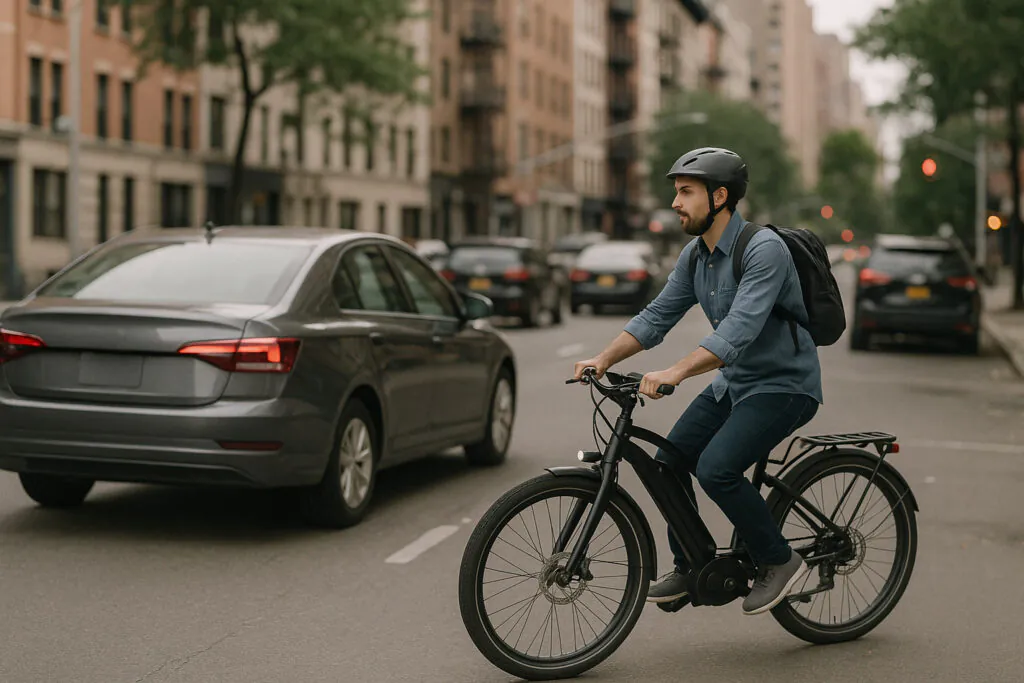
- Bicycle accidents and e-bike accidents
- Uber and Lyft accidents
- Bus accidents and subway accidents
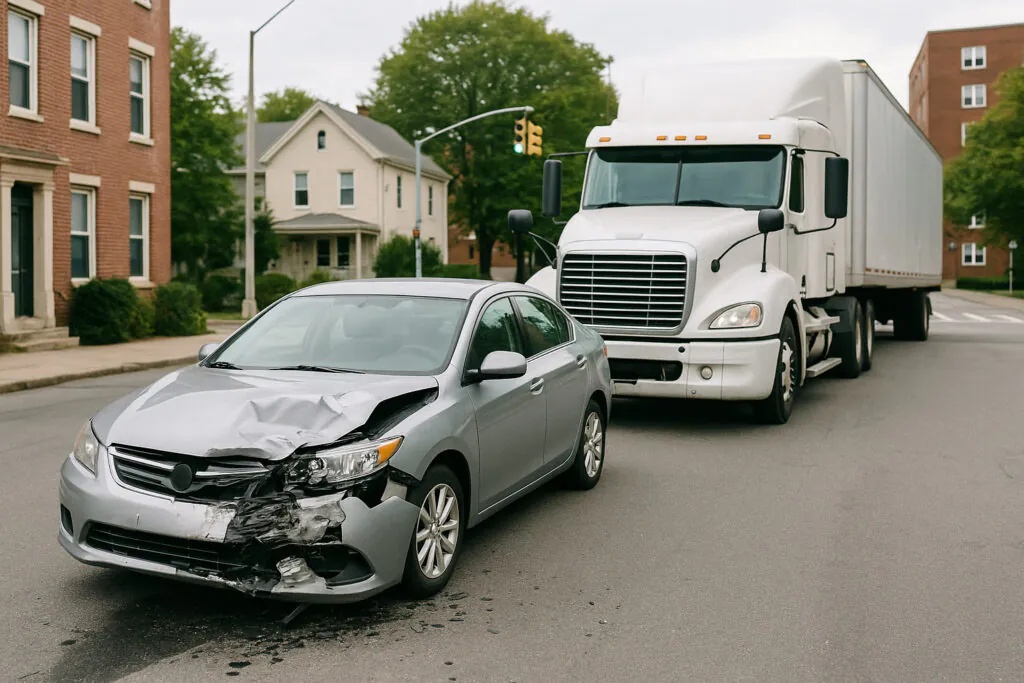
- Truck and commercial vehicle accidents
- Premises liability claims, including residential building accidents, commercial property accidents, and sidewalk falls
- Construction accidents
- Work injuries
- Medical malpractice
- Defective product injuries
- Dog bites
- Wrongful death
What to Do After an Accident
Your health comes first. Get medical attention, even if you are unsure how serious the injury is. Symptoms involving the head, neck, back, or soft tissue may become more noticeable after the initial shock wears off. When possible:- Call 911 and report the accident. Ask how to obtain the police or incident report.
- Photograph the scene. Include vehicles, traffic signals, floor conditions, broken pavement, stairs, weather, warning signs, and anything else that may have contributed.
- Identify witnesses. Get names and contact information before people leave.
- Report the incident to the appropriate person. This could be a property manager, store employee, employer, bus operator, police officer, or transit employee.
- Ask for an incident-report number. Do not rely on an oral assurance that the event was documented.
- Keep your clothing and damaged property. Do not repair, discard, or wash potentially important evidence without speaking to a lawyer.
- Avoid giving a recorded statement to another party’s insurer. An adjuster may ask questions designed to minimize the claim or shift fault.
- Save every medical and insurance document. Include discharge instructions, prescriptions, bills, disability notes, and correspondence.
Evidence That May Decide the Case
The strongest evidence is often evidence that will not exist for long. In Jackson Heights, that may include:- Storefront, apartment-building, and parking-lot video
- Subway-station or transit-system footage
- Bus video, GPS information, operator reports, and maintenance records
- Police body-camera footage and collision reports
- Traffic-signal records and street-design documents
- Uber, Lyft, taxi, or delivery-app trip data
- Vehicle event-data recorder information
- Cellphone records in a distracted-driving case
- Building inspection, cleaning, repair, and complaint records
- Snow and ice removal logs
- Construction-site photographs, contracts, permits, and safety records
- Witness statements
- Medical imaging and specialist reports
- Employment, tax, and wage-loss records
New York Laws and Deadlines
Deadlines depend on what happened and who may be responsible. Waiting for your treatment to end before speaking with a lawyer can be dangerous.Negligence claims
Many New York negligence lawsuits must be filed within three years under CPLR § 214.Medical malpractice
A medical malpractice case generally must be filed within two years and six months of the malpractice or the end of qualifying continuous treatment under CPLR § 214-a.Wrongful death
A wrongful death action generally must be started within two years after the death under EPTL § 5-4.1.No-fault insurance deadlines
After a motor vehicle accident, the applicable insurer generally must receive written notice of the no-fault claim within 30 days. Medical bills generally must be submitted within 45 days, and wage-loss documentation within 90 days. The New York Department of Financial Services explains these deadlines. These insurance deadlines are separate from the deadline for filing a lawsuit.The serious-injury requirement
New York’s no-fault law generally requires a qualifying “serious injury” before a covered person can recover pain-and-suffering damages in many motor vehicle cases. The current categories appear in Insurance Law § 5102, with the right to pursue non-economic damages governed by Insurance Law § 5104. A 2026 amendment removed the former 90-out-of-180-day category. Objective medical evidence—including imaging, specialist findings, surgical records, and documented limitations—therefore deserves early attention.What If You Were Partly at Fault?
Do not assume that an allegation of fault ends your case. For most non-motor-vehicle negligence cases, New York follows pure comparative negligence. Under CPLR § 1411(a), your compensation can be reduced by your percentage of responsibility, but partial fault does not automatically prevent a recovery. The rule changed for many motor vehicle injury cases in May 2026. Under current CPLR § 1411(b), a claimant in an action subject to New York’s no-fault law can be barred from recovery if the claimant’s fault is greater than the combined fault of the parties being sued. If the claimant is not over that threshold, the award can still be reduced based on the claimant’s share of fault. That makes early investigation especially important in intersection, pedestrian, lane-change, left-turn, and multi-vehicle cases. Video or a neutral witness may determine whether the insurer’s version of events holds up.Who May Be Responsible?
Responsibility is not always limited to the person who appeared to cause the accident. Depending on the circumstances, a claim may involve:- A negligent driver
- The vehicle owner
- A driver’s employer
- A trucking or delivery company
- A rideshare company or its insurer
- A property owner, commercial tenant, or managing agent
- A cleaning, security, or maintenance contractor
- A landlord or building owner
- A construction owner, general contractor, or subcontractor
- A manufacturer or distributor of defective equipment
- New York City or another government entity
- The New York City Transit Authority or another transit-related entity
- A public hospital or healthcare provider
BILLY COOPER LAW
Questions About a Jackson Heights Injury Claim?
Compensation After a Serious Injury
Compensation depends on the evidence, available insurance, applicable law, and the effect of the injury on your life. A personal injury claim may include:- Past and future medical expenses
- Lost wages
- Reduced future earning capacity
- Rehabilitation and therapy
- Medication and medical equipment
- Transportation and household assistance
- Pain and suffering
- Loss of enjoyment of life
- Permanent disability, scarring, or disfigurement
Claims Involving the City, Transit System, or Another Public Entity
Government and transit claims require particular care. If an injury involved a city-owned vehicle, public sidewalk, roadway defect, subway station, MTA or NYCTA operation, public school, public hospital, or government employee, a formal notice may be required within 90 days. Claims subject to General Municipal Law § 50-e may also have a lawsuit deadline of one year and 90 days under General Municipal Law § 50-i. Claims involving the New York City Transit Authority have additional requirements under Public Authorities Law § 1212. It is also important not to assume that the government is responsible merely because an injury happened on a street, sidewalk, or transit property. An adjacent owner, tenant, contractor, utility, or private operator may have caused or controlled the condition. If a public entity may be involved, find out which deadlines apply before evidence is lost.Local Courts, Hospitals, and Agencies
Depending on the accident, local records may be held by several organizations.- The NYPD 115th Precinct serves Jackson Heights, East Elmhurst, North Corona, and LaGuardia Airport. It is located at 92-15 Northern Boulevard, Jackson Heights NY 11372.
- Serious personal injury lawsuits arising in Queens are commonly handled in Queens County Supreme Court, Civil Term, including the Jamaica courthouse at 88-11 Sutphin Boulevard, Jamaica NY 11435.
- NYC Health + Hospitals/Elmhurst is a major nearby medical facility, although ambulance crews determine the appropriate destination based on the patient’s condition and available resources.
- NYC DOT may hold roadway, signal, project, permit, inspection, or street-design records.
- The MTA or New York City Transit Authority may hold station, bus, train, maintenance, surveillance, and incident records.
- The Department of Buildings may have inspection, violation, permit, and property records relevant to a construction or building case.
How Billy Cooper Law Investigates a Jackson Heights NY Injury
A careful investigation begins with the location and the people involved, but it should not stop there. Billy Cooper Law may:- Visit or document the accident scene.
- Send preservation requests for video and electronic records.
- Obtain police, transit, property, construction, or incident reports.
- Identify every person and entity that controlled the location.
- Review leases, maintenance contracts, work agreements, and insurance policies.
- Interview witnesses.
- Analyze vehicle, rideshare, bus, or delivery records.
- Work with medical specialists and other experts when necessary.
- Document lost income and future financial needs.
- Prepare the case for litigation if the insurer will not resolve it fairly.
Frequently Asked Questions
Do I have a personal injury case?
You may have a claim if another person, business, property owner, employer, contractor, healthcare provider, or government entity failed to act with reasonable care and that failure caused your injury. A lawyer will need to review the facts, evidence, deadlines, and available insurance.Who pays my medical bills after a car accident?
New York no-fault insurance generally pays the first layer of medical expenses and certain wage losses regardless of fault. The claim usually goes to the insurer covering the vehicle you occupied. A pedestrian generally applies through the vehicle that struck them. Different rules may apply when no insured vehicle can be identified.Should I speak with the insurance adjuster?
You should report claims as required, but you do not have to give the other party’s insurer a recorded statement before understanding your rights. Adjusters may ask questions about fault, prior injuries, treatment gaps, and your daily activities. Those answers can later be used to challenge the claim.What if I was injured on a bus or subway?
Report the incident immediately and obtain identifying information for the route, vehicle, station, operator, time, and direction of travel. Transit cases can involve short notice requirements, so preserving video and filing the correct documents quickly is important.What if I fell outside a store or apartment building?
Photograph the exact defect and the surrounding area. Report the fall in writing and identify who owned, occupied, managed, or maintained the property. Liability may depend on who created the condition or knew—or should have known—that it was there.How long will my case take?
Some claims resolve within months. Others take several years, particularly when injuries are still developing, responsibility is disputed, multiple defendants are involved, or a trial is necessary. A settlement should account for the medical outlook rather than simply ending the case quickly.How much does it cost to hire Billy Cooper Law?
The firm offers free consultations and handles personal injury claims on a contingency-fee basis. There is no upfront attorney’s fee, and no attorney’s fee is owed unless the firm obtains compensation.Does Billy Cooper Law have an office in Jackson Heights NY?
The firm does not list a Jackson Heights office. Its website lists an office at 245 Main Street, Suite 510, White Plains NY 10601, and a by-appointment location at 4746 Broadway, New York NY 10040. The firm represents clients throughout Queens and New York City.Can I speak with someone in Spanish?
Yes. Billy Cooper Law provides information and assistance in Spanish.Related Information
- New York personal injury claims
- Meet the Billy Cooper Law team
- Review the firm’s published case results
- Contact Billy Cooper Law
Tell Us What Happened
If you were injured in Jackson Heights NY, you do not need to determine the correct defendant, insurance policy, or filing deadline before asking for help. Tell Billy Cooper Law what happened. The firm can review the circumstances, explain which deadlines may apply, and discuss practical next steps. Call (718) 866-3311 or request a free consultation. There is no upfront attorney’s fee, and no attorney’s fee unless the firm recovers compensation for you.Communities We Serve
- Queens County
- Murray Hill–Broadway Flushing
- Jamaica
- Ridgewood
- Flushing–Willets Point
- Corona
- South Ozone Park
- Forest Hills
- Jackson Heights
- Elmhurst
- Queens Village
Sources
Billy Cooper Law
- Billy Cooper Law homepage
- Personal injury practice
- Meet the team
- William H. Cooper attorney profile
- Case results
- Contact and office information
- Spanish-language firm information
- Car accidents
- Motorcycle accidents
- Pedestrian accidents
- Bicycle accidents
- E-bike accidents
- Uber and Lyft accidents
- Bus accidents
- Subway accidents
- Truck and commercial vehicle accidents
- Premises liability
- Residential building accidents
- Commercial property accidents
- Sidewalk falls
- Construction accidents
- Work accidents
- Medical malpractice
- Products liability
- Dog bites
- Wrongful death
Local, Court, Insurance, and Legal Sources
- NYPD 115th Precinct
- NYPD 115th Precinct TrafficStat report
- NYC DOT 34th Avenue Open Street
- NYC DOT 34th Avenue redesign announcement
- MTA Jackson Heights neighborhood transit map
- Queens County Supreme Court, Civil Term
- NYC Health + Hospitals/Elmhurst
- New York Department of Financial Services no-fault insurance FAQs
- New York Department of Financial Services Regulation 68
- CPLR § 214
- CPLR § 214-a
- CPLR § 1411
- Insurance Law § 5102
- Insurance Law § 5104
- General Municipal Law § 50-e
- General Municipal Law § 50-i
- Estates, Powers and Trusts Law § 5-4.1
- Public Authorities Law § 1212
BILLY COOPER LAW
Ready to Discuss What Happened?
Putting Over 75 Years of Combined Experience on Your Side
Putting Over 75 Years of Combined Experience on Your Side
Putting Over 75 Years of Combined Experience on Your Side
Putting Over 75 Years of Combined Experience on Your Side
Putting Over 75 Years of Combined Experience on Your Side
Putting Over 75 Years of Combined Experience on Your Side
Putting Over 75 Years of Combined Experience on Your Side
Putting Over 75 Years of Combined Experience on Your Side
Putting Over 75 Years of Combined Experience on Your Side
Putting Over 75 Years of Combined Experience on Your Side
Get the Answers You Need
At Billy Cooper Law, every day we renew our pledge to help injured people get the justice and compensation they deserve. We have a reputation throughout New York and nationally for standing up for our clients, and we take that responsibility seriously by approaching every case with preparation, persistence, and an unwavering commitment to results.