Elmhurst NY Personal Injury Lawyer
A serious injury can disrupt every part of your life. You may be dealing with pain, missed work, medical appointments, insurance calls, and questions no one has answered clearly. If someone else caused the harm, you deserve to understand what happened, who may be responsible, and what needs to be done next.Other cities we serve in Queens County, NY:
- Queens County
- Murray Hill–Broadway Flushing
- Jamaica
- Ridgewood
- Flushing–Willets Point
- Corona
- South Ozone Park
- Forest Hills
- Jackson Heights
- Queens Village

Why Injured People Turn to Billy Cooper Law
The consequences of an injury are rarely limited to medical bills. An injury may affect your income, mobility, independence, family responsibilities, and future plans. Your lawyer needs to understand that full picture before discussing a settlement. According to its personal injury practice page, Billy Cooper Law brings more than 75 years of combined experience to injury cases. Its published results include serious motor-vehicle, construction, wrongful-death, and catastrophic injury matters. The firm prepares cases with litigation in mind rather than assuming every claim will settle quickly. Anieska Garcia provides bilingual representation for Spanish-speaking clients, and the firm handles personal injury cases on a contingency basis. There is no upfront legal fee, and the firm is paid only if compensation is recovered.Why Personal Injury Cases Are Different in Elmhurst NY
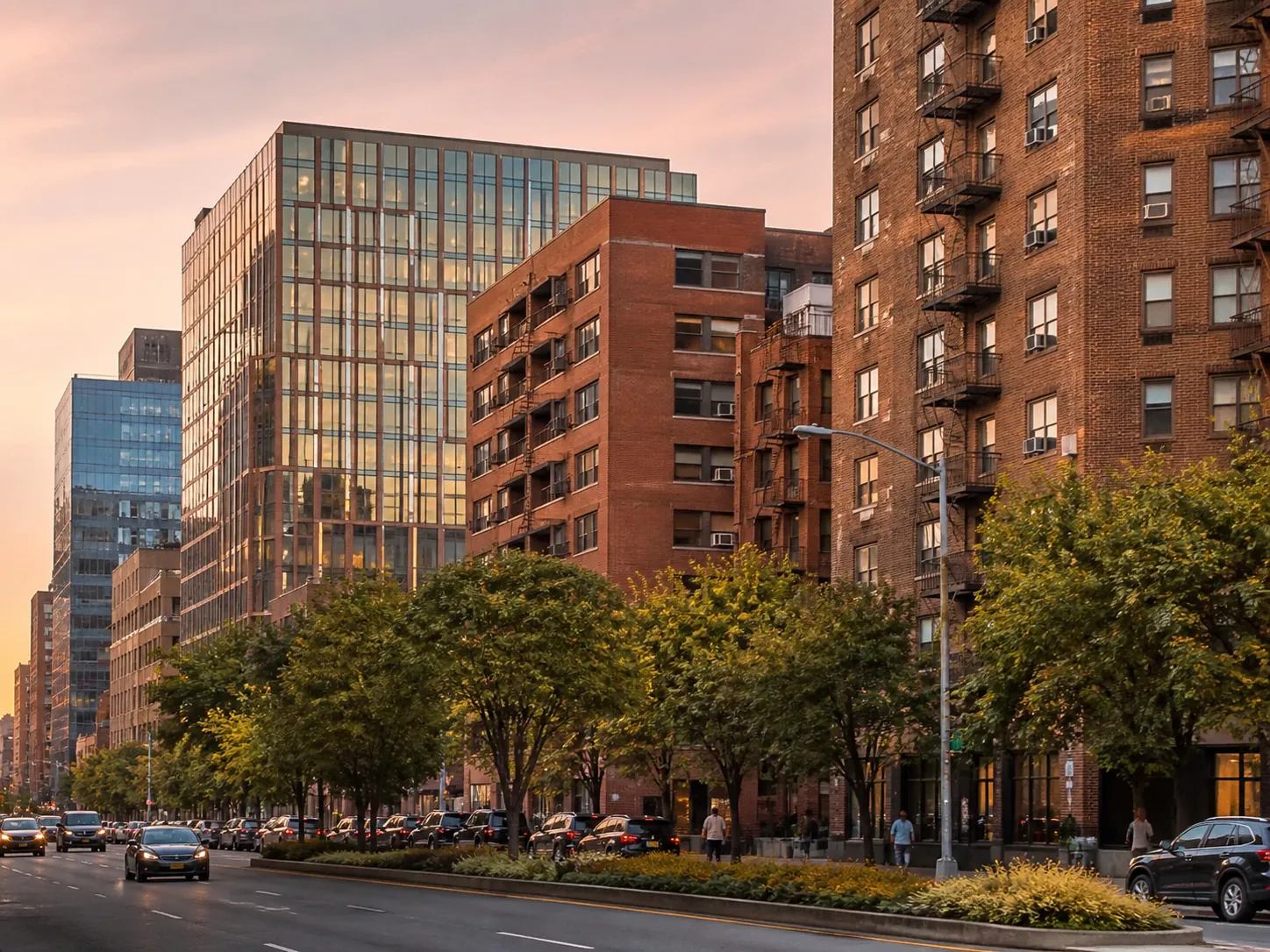
Elmhurst combines major traffic corridors, dense residential blocks, active commercial areas, apartment buildings, construction, and heavily used public transportation. Those conditions can create several possible defendants—and several places where evidence may be found. A collision near Queens Boulevard and Broadway may involve traffic-signal timing, turning lanes, service roads, delivery vehicles, nearby surveillance cameras, or a public bus. A sidewalk fall may require an investigation into the adjoining property owner, a commercial tenant, a utility company, a City contractor, or a street tree. An injury inside an apartment building may involve the landlord, management company, maintenance contractor, or another entity with control over the property. The location does more than identify where the accident happened. It helps determine:- Who owned or controlled the site
- Which insurance policies may apply
- Whether a government entity must receive notice
- Where cameras, permits, complaints, and inspection records may exist
- Which court may hear the case
An Elmhurst and Queens Accident Snapshot
Queens remains one of the busiest and most varied traffic environments in New York City. According to NYC DOT’s 2025 year-end report, 57 people were killed in Queens traffic crashes in 2025. The agency’s 2024 bicycle and traffic crash report recorded 15,832 traffic injuries in Queens in 2024, including 2,437 injured pedestrians and 1,613 injured users of motorized two-wheelers. The danger is not evenly distributed. In its 2015 Queens Pedestrian Safety Action Plan, NYC DOT reported that the Broadway and Queens Boulevard intersection had averaged 47 crashes per year before safety changes. In the first year after the project, pedestrian injuries there declined by 79%. Those improvements matter, but they do not eliminate the risks created by wide crossings, turning vehicles, service roads, congestion, and heavy pedestrian activity.Where Serious Injuries Happen in Elmhurst
Queens Boulevard and Broadway
The Queens Boulevard, Broadway, and Grand Avenue area brings together multiple roadways, service lanes, subway entrances, bus activity, retail traffic, and long pedestrian crossings. When someone is struck or a collision occurs there, the investigation may need to address lane markings, signals, sight lines, turning movements, parked vehicles, and whether a driver failed to yield. Video may be available from stores, buildings, buses, or traffic cameras, but it may not be retained for long.Roosevelt Avenue and Elmhurst’s Commercial Corridors
Roosevelt Avenue, Broadway, and nearby shopping blocks carry steady pedestrian, delivery, rideshare, taxi, bicycle, and e-bike traffic. Double parking and frequent pickups can obstruct sight lines or force riders into active lanes. These cases often depend on details that disappear quickly: where a vehicle stopped, whether a crosswalk was blocked, the timing of a signal, and what a nearby camera recorded.Apartment Buildings and Sidewalks
Elmhurst has many multifamily residential buildings. Injuries may occur on stairs, in lobbies, near entrances, in elevators, or on sidewalks outside the property. The legally responsible party is not always the person whose name appears on the building. Ownership records, management agreements, leases, maintenance contracts, and repair records may all be relevant.Construction and Renovation Sites
Construction workers may have claims beyond workers’ compensation when an owner, general contractor, subcontractor, equipment company, or another third party contributed to the accident. Falls, unstable ladders, defective scaffolds, falling materials, and unsafe work areas may also raise claims under New York’s worker-safety laws.Personal Injury Cases Billy Cooper Law Handles
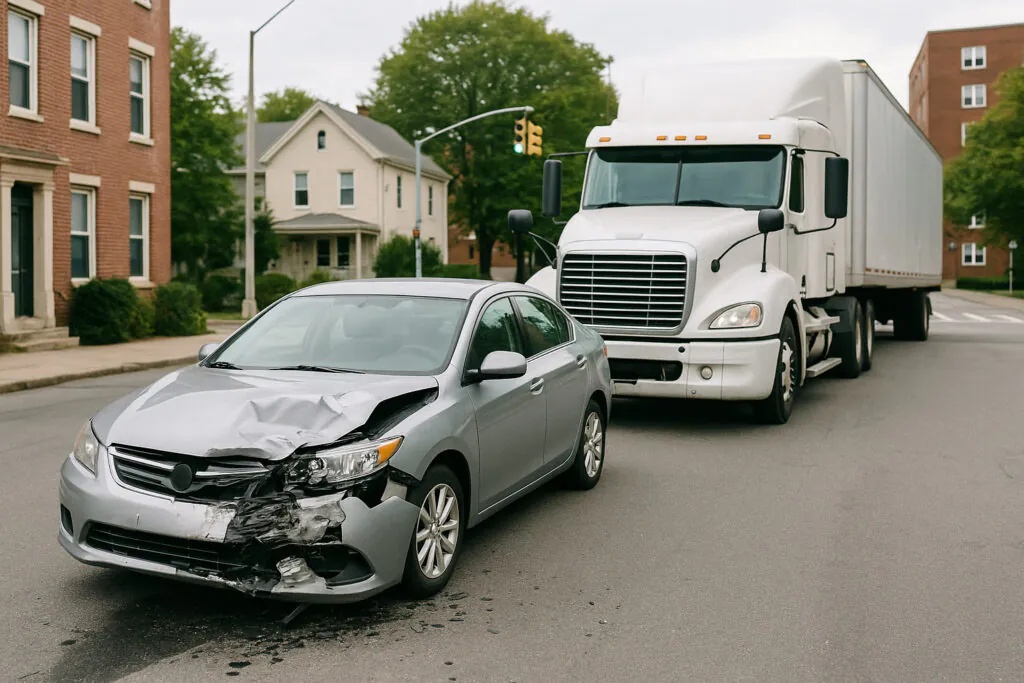
Billy Cooper Law represents clients in cases involving:- Car accidents, commercial truck and delivery vehicle accidents, and Uber and Lyft accidents
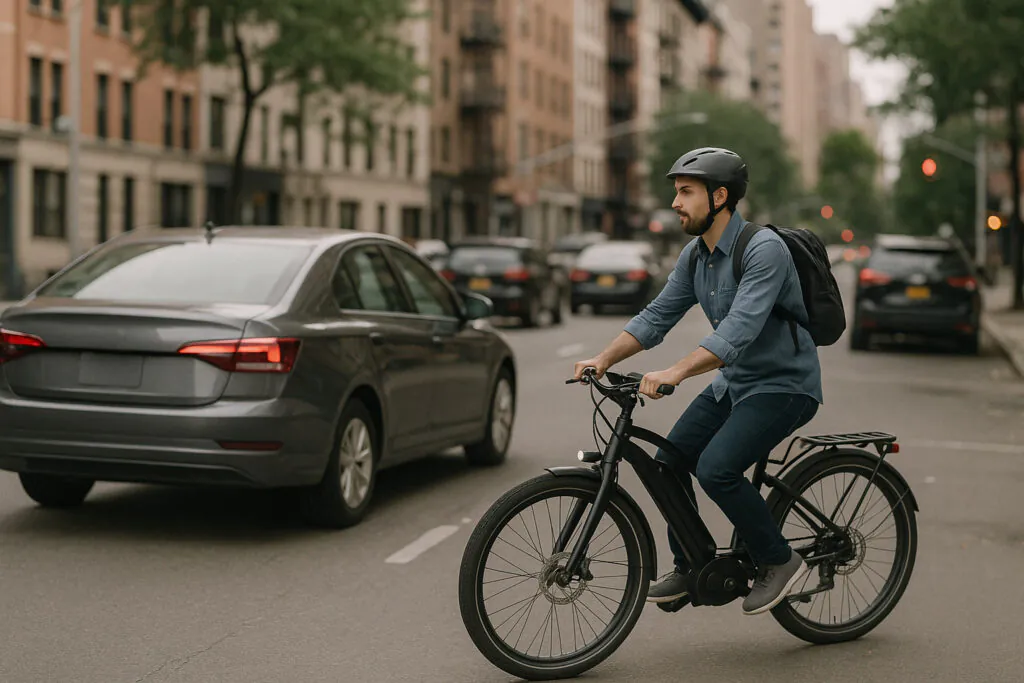
- Pedestrian accidents, bicycle accidents, and e-bike accidents
- Bus accidents and subway accidents
- Premises liability, including unsafe stairs, floors, entrances, sidewalks, stores, and apartment buildings
- Construction accidents and work injuries
- Medical malpractice
- Dog bites and defective products
- Catastrophic injuries and wrongful death
What to Do After an Accident
Start with your health. Call 911 when appropriate and get medical care, even if you are not yet sure how serious the injury is. Adrenaline can hide symptoms, and some head, neck, back, and internal injuries become more apparent later. If you can do so safely:- Photograph the scene. Include the condition that caused the injury, surrounding area, vehicles, debris, signs, signals, lighting, and visible injuries.
- Report what happened. Ask for a police, property, workplace, or incident report.
- Identify witnesses. Get names and contact information before people leave.
- Preserve your clothing and damaged property. Do not repair, wash, or discard important items.
- Keep medical appointments. Gaps in treatment can affect your recovery and give an insurer room to argue that the injury was minor.
- Be careful with insurance calls. Do not guess, minimize symptoms, or agree to a recorded statement for another party’s insurer before understanding your rights.
- Ask about deadlines promptly. Government and no-fault claims can require action long before the ordinary lawsuit deadline.
Evidence That May Need to Be Preserved
Evidence in Elmhurst cases can disappear within days. Stores overwrite surveillance video. Vehicles are repaired. Sidewalks are patched. Construction sites change. Witnesses become difficult to locate. Depending on the accident, useful evidence may include:- Storefront, lobby, parking-garage, doorbell, bus, or subway video
- Police and incident reports
- Photographs and measurements of the scene
- Vehicle event-data recorder information
- Cellphone and driver-app records
- Delivery, rideshare, or commercial vehicle logs
- Building inspection and maintenance records
- Elevator service records
- NYC Department of Transportation permits and sidewalk files
- 311 complaints and prior accident reports
- Department of Buildings permits and violations
- Construction contracts, daily logs, safety plans, and photographs
- Medical records, imaging, and employment documentation
New York Laws and Deadlines
New York provides different deadlines for different claims. The shortest applicable deadline is usually the one that matters most. Under CPLR § 214, many negligence-based personal injury lawsuits must be filed within three years. That general rule has important exceptions. Medical malpractice cases are generally subject to a two-year-and-six-month period under CPLR § 214-a, although continuous treatment and limited discovery rules may affect the calculation. A wrongful-death action ordinarily must be filed within two years after the death under EPTL § 5-4.1. Claims against New York City and many other public entities may require a Notice of Claim within 90 days under General Municipal Law § 50-e. The lawsuit itself may then be subject to a one-year-and-90-day period under General Municipal Law § 50-i. Waiting for the three-year deadline can therefore be a serious mistake.How No-Fault Insurance Works After a Vehicle Accident
New York no-fault insurance generally provides an initial source of payment for medical treatment, a portion of lost earnings, and certain necessary expenses after a motor-vehicle accident, regardless of who caused the crash. Basic economic loss coverage is generally limited to $50,000 per person under Insurance Law § 5102. An occupant usually applies through the insurer covering the vehicle they were in. A pedestrian generally applies through the insurer for the vehicle that struck them. Separate deadlines apply. The New York Department of Financial Services explains that written notice of a no-fault claim is generally required within 30 days of the accident. Medical bills generally must be submitted within 45 days of treatment, and lost-earnings claims generally must be submitted within 90 days after the loss is incurred. No-fault benefits are separate from a liability claim against the responsible driver. Under Insurance Law § 5104, many people injured in vehicle accidents must also satisfy New York’s “serious injury” threshold before recovering damages for pain and suffering.What If You Were Partly at Fault?
New York changed its comparative-fault rules for many motor-vehicle cases in 2026. For actions subject to the no-fault law and commenced on or after May 26, 2026, CPLR § 1411(b) bars recovery if the injured person’s share of fault is greater than the fault of the defendant or the defendants combined. If the injured person is 50% at fault or less, compensation may still be recovered but is reduced by that percentage. Most non-vehicle personal injury cases continue to use pure comparative negligence. In those cases, partial fault generally reduces compensation rather than eliminating the claim. The same 2026 legislation also removed the former “90/180-day” category from the statutory serious-injury definition for covered motor-vehicle actions commenced on or after May 26, 2026. The New York Department of Financial Services’ 2026 guidance explains these changes. These rules make early proof of fault and objective medical documentation especially important in car, pedestrian, bicycle, and e-bike cases.BILLY COOPER LAW
Questions About a Elmhurst Injury Claim?
Who May Be Responsible?
Liability depends on who created the danger, who controlled the location, and who had an opportunity to prevent the injury. Potential defendants may include:- A careless driver and the vehicle’s owner
- A driver’s employer
- A delivery or commercial transportation company
- A rideshare company or its insurer
- A property owner, landlord, or management company
- A commercial tenant responsible for maintenance
- A snow-removal or cleaning contractor
- A general contractor, subcontractor, or construction owner
- A product manufacturer or distributor
- A doctor, medical practice, or hospital
- New York City, a public authority, or a transit entity
Sidewalk and Property Claims in Elmhurst
A fall on a public sidewalk does not necessarily mean New York City is the proper defendant. Under New York City Administrative Code § 7-210, an adjoining property owner is generally responsible for keeping the sidewalk reasonably safe. The statutory liability shift does not apply in the same way to one-, two-, or three-family residential properties that are owner-occupied and used exclusively as residences. Tree wells, pedestrian ramps, utility covers, subway hardware, curbs, and areas affected by public construction may involve different entities. If a claim is made against the City for a street or sidewalk defect, prior written notice of the condition may also become a central issue. A proper investigation should examine the precise location of the fall, property records, leases, inspection files, permits, prior complaints, repair history, and photographs taken before the condition changed.Compensation Available in a Personal Injury Case
Compensation should reflect both the financial losses caused by the injury and the ways it has changed your life. Depending on the case, recoverable damages may include:- Emergency and hospital bills
- Surgery, rehabilitation, and future medical treatment
- Lost wages and employment benefits
- Reduced future earning ability
- Home care and household assistance
- Medical equipment and transportation expenses
- Pain and suffering
- Emotional distress
- Disability, scarring, or disfigurement
- Loss of mobility and independence
- Reduced enjoyment of daily life
Claims Involving New York City, Transit, or a Public Hospital
Government involvement is common in Elmhurst cases. An accident may involve a City-owned street, public vehicle, bus or subway system, public construction project, or NYC Health + Hospitals facility. These cases are not interchangeable. New York City, the New York City Transit Authority, the Metropolitan Transportation Authority, and NYC Health + Hospitals are separate entities. Serving notice on the wrong organization may not protect a claim against the correct one. A claim involving a City defendant may also lead to a hearing under General Municipal Law § 50-h before a lawsuit proceeds. For City claims, the New York City Comptroller’s Office provides an electronic filing system, but filing the correct claim against the correct entity still requires careful attention. If a government agency may be involved, find out which deadlines apply before evidence disappears or the 90-day period runs.Local Courts, Hospital, and Agencies
The following institutions may become relevant after an injury in Elmhurst:- NYC Health + Hospitals/Elmhurst at 79-01 Broadway, Elmhurst NY 11373 provides neighborhood emergency and hospital care. Treatment records may later help document the timing, cause, and seriousness of an injury.
- The NYPD 110th Precinct covers Elmhurst and Corona. Its station is at 94-41 43rd Avenue, Elmhurst NY 11373.
- Significant personal injury lawsuits venued in Queens County may proceed in the Queens County Supreme Court Civil Term in Jamaica NY.
- Queens Community Board 4 covers Elmhurst, Corona, and Corona Heights and may have records or public materials concerning local transportation and construction issues.
- NYC DOT maintains street-work permits, sidewalk records, and other infrastructure information that may help establish who performed work at an accident location.
How Billy Cooper Law Investigates an Elmhurst Injury Case
The investigation begins by identifying the immediate deadlines and the evidence most likely to disappear. Depending on what happened, Billy Cooper Law may:- Inspect and photograph the location
- Send preservation demands for video and electronic records
- Identify property owners, tenants, contractors, and employers
- Review police reports and witness accounts
- Search building, sidewalk, permit, and complaint records
- Analyze insurance and no-fault coverage
- Obtain medical records and consult appropriate experts
- Document lost income and future care needs
- Work with engineers or accident-reconstruction professionals
- Prepare the claim for litigation if the insurer disputes fault or damages
Frequently Asked Questions
How long do I have to file a personal injury claim?
Many New York negligence cases have a three-year statute of limitations, but medical malpractice, wrongful death, no-fault, municipal, and transit claims can have much shorter deadlines. A government Notice of Claim may be due within 90 days.Should I speak with the insurance adjuster?
You should notify the appropriate insurer when required, but you do not have to give another party’s insurer an unplanned recorded statement. Adjusters may ask questions designed to minimize your injuries or shift fault.Can I recover if I was partly responsible?
Possibly. In many non-vehicle cases, your compensation may be reduced by your percentage of fault. In covered motor-vehicle actions commenced on or after May 26, 2026, recovery may be barred if your share of fault is greater than 50%.Who pays my medical bills after a car accident?
New York no-fault insurance generally pays the initial layer of covered medical expenses and certain wage losses. The correct insurer depends on whether you were a driver, passenger, pedestrian, or cyclist.Who is responsible for an unsafe sidewalk?
Often it is the adjoining property owner, but exceptions apply. The City, a utility company, transit authority, contractor, or another entity may be involved depending on the exact location and cause of the defect.What if my accident involved a bus, subway, or City vehicle?
You may have a claim, but public-entity notice requirements can apply. Identifying the vehicle owner and operating agency quickly is important because similar-looking City and transit vehicles may be owned by different legal entities.How much does it cost to contact Billy Cooper Law?
The firm offers free consultations and handles personal injury matters on a contingency basis. There is no upfront legal fee, and the firm is paid only if it recovers compensation for you.Related Information
Learn more about Billy Cooper Law’s representation in:- New York personal injury cases
- Car accident claims
- Premises liability cases
- Construction accident cases
- Medical malpractice cases
- Wrongful death cases
Tell Us What Happened
You do not need to know which law applies or who should be named in a claim before calling. Start with what happened, where it happened, and how you were injured. Billy Cooper Law can review the circumstances, explain the immediate deadlines, and discuss practical next steps. If surveillance footage, a public agency, or a no-fault claim may be involved, early action can make a meaningful difference. Call (718) 866-3311 or (914) 730-5789, or contact Billy Cooper Law online for a free consultation.Communities We Serve
- Queens County
- Murray Hill–Broadway Flushing
- Jamaica
- Ridgewood
- Flushing–Willets Point
- Corona
- South Ozone Park
- Forest Hills
- Jackson Heights
- Elmhurst
- Queens Village
Sources
Billy Cooper Law
- Billy Cooper Law official website
- Billy Cooper Law personal injury practice
- Billy Cooper Law practice areas
- Billy Cooper Law case results
- Billy Cooper attorney profile
- Anieska Garcia attorney profile
- Billy Cooper Law contact information
Local Data and Agencies
- NYC DOT: 2025 traffic deaths year-end report
- NYC DOT: 2024 bicycle and traffic crash data report
- NYC DOT: Queens Pedestrian Safety Action Plan
- NYC DOT: Queens Boulevard redesign results
- NYPD 110th Precinct
- Queens Community Board 4
- NYC DOT sidewalk maintenance and repair
- NYC Health + Hospitals/Elmhurst
- Queens County Supreme Court Civil Term
- New York City Comptroller: File a claim
New York Law and Insurance
- CPLR § 214: Personal injury limitation period
- CPLR § 214-a: Medical malpractice limitation period
- CPLR § 1411: Comparative fault
- EPTL § 5-4.1: Wrongful death actions
- General Municipal Law § 50-e: Notice of Claim
- General Municipal Law § 50-i: Municipal tort actions
- Insurance Law § 5102: No-fault definitions and serious injury
- Insurance Law § 5104: Motor-vehicle personal injury actions
- New York Department of Financial Services: No-fault insurance FAQs
- New York Department of Financial Services: 2026 motor-vehicle insurance reforms
BILLY COOPER LAW
Ready to Discuss What Happened?
Putting Over 75 Years of Combined Experience on Your Side
Putting Over 75 Years of Combined Experience on Your Side
Putting Over 75 Years of Combined Experience on Your Side
Putting Over 75 Years of Combined Experience on Your Side
Putting Over 75 Years of Combined Experience on Your Side
Putting Over 75 Years of Combined Experience on Your Side
Putting Over 75 Years of Combined Experience on Your Side
Putting Over 75 Years of Combined Experience on Your Side
Putting Over 75 Years of Combined Experience on Your Side
Putting Over 75 Years of Combined Experience on Your Side
Get the Answers You Need
At Billy Cooper Law, every day we renew our pledge to help injured people get the justice and compensation they deserve. We have a reputation throughout New York and nationally for standing up for our clients, and we take that responsibility seriously by approaching every case with preparation, persistence, and an unwavering commitment to results.