Forest Hills NY Personal Injury Lawyer
A serious injury can leave you trying to solve several problems at once. You may need medical care, time away from work, help with transportation, and answers from an insurance company that has already started protecting its own interests. The legal questions can be just as immediate. Who controlled the place where you were hurt? Is important video about to be erased? Does New York’s no-fault system apply? Was a city agency or transit authority involved? How long do you have to act?Other cities we serve in Queens County, NY:
- Queens County
- Murray Hill–Broadway Flushing
- Jamaica
- Ridgewood
- Flushing–Willets Point
- Corona
- South Ozone Park
- Jackson Heights
- Elmhurst
- Queens Village

A Law Firm Prepared for Serious Injury Cases
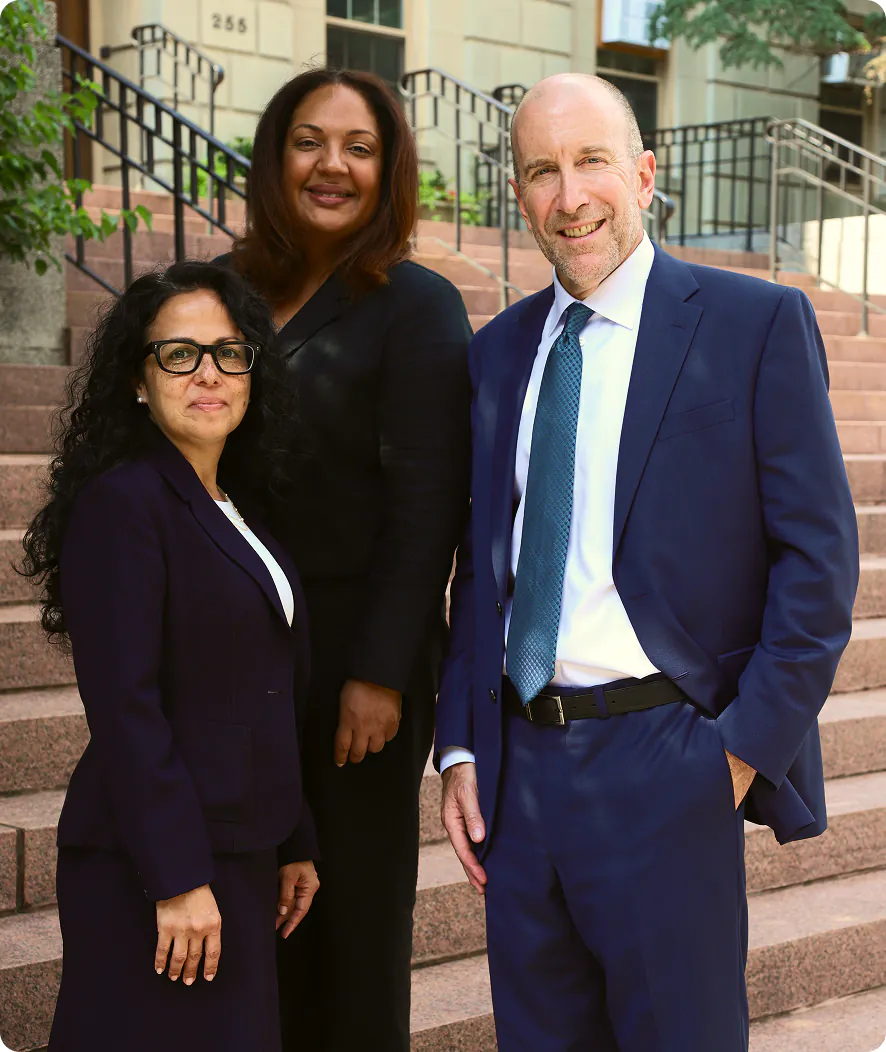
When an injury may affect the rest of your life, you need a lawyer who looks beyond the first hospital bill. Billy Cooper Law brings more than 75 years of combined experience to personal injury cases. William H. Cooper began practicing in 1991 and has spent decades preparing and trying significant injury claims. Attorney Anieska J. Garcia provides bilingual representation for clients who prefer to discuss their case in Spanish. The firm’s published case results include a $9 million catastrophic injury settlement, a $2.4 million wrongful death settlement involving a tractor-trailer collision, a $2.005 million construction accident settlement, and pedestrian accident recoveries of $1.6 million and $700,000. Those results are relevant because serious cases require more than proof that an accident occurred. The lawyer must be able to explain future medical needs, reduced earning ability, permanent limitations, and the ways an injury has changed daily life. Billy Cooper Law offers free consultations and handles personal injury cases on a contingency-fee basis. You do not pay an upfront legal fee, and the firm is paid only if compensation is recovered.Why Personal Injury Cases in Forest Hills Are Different
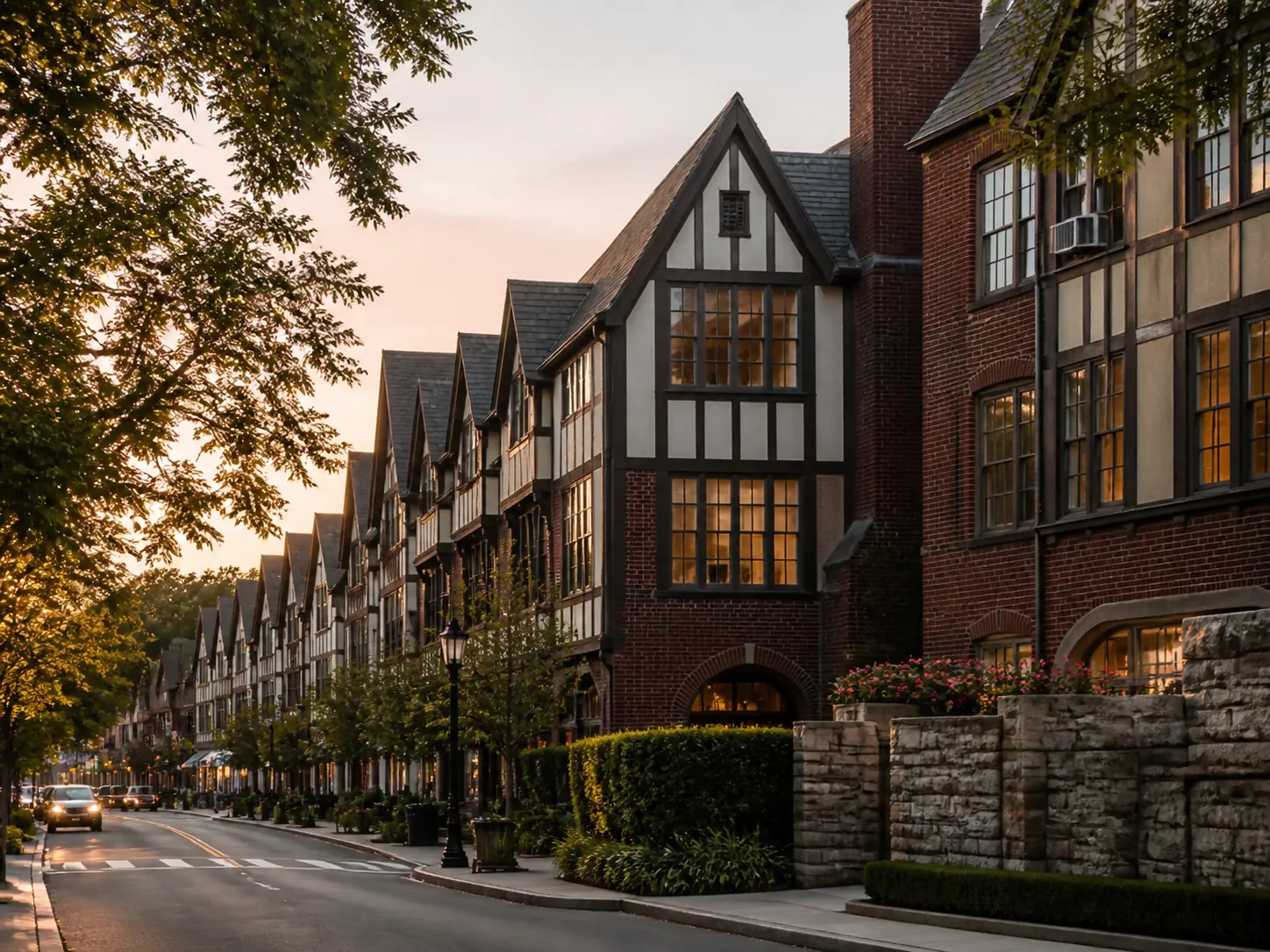
Forest Hills combines high-volume traffic, major transit facilities, apartment buildings, retail corridors, and quieter residential streets within a relatively compact area. That mix affects both how injuries occur and how they must be investigated. A collision on Queens Boulevard may involve several drivers, a rideshare company, a commercial vehicle owner, or questions about signal timing and road work. A fall near Austin Street may require an immediate request for surveillance footage from more than one business. An injury in or around the Forest Hills–71 Avenue subway station may involve the New York City Transit Authority, a maintenance contractor, or a private property owner, depending on exactly where the incident occurred. Responsibility is not always obvious from the scene. A sidewalk may be maintained by an adjacent owner, a tenant, a contractor, or the City. An apartment building accident may require reviewing leases and management agreements. A construction injury can involve the owner, general contractor, subcontractors, and equipment companies. Determining who controlled the location is often one of the most important parts of the case.A Local Accident Snapshot
Forest Hills and Rego Park make up Queens Community District 6. At a March 2026 Community Board meeting, a street-safety presentation reported that the district had averaged 11 crash injuries each week over the prior decade and approximately two traffic fatalities per year. About 70% of those fatalities involved pedestrians or cyclists. There has been meaningful progress on Queens Boulevard. NYC DOT completed a major redesign between Yellowstone Boulevard and Union Turnpike in 2021. The agency later reported that the project was associated with a 45% reduction in pedestrian injuries and a 20% reduction in total crash injuries. Those improvements matter, but they do not eliminate the risks created by turning vehicles, long crossings, delivery traffic, buses, bicycles, e-bikes, and the steady movement of people to and from subway, bus, and LIRR service.Where Serious Injuries Happen in Forest Hills
Local injury cases tend to arise where different kinds of traffic and property control overlap. Queens Boulevard is the clearest example. Drivers move through a corridor that also serves bus riders, subway passengers, cyclists, shoppers, and residents crossing between apartment buildings and businesses. A crash investigation may require traffic-camera footage, nearby commercial video, signal records, vehicle data, and witness accounts from people who left the area quickly. Around 71st Avenue and Continental Avenue, the Forest Hills–71 Avenue station serves the E, F, M, and R lines, while buses, taxis, rideshare vehicles, delivery drivers, and pedestrians compete for space above ground. Evidence may be held by a business, the NYPD, the Transit Authority, a private vehicle owner, or a transportation company. Austin Street presents a different set of risks. Falls and pedestrian collisions may happen near store entrances, loading areas, curb cuts, restaurant spaces, and construction work. The relevant defendants may include a building owner, commercial tenant, management company, snow-removal service, or maintenance contractor. Residential cases often involve apartment stairs, elevators, hallways, courtyards, sidewalks, and poorly maintained entryways. These claims commonly turn on repair records, prior tenant complaints, inspection practices, and proof that the dangerous condition existed long enough to be discovered.Personal Injury Cases Billy Cooper Law Handles
Billy Cooper Law represents people injured in:- Motor vehicle accidents, including car accidents, truck and commercial vehicle accidents, motorcycle accidents, Uber and Lyft accidents, bicycle accidents, pedestrian accidents, bus accidents, and subway accidents
- Premises liability claims involving unsafe stores, apartment buildings, stairs, elevators, sidewalks, parking areas, snow, ice, or inadequate security
- Construction accidents and other work-related injuries
- Medical malpractice and birth injuries
- Dog bites and animal attacks
- Defective product injuries
- Catastrophic injuries, including traumatic brain injuries and spinal cord injuries
- Wrongful death claims
What to Do After an Accident
Your health comes first. Call 911 or seek prompt medical care if you are injured. Symptoms of a concussion, internal injury, spinal injury, or torn ligament may not be obvious at the scene. When you can do so safely:- Report what happened. Call the police after a traffic collision. Report a fall to the property owner, manager, business, employer, or transit employee.
- Photograph the scene. Include the hazard, surrounding area, traffic controls, vehicle positions, weather conditions, and anything that may identify the location.
- Get witness information. A name and phone number may be enough. Do not assume the police or property manager collected it.
- Preserve physical evidence. Keep damaged clothing, shoes, helmets, vehicle parts, defective products, packaging, and receipts.
- Document your symptoms. Tell medical providers how the accident happened and report every affected body part.
- Be careful with insurance calls. You may need to notify an insurer promptly, but you are not required to guess, minimize your injuries, or accept an adjuster’s version of events.
- Ask about deadlines early. Claims involving the City, public transit, or no-fault benefits can require action long before the ordinary lawsuit deadline.
Evidence That Can Disappear Quickly
Many Forest Hills cases depend on evidence that will not remain available indefinitely. Useful evidence may include:- Store, apartment, parking garage, or building surveillance
- Subway station or transit vehicle video
- Dashcam and rideshare app records
- Vehicle event data and electronic logging information
- Traffic-signal timing and roadway work records
- 911 calls, police reports, and body-camera footage
- Property inspection and cleaning logs
- Prior complaints about a sidewalk, stairway, elevator, or security problem
- Snow-removal contracts and weather records
- Construction photographs, safety plans, and daily reports
- Medical records, wage statements, and employment records
New York Laws and Deadlines
Most New York negligence claims must be filed within three years under CPLR § 214. That is not a reason to wait. The filing deadline and the practical deadline for preserving evidence are two very different things. Other cases follow different rules:- Medical malpractice claims generally have a two-year-and-six-month limitations period, subject to specific exceptions under CPLR § 214-a.
- Claims against the City or another covered public corporation may require a Notice of Claim within 90 days under General Municipal Law § 50-e.
- A negligence lawsuit against the City generally must be commenced within one year and 90 days under General Municipal Law § 50-i.
- Claims against the New York City Transit Authority also have notice requirements and a general one-year-and-90-day filing period under Public Authorities Law § 1212.
How No-Fault Insurance Works After a Motor Vehicle Accident
New York’s no-fault system provides a first layer of benefits after many vehicle-related injuries, regardless of who caused the crash. Basic no-fault coverage generally provides up to $50,000 per person for qualifying economic losses. It can cover reasonable medical expenses, 80% of lost earnings up to $2,000 per month for as long as three years, and certain other necessary expenses. These benefits may apply to drivers, passengers, pedestrians, and cyclists, depending on the circumstances. The deadlines begin quickly. Under New York’s no-fault regulations:- Written notice of the accident is generally due within 30 days.
- Medical bills generally must be submitted within 45 days after treatment.
- Claims for lost earnings and other necessary expenses generally must be submitted within 90 days after the loss is incurred.
What If You Were Partly at Fault?
Do not assume that an accusation of fault ends your case. For most negligence claims outside New York’s no-fault motor vehicle system, CPLR § 1411(a) allows an injured person to recover compensation even when partially responsible. The award is reduced by that person’s percentage of fault. New York changed the rule for motor vehicle personal injury actions subject to Article 51 of the Insurance Law in 2026. Under CPLR § 1411(b), recovery is barred when the injured person’s share of fault is greater than the fault of the defendant or the combined fault of the defendants from whom recovery is sought. In practical terms, someone found 50% or less at fault may still recover in a covered motor vehicle case, with compensation reduced by that percentage. Someone found more than 50% at fault may be barred. That makes early investigation especially important. Fault may depend on video, vehicle speed, lane markings, signal timing, sight lines, witness statements, or delivery and rideshare records that an insurance company did not consider before assigning blame.BILLY COOPER LAW
Questions About a Forest Hills Injury Claim?
Who May Be Responsible?
The responsible party depends on how and where the injury occurred. A motor vehicle case may involve a negligent driver, vehicle owner, employer, trucking company, rideshare platform, repair business, or product manufacturer. A property case may involve a landlord, commercial tenant, management company, maintenance service, snow-removal contractor, security company, or adjacent property owner. Construction and worksite cases may involve owners, general contractors, subcontractors, equipment companies, and other third parties in addition to a workers’ compensation claim. A public-location injury may involve the City of New York, NYC DOT, the New York City Transit Authority, another public authority, or a private contractor working for an agency. The name on a sign or uniform does not always identify the legal entity responsible for the condition. Ownership, maintenance contracts, leases, permits, and operating agreements may all need to be reviewed.Compensation After a Serious Injury
A personal injury claim should account for what the accident has already cost you and what it is likely to cost in the future. Depending on the case, compensation may include:- Emergency care, hospitalization, surgery, and rehabilitation
- Future medical treatment and assistive equipment
- Lost wages
- Reduced future earning ability
- Home health care or household assistance
- Pain and suffering
- Emotional distress
- Permanent disability or disfigurement
- Loss of enjoyment of life
- Funeral expenses and qualifying financial losses in a wrongful death case
When a Government Agency or Transit Authority May Be Involved
Government claims require particular care because a missed notice deadline can prevent an otherwise valid case from moving forward. A claim involving a defective city street, traffic signal, public building, city vehicle, or other municipal condition may require a Notice of Claim within 90 days. The New York City Comptroller’s eClaim system accepts personal injury claims against the City, but filing the wrong form or naming the wrong entity may create serious problems. Transit cases can be equally complicated. The New York City Transit Authority, Metropolitan Transportation Authority, Long Island Rail Road, private bus contractors, and the City are legally distinct. The proper defendant may depend on whether the accident occurred on a train, bus, platform, staircase, sidewalk, or street-level entrance. If any public entity may be involved, do not wait for the ordinary three-year limitations period before asking which deadline applies.Local Courts, Hospital, and Agencies
A substantial personal injury lawsuit arising in Forest Hills may be filed in Queens County Supreme Court, Civil Term, located at 88-11 Sutphin Boulevard in Jamaica NY. The proper court and venue depend on the parties, damages, and other case-specific factors. The Queens County Civil Court, at 89-17 Sutphin Boulevard in Jamaica NY, hears civil claims involving damages up to $50,000. For emergency medical care, Long Island Jewish Forest Hills is located at 102-01 66th Road and has an emergency department. In an emergency, call 911 or go to the nearest appropriate medical facility. The NYPD 112th Precinct serves Forest Hills and maintains local traffic information. Depending on the accident, records may also be held by NYC DOT, the New York City Transit Authority, the Comptroller’s Office, a property owner, or a private transportation company.How Billy Cooper Law Investigates an Injury Case
An effective investigation begins by listening to you. The lawyer needs to understand not just how the accident occurred, but what has happened since. Billy Cooper Law may:- Visit and document the scene
- Identify property owners, contractors, employers, and insurers
- Send evidence-preservation notices
- Obtain police, transit, inspection, and maintenance records
- Request surveillance and electronic vehicle data
- Interview witnesses
- Review medical records and diagnostic imaging
- Consult medical, engineering, vocational, or financial experts
- Document lost income and future care needs
- Handle communications with insurance companies
- Prepare the case for litigation and trial when a fair resolution is not offered
Frequently Asked Questions
How much does it cost to speak with Billy Cooper Law?
The firm offers free consultations. Personal injury cases are handled on a contingency-fee basis, so there is no upfront legal fee.Do I have a case if I did not go to the hospital immediately?
Possibly. People sometimes delay care because of shock, uncertainty, or symptoms that develop gradually. Seek medical attention as soon as you recognize a problem, explain when the symptoms began, and avoid guessing about your diagnosis.Should I give the insurance company a recorded statement?
You may have contractual duties to cooperate with your own insurer, but recorded statements can affect both coverage and liability. It is sensible to speak with a lawyer before giving a detailed statement, particularly when fault or the seriousness of your injuries is disputed.What if there was no police report?
A missing report does not automatically defeat a claim. Photographs, medical records, witnesses, surveillance, incident reports, phone records, and other evidence may establish what happened. The absence of a report makes early investigation more important.Who pays medical bills after a Forest Hills car accident?
No-fault insurance generally provides the first layer of qualifying medical and wage-loss benefits. The correct insurer may depend on whether you were a driver, passenger, pedestrian, cyclist, or rideshare occupant.Can I recover after a fall if I did not photograph the hazard?
You may still have a claim, but the investigation may need to rely on surveillance, witnesses, inspection records, prior complaints, weather information, or photographs taken later. Contacting a lawyer promptly improves the chance of preserving those materials.How long will my personal injury case take?
It depends on the medical recovery, number of defendants, available insurance, liability disputes, and whether a lawsuit is necessary. A case should not be settled before its long-term medical and financial consequences are reasonably understood.Does Billy Cooper Law have an office in Forest Hills?
The firm does not list a Forest Hills office. Billy Cooper Law represents clients throughout New York City from its White Plains office and its New York NY meeting location at 4746 Broadway, which is available by appointment only.Related Resources
Learn more about New York personal injury claims, the firm’s attorneys and legal team, and its case results.Tell Us What Happened
You do not need to know who was legally responsible before calling. You do not need to understand the insurance policies or identify the correct government agency on your own. Tell Billy Cooper Law what happened, where it happened, and how the injury is affecting you. The firm will explain the next steps and the deadlines that may apply. Call (914) 730-5789 or contact Billy Cooper Law online for a free consultation.Communities We Serve
- Queens County
- Murray Hill–Broadway Flushing
- Jamaica
- Ridgewood
- Flushing–Willets Point
- Corona
- South Ozone Park
- Forest Hills
- Jackson Heights
- Elmhurst
- Queens Village
Sources
Billy Cooper Law
- Billy Cooper Law
- New York Personal Injury Lawyer
- Billy Cooper, Esq.
- Billy Cooper Law Case Results
- Billy Cooper Law Practice Areas
- Billy Cooper Law Site Map
- Billy Cooper Law Contact Information
- Motor Vehicle Accidents
- Car Accidents
- Truck and Commercial Vehicle Accidents
- Motorcycle Accidents
- Uber and Lyft Accidents
- Bicycle Accidents
- Pedestrian Accidents
- Bus Accidents
- Subway Accidents
- Premises Liability
- Construction Accidents
- Work Accidents
- Medical Malpractice
- Birth Injuries
- Dog Bites
- Products Liability
- Catastrophic Injuries
- Traumatic Brain Injuries
- Spinal Cord Injuries
- Wrongful Death
Forest Hills and Queens Resources
- Queens Community Board 6 Overview
- Queens Community Board 6 March 2026 Meeting Minutes
- NYC DOT Queens Boulevard Safety Improvements
- MTA Forest Hills Transit Information
- NYPD 112th Precinct
- Queens County Supreme Court, Civil Term
- Queens County Civil Court
- New York State Health Profile: Long Island Jewish Forest Hills
New York Law and Insurance
- CPLR § 214 — Personal Injury Limitations Period
- CPLR § 214-a — Medical Malpractice Limitations Period
- CPLR § 1411 — Comparative Fault
- Insurance Law § 5102 — No-Fault Definitions and Serious Injury
- Insurance Law § 5104 — Motor Vehicle Personal Injury Actions
- New York DFS Auto Insurance Information
- New York No-Fault Regulation 68
- General Municipal Law § 50-e — Notice of Claim
- General Municipal Law § 50-i — Municipal Tort Actions
- Public Authorities Law § 1212 — Claims Against the New York City Transit Authority
- New York City Comptroller eClaim Filing
BILLY COOPER LAW
Ready to Discuss What Happened?


Putting Over 75 Years of Combined Experience on Your Side
Putting Over 75 Years of Combined Experience on Your Side
Putting Over 75 Years of Combined Experience on Your Side
Putting Over 75 Years of Combined Experience on Your Side
Putting Over 75 Years of Combined Experience on Your Side
Putting Over 75 Years of Combined Experience on Your Side
Putting Over 75 Years of Combined Experience on Your Side
Putting Over 75 Years of Combined Experience on Your Side
Putting Over 75 Years of Combined Experience on Your Side
Putting Over 75 Years of Combined Experience on Your Side
Get the Answers You Need
At Billy Cooper Law, every day we renew our pledge to help injured people get the justice and compensation they deserve. We have a reputation throughout New York and nationally for standing up for our clients, and we take that responsibility seriously by approaching every case with preparation, persistence, and an unwavering commitment to results.