Flatbush NY Personal Injury Lawyer
Video Transcript
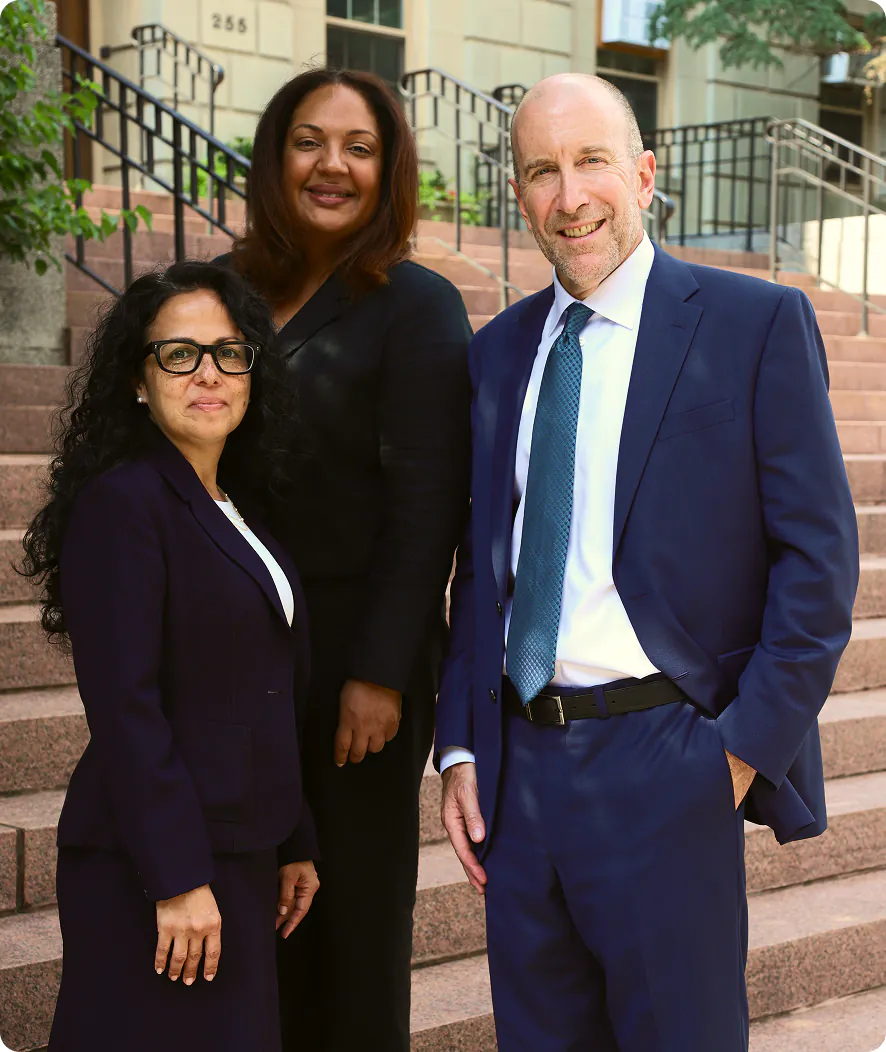
Every person who contacts our office speaks to an attorney directly.
Many firms, when you reach out, you get just a paralegal or just a receptionist, and while they may be very experienced, I think it gives a lot of assurance to the public that they know that when they call us, they will always get the attorney on the phone.
The most important thing I think people should know before they pick up the phone and call the office of Billy Cooper is that we take the time to listen and answer people’s questions.
One of the things that I get told most often, even if it’s a situation where we cannot take your case, is that we explain why.
We don’t just say, “No, you don’t have a case” and hang up.
We always give people an explanation.
We explain what the burden of proof is and the law that applies.
People are always most appreciative that we take the time to explain to them rather than just saying no.
A great outcome beyond the dollar amount is quite significant because after a case resolves, money only means so much.
In fact, I always have conversations with our clients indicating to them that money does a certain thing for you, but it can never make you feel completely whole.
What we try and do is we try and give our people the type of service where they know that even when the case is completed, we are here for them.
What makes our law firm different than other firms in New York is our attention to detail, and that we assist our clients with every aspect of their case.
We make phone calls to make sure that your medical bills are being paid.
We can assist you in finding medical care.
It’s beyond just a legal service. It is an all-around service that we provide.
If you have been injured in an accident or someone you know, whether it’s a family member or a friend, we ask that you reach out to us because we will speak with you and we will assist you.

Types of Injury Cases We Handle in Flatbush NY
- Personal Injury
- Car Accidents
A Legal Team That Will Take the Time to Understand What Happened
Serious injury cases are rarely resolved by completing forms and forwarding medical bills. The lawyer must identify every responsible party, preserve evidence before it disappears, understand the medical consequences of the injury, and prepare the case to withstand an insurance company’s defenses. Billy Cooper Law’s history traces back to a practice founded in 1960. The firm reports more than 75 years of combined experience. Partner William H. Cooper has practiced in New York since 1991 and has served as lead trial counsel in significant injury cases. Attorney Anieska J. Garcia provides representation in English and Spanish. Those credentials matter most when they solve a problem for you. If your injuries are severe, you need a firm that understands how to document future medical needs and loss of earning capacity. If English is not your first language, you should be able to discuss your case directly with your legal team. If you are worried about cost, the firm handles personal injury cases on a contingency-fee basis, with no upfront legal fee and no attorney’s fee unless there is a recovery.Why Flatbush Injury Cases Require a Local Investigation
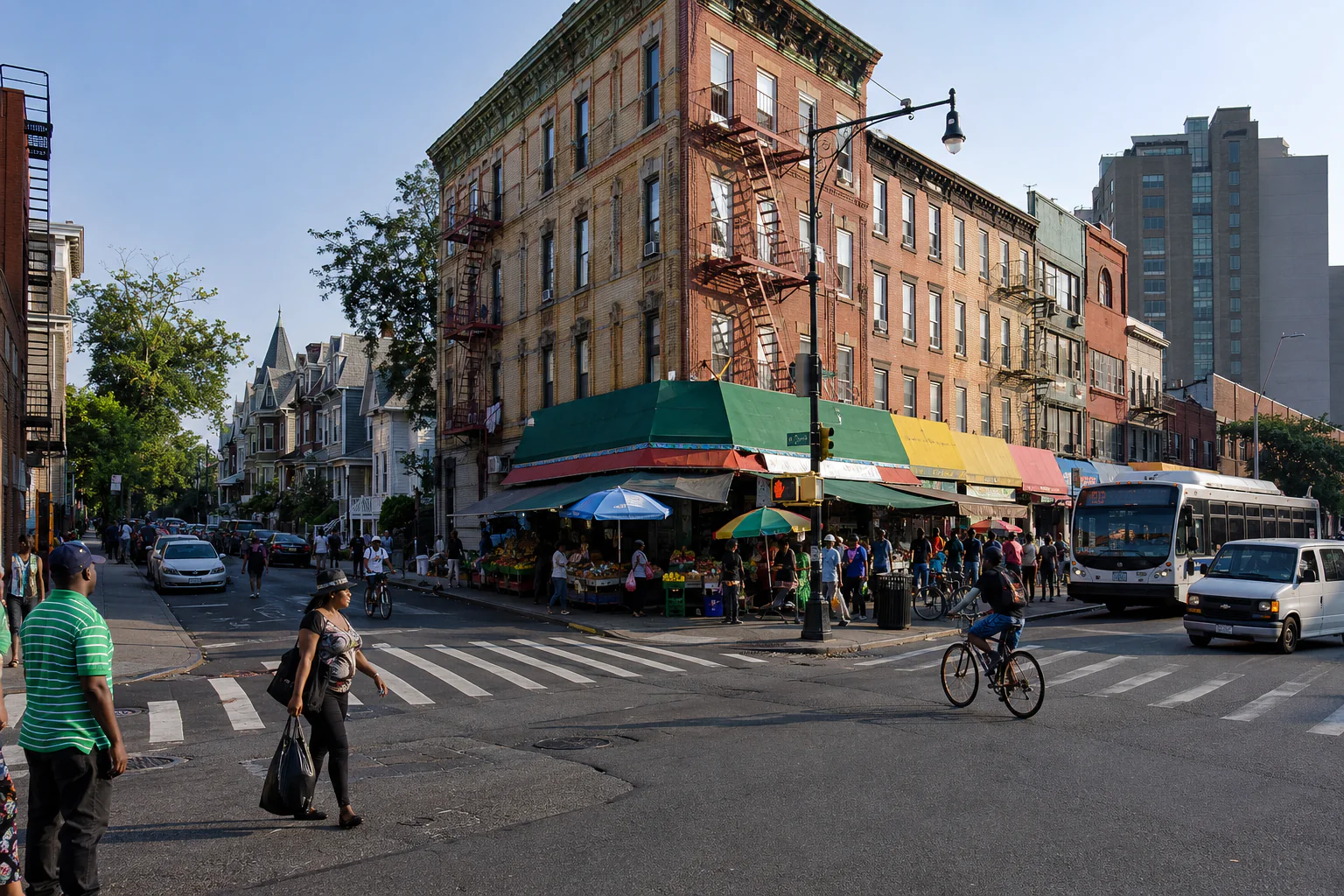
Flatbush combines major traffic corridors, busy commercial blocks, apartment buildings, detached homes, schools, construction sites, bus routes, subway stations, bicycles, e-bikes, and constant pedestrian activity. Flatbush Avenue adds another complication: it cuts diagonally across Brooklyn’s street grid. Around intersections with Church Avenue, Caton Avenue, and Foster Avenue, vehicles and pedestrians may be moving through the same space from several directions. A legal investigation may need to examine signal timing, lane markings, turning movements, bus operations, curbside loading, and the position of each road user. The corridor is also changing. In 2025, the New York City Department of Transportation began implementing a Flatbush Avenue bus-priority and pedestrian-safety project. When an accident occurs near redesigned lanes or bus stops, recent street plans, construction records, and photographs of the location may help explain how the collision happened. Property cases have their own local complications. Flatbush contains large apartment buildings, mixed-use properties, storefronts, owner-occupied houses, and City-owned spaces. The person responsible for a broken stair, icy entrance, loose ceiling, or defective sidewalk may not be obvious from the street address alone.A Flatbush and Brooklyn Accident Snapshot
Local numbers help show why prompt investigation matters:- Brooklyn recorded 17,675 traffic injuries and 69 traffic fatalities in 2024, according to the NYC Department of Transportation’s 2024 crash report.
- Those 2024 totals included 3,206 injured pedestrians and 36 pedestrian deaths across Brooklyn.
- Motorized two-wheelers, including many e-bikes and similar vehicles, were involved in 2,120 injuries and 21 deaths in Brooklyn during 2024.
- In 2025, NYC DOT reported that 140 people had been killed or severely injured on Flatbush Avenue during the preceding five years.
- The same corridor serves approximately 132,000 daily bus riders across 12 routes, creating frequent interaction among buses, passengers, cyclists, delivery workers, pedestrians, and other vehicles.
- Bedford-Stuyvesant
- Bushwick
- Crown Heights
- Flatbush
- Williamsburg
- Borough Park
- Bensonhurst
- Sunset Park
- Bay Ridge
- East New York
Where Serious Injuries Happen in Flatbush
Major streets and intersections
Flatbush Avenue, Church Avenue, Nostrand Avenue, Ocean Avenue, Bedford Avenue, and nearby cross streets carry a mix of private vehicles, buses, commercial traffic, cyclists, and pedestrians. Collisions may happen when a driver turns across a crosswalk, opens a door into a cyclist’s path, changes lanes near a bus stop, fails to yield, or follows another vehicle too closely.Bus stops and subway entrances
Crowded bus stops and subway entrances create areas where people must move between the sidewalk, curb, bus lane, and roadway. Claims may involve a bus operator, another vehicle, a defective platform or stairway, or unsafe conditions maintained by a separate transit entity.Apartment buildings and commercial properties
Falls and other injuries can result from broken steps, defective handrails, inadequate lighting, wet floors, snow or ice, damaged elevators, falling objects, or negligent security. Identifying who owned, leased, managed, repaired, or controlled the dangerous area is often central to the case.Sidewalks
New York City generally places sidewalk maintenance responsibilities on adjoining property owners, although important exceptions apply, including for certain owner-occupied one-, two-, and three-family residential properties. The NYC DOT sidewalk guidance explains the City’s general maintenance framework, but liability in an injury case depends on the property, the defect, prior notice, and who created or controlled the condition.Construction and work sites
Renovations, demolition, scaffolding, ladders, falling materials, machinery, and unsecured work areas can injure workers and members of the public. A worker may have a workers’ compensation claim and a separate injury claim against an owner, general contractor, subcontractor, equipment company, or another responsible party.Personal Injury Cases We Handle
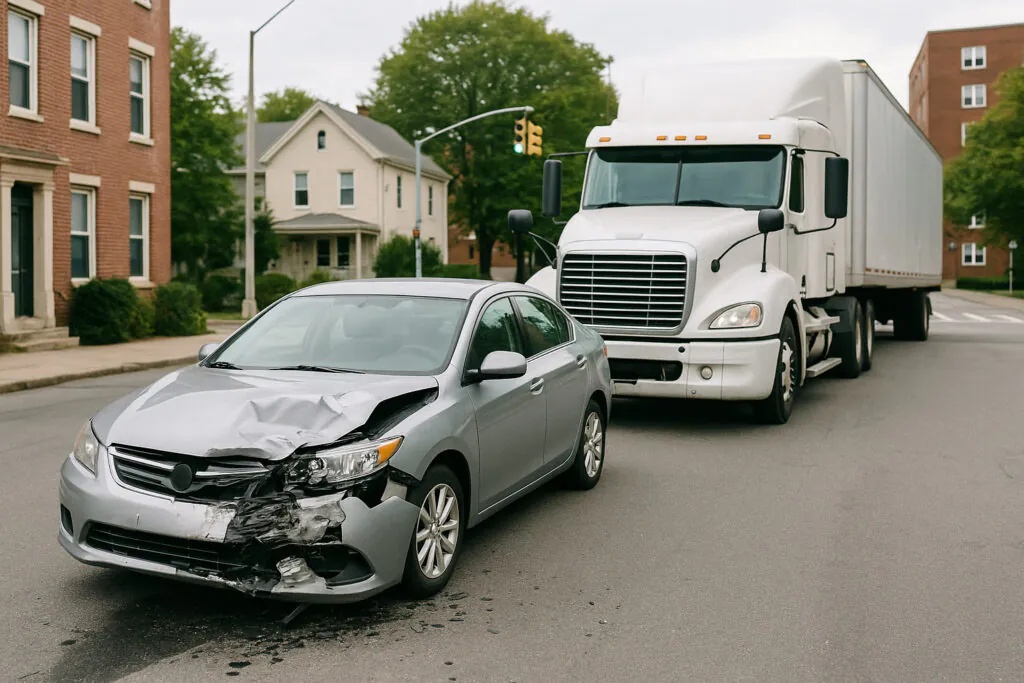
Billy Cooper Law represents clients in matters involving:- Car accidents
- Pedestrian accidents
- Bicycle accidents
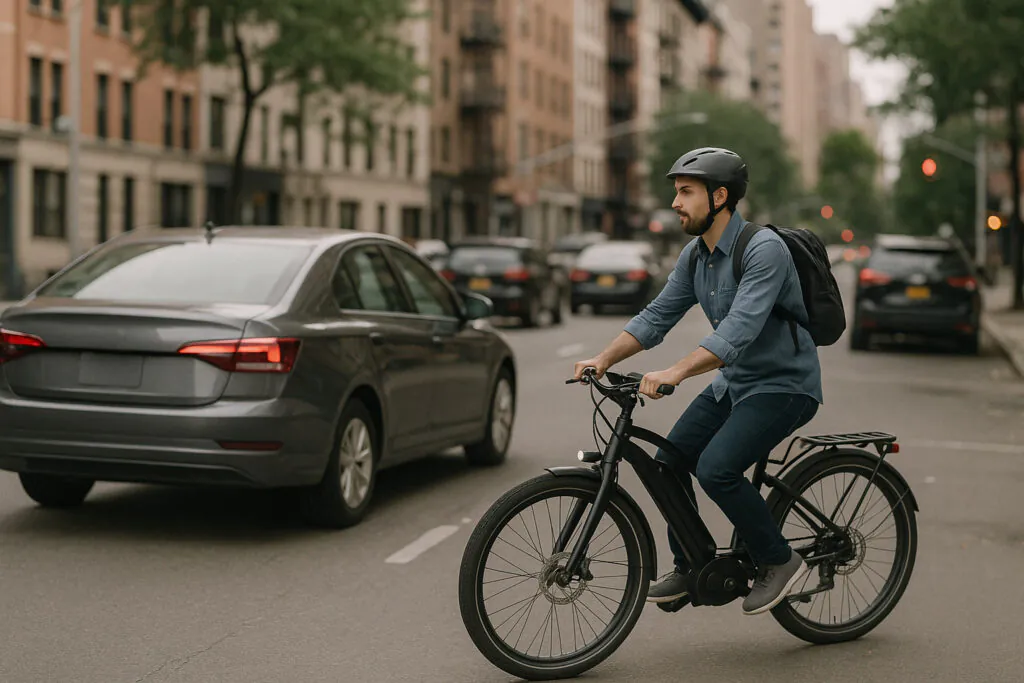
- E-bike accidents
- Uber and Lyft accidents
- Bus accidents
- Subway accidents
- Premises liability
- Sidewalk accidents
- Construction accidents
- Work injuries
- Medical malpractice
- Dog bites
- Catastrophic injuries
- Wrongful death
What to Do After an Accident
Your health comes first. If you need emergency care, call 911 or go to the nearest appropriate hospital. Tell each provider how the accident occurred and describe every area that hurts. Some injuries become more apparent over the following hours or days. When you can do so safely:- Report the accident. Call the police after an injury collision. Report falls and building accidents to the owner, manager, superintendent, employer, or transit employee.
- Photograph the scene. Include the dangerous condition, traffic controls, surrounding storefronts, vehicles, license plates, property address, and anything that may later be repaired or removed.
- Get witness information. A name and telephone number may be enough to locate someone later.
- Save physical and electronic evidence. Keep damaged clothing, shoes, helmets, bicycles, phones, dashcam recordings, receipts, rideshare records, and delivery-app information.
- Avoid giving a recorded statement to another party’s insurer before understanding your rights. An adjuster may ask questions designed to minimize the claim.
- Keep track of treatment and missed work. Save discharge papers, prescriptions, appointment information, wage records, and out-of-pocket receipts.
- Ask about the deadlines immediately. Waiting can allow video to be overwritten and legal filing periods to expire.
Evidence That May Decide the Case
In Flatbush, useful evidence may exist in several places at once:- Storefront, apartment-building, doorbell, school, parking-lot, or private security video
- Bus, subway, traffic, vehicle, rideshare, or dashcam recordings
- NYPD collision reports and witness information
- 311 complaints and NYC DOT inspection or repair records
- Department of Buildings permits, violations, and contractor information
- Property deeds, leases, management agreements, and maintenance logs
- Vehicle event data, phone records, GPS information, and delivery-app records
- Photographs of the condition before it was repaired
- Medical imaging, specialist reports, therapy records, and surgical recommendations
- Wage statements, tax records, work restrictions, and employer documentation
New York Deadlines and Insurance Rules
The general personal injury deadline
Under CPLR § 214, many New York negligence actions must be started within three years. That is not a universal deadline. Claims involving public entities, medical malpractice, wrongful death, intentional conduct, or other special circumstances may have different limits.Medical malpractice and wrongful death
A medical, dental, or podiatric malpractice action generally must be commenced within two years and six months, subject to rules involving continuous treatment, foreign objects, and certain cancer-diagnosis claims. Those provisions appear in CPLR § 214-a. A wrongful death action generally must be brought by the decedent’s personal representative within two years after the death under EPTL § 5-4.1.No-fault insurance
After a New York motor-vehicle accident, no-fault coverage may pay qualifying medical expenses and part of the injured person’s lost earnings without first deciding who caused the crash. Written notice generally must reach the appropriate no-fault insurer within 30 days. Medical bills generally must be submitted within 45 days, and lost-earnings claims within 90 days, unless a recognized justification permits late submission. The New York Department of Financial Services explains these requirements.New rules for motor-vehicle injury cases
New York changed important portions of its motor-vehicle injury law on May 29, 2026. The amendments apply to actions and proceedings commenced on or after that date. Under the current version of CPLR § 1411, a claimant in a personal injury action subject to New York’s no-fault law can be barred from recovery if the claimant’s share of fault is greater than the fault of the person or combined parties from whom recovery is sought. When the claimant is 50% at fault or less, recoverable damages are reduced according to that percentage. For other negligence cases, New York generally continues to apply pure comparative fault: being partly responsible reduces the recovery but does not necessarily eliminate the claim. The 2026 amendments also changed the motor-vehicle “serious injury” definition in Insurance Law § 5102, including removal of the former 90-out-of-180-day category. The remaining categories include fractures, significant disfigurement, permanent loss of use, permanent consequential limitations, and significant limitations of use, among others. Whether an injury satisfies the law requires careful review of the medical evidence and the date the action was commenced.BILLY COOPER LAW
Questions About a Flatbush Injury Claim?
Who May Be Responsible?
A complete investigation may identify more than one defendant.Vehicle cases
Potentially responsible parties may include:- A negligent driver
- The vehicle’s owner
- A driver’s employer
- A trucking or delivery company
- A rideshare company or its insurer
- A contractor responsible for roadway work
- A government entity responsible for a dangerous public condition
Property and sidewalk cases
Liability may rest with an owner, commercial tenant, managing agent, maintenance contractor, snow-removal company, construction contractor, or public entity. The answer often depends on written agreements and who had authority to inspect, repair, or control the exact location.Transit cases
A bus or subway injury may involve New York City Transit, the Metropolitan Transportation Authority, MTA Bus Company, a private contractor, or another vehicle. “The MTA” is not always the correct defendant. Identifying the operating entity is an early and important step.Construction and workplace cases
An injured worker may have claims involving the property owner, general contractor, subcontractor, equipment owner, or another trade. Workers’ compensation does not automatically prevent a claim against a negligent third party.Compensation Available in a Personal Injury Claim
Depending on the facts and applicable insurance coverage, compensation may include:- Past and future medical expenses
- Lost wages
- Reduced future earning capacity
- Rehabilitation and therapy
- Home-care and assistive needs
- Property damage
- Pain and suffering
- Loss of mobility or independence
- Scarring and disfigurement
- The cost of adapting a home or vehicle
- Financial losses suffered by a family after a wrongful death
Claims Against the City or a Transit Authority
If a pothole, broken curb, defective traffic signal, City vehicle, public-school property, police vehicle, sanitation truck, or other municipal condition contributed to the injury, a notice of claim may be required within 90 days under General Municipal Law § 50-e. For many claims against New York City, a lawsuit must then be commenced within one year and 90 days. The NYC Comptroller’s personal injury claim guidance also explains that the City may demand testimony at a hearing before a lawsuit proceeds. Transit claims have separate statutes. Public Authorities Law § 1212 governs actions against the New York City Transit Authority, while Public Authorities Law § 1276 addresses certain actions involving the Metropolitan Transportation Authority. Both contain shortened procedural requirements. These cases are not simply ordinary injury claims with a shorter filing period. The notice must identify the correct public entity and describe the place, time, manner, and nature of the claim with sufficient detail. Claims involving defective streets or sidewalks may also raise questions about legally sufficient prior notice and whether a private owner or contractor created the condition. If a public agency may be involved, do not wait to find out which deadline applies.Flatbush Courts, Hospitals, and Agencies
Depending on the injuries and amount in dispute, a Flatbush personal injury lawsuit may be filed in the Kings County Supreme Court, Civil Term at 360 Adams Street or the Kings County Civil Court at 141 Livingston Street. Nearby medical facilities include NYC Health + Hospitals/Kings County at 451 Clarkson Avenue, which operates an adult Level 1 trauma center, and University Hospital at Downstate at 445 Lenox Road. Treatment at a particular hospital does not determine where a case must be filed, but complete medical records can become important evidence. Flatbush falls primarily within Brooklyn Community District 14 and the NYPD’s 70th Precinct. A collision report may be requested from the precinct of occurrence during the first 30 days or through the NYPD Collision Report Retrieval Portal. Depending on the case, useful records may also come from NYC DOT, the Department of Buildings, the Comptroller’s Office, NYC Transit, the MTA, 311, a community board, or a private property owner.How Billy Cooper Law Investigates an Injury in Flatbush
The investigation begins by identifying the location, the people and organizations involved, and the deadlines that may apply. From there, the legal team may:- Visit and photograph the accident scene
- Request police and DMV reports
- Send letters directing businesses and property owners to preserve video
- Interview witnesses
- Identify property owners, tenants, contractors, and managing agents
- Obtain City and transit records
- Review insurance policies and possible additional coverage
- Inspect vehicles, bicycles, equipment, or defective property
- Organize the medical evidence into a clear injury history
- Consult appropriate medical, engineering, vocational, or financial experts
- Document lost income and future care needs
- File notices of claim and lawsuits before the applicable deadlines
- Prepare the case for trial if the insurer will not make a reasonable offer
Frequently Asked Questions
How much does it cost to hire Billy Cooper Law?
The firm offers a free consultation and handles personal injury cases on a contingency-fee basis. According to the firm’s personal injury page, its standard attorney’s fee is one-third of the recovery. If there is no recovery, there is no legal fee. The written retainer agreement will explain fees and case expenses.Can I bring a claim if I was partly responsible?
Possibly. In most non-motor-vehicle negligence cases, your percentage of fault generally reduces your compensation. For actions subject to New York’s no-fault law and commenced on or after May 29, 2026, recovery may be barred if your fault is greater than the combined fault of the parties from whom you seek compensation. Do not assume you were responsible because an insurance adjuster says so. Fault may depend on video, witness testimony, traffic controls, road design, and the actions of everyone involved.What if there is no police or incident report?
The absence of a report does not automatically prevent a claim. Photographs, witnesses, medical records, security footage, phone data, and admissions by the other party may still prove what happened. A missing report can make the investigation more difficult, so speak with a lawyer promptly.Who pays my medical bills after a car accident?
No-fault insurance usually provides the first layer of coverage for qualifying medical expenses after a New York vehicle accident, regardless of who caused the crash. The correct insurer may depend on whether you were a driver, passenger, pedestrian, cyclist, or member of an insured household.Can I sue after being injured on an MTA bus or subway?
You may have a claim, but the correct defendant and filing requirements depend on which transit entity operated or controlled the vehicle or location. A notice of claim may be due within 90 days. Save the bus route, vehicle number, station, direction of travel, time, MetroCard or OMNY record, photographs, and witness information.Who is responsible for a Flatbush sidewalk fall?
It may be the adjoining property owner, the City, a tenant, or a contractor. Liability depends on the property type, the location of the defect, applicable exceptions, who created the condition, and whether legally sufficient notice existed.How long will my case take?
Some claims resolve within months. Others require litigation and may take several years. The timeline depends on the severity of the injuries, length of treatment, number of parties, available insurance, disputed facts, and whether the insurer negotiates reasonably.Does Billy Cooper Law have an office in Flatbush?
The firm does not list a Flatbush or Brooklyn office. Its official contact page lists a White Plains office and a Manhattan location available by appointment only. The firm represents clients throughout Kings County and can begin the consultation by telephone or video conference.Is Spanish-language representation available?
Yes. Attorney Anieska J. Garcia is fluent in English and Spanish. Puede hablar directamente con el equipo legal sobre su accidente y sus preguntas.Related Information
- New York Personal Injury Lawyer
- New York Motor Vehicle Accident Lawyer
- New York Premises Liability Lawyer
- New York Construction Accident Lawyer
- New York Wrongful Death Lawyer
- Meet the Billy Cooper Law Team
- Contact Billy Cooper Law
Tell Us What Happened
You do not need to know which insurance company should pay, who owned the sidewalk, or whether the bus was operated by New York City Transit or another MTA entity before asking for help. Tell us where the accident happened, how you were injured, and what has happened since. Billy Cooper Law will explain the next steps and the deadlines that may apply. Call 718-866-3311 or 914-730-5789, or request a free consultation online.Sources
Billy Cooper Law
- Billy Cooper Law Official Website
- Billy Cooper Law Personal Injury Practice
- Meet the Billy Cooper Law Team
- William H. Cooper Attorney Profile
- Anieska J. Garcia Attorney Profile
- Billy Cooper Law Contact and Office Information
Flatbush and Brooklyn
- NYC DOT: Flatbush Avenue Bus Priority and Safety Project
- NYC DOT: Bicycle and Traffic Crash Data Report—2024
- NYC Community Boards: Brooklyn Community Board 14
- NYPD 70th Precinct
- NYPD Motor Vehicle Collision Reports
- NYC DOT Sidewalk Maintenance and Responsibility
Courts, Hospitals, and Claims
- Kings County Supreme Court, Civil Term
- Kings County Civil Court Directory
- NYC Health + Hospitals/Kings County
- University Hospital at Downstate
- NYC Comptroller Personal Injury Claim FAQs
New York Law and Insurance
- CPLR § 1411—Comparative Fault
- CPLR § 214—Three-Year Personal Injury Limitation Period
- CPLR § 214-a—Medical Malpractice Limitation Period
- EPTL § 5-4.1—Wrongful Death Actions
- General Municipal Law § 50-e—Notice of Claim
- General Municipal Law § 50-i—Municipal Tort Actions
- Public Authorities Law § 1212—Actions Against the New York City Transit Authority
- Public Authorities Law § 1276—Actions Against the Metropolitan Transportation Authority
- Insurance Law § 5102—No-Fault Definitions and Serious Injury
- Insurance Law § 5104—Motor-Vehicle Personal Injury Actions
- New York Department of Financial Services No-Fault FAQs
- New York DMV Motorist Crash Report Requirements
- 2026 New York Motor-Vehicle Liability Amendments, Part EE
Communities We Serve
- Kings County (Brooklyn)
- Bedford-Stuyvesant
- Bushwick
- Crown Heights
- Flatbush
- Williamsburg
- Borough Park
- Bensonhurst
- Sunset Park
- Bay Ridge
- East New York
BILLY COOPER LAW
Ready to Discuss What Happened?
Related Personal Injury Lawyer | Flatbush NY Pages

Putting Over 75 Years of Combined Experience on Your Side
Putting Over 75 Years of Combined Experience on Your Side
Putting Over 75 Years of Combined Experience on Your Side
Putting Over 75 Years of Combined Experience on Your Side
Putting Over 75 Years of Combined Experience on Your Side
Putting Over 75 Years of Combined Experience on Your Side
Putting Over 75 Years of Combined Experience on Your Side
Putting Over 75 Years of Combined Experience on Your Side
Putting Over 75 Years of Combined Experience on Your Side
Putting Over 75 Years of Combined Experience on Your Side
Get the Answers You Need
At Billy Cooper Law, every day we renew our pledge to help injured people get the justice and compensation they deserve. We have a reputation throughout New York and nationally for standing up for our clients, and we take that responsibility seriously by approaching every case with preparation, persistence, and an unwavering commitment to results.