Crown Heights NY Personal Injury Lawyer
Video Transcript
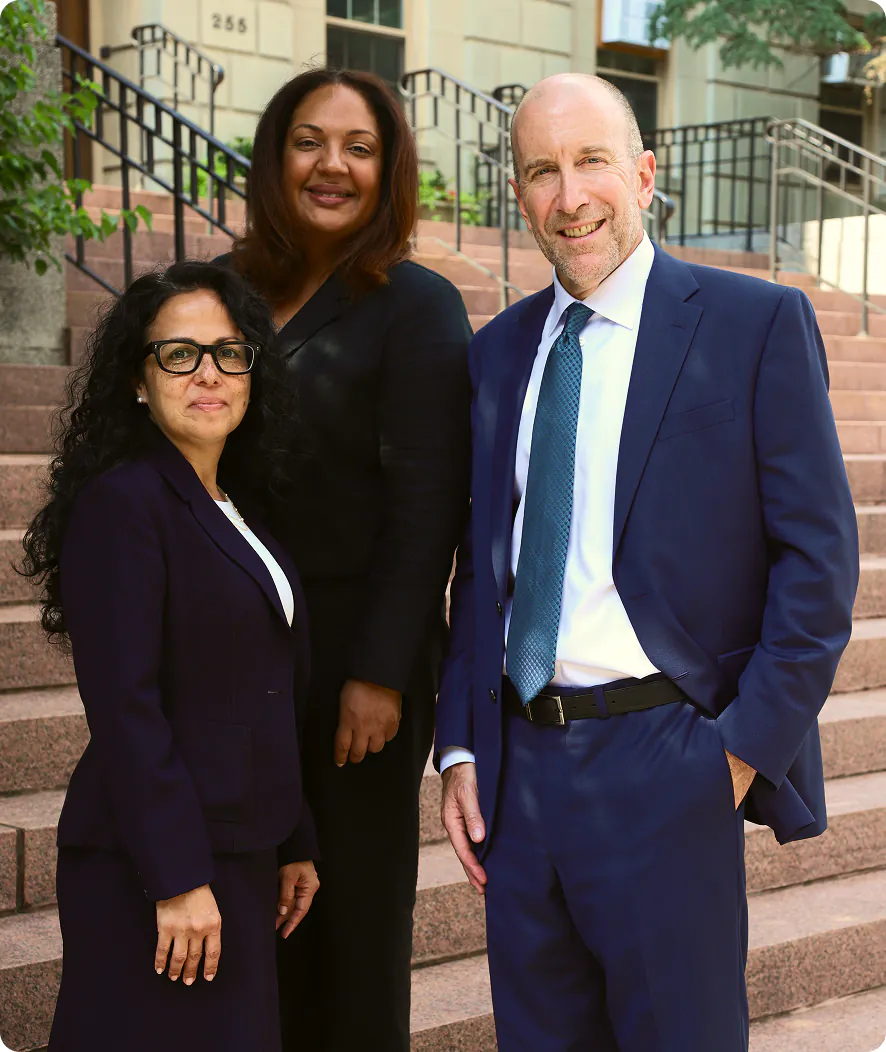
Every person who contacts our office speaks to an attorney directly.
Many firms, when you reach out, you get just a paralegal or just a receptionist, and while they may be very experienced, I think it gives a lot of assurance to the public that they know that when they call us, they will always get the attorney on the phone.
The most important thing I think people should know before they pick up the phone and call the office of Billy Cooper is that we take the time to listen and answer people’s questions.
One of the things that I get told most often, even if it’s a situation where we cannot take your case, is that we explain why.
We don’t just say, “No, you don’t have a case” and hang up.
We always give people an explanation.
We explain what the burden of proof is and the law that applies.
People are always most appreciative that we take the time to explain to them rather than just saying no.
A great outcome beyond the dollar amount is quite significant because after a case resolves, money only means so much.
In fact, I always have conversations with our clients indicating to them that money does a certain thing for you, but it can never make you feel completely whole.
What we try and do is we try and give our people the type of service where they know that even when the case is completed, we are here for them.
What makes our law firm different than other firms in New York is our attention to detail, and that we assist our clients with every aspect of their case.
We make phone calls to make sure that your medical bills are being paid.
We can assist you in finding medical care.
It’s beyond just a legal service. It is an all-around service that we provide.
If you have been injured in an accident or someone you know, whether it’s a family member or a friend, we ask that you reach out to us because we will speak with you and we will assist you.
- Bedford-Stuyvesant
- Bushwick
- Crown Heights
- Flatbush
- Williamsburg
- Borough Park
- Bensonhurst
- Sunset Park
- Bay Ridge
- East New York

Types of Injury Cases We Handle in Crown Heights NY
- Personal Injury
- Slip and Fall
- E-Bike Accidents
- Car Accidents
Why Injured New Yorkers Turn to Billy Cooper Law
A serious case requires more than sending medical records to an insurance adjuster. Your lawyer may need to identify multiple defendants, secure evidence before it disappears, work with medical and technical experts, and prepare the case for trial if the insurer refuses to take the claim seriously. William H. “Billy” Cooper joined the family practice in 1991 and has served as its lead trial counsel for more than 25 years. The firm reports more than 75 years of combined experience, and Cooper has been recognized by Super Lawyers from 2024 through 2026. Learn more about Billy Cooper’s background. The firm’s published results include a $1.6 million pedestrian-accident settlement and a $2.005 million construction-accident settlement. Those results do not guarantee what will happen in another case, but they show experience addressing permanent injuries, surgeries, lost income, and other serious losses. Review the firm’s case results. If you would rather discuss your case in Spanish, attorney Anieska Garcia is fluent in English and Spanish. You can speak with the legal team directly without asking a relative to interpret private medical or financial information. Conozca a Anieska Garcia or visit the firm’s Spanish-language website. Billy Cooper Law offers free consultations and handles personal injury matters on a contingency basis. There are no upfront legal fees, and the firm does not receive a legal fee unless compensation is recovered. Learn more about the firm’s personal injury representation.Why Crown Heights Injury Cases Require a Local Investigation
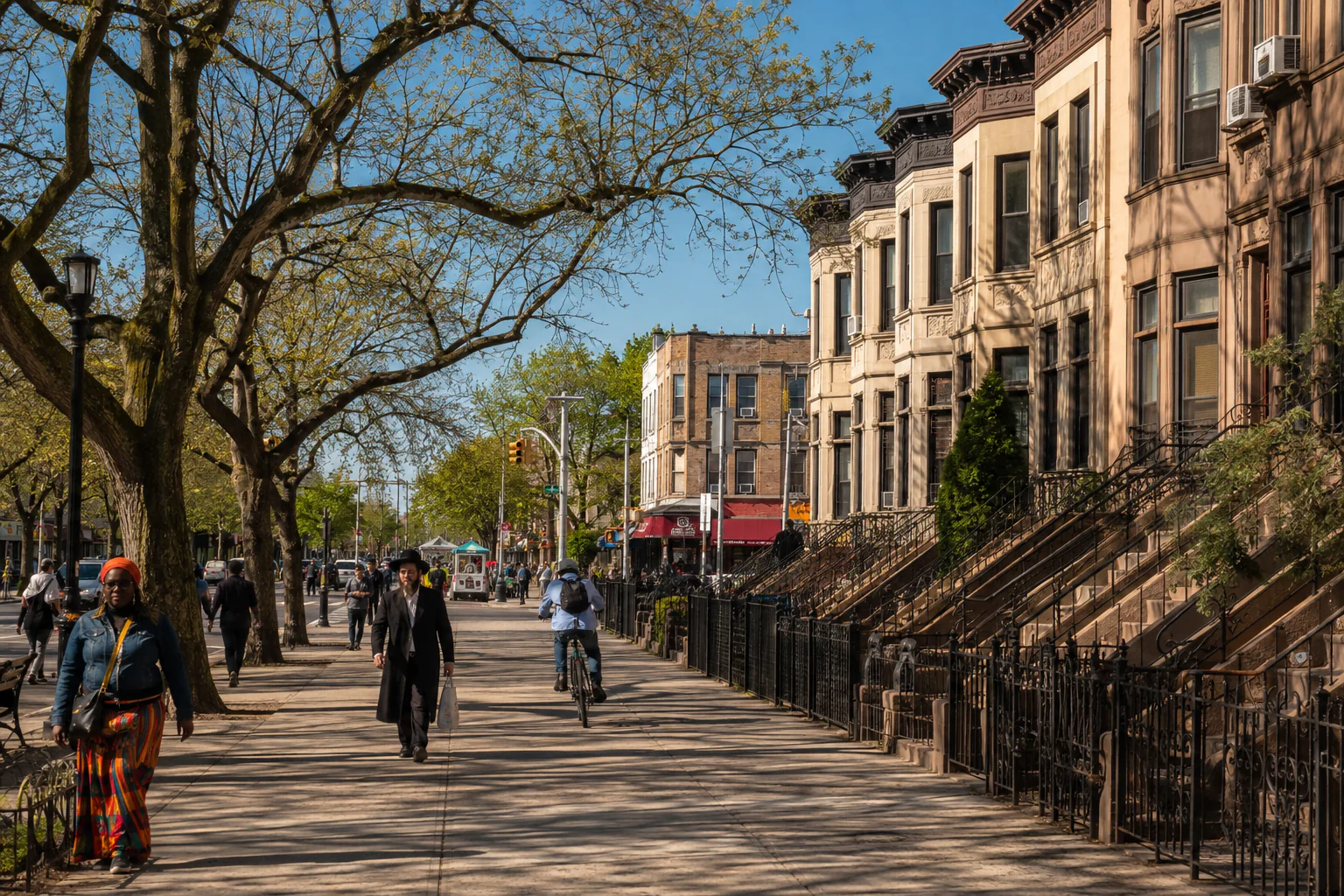
Crown Heights combines residential side streets, large apartment buildings, busy commercial blocks, construction activity, major traffic corridors, bus routes, and subway stations. Those environments generate different kinds of evidence and different questions about responsibility. A collision near Eastern Parkway, for example, may involve traffic moving between main and service roads, turning vehicles, pedestrians crossing multiple roadway sections, cyclists, buses, and passengers entering or leaving transit stations. Along Atlantic Avenue and other commercial corridors, delivery vehicles, double parking, limited visibility, and frequent curbside activity can become important parts of the investigation. Conditions also change. NYC DOT has proposed safety improvements on Brooklyn and Kingston Avenues between Empire Boulevard and Winthrop Street, including pedestrian islands, intersection daylighting, turn-calming measures, and protected bicycle space. The proposal reflects the number of schools and different road users concentrated in that part of the neighborhood. It also means photographs, construction records, and the accident date may be critical when determining the layout that existed when someone was hurt. See NYC DOT’s current Brooklyn street projects. The neighborhood is divided between two NYPD precincts. The 77th Precinct serves northern Crown Heights and part of Prospect Heights, while the 71st Precinct includes southern Crown Heights, Wingate, and Prospect Lefferts Gardens. That division matters when requesting police records or determining which command responded.A Local Accident Snapshot
NYPD TrafficStat reports are organized by precinct rather than neighborhood boundaries, so these figures include nearby communities as well as Crown Heights. They still provide a useful picture of the traffic risks residents encounter.- In the 77th Precinct, NYPD recorded 554 collisions, 305 total injuries, and 56 pedestrian injuries in 2026 through July 12. View the 77th Precinct TrafficStat report.
- In the 71st Precinct, NYPD recorded 546 collisions, 329 total injuries, and 57 pedestrian injuries in 2026 through August 2. View the 71st Precinct TrafficStat report.
Where Serious Injuries Happen in Crown Heights
Intersections and transit corridors
Serious collisions often occur where drivers turn across pedestrian or bicycle paths, where buses enter or leave stops, and where people cross several lanes to reach a subway entrance or median. The precise location matters. “Eastern Parkway and Utica Avenue” may not be enough. A useful investigation identifies the direction of travel, traffic signal, service road or main road, nearest crosswalk, subway entrance, bus stop, lane position, and location of each impact.Apartment buildings and commercial properties
Falls may happen on broken stairs, wet floors, loose handrails, defective elevators, poorly lit hallways, snow or ice, or damaged entryways. Responsibility can depend on the lease, management agreement, maintenance history, prior complaints, and whether the owner or tenant created or knew about the hazard.Sidewalks
New York City has a sidewalk-liability rule that often surprises injured people. Under NYC Administrative Code § 7-210, the owner of property adjoining a sidewalk is generally responsible for keeping it reasonably safe. The principal exception applies to owner-occupied one-, two-, or three-family residential property used exclusively for residential purposes. That means the proper defendant may be the adjoining property owner rather than the City. Tree wells, utility covers, cellar doors, construction work, and negligent repairs can raise additional ownership and control questions.Construction and renovation sites
Crown Heights continues to see building renovation, utility work, façade projects, and street construction. An injured worker may have a workers’ compensation claim as well as a separate claim against an owner, general contractor, subcontractor, equipment company, or another legally responsible party.Buses, subways, and public vehicles
Claims involving an MTA or New York City Transit Authority bus, subway station, platform, staircase, or employee can involve shorter deadlines than ordinary injury cases. Identifying the correct authority is essential because serving the wrong organization may not protect the claim.Cases Billy Cooper Law Handles
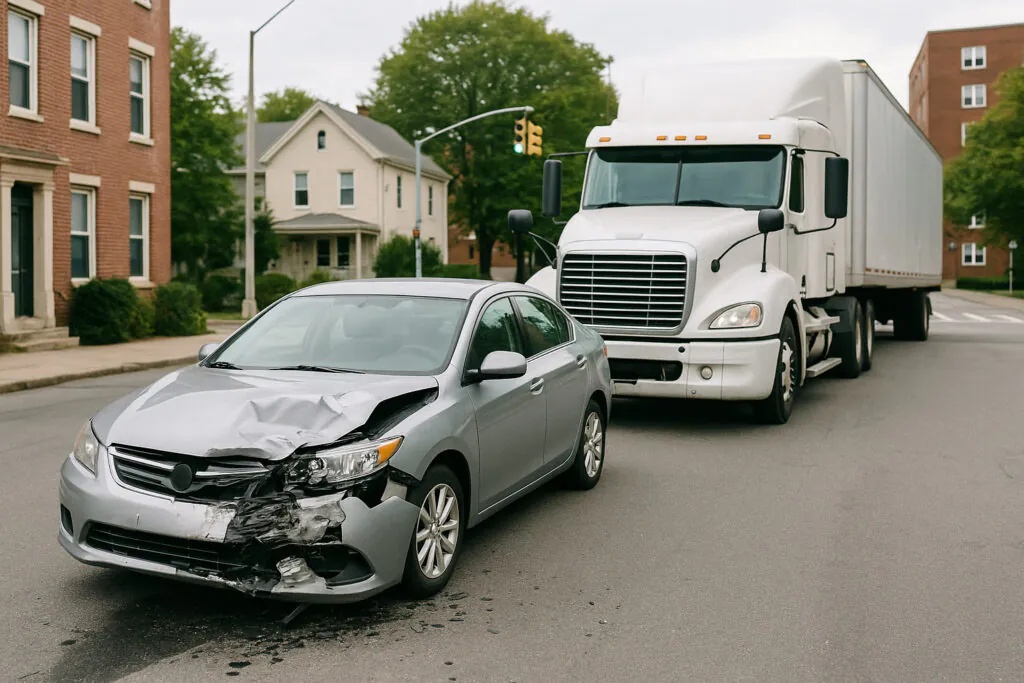
Billy Cooper Law represents clients in matters involving:- Car, truck, taxi, rideshare, and commercial-vehicle collisions
- Pedestrian and bicycle accidents
- E-bike, scooter, moped, and motorcycle accidents
- Bus and subway injuries
- Unsafe sidewalks, stairs, stores, apartment buildings, and other properties
- Construction and workplace accidents
- Traumatic brain and spinal cord injuries
- Medical malpractice and birth injuries
- Defective products
- Dog bites
- Wrongful death
What to Do After an Accident
Get medical attention
Your health comes first. Call 911 for a potentially serious injury, especially if you experienced a head impact, loss of consciousness, difficulty breathing, heavy bleeding, weakness, severe pain, or an inability to stand or walk. NYC Health + Hospitals/Kings County, located at 451 Clarkson Avenue, operates a Level I trauma center. Interfaith Medical Center maintains an emergency department at 1545 Atlantic Avenue. Go where emergency personnel take you or where you can obtain appropriate care; do not delay treatment because you are worried about the legal case. View Kings County Hospital information and One Brooklyn Health emergency services.Report what happened
Call the police after a traffic accident involving an injury. Report a fall or other property accident to the owner, superintendent, store manager, contractor, or security office and ask for an incident report. Describe what happened accurately, but do not guess about speed, distance, fault, or a medical diagnosis.Document the scene
If you can do so safely, take photographs and video before vehicles, debris, snow, water, construction materials, or other conditions are moved. Include wide views showing the location and close views showing the hazard or damage. Photograph your injuries as they develop. Bruising and swelling may look very different several days later.Collect witness information
A name and telephone number can make the difference between having an independent witness and relying entirely on competing accounts. Do not assume the police, building manager, or store employee obtained everyone’s information.Be careful with insurance calls
You may need to notify your insurer promptly, but you are not required to accept blame or speculate. A recorded statement can later be compared with police reports, medical records, video, and deposition testimony. Before giving a detailed recorded statement to another party’s insurer, consider speaking with a lawyer.Evidence That Should Be Preserved
Evidence in a Crown Heights case can disappear quickly. Vehicles are repaired, storefront video is overwritten, street conditions change, and property owners clean or fix dangerous conditions. Depending on the accident, useful evidence may include:- Scene, vehicle, hazard, and injury photographs
- NYPD collision or incident reports
- Witness names and contact information
- Storefront, apartment, doorbell, traffic, bus, or subway video
- Vehicle event data, dashcam recordings, and rideshare app records
- Delivery logs and commercial-driver records
- Building inspection files, leases, and maintenance agreements
- Complaints, work orders, cleaning schedules, and repair records
- NYC DOT permits, sidewalk records, and 311 complaints
- Construction contracts, daily reports, safety plans, and equipment records
- The shoes, clothing, bicycle, helmet, scooter, or damaged personal property involved
- Medical records, imaging, prescriptions, and treatment instructions
- Pay records, tax returns, disability notes, and proof of missed work
New York Laws and Deadlines
Deadlines depend on the type of accident, defendant, injury, and insurance coverage. The following periods are general rules, not a calculation of the deadline in any individual case.Most negligence claims
Many New York personal injury actions must be commenced within three years under CPLR § 214. Important exceptions can shorten or change that period.Medical malpractice
Medical, dental, and podiatric malpractice actions generally must be started within two years and six months, subject to rules for continuous treatment, foreign objects, and certain cancer-diagnosis claims. Review CPLR § 214-a.No-fault insurance
After a New York motor-vehicle accident, written notice of a no-fault claim generally must be submitted within 30 days. Medical bills are generally subject to a 45-day submission period, while lost-earnings claims generally must be submitted within 90 days. Limited exceptions may apply when there is clear and reasonable justification for delay. Read the New York Department of Financial Services no-fault guidance. No-fault insurance generally pays qualifying medical expenses, a portion of lost earnings, and certain necessary expenses without first deciding who caused the collision. It is separate from a liability claim for pain, suffering, and losses beyond no-fault benefits.Claims against New York City
A person bringing a qualifying injury claim against the City generally must serve a Notice of Claim within 90 days. A lawsuit generally must be commenced within one year and 90 days, with additional procedural requirements. Review General Municipal Law §§ 50-e and 50-i, along with the NYC Comptroller’s personal injury claim guidance.Transit and state claims
Claims against the New York City Transit Authority are governed by special requirements in Public Authorities Law § 1212. Claims involving the Metropolitan Transportation Authority may implicate Public Authorities Law § 1276. Negligence claims against New York State may require filing and service within 90 days under Court of Claims Act § 10. These rules are not interchangeable. A bus, subway, roadway, hospital, or construction project may involve the City, State, NYCTA, MTA, a public hospital system, or a private contractor. Determining the correct defendant should happen immediately.BILLY COOPER LAW
Questions About a Crown Heights Injury Claim?
What If You Were Partly at Fault?
New York changed its comparative-fault rules for many motor-vehicle cases in 2026. For actions subject to Article 51 of the Insurance Law and commenced on or after May 26, 2026, a claimant whose share of fault is greater than the combined fault of the parties being sued may be barred from recovering. A person who is 50% or less at fault may still recover, but the award is reduced by that percentage. See CPLR § 1411 and the Department of Financial Services’ explanation of the 2026 reforms. Other negligence cases generally continue to follow pure comparative fault, meaning that partial responsibility reduces compensation rather than automatically eliminating the claim. The same 2026 legislation also removed the former “90/180-day” category from the statutory serious-injury definition for actions and proceedings commenced on or after May 26, 2026. Current motor-vehicle cases therefore require careful analysis under the revised Insurance Law § 5102 and Insurance Law § 5104. Do not assume you have no case because you received a ticket, crossed outside a marked crosswalk, slipped during bad weather, or cannot remember every detail. Fault often depends on video, witness accounts, traffic controls, maintenance records, visibility, and the conduct of everyone involved.Who May Be Responsible?
A personal injury claim may involve more than the person immediately involved in the accident. Potentially responsible parties include:- A negligent driver or vehicle owner
- A driver’s employer
- A trucking, delivery, taxi, or rideshare business
- A property owner, commercial tenant, or managing agent
- A maintenance, snow-removal, security, or cleaning contractor
- A construction owner, general contractor, or subcontractor
- A product manufacturer or distributor
- A medical provider or hospital
- New York City, New York State, NYCTA, MTA, or another public entity
- A contractor performing work for a government agency or utility
Compensation After a Serious Injury
Compensation depends on the evidence and the ways the injury has affected your life. Recoverable damages may include:- Past and future medical care
- Rehabilitation, therapy, medication, and medical equipment
- Lost wages and employment benefits
- Reduced future earning capacity
- Household or personal assistance
- Pain and suffering
- Disability, disfigurement, and loss of mobility
- Loss of enjoyment of life
- Funeral expenses and legally recognized wrongful-death losses
When a Government Agency May Be Involved
Government involvement is not limited to accidents with police cars or buses. A City claim may arise from a defective roadway, crosswalk, traffic signal, public building, City-owned property, sanitation vehicle, or work performed by a municipal employee. A transit claim may arise from a bus collision, station staircase, platform condition, train movement, or transit employee’s conduct. Roadway and sidewalk cases against the City may also require proof that the City received prior written notice of the specific dangerous condition. NYC Administrative Code § 7-201 contains that requirement for many street, sidewalk, and crosswalk defect claims. The analysis often begins with several questions:- Who owned or controlled the location?
- Was a private property owner responsible for the adjoining sidewalk?
- Was a utility, contractor, or agency performing work there?
- Did the City receive prior written notice?
- Did the government or its contractor create the condition?
- Which Notice of Claim or filing requirement applies?
Local Courts, Hospitals, and Agencies
The following organizations may become relevant after a Crown Heights accident:- Kings County Supreme Court, Civil Term: 360 Adams Street, Brooklyn. The court generally handles civil matters outside the authority of lower courts, including higher-value injury cases. Court information
- NYC Health + Hospitals/Kings County: 451 Clarkson Avenue, Brooklyn. Hospital information
- Interfaith Medical Center: 1545 Atlantic Avenue, Brooklyn. Emergency-care information
- NYPD 77th Precinct: 127 Utica Avenue, serving northern Crown Heights and part of Prospect Heights. Precinct information
- NYPD 71st Precinct: 421 Empire Boulevard, serving southern Crown Heights, Wingate, and Prospect Lefferts Gardens. Precinct information
- NYC Comptroller: Receives Notices of Claim involving the City of New York. Claim information
- NYC Department of Transportation: Maintains many City streets and keeps records relevant to roadway and sidewalk investigations. NYC DOT sidewalk information
How Billy Cooper Law Investigates a Crown Heights Case
The investigation depends on how the injury happened, but it may include:- Visiting or documenting the location before it changes
- Identifying property, vehicle, business, and government ownership
- Requesting police, transit, building, insurance, and medical records
- Sending notices directing potential defendants to preserve video and electronic evidence
- Locating witnesses and reviewing photographs
- Examining leases, permits, contracts, maintenance records, and prior complaints
- Evaluating available liability, no-fault, uninsured-motorist, and underinsured-motorist coverage
- Consulting medical, engineering, reconstruction, vocational, or economic experts when needed
- Documenting how the injury affects work, family responsibilities, mobility, and future care
- Preparing the claim for litigation rather than relying on an insurer’s initial assessment
Frequently Asked Questions
Do I need a lawyer for every accident?
Not every injury requires a lawsuit. You should consider speaking with a lawyer when the injury is serious, fault is disputed, multiple parties may be involved, a government agency is connected to the accident, or the insurer is asking for a recorded statement or broad medical authorization.What should I do if an insurance adjuster calls?
Get the adjuster’s name, company, telephone number, claim number, and the party the company represents. You may provide basic notice of the accident, but avoid guessing, accepting blame, or agreeing to a recorded statement before understanding your rights.Does no-fault insurance mean no one is responsible?
No. No-fault insurance pays certain economic benefits without first deciding who caused the accident. A separate liability claim may be available against a negligent driver or another responsible party, subject to New York’s serious-injury and comparative-fault rules.Can I recover if I was partly responsible?
Possibly. In many motor-vehicle cases commenced on or after May 26, 2026, recovery may be barred if your fault exceeds the combined fault of the parties you sue. If your share is 50% or less, compensation may be reduced rather than eliminated. Different comparative-fault rules generally apply outside Article 51 motor-vehicle actions.Who is responsible for a broken Crown Heights sidewalk?
The adjoining property owner is often responsible under NYC Administrative Code § 7-210. Exceptions and additional rules may apply to qualifying owner-occupied residential property, City-owned property, tree wells, utility equipment, negligent repairs, and work performed by contractors.How much does it cost to contact Billy Cooper Law?
The firm offers free consultations and handles injury cases on a contingency basis. You do not pay an upfront legal fee, and the firm does not collect a legal fee unless compensation is recovered.Will I have to travel to White Plains?
Billy Cooper Law’s primary office is in White Plains, and its Manhattan location at 4746 Broadway is available by appointment. Call the firm to discuss how your consultation and ongoing communications can be arranged.How long will my case take?
Some claims resolve within months. Others require litigation and may take several years. The timing depends on your medical recovery, the number of defendants, disputed fault, insurance coverage, discovery, expert analysis, and whether the case must be tried.What if I do not speak English comfortably?
Attorney Anieska Garcia is fluent in English and Spanish. You can discuss your case directly with the firm in Spanish.Related Resources
- New York Personal Injury Lawyer
- Motor Vehicle Accident Lawyer
- Premises Liability Lawyer
- Construction Accident Lawyer
- Medical Malpractice Lawyer
- Meet the Billy Cooper Law Team
- Case Results
- Contact Billy Cooper Law
Tell Us What Happened
You do not need to know who should be sued, which insurance policy applies, or whether a government deadline is involved before calling. Tell Billy Cooper Law where the accident happened, when it happened, how you were injured, and who has contacted you since. The firm can explain the next practical steps and whether an immediate investigation is needed. Call (718) 866-3311 or request a free consultation online. If your accident may involve the City, NYCTA, MTA, or another public entity, ask about the applicable deadline as soon as possible.Sources
Billy Cooper Law
- Billy Cooper Law Homepage
- Personal Injury Practice
- Billy Cooper, Esq.
- Anieska Garcia, Esq.
- Case Results
- Contact and Office Information
- Firm Disclaimer
New York Law and Insurance
- New York CPLR § 214
- New York CPLR § 214-a
- New York CPLR § 1411
- New York Insurance Law § 5102
- New York Insurance Law § 5104
- New York Department of Financial Services: 2026 Motor Vehicle Insurance Reforms
- New York Department of Financial Services: No-Fault Insurance FAQs
- New York General Municipal Law § 50-e
- New York General Municipal Law § 50-i
- New York Public Authorities Law § 1212
- New York Public Authorities Law § 1276
- New York Court of Claims Act § 10
Crown Heights and New York City Resources
- NYPD 77th Precinct
- NYPD 77th Precinct TrafficStat Report
- NYPD 71st Precinct
- NYPD 71st Precinct TrafficStat Report
- NYC DOT Current Projects
- NYC Administrative Code § 7-210
- NYC Administrative Code § 7-201
- NYC DOT Sidewalk Information
- NYC Comptroller Personal Injury Claim FAQs
- Kings County Supreme Court, Civil Term
- NYC Health + Hospitals/Kings County
- One Brooklyn Health Emergency Care
Communities We Serve
- Kings County (Brooklyn)
- Bedford-Stuyvesant
- Bushwick
- Crown Heights
- Flatbush
- Williamsburg
- Borough Park
- Bensonhurst
- Sunset Park
- Bay Ridge
- East New York
BILLY COOPER LAW
Ready to Discuss What Happened?
Related Personal Injury Lawyer | Crown Heights NY Pages

Putting Over 75 Years of Combined Experience on Your Side
Putting Over 75 Years of Combined Experience on Your Side
Putting Over 75 Years of Combined Experience on Your Side
Putting Over 75 Years of Combined Experience on Your Side
Putting Over 75 Years of Combined Experience on Your Side
Putting Over 75 Years of Combined Experience on Your Side
Putting Over 75 Years of Combined Experience on Your Side
Putting Over 75 Years of Combined Experience on Your Side
Putting Over 75 Years of Combined Experience on Your Side
Putting Over 75 Years of Combined Experience on Your Side
Get the Answers You Need
At Billy Cooper Law, every day we renew our pledge to help injured people get the justice and compensation they deserve. We have a reputation throughout New York and nationally for standing up for our clients, and we take that responsibility seriously by approaching every case with preparation, persistence, and an unwavering commitment to results.