Bay Ridge NY Personal Injury Lawyer
Video Transcript
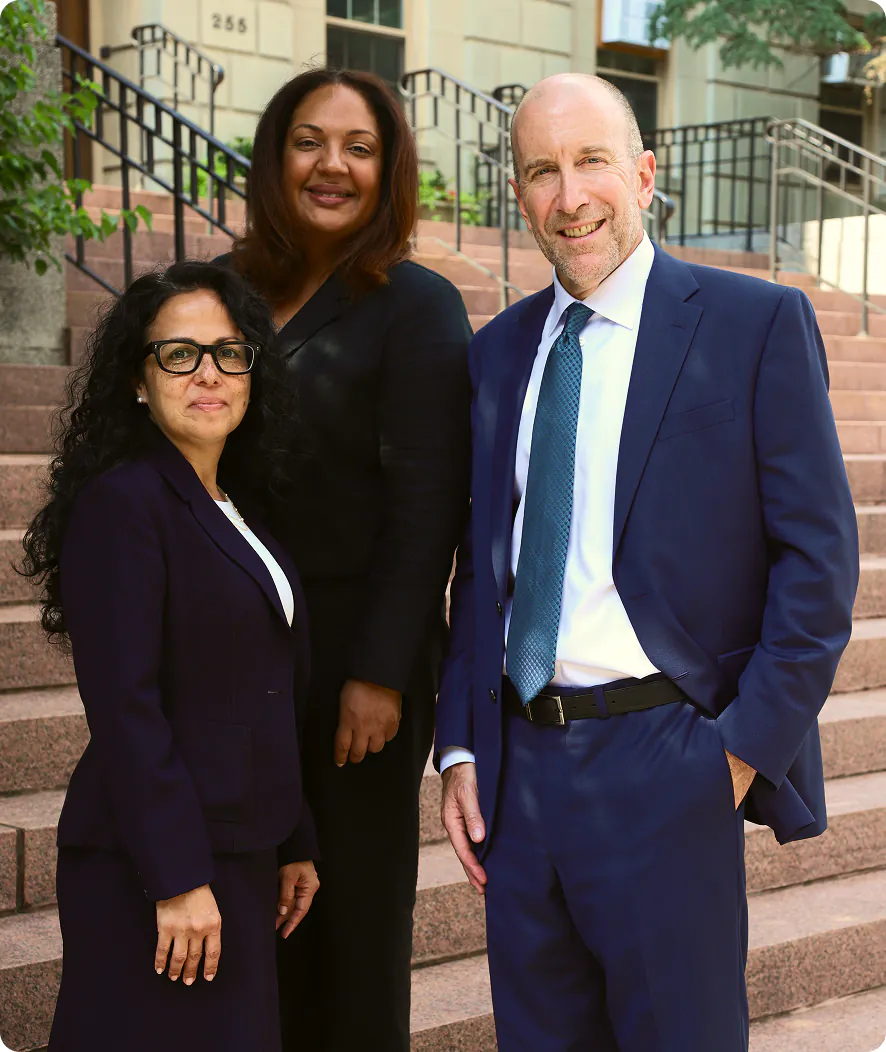
Every person who contacts our office speaks to an attorney directly.
Many firms, when you reach out, you get just a paralegal or just a receptionist, and while they may be very experienced, I think it gives a lot of assurance to the public that they know that when they call us, they will always get the attorney on the phone.
The most important thing I think people should know before they pick up the phone and call the office of Billy Cooper is that we take the time to listen and answer people’s questions.
One of the things that I get told most often, even if it’s a situation where we cannot take your case, is that we explain why.
We don’t just say, “No, you don’t have a case” and hang up.
We always give people an explanation.
We explain what the burden of proof is and the law that applies.
People are always most appreciative that we take the time to explain to them rather than just saying no.
A great outcome beyond the dollar amount is quite significant because after a case resolves, money only means so much.
In fact, I always have conversations with our clients indicating to them that money does a certain thing for you, but it can never make you feel completely whole.
What we try and do is we try and give our people the type of service where they know that even when the case is completed, we are here for them.
What makes our law firm different than other firms in New York is our attention to detail, and that we assist our clients with every aspect of their case.
We make phone calls to make sure that your medical bills are being paid.
We can assist you in finding medical care.
It’s beyond just a legal service. It is an all-around service that we provide.
If you have been injured in an accident or someone you know, whether it’s a family member or a friend, we ask that you reach out to us because we will speak with you and we will assist you.
- Bedford-Stuyvesant
- Bushwick
- Crown Heights
- Flatbush
- Williamsburg
- Borough Park
- Bensonhurst
- Sunset Park
- Bay Ridge
- East New York

Why Injured New Yorkers Turn to Billy Cooper Law
If your injuries are serious, you probably want a lawyer who understands how they will affect more than your next medical appointment. A lasting injury can change your work, mobility, independence, family responsibilities, and plans for the future. William H. “Billy” Cooper has practiced law in New York since 1991 and has served as the firm’s lead trial counsel for more than two decades. He was selected to Super Lawyers from 2024 through 2026. The firm reports more than 75 years of combined experience. That experience has produced recoveries in cases involving catastrophic injuries, vehicle collisions, unsafe property, construction accidents, medical negligence, and wrongful death. Published case results include a $1.6 million pedestrian-accident settlement, an $850,000 automobile-accident settlement, and a settlement of more than $2 million for a construction worker injured in a roof fall. If you would rather discuss your case in Spanish, attorney Anieska Garcia is fluent in English and Spanish. You can speak directly about what happened without asking a relative to interpret a private legal or medical conversation.Why Bay Ridge Injury Cases Require Local Judgment
A Bay Ridge case may involve a neighborhood street, a busy shopping corridor, an apartment building, an MTA bus, a subway station, or one of the highways that divide and surround the community. The location determines who may be responsible, what evidence exists, and which filing rules apply. A collision on Third Avenue or 86th Street may involve nearby storefront cameras, delivery vehicles, bus records, traffic-signal timing, and witnesses on foot. A crash near the Gowanus Expressway may require an entirely different investigation involving highway design, merging traffic, state maintenance records, and multiple vehicles. The agency question can also become complicated. The Gowanus Expressway section of I-278 is administered by the New York State Department of Transportation, while local streets generally involve New York City. The Belt Parkway is part of the City parkway network, where commercial vehicles are generally prohibited. When a truck appears on a restricted parkway, its route, permits, employer instructions, and navigation records may all matter. The same issue arises after a fall. The party responsible for an apartment stairway is not necessarily the party responsible for the sidewalk outside. Ownership, leases, maintenance contracts, prior complaints, repair permits, and the exact location of the defect must be identified before anyone can make a reliable judgment about liability.A Local Accident Snapshot
The NYPD’s 68th Precinct covers Bay Ridge and Dyker Heights, so its figures are broader than Bay Ridge alone. Even so, they give a useful picture of the injury risks in this part of Brooklyn. Through August 9, 2026, the precinct recorded:- 697 reported collisions
- 296 injury collisions
- 420 total injuries
- 68 pedestrian injuries
- 31 traditional-bicycle injuries
- 35 injuries involving motorized two-wheelers
Where Serious Injuries Happen in Bay Ridge
Certain locations present recurring investigative issues.86th Street and the surrounding shopping area
Pedestrian traffic, turning vehicles, buses, deliveries, cyclists, and curbside activity come together around 86th Street. NYC DOT previously identified the portion between Third Avenue and Shore Road as a Vision Zero priority corridor and implemented lane reductions, turn bays, a center median, and bicycle lanes to reduce conflicts and crash severity. That history matters in a current case. Investigators may need to determine the lane configuration and traffic controls in place on the date of the crash rather than relying on older photographs or assumptions about how the street used to operate.Fourth Avenue, Fifth Avenue, and Third Avenue
These north-south corridors carry a mixture of local traffic, buses, delivery vehicles, pedestrians, and cyclists. Cases frequently turn on whether a driver failed to yield while turning, opened a door into a cyclist’s path, pulled away from the curb without looking, or blocked visibility through illegal parking. Nearby stores and residential buildings may have useful video. It should be requested before routine recording systems overwrite it.Marine Avenue and streets near Fort Hamilton
Recent safety work on Marine Avenue between 95th Street and Third Avenue included new crossings, daylighting, curb extensions, turn restrictions, and measures intended to slow turning vehicles. Those features can affect sight lines, right-of-way questions, and the way a collision should be reconstructed.The Gowanus Expressway, Belt Parkway, and highway approaches
Highway crashes often involve merging, sudden lane changes, congestion, commercial vehicles, and chain reactions. The responsible roadway agency may also be different from the agency responsible for the nearest service road, ramp, or overpass. Do not assume every road near the scene belongs to the City. Identifying the correct public entity is part of the legal investigation.Sidewalks, apartment buildings, and commercial property
Bay Ridge has many attached homes, apartment buildings, mixed-use properties, restaurants, and neighborhood stores. Falls may result from broken sidewalk flags, ice, poor lighting, defective steps, loose handrails, leaking pipes, merchandise, cellar doors, or construction debris. The exact spot where you fell can decide the case. A photograph showing only the general block is far less useful than images identifying the defect, adjacent address, storefront, curb, and surrounding landmarks.Personal Injury Cases Billy Cooper Law Handles
The firm represents clients in matters involving:- Car accidents
- Motorcycle accidents
- Pedestrian accidents
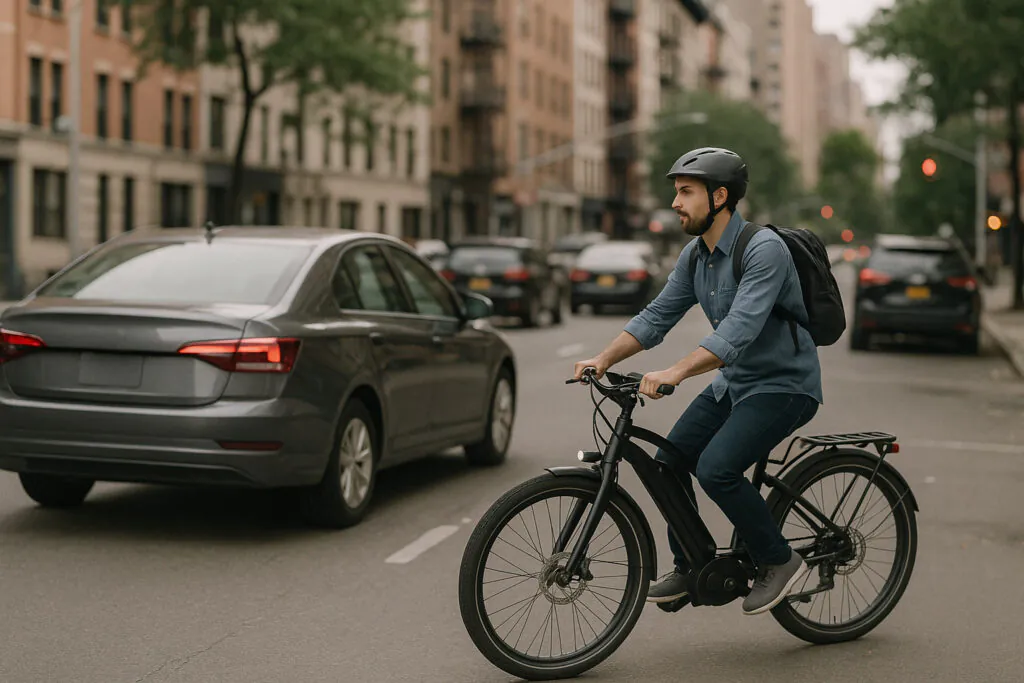
- Bicycle accidents
- E-bike accidents
- Uber and Lyft accidents
- Bus accidents
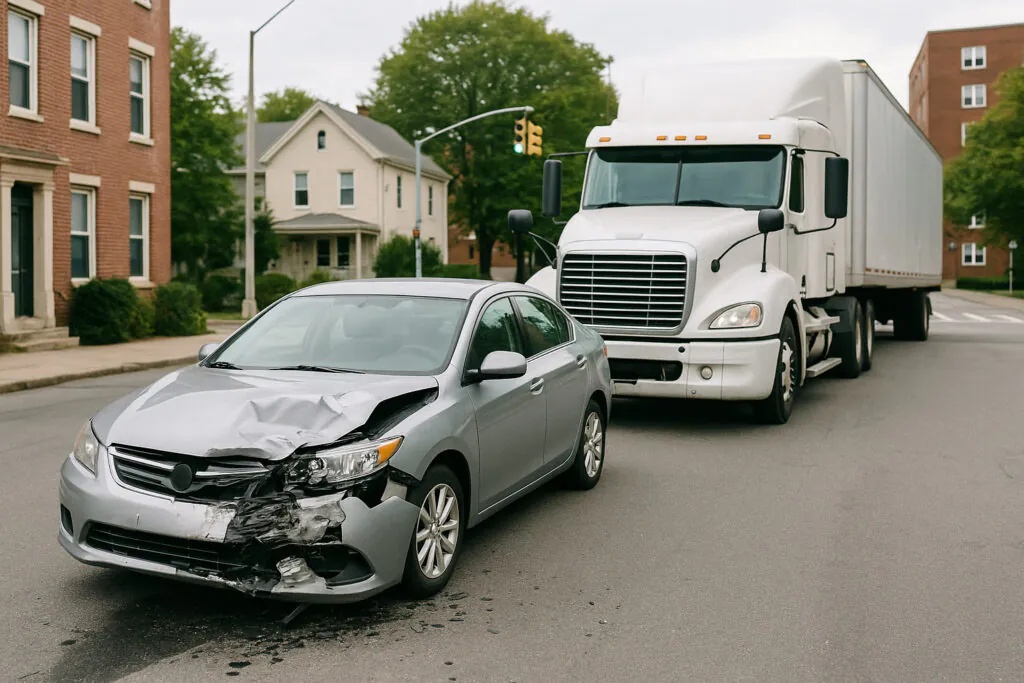
- Truck and commercial-vehicle accidents
- Sidewalk accidents
- Residential-building accidents
- Commercial-property accidents
- Construction accidents
- Work accidents
- Medical malpractice
- Dog bites
- Defective products
- Catastrophic injuries
- Wrongful death
What to Do After an Accident
Start with medical care. Call 911 when the injury or scene requires emergency assistance. Do not delay treatment simply because you hope the pain will improve on its own. Then, as your condition allows:- Report what happened. Ask for a police, incident, property, workplace, or transit report.
- Photograph the scene. Include the hazard, vehicles, traffic controls, surrounding addresses, weather conditions, and visible injuries.
- Get witness information. A name and phone number may be more valuable than a brief statement at the scene.
- Preserve physical items. Keep damaged shoes, clothing, helmets, products, and vehicle parts.
- Avoid guessing about fault. Give accurate facts, but do not fill gaps in your memory or accept blame under pressure.
- Be careful with insurance calls. A recorded statement can be used to challenge your injuries or shift responsibility.
- Follow medical instructions. Attend appointments and explain all symptoms honestly.
- Keep records of your losses. Save medical bills, receipts, pay information, work notes, and transportation expenses.
Evidence That May Need to Be Preserved Quickly
Strong cases are often built from evidence that does not remain available forever. Depending on what happened, that evidence may include:- Storefront, apartment, doorbell, parking-lot, or building video
- Dashcam footage
- MTA bus or station records
- Vehicle event-data recorders
- Cellphone and navigation data
- Rideshare app records
- Delivery schedules and driver logs
- Traffic-signal timing and roadway plans
- Street-opening and construction permits
- 311 complaints and sidewalk violations
- Maintenance and inspection records
- Snow and ice removal logs
- Witness statements
- Medical imaging and treatment records
- Wage and employment documentation
New York Laws and Deadlines
Different claims carry different clocks. The longest possible deadline is not the deadline you should plan around.The general personal injury deadline
Under CPLR § 214, many negligence-based personal injury lawsuits must be started within three years. Medical malpractice, wrongful death, claims involving children, and other specialized matters follow different rules.No-fault insurance deadlines
After a New York motor-vehicle crash, basic no-fault coverage generally pays up to $50,000 for covered economic losses without first deciding who caused the collision. The New York Department of Financial Services explains that this can include medical expenses, part of lost earnings, and certain necessary expenses. Written notice of a no-fault claim generally must be submitted within 30 days of the accident unless a valid justification for delay applies. Medical providers and wage-loss claims also have separate submission requirements. The DFS no-fault filing guidance explains those deadlines.The serious-injury requirement
No-fault benefits do not automatically include compensation for pain and suffering. In many vehicle cases, the injured person must establish a “serious injury” under Insurance Law § 5102(d) before recovering non-economic damages. Current law includes categories such as fractures, significant disfigurement, permanent loss of use, permanent consequential limitation, and significant limitation of a body function or system. New York’s 2026 amendments removed the former 90/180-day category, making objective medical documentation especially important.Comparative fault changed for motor-vehicle cases
New York still follows pure comparative negligence in most personal injury cases. If you share fault for a fall, premises case, or other non-vehicle injury, your compensation is ordinarily reduced according to your percentage of responsibility rather than eliminated. The rule is now different for personal injury actions subject to Article 51 of the Insurance Law. Under current CPLR § 1411, recovery is barred when the injured person’s fault is greater than the fault of the defendant—or greater than the defendants’ combined fault when several parties are sued. Because this motor-vehicle rule changed in 2026, fault evidence is more important than it was under the former system.BILLY COOPER LAW
Questions About a Bay Ridge Injury Claim?
Who May Be Responsible?
Responsibility depends on how the injury happened. A vehicle case may involve the driver, vehicle owner, employer, delivery company, rideshare company, maintenance provider, or another driver who contributed to the collision. A premises case may involve a property owner, commercial tenant, managing agent, maintenance contractor, snow-removal company, security company, or contractor performing work. A construction case may involve an owner, general contractor, subcontractor, equipment company, or another company working at the site. Workers’ compensation may cover part of the loss while a separate lawsuit addresses the responsibility of someone other than the employer. Sidewalk cases require particular care in New York City. Property owners are generally responsible for maintaining adjoining sidewalks, but the liability rules include an exception for qualifying one-, two-, and three-family owner-occupied residential properties used exclusively as residences. The NYC DOT sidewalk guidance and New York court decisions applying Administrative Code § 7-210 explain why ownership and occupancy must be checked rather than assumed.Compensation After a Serious Injury
A personal injury claim should account for what the injury has already cost you and what it is likely to cost in the future. Recoverable damages may include:- Emergency treatment and hospitalization
- Surgery, rehabilitation, therapy, and medication
- Future medical and personal-care needs
- Lost wages
- Reduced earning ability
- Household help and transportation expenses
- Pain and suffering
- Loss of mobility or independence
- Emotional and psychological harm
- Scarring or disfigurement
- Loss of enjoyment of life
Claims Against the City, Transit Authority, or State
Government cases can be lost before an ordinary statute of limitations expires. A claim against the City of New York generally requires a notice of claim within 90 days under General Municipal Law § 50-e. The NYC Comptroller’s eClaim system is used for personal injury claims against the City. A later lawsuit is generally subject to the shorter deadline in General Municipal Law § 50-i. Claims against the New York City Transit Authority also generally require a timely notice of claim. Public Authorities Law § 1212 provides a one-year-and-90-day limitations period for many tort actions against the authority, along with notice requirements tied to General Municipal Law § 50-e. A crash involving the state-controlled Gowanus Expressway may fall under Court of Claims procedures rather than the ordinary rules used for a City street. The correct agency and roadway segment should be identified immediately. If a bus, subway, police vehicle, sanitation truck, roadway defect, public-school property, or government construction project may be involved, do not wait to find out which deadline applies.Local Courts, Medical Care, and Agencies
If a serious injury requires emergency treatment, call 911. EMS will determine the appropriate destination based on your condition. One nearby trauma resource is the Emergency Department at NYU Langone Hospital—Brooklyn, a Level 1 Trauma Center at 150 55th Street. The NYPD 68th Precinct, which serves Bay Ridge and Dyker Heights, is located at 333 65th Street. When venue is proper in Brooklyn and a lawsuit becomes necessary, many substantial personal injury actions proceed in the Kings County Supreme Court, Civil Term at 360 Adams Street. Court is not the first step in every case. Before a lawsuit is filed, the work usually involves investigating the accident, identifying insurance coverage, documenting the injury, preserving evidence, and giving the responsible parties an opportunity to resolve the claim.How Billy Cooper Law Investigates a Bay Ridge Case
The investigation starts with a detailed conversation about what happened and what has changed since the injury. The legal team may then:- Visit or document the scene
- Identify all potentially responsible parties
- Request surveillance footage
- Obtain police, transit, property, or workplace reports
- Search for roadway, sidewalk, and construction records
- Interview witnesses
- Review applicable insurance policies
- Examine medical records and imaging
- Calculate past and future wage loss
- Consult medical, engineering, vocational, or accident-reconstruction experts
- File required notices and legal papers
- Deal directly with insurers and defense attorneys
- Prepare the case for trial when a fair resolution is not offered
Frequently Asked Questions
How do I know whether I have a personal injury case?
You may have a claim if another person, business, property owner, contractor, medical provider, or public entity failed to act with reasonable care and caused your injury. The clearest way to find out is to have the facts, evidence, insurance, and deadlines reviewed.What if I was partly responsible?
Partial fault does not necessarily end the case. In most non-vehicle injury cases, it reduces compensation according to your share of responsibility. In motor-vehicle actions governed by Article 51, current law can bar recovery if your fault exceeds the combined fault of the defendants.Who pays my medical bills after a car accident?
New York no-fault insurance generally pays the first layer of covered medical expenses and wage loss, regardless of who caused the crash. A separate claim against the responsible party may be available when the legal requirements for pursuing additional damages are met.Who is responsible for a Bay Ridge sidewalk fall?
Often the adjoining property owner, but not always. The answer can depend on the type of building, whether it was owner-occupied, who created the defect, whether a contractor or utility performed work, and whether the City or another public entity controlled the location.Can I bring a claim after falling on snow or ice?
Possibly. The investigation may focus on when the storm ended, whether someone attempted to clear the area, whether the work made the condition more dangerous, and who was responsible for maintenance. Photograph the condition before it changes if you can do so safely.What if an MTA bus or subway caused my injury?
Report the incident and record the route, vehicle or car number, direction, station, time, and exact location. Transit cases have shortened notice and lawsuit deadlines, so they should be evaluated promptly.How much does it cost to hire Billy Cooper Law?
The firm offers free consultations and handles personal injury cases on a contingency basis. There is no upfront attorney’s fee, and no attorney’s fee is owed unless the firm obtains compensation for you.Do I have to go to court?
Not necessarily. Many cases resolve through insurance negotiations or mediation. A lawsuit may be needed when liability is disputed, the insurer undervalues the injuries, or important evidence must be obtained through formal discovery.How long will my case take?
That depends on the seriousness of the injury, length of treatment, number of responsible parties, insurance coverage, and whether litigation is required. Some cases resolve in months; complex or disputed cases can take considerably longer.Can I speak with the firm in Spanish?
Yes. Anieska Garcia is fluent in English and Spanish and represents Spanish-speaking clients directly.Related Information
Learn more about the firm’s approach to New York personal injury cases, motor-vehicle accidents, premises liability, construction injuries, and wrongful death claims.Tell Us What Happened
You do not need to know the name of every responsible party or which insurance policy applies before asking for help. Start with what you know: where the injury happened, when it happened, how you were hurt, and who has contacted you since. Billy Cooper Law represents clients throughout New York City from its White Plains office and its Manhattan location, which is available by appointment. The firm does not list an office in Bay Ridge. Call (718) 866-3311 or contact Billy Cooper Law for a free consultation. Ask your questions. The firm will explain your options and the deadlines that may apply.Sources
- Billy Cooper Law
- Billy Cooper Law Personal Injury Practice
- Billy Cooper, Esq.
- Anieska Garcia, Esq.
- Billy Cooper Law Case Results
- Billy Cooper Law Contact Information
- NYPD 68th Precinct
- NYPD 68th Precinct TrafficStat Report
- NYPD Motor Vehicle Collision Reports
- NYC DOT: 86th Street Corridor Safety Improvements
- NYC DOT: Marine Avenue Safety Improvements
- NYC DOT Parkway Truck Restrictions
- New York State DOT Gowanus Expressway Project
- NYC DOT Sidewalk Maintenance and Liability Guidance
- New York Courts: Administrative Code § 7-210 Sidewalk Liability Decision
- New York CPLR § 214
- New York CPLR § 1411
- New York Insurance Law § 5102
- New York Insurance Law § 5104
- New York Department of Financial Services Auto Insurance Resource Center
- New York Department of Financial Services No-Fault Filing Guidance
- New York General Municipal Law § 50-e
- New York General Municipal Law § 50-i
- New York Public Authorities Law § 1212
- NYC Comptroller eClaim Filing
- New York City Transit Department of Law Claim Form
- Kings County Supreme Court, Civil Term
- Emergency Department at NYU Langone Hospital—Brooklyn
Communities We Serve
- Kings County (Brooklyn)
- Bedford-Stuyvesant
- Bushwick
- Crown Heights
- Flatbush
- Williamsburg
- Borough Park
- Bensonhurst
- Sunset Park
- Bay Ridge
- East New York
BILLY COOPER LAW
Ready to Discuss What Happened?

Putting Over 75 Years of Combined Experience on Your Side
Putting Over 75 Years of Combined Experience on Your Side
Putting Over 75 Years of Combined Experience on Your Side
Putting Over 75 Years of Combined Experience on Your Side
Putting Over 75 Years of Combined Experience on Your Side
Putting Over 75 Years of Combined Experience on Your Side
Putting Over 75 Years of Combined Experience on Your Side
Putting Over 75 Years of Combined Experience on Your Side
Putting Over 75 Years of Combined Experience on Your Side
Putting Over 75 Years of Combined Experience on Your Side
Get the Answers You Need
At Billy Cooper Law, every day we renew our pledge to help injured people get the justice and compensation they deserve. We have a reputation throughout New York and nationally for standing up for our clients, and we take that responsibility seriously by approaching every case with preparation, persistence, and an unwavering commitment to results.