Video Transcript
Every person who contacts our office speaks to an attorney directly.
Many firms, when you reach out, you get just a paralegal or just a receptionist, and while they may be very experienced, I think it gives a lot of assurance to the public that they know that when they call us, they will always get the attorney on the phone.
The most important thing I think people should know before they pick up the phone and call the office of Billy Cooper is that we take the time to listen and answer people’s questions.
One of the things that I get told most often, even if it’s a situation where we cannot take your case, is that we explain why.
We don’t just say, “No, you don’t have a case” and hang up.
We always give people an explanation.
We explain what the burden of proof is and the law that applies.
People are always most appreciative that we take the time to explain to them rather than just saying no.
A great outcome beyond the dollar amount is quite significant because after a case resolves, money only means so much.
In fact, I always have conversations with our clients indicating to them that money does a certain thing for you, but it can never make you feel completely whole.
What we try and do is we try and give our people the type of service where they know that even when the case is completed, we are here for them.
What makes our law firm different than other firms in New York is our attention to detail, and that we assist our clients with every aspect of their case.
We make phone calls to make sure that your medical bills are being paid.
We can assist you in finding medical care.
It’s beyond just a legal service. It is an all-around service that we provide.
If you have been injured in an accident or someone you know, whether it’s a family member or a friend, we ask that you reach out to us because we will speak with you and we will assist you.
Sunset Park NY Personal Injury Lawyer
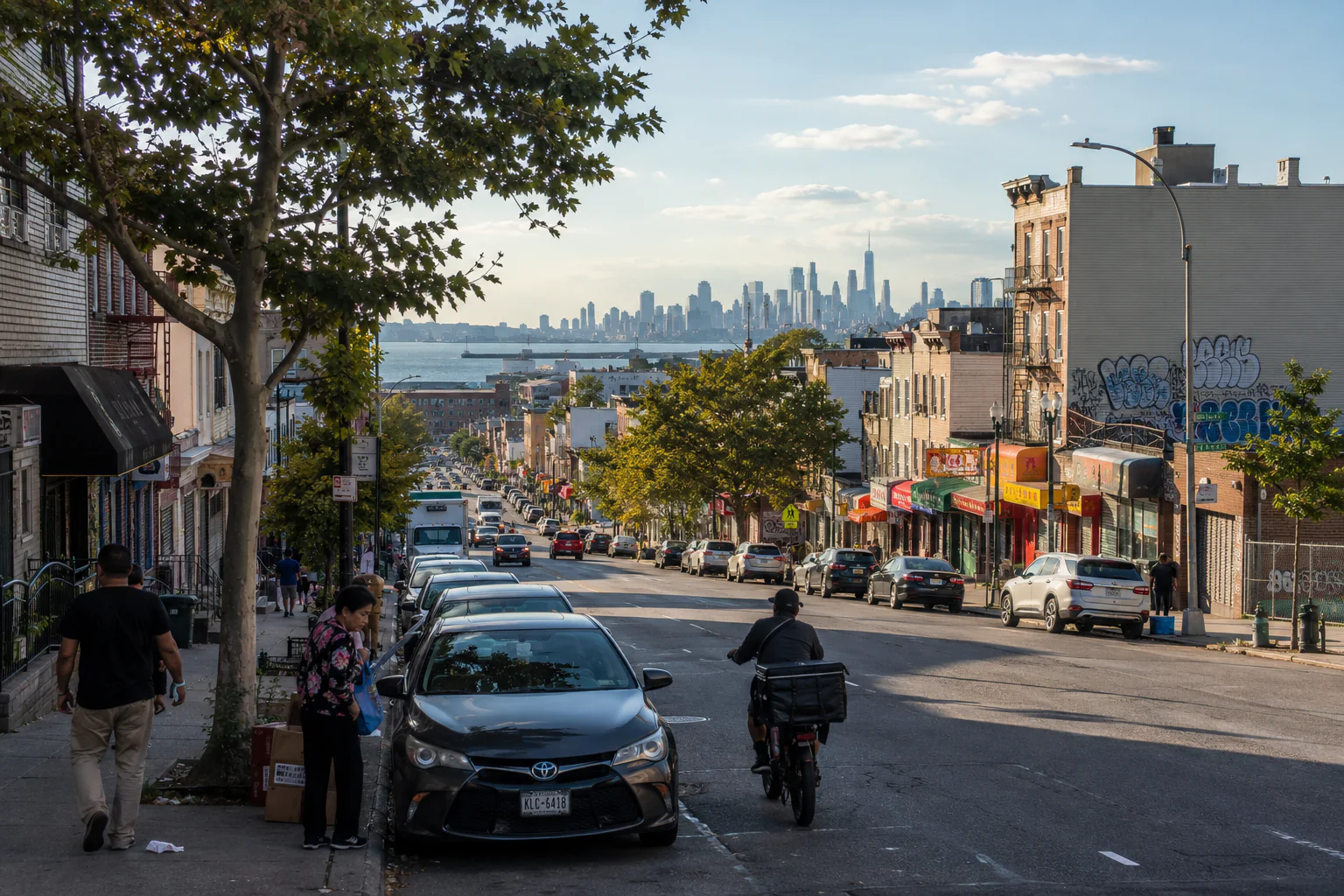
A pedestrian is crossing Third Avenue when a delivery truck pulls out of a loading area beneath the Gowanus Expressway and hits them. At first, it sounds like a straightforward traffic case. Was the driver paying attention? Was the truck moving too fast? Did the driver fail to yield? But in Sunset Park, the investigation may get complicated almost immediately. Was the truck leaving a private warehouse or a City-owned waterfront property? Did construction fencing block the driver’s view? Was there a problem with the signal or crosswalk? And if the condition of the roadway contributed to the crash, who controlled it—the City street below, the State-owned expressway above, or somebody else? In Sunset Park, a few feet can change the case. The neighborhood sits at the intersection of residential Brooklyn and one of New York City’s most active industrial areas. The Gowanus Expressway runs overhead. Trucks move between warehouses and loading docks. Subway lines, buses, cyclists and pedestrians share crowded streets. Along the waterfront, public property, private businesses, contractors and heavy equipment operate side by side. That makes identifying who controlled the place where someone was injured especially important. Billy Cooper Law represents people injured in Sunset Park and throughout Brooklyn. You do not need to figure out the ownership map before calling us. Tell us where you were and what happened. We can begin from there. Local Brooklyn neighborhoods we serve:- Bedford-Stuyvesant
- Bushwick
- Crown Heights
- Flatbush
- Williamsburg
- Borough Park
- Bensonhurst
- Sunset Park
- Bay Ridge
- East New York
Why Injured New Yorkers Turn to Billy Cooper Law
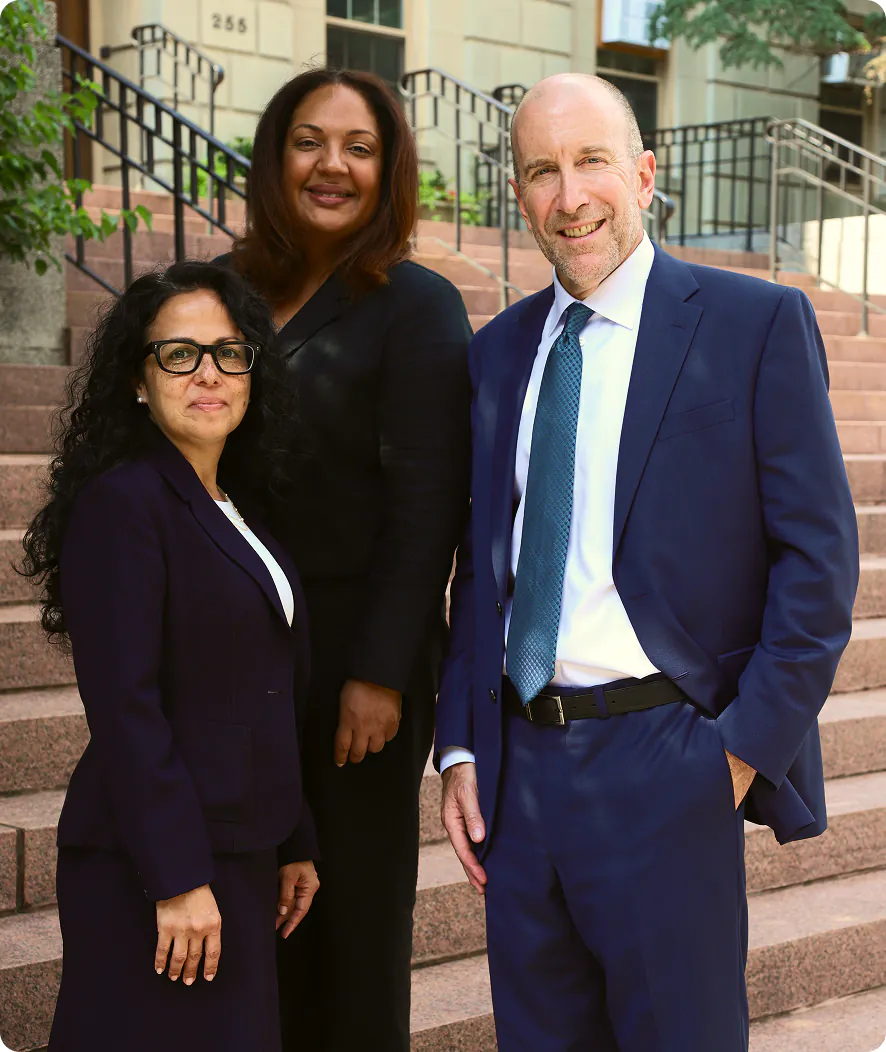
After a serious injury, most people are not looking for a lawyer’s résumé. They want to know whether the lawyer can handle a difficult case, explain what is happening and take some of the pressure off their family. Billy Cooper Law traces its history to a practice founded in 1960. The firm brings more than 75 years of combined experience to personal injury cases, and William H. “Billy” Cooper has practiced law in New York since 1991. The firm’s published results include a $9 million settlement involving severe burns and an amputation, a $2.005 million construction settlement involving a roof fall, a $1.6 million pedestrian settlement and an $850,000 motor vehicle settlement. Prior results cannot predict what will happen in another case. But they do show experience with the kinds of issues that matter when an injury is permanent: multiple surgeries, lost earning ability, future medical care and the possibility that someone’s life will never return to what it was before the accident. Communication matters, too. Attorney Anieska Garcia is fluent in English and Spanish, as is longtime paralegal Julia Martinez. Clients should be able to talk directly about their health, their family and their legal options without having to depend on a child, relative or friend to translate. Consultations are free, and personal injury cases are handled on a contingency basis. There is no attorney’s fee unless compensation is recovered.Why Sunset Park Injury Cases Can Get Complicated Quickly
The central question in many Sunset Park cases is surprisingly simple: Who controlled the place where the accident happened? The answer may not be simple at all. Sunset Park is divided by the Gowanus Expressway, with a large industrial waterfront west of Third Avenue. That creates boundaries between City property, State property and privately controlled property that most people have no reason to think about until somebody gets hurt.Third Avenue and the Gowanus Expressway
Third Avenue carries just about everything: cars, buses, trucks, bicycles, pedestrians and commercial traffic headed to and from the waterfront. Above much of it sits the elevated Gowanus Expressway. That physical arrangement creates an important legal distinction. The State owns the BQE/Gowanus section running through Sunset Park, while New York City is responsible for streets and sidewalks beneath and around it. So an accident on the expressway and an accident directly below it may involve completely different government entities and different legal procedures. Add a private warehouse, construction contractor or commercial tenant beside the roadway, and there may be several potential parties to investigate. There is good reason to take accidents along Third Avenue seriously. NYC DOT reported 13 fatalities between 2016 and 2023 along the 2.3-mile section between Prospect Avenue and 62nd Street. Its earlier analysis also documented serious injuries involving pedestrians, cyclists and vehicle occupants. The point isn’t that those statistics prove anything about a particular crash. They don’t. They tell us something more useful: Third Avenue is a complicated environment, and when somebody is seriously injured there, the investigation should look beyond the two vehicles—or the driver and pedestrian—immediately involved.Fourth Avenue and Eighth Avenue
A few blocks away, the risks look different. Fourth Avenue combines subway entrances, protected bicycle lanes, buses, turning vehicles, pedestrian islands, schools, stores and residential buildings. There are a lot of people moving through a relatively small amount of space. Street design has made a measurable difference there. After an earlier Sunset Park redesign, NYC DOT reported declines in pedestrian injuries and speeding along the corridor. Eighth Avenue presents another challenge. It is narrower and heavily commercial, with shoppers, delivery vehicles, school traffic, cyclists and pedestrians frequently competing for space. NYC DOT previously identified the section between 39th and 66th Streets as among the top 10% of Brooklyn streets for people killed or severely injured per mile. After a serious crash at one of these intersections, the question may not simply be which person had the green light. Sight lines matter. So do lane markings, delivery activity, illegally parked vehicles, turning patterns, traffic controls and nearby cameras. Those details can disappear quickly if nobody goes looking for them.The Working Waterfront
West of Third Avenue, Sunset Park changes character. Warehouses, factories, marine facilities, construction sites, food businesses, trucks and heavy equipment become part of the everyday landscape. The NYCEDC Sunset Park District covers roughly 200 acres and includes four major industrial campuses: Brooklyn Army Terminal, South Brooklyn Marine Terminal, MADE Bush Terminal and the Brooklyn Wholesale Meat Market. For an injury case, the important thing to understand is that “public property” does not necessarily mean one government agency controlled everything that happened there. A City-owned industrial campus can contain private tenants, contractors, equipment operators, security companies, maintenance firms, delivery companies and construction managers. Brooklyn Army Terminal alone covers 59 waterfront acres and contains more than 100 businesses. If someone is injured on a loading dock there, for example, the important questions may include who owned the dock, who leased it, who maintained it, who employed the people working there and who supplied the equipment involved. The same is true at South Brooklyn Marine Terminal, where public property interests intersect with private operators, contractors and large infrastructure projects. An injured worker or visitor should not be expected to untangle that organizational chart at the scene. That is part of the investigation.Subway Stations, Buses and Transit Property
Transit cases present their own version of the same problem. Sunset Park is served by subway lines, buses, Access-A-Ride and nearby ferry service. An injury involving transit may involve the bus operator, New York City Transit Authority, another driver, a maintenance contractor or the owner of property outside a station. One detail is particularly important: the MTA name may be everywhere, but the proper legal defendant in a subway or bus case may be the New York City Transit Authority. That distinction can affect both how a claim must be brought and how quickly action must be taken. The safest approach after a serious transit injury is not to guess which agency is responsible. Identify exactly where and how the injury occurred and work backward from there.Personal Injury Cases Billy Cooper Law Handles
Billy Cooper Law represents people injured in:- Motor vehicle accidents involving cars, trucks, buses, rideshares, motorcycles, bicycles, e-bikes and pedestrians
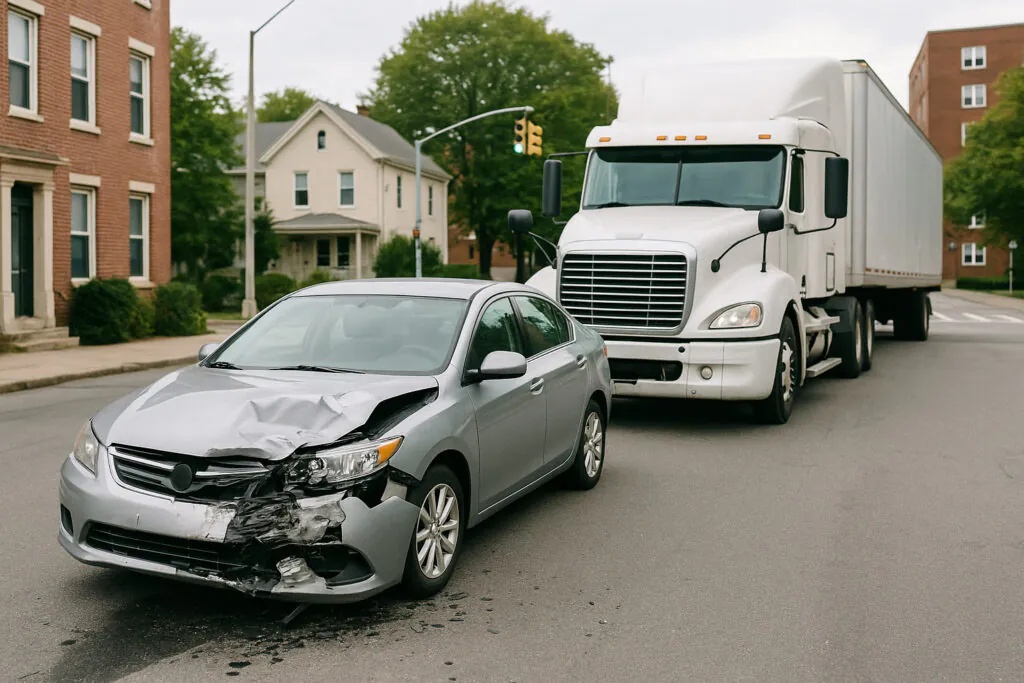
- Commercial truck and delivery vehicle crashes
- Construction accidents involving falls, scaffolds, ladders, falling objects and unsafe equipment
- Falls and other injuries at stores, apartment buildings, warehouses, sidewalks and parking areas
- Workplace accidents where a company other than the injured person’s employer may be responsible
- Catastrophic injury cases involving brain trauma, spinal cord damage, severe burns and amputations
- Medical malpractice
- Defective product cases
- Dog bites and attacks
- Wrongful death cases
What to Do After an Injury in Sunset Park
Your health comes first. If you may have suffered a head, neck, back, internal or serious orthopedic injury, call 911 or get medical attention. Once the immediate medical situation is under control, a few practical steps can make a major difference. Start with the exact location. In Sunset Park, “under the Gowanus” isn’t precise enough. Record the nearest address or intersection. If you were at a warehouse or waterfront property, note the building, entrance, loading dock or work area. Take photographs that show context, not just the thing that hurt you. Photograph traffic signals, signs, crosswalks, construction fencing, lighting, nearby businesses and surveillance cameras. If you fell, photograph both the defect and enough of the surrounding area to establish exactly where it was. Get contact information from witnesses. Report the accident to the appropriate person or agency and keep a copy of any report or identifying number you receive. Preserve damaged clothing, footwear, helmets, bicycles, tools or safety equipment. Don’t throw away something that may later help explain what happened. And be careful with insurance calls. You can provide necessary basic information without guessing about speed, distance, fault or how fully you expect to recover. One more thing: don’t assume somebody else will save the evidence for you. They may not.Evidence That Can Disappear
Some of the most important evidence in a Sunset Park injury case may exist for only a short time. A storefront camera may record a collision perfectly—and overwrite it a week later. A delivery truck may contain video, GPS information and electronic driving data. A warehouse may have loading-dock surveillance. A bus or subway station may have its own cameras. Nearby apartment buildings may have doorbell or security systems pointing directly toward the accident. After a commercial vehicle crash, useful records can also include dispatch messages, route assignments, driver logs, vehicle inspections, maintenance records and phone data. Property cases create a different paper trail. Depending on what happened, we may want to know who owned and leased the property, who was responsible for maintenance, whether anyone complained about the condition before the accident, and whether repair work had recently been performed. That can mean looking for leases, inspection records, cleaning schedules, maintenance agreements, 311 complaints, work permits, repair orders and earlier incident reports. Construction accidents may require contracts, daily logs, safety plans, equipment inspections and records showing which companies actually directed the work. This is particularly important because an injured worker often knows only the name of his or her employer. The company that owned the property, ran the project, supplied the equipment or created the dangerous condition may be somebody the worker had never heard of before the accident. Finding those relationships is part of building the case.New York Deadlines That May Affect Your Claim
New York gives injured people time to bring a lawsuit. The problem is that there is no single deadline that applies to every case. For many negligence claims, the general statute of limitations is three years under CPLR § 214. But three years can be dangerously misleading. If New York City, a transit authority or another public entity is involved, you may have only 90 days to take an important first step. Medical malpractice and wrongful death cases have different deadlines. And even when the legal deadline is years away, the best evidence may disappear within days. The practical rule is much simpler: if you have been seriously injured, particularly on public property or in an accident involving a government agency, transit system or construction project, do not wait to find out which deadline applies.Government Claims Can Move Much Faster
Suppose you trip over a dangerous condition on a privately owned warehouse property. Now suppose the same thing happens a few feet away on a City-controlled sidewalk. Those cases may look almost identical. Legally, they may be very different. Claims against New York City and many other public entities generally require a Notice of Claim within 90 days. A lawsuit against the City also typically has to be brought within one year and 90 days. Transit cases can have similar special requirements. This is one reason determining control is so important in Sunset Park. The injured person may see one continuous streetscape. The law may see City property, State property, transit property and privately controlled property sitting beside one another. You should not have to figure that out yourself. But somebody needs to figure it out quickly.Street and Sidewalk Cases Require More Than a Picture
A good photograph can establish that a pothole, broken sidewalk or roadway defect existed. It does not necessarily establish that New York City—or anyone else—can be held responsible for it. Municipal defect cases can turn on whether the government had legally sufficient notice of the problem or whether government work created the dangerous condition. That can make records from before the accident extremely important. Was the condition previously reported? Had repairs been attempted? Was a contractor working there? Was there a street-opening permit? Did a nearby property make some special use of the sidewalk or roadway? The answer may be buried in permits, repair histories, complaints, inspection records and photographs that the injured person has never seen.Medical Malpractice and Wrongful Death Have Different Deadlines
Medical malpractice claims generally must be filed within two years and six months under CPLR § 214-a, although rules involving continuous treatment and other circumstances can affect the calculation. Wrongful death cases generally have a two-year limitations period under EPTL § 5-4.1 and must be brought by the estate’s personal representative. These are not deadlines anyone should try to calculate from a webpage. The facts matter, and exceptions can be important.BILLY COOPER LAW
Questions About a Sunset Park Injury Claim?
New York Changed the Rules for Motor Vehicle Cases in 2026
One of the biggest changes to New York personal injury law in years took effect in May 2026. Historically, New York broadly followed “pure comparative negligence.” Even someone who was mostly responsible for an accident could potentially recover compensation, although the amount would be reduced by that person’s percentage of fault. For many motor vehicle injury lawsuits, that is no longer the rule. Under the amended CPLR § 1411, a person bringing certain motor vehicle injury actions can now be barred from recovering if that person’s share of fault is greater than the combined fault of the defendants. At 50% fault or less, compensation may still be available, but it is reduced by the percentage of fault assigned to the injured person. The old rule generally continues for non-motor-vehicle negligence cases. Why does that matter after a Sunset Park crash? Because arguments about fault now carry even greater consequences. A delivery company may say the pedestrian stepped into traffic. A driver may say a cyclist suddenly changed lanes. Two drivers may each insist the other had the light. Those disputes make video, witnesses, vehicle data, sight lines, traffic controls and physical evidence particularly important. What once affected how much someone could recover may now determine whether there is a recovery at all. The 2026 reforms also changed New York’s “serious injury” threshold for motor vehicle cases, including eliminating the former 90-out-of-180-day category for covered actions commenced after the change. The remaining statutory categories still include injuries such as fractures, significant limitations, permanent injuries and significant disfigurement. The takeaway is not that an injured person needs to master New York’s no-fault statute. It is that older assumptions about New York car accident law may no longer be correct.No-Fault Insurance Is Only Part of a Car Accident Case
New York’s no-fault system generally provides an initial source of payment for qualifying medical expenses and part of an injured person’s lost income after a covered motor vehicle accident, regardless of who caused the crash. That does not mean fault is irrelevant. And it does not mean no-fault pays for everything. Pain and suffering ordinarily requires a separate liability claim and proof that the injury satisfies New York’s serious-injury requirements. There are also deadlines for submitting no-fault claims and medical documentation. Opening an insurance claim is not the same thing as protecting every legal claim you may have.Who May Be Responsible for a Sunset Park Injury?
Sometimes the answer is obvious. Often it isn’t. Depending on what happened, responsibility could extend to:- A negligent driver or vehicle owner
- A driver’s employer
- A trucking, delivery or logistics company
- A warehouse operator or commercial tenant
- A property owner or managing agent
- A maintenance, security or snow-removal contractor
- A construction owner, general contractor or subcontractor
- An equipment manufacturer
- New York City
- New York State
- The New York City Transit Authority
- An operator or private company leasing public waterfront property
What Compensation May Be Available?
A serious injury case should account for more than the bills that have already arrived. Depending on the circumstances, compensation may include medical treatment, future surgery and rehabilitation, lost wages, reduced earning ability, pain and suffering, permanent disability or disfigurement, home health assistance, mobility equipment and other accident-related losses. The future matters. Someone recovering from a major orthopedic injury may not yet know whether another surgery will be necessary. A construction worker may return to work only to discover that the physical demands of the job are no longer manageable. A person with a brain injury may appear physically recovered while still struggling with memory, concentration or fatigue. Those consequences should be understood before a case is resolved. A fast settlement is not necessarily a good settlement.Local Resources After a Sunset Park Accident
For a medical emergency, call 911. NYU Langone Hospital—Brooklyn, at 150 55th Street, has an emergency department serving an American College of Surgeons-accredited Level 1 Trauma Center. The NYPD’s 72nd Precinct, located at 830 Fourth Avenue, covers Sunset Park and Windsor Terrace. If police responded to an accident, keep the report number and the names of responding officers if you have them. Many substantial Brooklyn personal injury cases proceed in Kings County Supreme Court, Civil Term, at 360 Adams Street. You do not need to know which court will hear your case before speaking with a lawyer. Venue depends on the circumstances and the parties involved.How Billy Cooper Law Investigates a Sunset Park Injury
We start with something basic: Exactly where did it happen? That answer can tell us a great deal. If the accident happened beneath the Gowanus Expressway, for example, we may need to distinguish between the State-owned structure overhead, the City-controlled street below and private property beside it. If it happened at Brooklyn Army Terminal or another waterfront property, leases and operating agreements may tell us who actually controlled the particular loading area, building or worksite. Then we look for evidence before it disappears. That can mean contacting businesses about surveillance footage, preserving vehicle data, obtaining construction documents, requesting government records or identifying witnesses. From there, we build both sides of the case. The first is responsibility: What happened? Who created or controlled the danger? Who knew about it? Who should have prevented it? The second is the injury itself: What has this cost medically and financially? How has it affected work and everyday life? What problems are likely to remain in the future? Some cases can be established through records, photographs and testimony. Others require engineers, accident reconstruction experts, physicians, vocational experts, economists or construction-safety professionals. The investigation should fit the case. Not the other way around.Frequently Asked Questions About Sunset Park Injury Claims
Is New York City or New York State responsible for an accident beneath the Gowanus Expressway?
It depends on exactly where the accident happened and what caused it. New York State owns the elevated Gowanus/BQE section through Sunset Park. New York City is generally responsible for the streets and sidewalks below and around it. A private property owner or contractor may also be involved. This is why photographs establishing the precise location can be so valuable.Who is responsible if I was injured at Brooklyn Army Terminal or another waterfront property?
There may be several possibilities. Depending on the location and accident, responsibility could involve a property owner, commercial tenant, contractor, maintenance company, equipment operator or another business working at the property. The name of the campus does not necessarily tell you who controlled the place where you were hurt.How quickly should surveillance footage be requested?
As quickly as possible. Some private surveillance systems overwrite recordings within days or weeks. Government and transit systems have their own retention procedures. Reporting an accident does not necessarily mean someone will preserve the video.Can I recover if I was partly responsible for a traffic accident?
Possibly, but New York changed its rules in 2026. For many motor vehicle injury actions commenced after the change, recovery can be barred when the injured person’s share of fault exceeds the combined fault of the defendants. At 50% fault or less, compensation may still be available but reduced. Different comparative-fault rules generally continue to apply to non-vehicle negligence cases.What if I was injured while working in a warehouse or making a delivery?
You may have workers’ compensation benefits and also have a separate claim against someone other than your employer. That could include another driver, property owner, contractor, tenant or equipment manufacturer. Do not assume workers’ compensation is necessarily the only available source of recovery.Does immigration status prevent someone from bringing an injury claim?
Immigration status does not erase another person’s or company’s obligation to act safely. Billy Cooper Law has English- and Spanish-speaking team members who can discuss the process directly with clients.How long do I have if a City agency or transit authority may be involved?
Potentially much less time than you would have in an ordinary negligence case. A Notice of Claim may be required within 90 days when certain government entities are involved. The precise requirements depend on the entity responsible, which is another reason ownership and control should be investigated quickly.How much does it cost to speak with Billy Cooper Law?
The consultation is free. Personal injury matters are handled on a contingency basis, meaning there is no attorney’s fee unless compensation is recovered.Tell Us What Happened
You do not need to know who owned the road. You do not need to know who leased the warehouse, maintained the loading dock, controlled the construction project or operated the property. And you certainly do not need to figure out whether the City, State, Transit Authority or a private company is the right defendant. Start with what you know. Where were you? What happened? How were you injured? Billy Cooper Law can investigate the ownership, contracts, insurance, evidence and deadlines from there. Call (718) 866-3311 or contact Billy Cooper Law online for a free consultation.Related Information
Learn more about:- New York personal injury claims
- Motor vehicle accident cases
- Commercial vehicle and truck accidents
- Construction accident claims
- Unsafe property claims
- Work injury and third-party claims
- Catastrophic injury cases
- Wrongful death claims
Tell Us What Happened
You do not need to know who owned the road, controlled the loading area, operated the property, or employed the person who caused your injury. Start with what you do know. Tell Billy Cooper Law where you were, what happened, and what injuries you are dealing with. The firm can investigate the ownership, contracts, insurance, evidence, and deadlines from there. Call (718) 866-3311 or contact Billy Cooper Law online for a free consultation.Sources
Billy Cooper Law
- Billy Cooper Law
- Personal Injury Practice
- Practice Areas
- Meet the Team
- William H. Cooper
- Anieska J. Garcia
- Julia Martinez
- Case Results
- Contact Billy Cooper Law
Sunset Park Roads, Infrastructure, and Waterfront
- Brooklyn Community Board 7 Overview
- NYC DOT: Third Avenue, Prospect Avenue to 62nd Street
- NYC DOT: Seventh and Eighth Avenues Safety Project
- Brooklyn Pedestrian Safety Action Plan
- NYC DOT BQE North and South Planning
- NYC DOT Current Projects
- NYCEDC Sunset Park District
- Brooklyn Army Terminal
- South Brooklyn Marine Terminal Development
- MADE Bush Terminal
Local Medical, Police, and Court Resources
- NYU Langone Hospital—Brooklyn Emergency Department
- NYPD Precinct Directory
- Kings County Supreme Court, Civil Term
Governing New York Law
- CPLR § 214—General Personal Injury Limitation Period
- CPLR § 214-a—Medical Malpractice
- CPLR § 1411—Comparative Fault
- General Municipal Law § 50-e—Notice of Claim
- General Municipal Law § 50-i—Municipal Tort Actions
- Public Authorities Law § 1212—New York City Transit Authority Claims
- Insurance Law § 5102—No-Fault Definitions and Serious Injury
- Insurance Law § 5104—No-Fault Actions
- New York Department of Financial Services: 2026 Motor Vehicle Insurance Reforms
- EPTL § 5-4.1—Wrongful Death Actions
- Vehicle and Traffic Law § 388—Vehicle Owner Liability
- Labor Law § 240—Elevation-Related Construction Risks
- Labor Law § 241—Construction, Excavation, and Demolition Safety
Communities We Serve
- Kings County (Brooklyn)
- Bedford-Stuyvesant
- Bushwick
- Crown Heights
- Flatbush
- Williamsburg
- Borough Park
- Bensonhurst
- Sunset Park
- Bay Ridge
- East New York
BILLY COOPER LAW
Ready to Discuss What Happened?
Putting Over 75 Years of Combined Experience on Your Side
Putting Over 75 Years of Combined Experience on Your Side
Putting Over 75 Years of Combined Experience on Your Side
Putting Over 75 Years of Combined Experience on Your Side
Putting Over 75 Years of Combined Experience on Your Side
Putting Over 75 Years of Combined Experience on Your Side
Putting Over 75 Years of Combined Experience on Your Side
Putting Over 75 Years of Combined Experience on Your Side
Putting Over 75 Years of Combined Experience on Your Side
Putting Over 75 Years of Combined Experience on Your Side
Get the Answers You Need
At Billy Cooper Law, every day we renew our pledge to help injured people get the justice and compensation they deserve. We have a reputation throughout New York and nationally for standing up for our clients, and we take that responsibility seriously by approaching every case with preparation, persistence, and an unwavering commitment to results.