
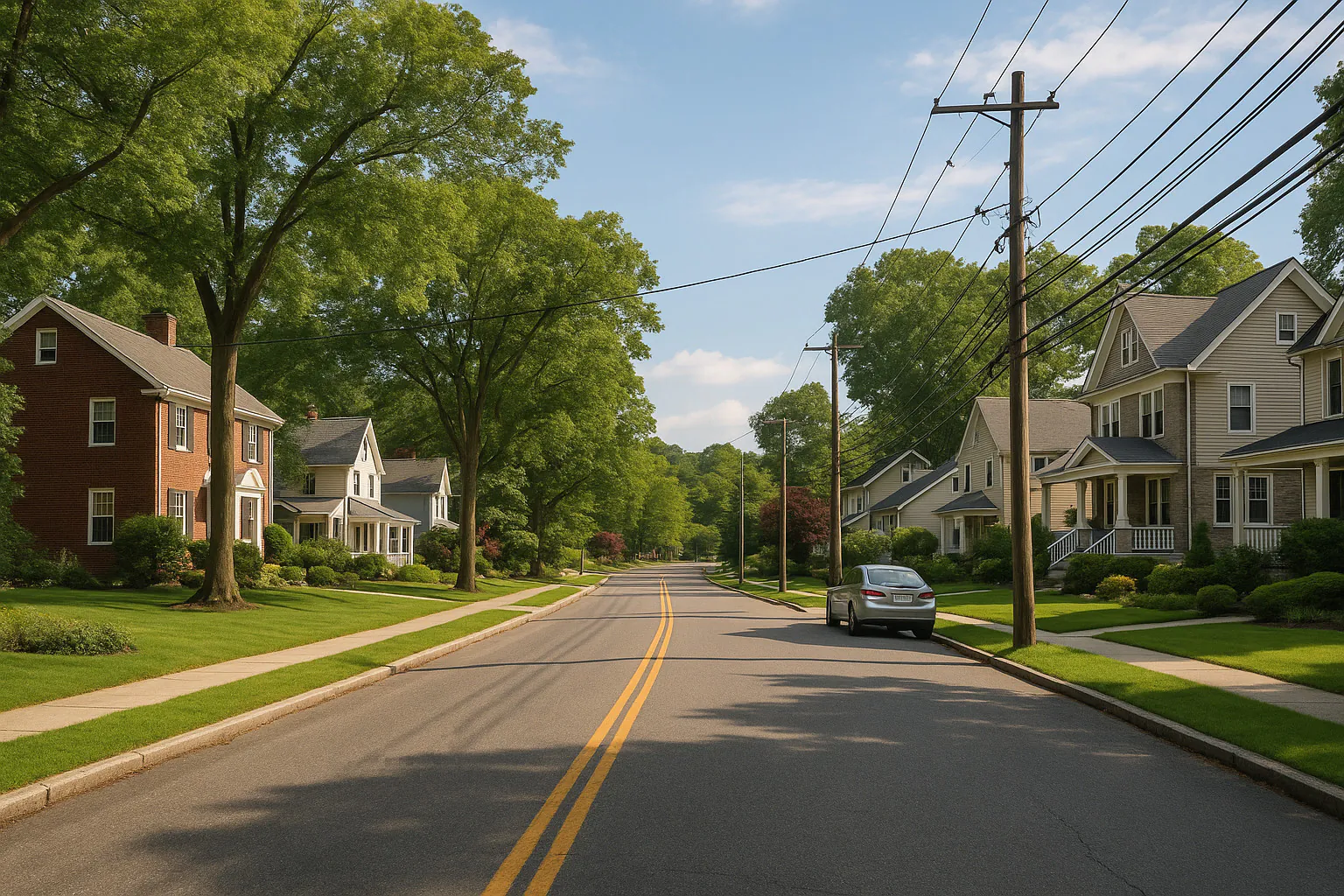
Greenburgh NY Uber Accident Lawyer
An Uber crash can leave you dealing with medical appointments, missed work, and several insurance companies at once. Before anyone accepts responsibility, you may already be receiving calls asking for a statement or offering a quick settlement.
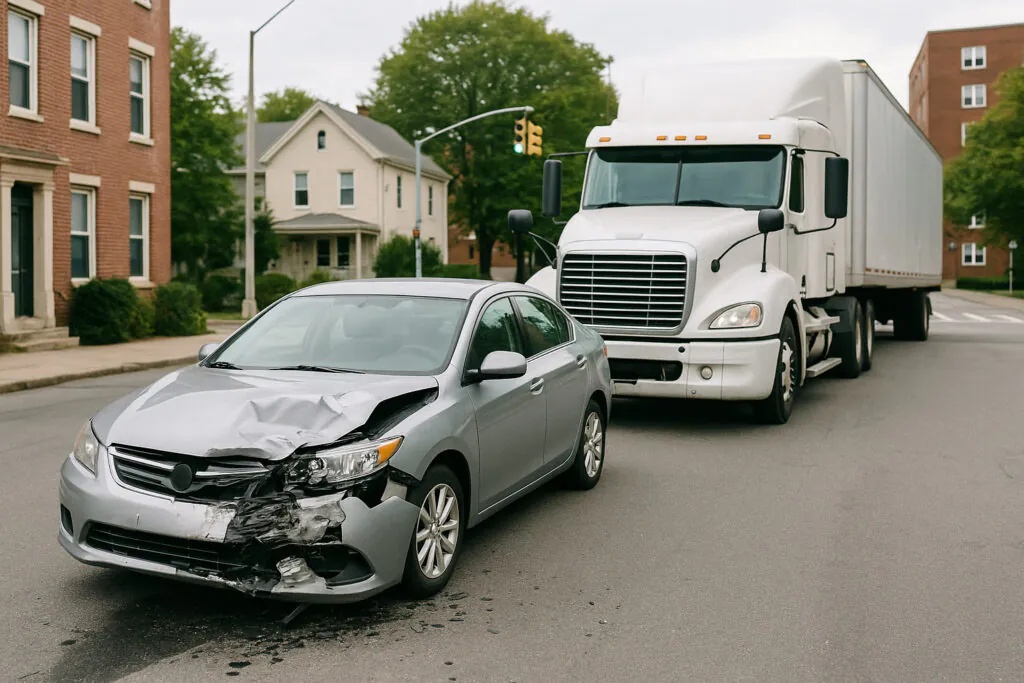
These cases are not ordinary car accident claims. The available insurance may depend on whether the Uber driver was waiting for a request, traveling to a pickup, carrying a passenger, or completing a trip that began in New York City. Billy Cooper Law can identify the coverage that applies, preserve the app-based evidence, and explain what to do next.

Types of Injury Cases We Handle in Greenburgh NY
- Personal Injury
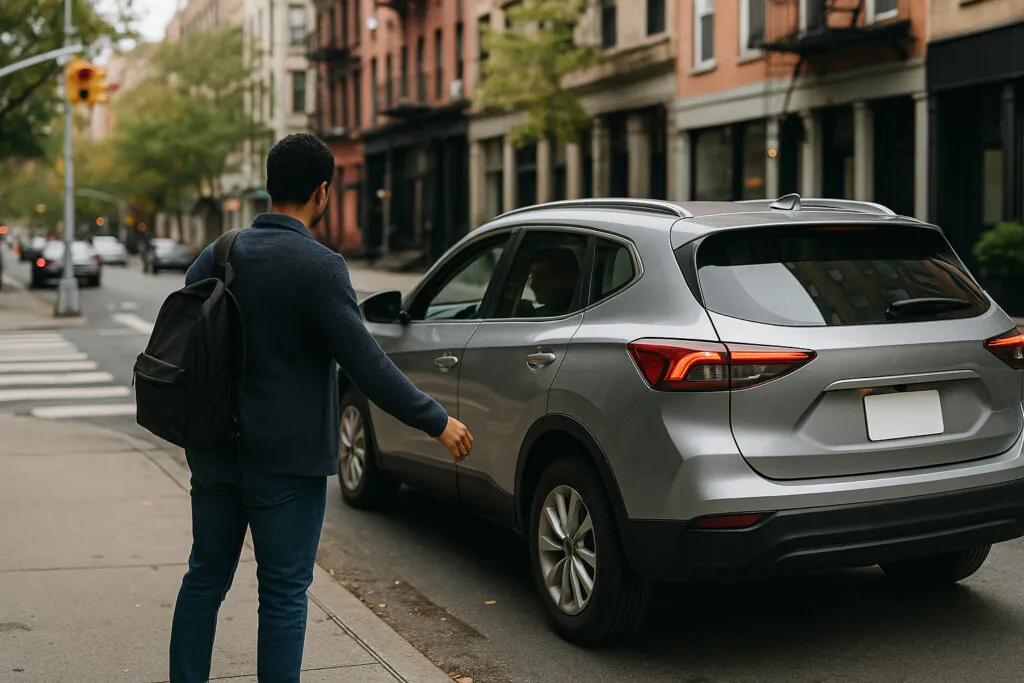
- Uber and Lyft Accidents
- Car Accidents
- Slip and Fall
- E-Bike Accidents
Uber Accident Lawyers Serving Westchester County
- Westchester County
- Yonkers
- Greenburgh
- New Rochelle
- Mount Vernon
Why Injured Uber Passengers Turn to Billy Cooper Law
The first question after a rideshare accident is often simple: Who is actually paying for this?
Answering it may require trip receipts, app records, GPS information, the driver’s personal policy, Uber’s policy, and the insurance covering every other vehicle involved. Billy Cooper Law handles Uber and Lyft accident claims as a distinct part of its motor vehicle practice rather than treating them as ordinary fender-benders.
The firm reports more than $41 million in verdicts and settlements, including an $850,000 motor vehicle accident settlement. That experience matters when an injury is serious enough to require surgery, prolonged rehabilitation, or future care.
Billy Cooper Law offers free consultations and handles injury cases on a contingency basis. You do not pay an attorney’s fee unless the firm recovers compensation for you. The firm’s main office is at 245 Main Street, Suite 510, White Plains NY 10601—not in Greenburgh.
Why Uber Accident Claims Are Different in Greenburgh NY
Greenburgh includes six incorporated villages as well as unincorporated communities such as Hartsdale, Fairview, Greenville, East Irvington, North Elmsford, and South Ardsley. That municipal structure can affect where records are kept and which agency investigated a crash.
A collision in unincorporated Greenburgh may generate records from the Town of Greenburgh Police Department. A crash inside Tarrytown, Irvington, Dobbs Ferry, Hastings-on-Hudson, Elmsford, or Ardsley may involve a village police department. Crashes on I-87 in Greenburgh are investigated by the New York State Police.
Road ownership can be equally complicated. The Town, a village, Westchester County, New York State, or a private property owner may control the location where an Uber driver stopped, merged, turned, or picked up a passenger. Identifying the correct agency early matters if poor road design, a broken signal, construction, or another public condition contributed to the collision.
Greenburgh’s proximity to New York City adds another issue. New York’s statewide Transportation Network Company Act generally applies outside New York City. The New York Department of Financial Services explains that the state law applies when a passenger is picked up outside New York City even if the trip ends there. A trip that began inside New York City may involve a different commercial or TLC-regulated insurance structure.
That is why your trip receipt and pickup address can be just as important as the location of the crash.
A Local Accident Snapshot
Traffic injuries are not rare in Westchester County. From 2017 through 2019, county residents averaged 33 motor vehicle traffic deaths, 375 hospitalizations, and 6,428 emergency department visits each year, according to the New York State Department of Health.
Rideshare activity also follows the county’s commuter patterns. In 2024, Metro-North recorded 20.44 million trips on the Harlem Line and 13.78 million trips on the Hudson Line. Both lines serve communities within Greenburgh, making station-area pickups and drop-offs a regular part of local traffic. The figures come from the MTA’s 2024 Annual Ridership Report.
These are not Uber-specific crash counts. They show why Greenburgh accident investigations often involve a mix of commuter traffic, station activity, pedestrians, and drivers navigating unfamiliar pickup locations.
Where Uber Crashes Happen in Greenburgh NY
Near the Hartsdale Metro-North station
East Hartsdale Avenue combines apartment buildings, shops, pedestrians, buses, commuter traffic, and vehicles stopping near the station. An Uber driver watching the app instead of the curb may stop abruptly, make an unsafe turn, or enter traffic without seeing a cyclist or pedestrian.
Evidence may include station-area video, storefront cameras, witness accounts, and timestamped app records showing where the driver was headed.
Along Route 119 and Central Avenue
Route 119 carries traffic between White Plains, Elmsford, and Tarrytown, while Central Avenue serves shopping centers, restaurants, residential properties, and bus stops. Pickups in these areas often occur in private parking lots or along busy commercial entrances.
When a crash happens on private property, surveillance footage and site records may be more important than roadway evidence. The property owner, tenant, property manager, and security company may each control different records.
On I-87, I-287, and local parkway connections
High-speed crashes can happen when an Uber driver misses an exit, reacts late to navigation instructions, or changes lanes while checking the app. The investigation may involve dashcam footage, vehicle event data, toll records, commercial vehicle evidence, and records held by a state agency.
At village borders
A passenger may describe the crash as happening in Greenburgh even though the precise location falls within an incorporated village. That distinction can determine which police department has the report, which government owns the roadway, and where a public-records request should be sent.
Uber Accident Cases Billy Cooper Law Handles
Billy Cooper Law represents people injured in matters involving:
- Uber passenger accidents
- Rideshare crashes involving other motorists
- Car accidents caused by negligent Uber drivers
- Pedestrians struck during pickups or drop-offs
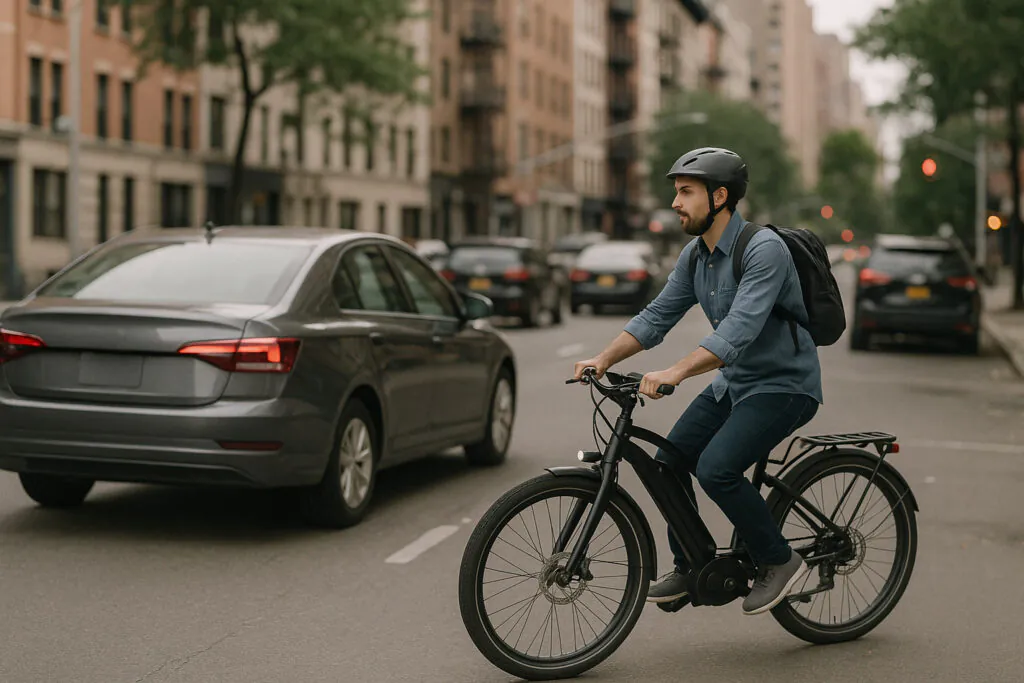
- Bicyclists hit by rideshare vehicles
- Multi-vehicle and uninsured-driver accidents
- Collisions involving dangerous roads or construction zones
- Wrongful death after a fatal Uber accident
An Uber passenger is rarely responsible for causing the collision. But that does not mean the claim will be simple. The Uber driver and another motorist may blame each other while their insurers dispute which policy should pay.
What to Do After an Uber Accident
Your health comes first. Call 911 if anyone may be injured and accept emergency care when it is offered. Some injuries—especially concussions, internal injuries, and spinal trauma—may not be obvious at the scene.
If you can do so safely:
- Call the police. A report helps establish when and where the crash happened and identifies the drivers and vehicles involved.
- Save the Uber trip immediately. Take screenshots of the receipt, route, pickup location, destination, driver profile, license plate, and vehicle description.
- Photograph the scene. Include vehicle positions, damage, traffic signals, lane markings, debris, construction, weather, and nearby businesses.
- Get witness information. Do not assume the police report will contain every witness.
- Report the crash through the app. Keep copies of every message, email, and claim number.
- Get medical care promptly. Tell the provider that your injuries came from a motor vehicle accident.
- Do not accept a quick settlement without understanding the injuries. Early offers may arrive before you know whether you will need surgery, therapy, or time away from work.
- Be careful with recorded statements. An adjuster may ask questions designed to limit the claim before all the facts are known.
If you could not gather evidence because you were taken to the hospital, that does not prevent you from making a claim. A lawyer can begin locating records and contacting the appropriate agencies.
Evidence That Can Decide an Uber Accident Case
Every motor vehicle case needs photographs, medical records, witness statements, and vehicle information. Uber cases require an additional digital layer.
Important evidence may include:
- The complete trip receipt and route
- The pickup and destination addresses
- The time the ride was requested and accepted
- The driver’s app status
- GPS and location history
- Driver-passenger messages
- Cancellation or route-change records
- Uber’s internal trip and account data
- Dashcam or vehicle-camera footage
- Event data from the vehicles
- Store, station, parking-lot, or residential video
- 911 recordings and police body-camera footage
- The driver’s phone-use records
- Inspection and maintenance records
- Medical documentation and proof of missed work
App records can establish whether the driver was merely logged in or had accepted a trip. That difference may change the available liability insurance from $75,000 per injured person to $1.25 million per occurrence.
Video can disappear within days. App data and phone records can also become harder to obtain with time. A preservation letter puts Uber, the drivers, property owners, and other potential defendants on notice that relevant evidence must not be destroyed.
How Uber Insurance Works Outside New York City
Under New York Vehicle and Traffic Law § 1693, the required coverage depends on what the driver was doing.
The app was off
When the driver was not logged into Uber, the claim usually begins with the driver’s personal automobile insurance. Questions can still arise if the driver had been using the vehicle commercially or failed to disclose rideshare work to the personal insurer.
The app was on, but no trip had been accepted
While a driver is logged in and waiting for a request, New York requires at least:
- $75,000 for injury to or death of one person
- $150,000 for injury to or death of two or more people
- $25,000 for property damage
This period also includes required no-fault and uninsured-motorist protection.
The driver had accepted a trip or was carrying a passenger
During a prearranged trip, New York requires at least $1.25 million in liability coverage, along with $1.25 million in supplementary uninsured and underinsured motorist coverage and no-fault benefits.
The prearranged trip does not begin only when you enter the vehicle. The higher coverage can apply after the driver accepts your request and begins traveling to pick you up.
The driver’s app status should be proven with records—not assumed from what a driver or adjuster says after the crash.
No-Fault Benefits and the Serious Injury Rule
New York no-fault insurance generally provides up to $50,000 in basic economic-loss benefits per person, regardless of who caused the crash. It may cover accident-related medical expenses, a portion of lost earnings, and certain necessary expenses. The New York Department of Financial Services explains that basic lost-wage benefits generally equal 80% of earnings, subject to a $2,000 monthly maximum and statutory offsets.
No-fault does not ordinarily pay for pain and suffering. To pursue those damages in a covered motor vehicle case, an injured person generally must establish a “serious injury” under New York Insurance Law.
New York changed that law in 2026. For actions and proceedings commenced on or after May 26, 2026, the former category based on being unable to perform substantially all usual activities for 90 of the first 180 days was removed from the statutory definition. The remaining categories include injuries such as death, fracture, significant disfigurement, permanent loss, permanent consequential limitation, and significant limitation. The changes are summarized in the New York Department of Financial Services’ 2026 motor vehicle insurance guidance.
Medical documentation now matters more than ever. Follow through with recommended care, describe your symptoms accurately, and avoid unexplained treatment gaps.
Deadlines That May Apply
Most New York personal injury lawsuits based on negligence must be commenced within three years under CPLR § 214. That does not mean you have three years to begin handling the insurance claim.
New York no-fault rules generally require written notice within 30 days of the accident. Medical bills normally must be submitted within 45 days after treatment, while lost-earnings claims generally must be submitted within 90 days. The Department of Financial Services’ no-fault guidance explains the requirements and the limited circumstances in which a delay may be excused.
Different deadlines may apply when:
- A government vehicle was involved
- A public roadway condition contributed to the crash
- The injured person was a child
- Someone died from the injuries
- An uninsured or hit-and-run driver was involved
- The trip began inside New York City
- An insurance policy requires prompt notice of an uninsured or underinsured claim
Do not wait for Uber or an insurance company to explain every deadline. Their job is to investigate the claim for the insurer. Your lawyer’s job is to protect you.
BILLY COOPER LAW
What If You Were Partly at Fault?
New York changed its comparative-fault rule for many motor vehicle injury cases in 2026.
Under the current version of CPLR § 1411, a claimant in a personal injury action subject to New York’s no-fault law is barred from recovering tort damages if the claimant’s fault is greater than the fault—or combined fault—of the people being sued. If the claimant is 50% or less at fault, compensation is reduced by that percentage.
The revised rule applies to actions and proceedings commenced on or after May 26, 2026, even when the collision happened earlier.
Passengers are generally not responsible for how the involved drivers operated their vehicles. Comparative fault is more likely to become an issue when the injured person was driving another vehicle, riding a bicycle, or crossing the street.
Because more than 50% fault can now bar a motor vehicle injury recovery, allegations about speeding, distracted driving, lane position, signals, and right of way should be answered with evidence as early as possible.
Who May Be Responsible for an Uber Accident?
The Uber driver may be responsible for speeding, following too closely, making an unsafe turn, using a phone, or stopping in a dangerous location.
But the driver may not be the only responsible party. Depending on what happened, a claim may also involve:
- Another driver
- The owner of an involved vehicle
- An employer whose driver was working
- A maintenance or repair company
- A vehicle or component manufacturer
- A commercial property owner controlling a pickup area
- A construction contractor
- A town, village, county, state, or public authority
- Uber, where the facts support a direct claim against the company
Multi-vehicle cases require more than choosing one driver to blame. Police reports, video, vehicle data, witness accounts, and app records may show that several parties contributed to the collision.
Compensation After a Serious Uber Accident
The value of a claim depends on the injury, available insurance, responsibility for the crash, medical prognosis, and effect on your life.
Compensation may include:
- Medical expenses not covered by no-fault
- Future medical treatment
- Surgery and rehabilitation
- Lost wages
- Reduced future earning ability
- Pain and suffering
- Emotional harm
- Permanent scarring or disfigurement
- Loss of mobility or independence
- Home-care and assistive needs
- Property damage
- Wrongful death damages for a surviving family
A settlement should account for what the injury is likely to cost in the future—not only the bills already received.
When a Government Agency May Be Involved
A government claim can arise if a public vehicle caused the crash or a dangerous public condition contributed to it. Examples include a defective signal, unsafe work zone, missing sign, roadway defect, or negligent operation of a municipal vehicle.
Under General Municipal Law § 50-e, a Notice of Claim may need to be served within 90 days when a claim is brought against a covered public corporation.
The difficult part is often identifying the correct entity. A Greenburgh mailing address does not necessarily mean the Town controls the road. The location could be within a village, on a county road, beside MTA property, or on a state highway.
A late ownership investigation can lead to a missed deadline. If public property or a government vehicle may be involved, ask for legal help promptly.
Local Records, Courts, Hospitals, and Agencies
Police and accident reports
The Town of Greenburgh Police Department serves unincorporated areas within its jurisdiction. Its Accident Reports Unit states that reports may take five to ten business days to become available. A requester generally needs the date of the accident and the involved person’s last name.
If the collision happened inside an incorporated village or on I-87, another agency may hold the report.
Courts
A substantial civil injury case arising in Westchester County may be filed in New York State Supreme Court in White Plains. The Ninth Judicial District court guide provides information for courts serving Westchester County and the surrounding region.
Medical care
Depending on the location and severity of the injuries, accident victims may receive treatment at White Plains Hospital or Westchester Medical Center in Valhalla.
Wherever you receive care, medical records should connect the symptoms to the collision, document objective findings, and explain any work or activity restrictions. Records prepared soon after the accident often become central evidence later.
How Billy Cooper Law Investigates an Uber Accident
A strong investigation begins by fixing the timeline.
The legal team can determine when the ride was requested, when the driver accepted it, where the vehicle was traveling, and what insurance was active. That may require preservation demands, policy requests, phone records, app data, and information from every driver involved.
The firm can also:
- Obtain police and incident reports
- Locate available video
- Interview witnesses
- Inspect the vehicles and crash location
- Identify the roadway or property owner
- Review medical records and prognosis
- Document income loss
- Evaluate no-fault, liability, and SUM coverage
- Consult medical or accident-reconstruction experts when needed
- Handle communications with Uber and the insurers
- Prepare the case for settlement negotiations or trial
You should not have to coordinate several insurance claims while trying to recover. Once Billy Cooper Law becomes involved, the firm can take over those communications and tell you what information is needed.
Frequently Asked Questions
Who pays if I was injured as an Uber passenger?
A claim may be made against the driver who caused the crash. If the Uber driver had accepted your ride, the $1.25 million rideshare liability policy may apply. If another driver was responsible, that driver’s insurance may be primary, with uninsured or underinsured coverage potentially available if the policy is insufficient.
What if both drivers blame each other?
You may be able to pursue claims involving both drivers while the evidence is developed. As a passenger, you generally do not need to know which driver caused the crash before seeking medical care and starting the claims process.
What if the Uber driver was waiting for a ride request?
When the app was on but no trip had been accepted, New York generally requires $75,000 per person and $150,000 per accident in bodily-injury coverage, plus property-damage, no-fault, and uninsured-motorist protection.
Does it matter if my trip began in New York City?
Yes. A trip that began inside New York City may involve TLC or other commercial insurance requirements rather than the statewide TNC structure. Save the receipt showing the pickup location and complete route.
Do I need a police report?
A police report is useful, but the absence of one does not automatically prevent a claim. Other evidence—including Uber records, photographs, witness accounts, medical records, and vehicle data—may establish what happened.
Can I recover if I was not wearing a seat belt?
Potentially. The defense may argue that seat-belt use would have reduced certain injuries, but that does not necessarily eliminate the claim. Medical and engineering evidence may be needed to address the issue.
Should I give Uber’s insurer a recorded statement?
You may have contractual duties to cooperate with an insurer, but you should understand which insurer is calling and why before giving a recorded statement. Consider speaking with a lawyer first, especially if the injuries are serious or fault is disputed.
How long will an Uber accident case take?
It depends on the medical recovery, number of parties, insurance disputes, and whether a lawsuit is necessary. Settling before the prognosis is reasonably clear can result in compensation that does not reflect future treatment or lost income.
How much does it cost to contact Billy Cooper Law?
The consultation is free. The firm handles personal injury cases on a contingency basis, so no attorney’s fee is owed unless compensation is recovered.
Related Legal Resources
- Personal Injury
- Westchester County personal injury lawyer
- New York Uber accident lawyer
- New York rideshare accident lawyer
- New York motor vehicle accident lawyer
- New York car accident lawyer
Talk With Billy Cooper Law About Your Uber Accident
You do not need to know which insurance tier applies before asking for help. Tell Billy Cooper Law where the trip began, what you remember about the crash, and what has happened since. Bring the receipt, photographs, police information, medical paperwork, and any messages from Uber or an insurer.
The firm will review what happened, explain the available options, and identify the evidence and deadlines that matter.
Call (914) 730-5789 for a free consultation or contact Billy Cooper Law online. The firm’s White Plains office is located at 245 Main Street, Suite 510, White Plains NY 10601.
Sources
Billy Cooper Law
- Billy Cooper Law Uber accident practice
- Billy Cooper Law rideshare accident practice
- Billy Cooper Law motor vehicle accident practice
- Billy Cooper Law car accident practice
- Billy Cooper Law pedestrian accident practice
- Billy Cooper Law bicycle accident practice
- Billy Cooper Law wrongful death practice
- Billy Cooper Law attorney profile
- Billy Cooper Law contact and office information
New York Law and Insurance
- New York Vehicle and Traffic Law § 1693
- New York DMV information for TNC passengers
- New York Department of Financial Services rideshare insurance FAQs
- New York Department of Financial Services no-fault FAQs
- New York Department of Financial Services auto insurance resource center
- New York CPLR § 214
- New York CPLR § 1411
- New York Insurance Law § 5102
- New York Insurance Law § 5104
- New York General Municipal Law § 50-e
- New York Department of Financial Services 2026 motor vehicle insurance reforms
Greenburgh and Westchester County
- Town of Greenburgh community guide
- Town of Greenburgh Police Department
- Town of Greenburgh accident report information
- Town of Greenburgh Traffic and Safety Unit
- Town of Greenburgh Sidewalk Prioritization Report
- Unincorporated Greenburgh Comprehensive Plan
- New York State Police Greenburgh I-87 collision investigation
- New York State Department of Health Westchester traffic injury data
- MTA 2024 Annual Ridership Report
- Ninth Judicial District court guide
- White Plains Hospital
- Westchester Medical Center
BILLY COOPER LAW
Get the Answers You Need
At Billy Cooper Law, every day we renew our pledge to help injured people get the justice and compensation they deserve. We have a reputation throughout New York and nationally for standing up for our clients, and we take that responsibility seriously by approaching every case with preparation, persistence, and an unwavering commitment to results.