
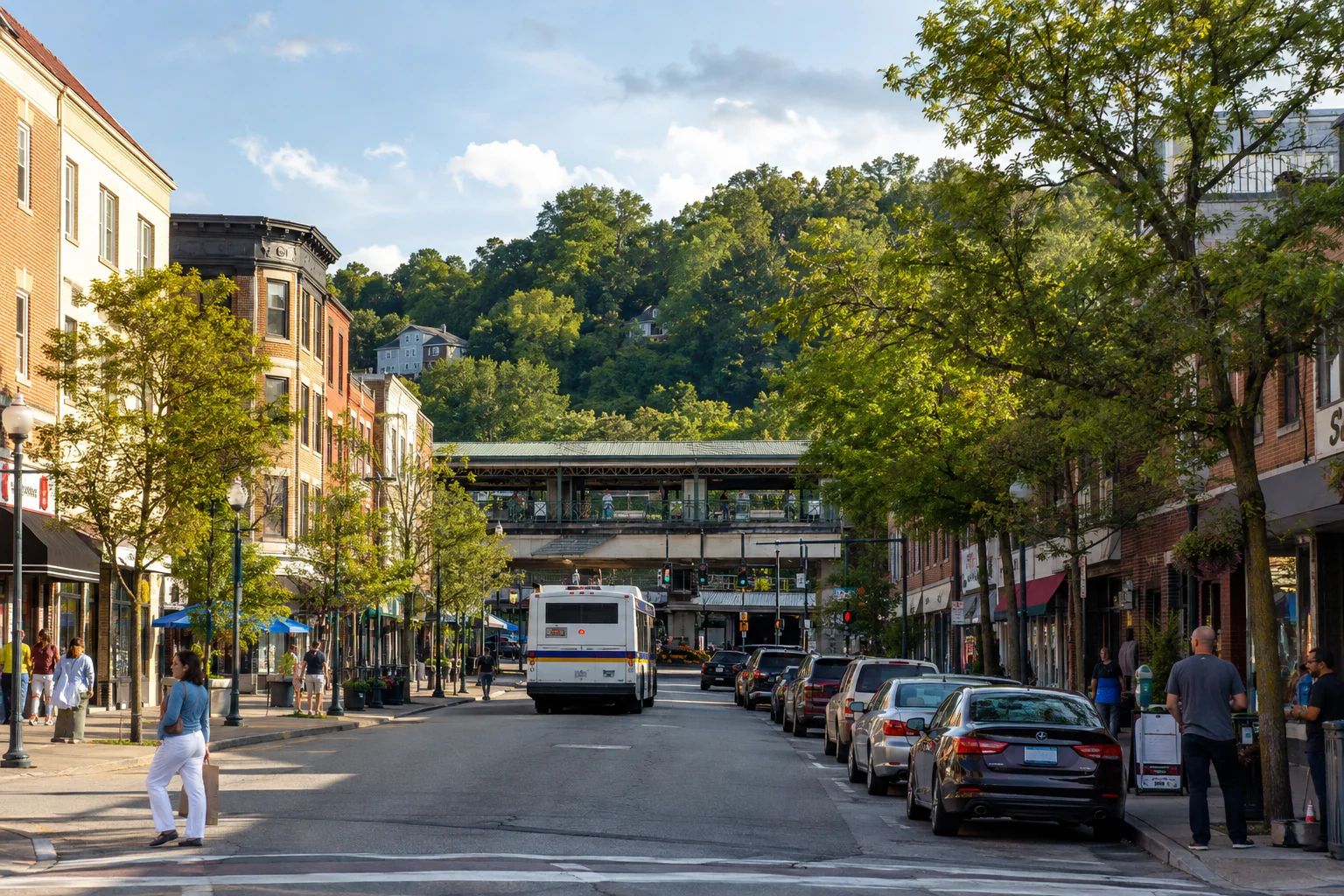
Greenburgh NY Personal Injury Lawyer
Video Transcript
Every person who contacts our office speaks to an attorney directly.
Many firms, when you reach out, you get just a paralegal or just a receptionist, and while they may be very experienced, I think it gives a lot of assurance to the public that they know that when they call us, they will always get the attorney on the phone.
The most important thing I think people should know before they pick up the phone and call the office of Billy Cooper is that we take the time to listen and answer people’s questions.
One of the things that I get told most often, even if it’s a situation where we cannot take your case, is that we explain why.
We don’t just say, “No, you don’t have a case” and hang up.
We always give people an explanation.
We explain what the burden of proof is and the law that applies.
People are always most appreciative that we take the time to explain to them rather than just saying no.
A great outcome beyond the dollar amount is quite significant because after a case resolves, money only means so much.
In fact, I always have conversations with our clients indicating to them that money does a certain thing for you, but it can never make you feel completely whole.
What we try and do is we try and give our people the type of service where they know that even when the case is completed, we are here for them.
What makes our law firm different than other firms in New York is our attention to detail, and that we assist our clients with every aspect of their case.
We make phone calls to make sure that your medical bills are being paid.
We can assist you in finding medical care.
It’s beyond just a legal service. It is an all-around service that we provide.
If you have been injured in an accident or someone you know, whether it’s a family member or a friend, we ask that you reach out to us because we will speak with you and we will assist you.

Types of Injury Cases We Handle in Greenburgh NY
- Personal Injury
- Uber and Lyft Accidents
- Car Accidents
- Slip and Fall
- E-Bike Accidents
Why injured Greenburgh residents turn to Billy Cooper Law
If your injuries are serious, you will probably want a lawyer who has handled cases with serious medical and financial stakes. Billy Cooper Law brings more than 75 years of combined experience to personal injury cases. The firm’s published results include a $9 million settlement for a Westchester County client who suffered extensive burns and an amputation after a tank explosion. Prior results do not guarantee a similar outcome, but they show the kind of work the firm has been trusted to handle. Preparation is central to William H. Cooper’s approach as the firm’s lead trial counsel. Attorney Anieska J. Garcia represents clients in English and Spanish, so clients do not need a relative to interpret sensitive conversations. Consultations are free, and there is no legal fee unless compensation is recovered.Why a Greenburgh injury case can become complicated quickly
Greenburgh is not one uniform jurisdiction. The town includes an unincorporated area—with communities such as Hartsdale, Fairview, and Greenville—and the incorporated villages of Ardsley, Dobbs Ferry, Elmsford, Hastings-on-Hudson, Irvington, and Tarrytown. Greenburgh Police serves the unincorporated area; the villages have their own responsibilities. Road control is layered as well. Town and village streets connect with county roads, state routes, the Saw Mill River, Sprain Brook, and Bronx River parkways, I-287, and the New York State Thruway. A private shopping center or apartment complex adds another possible owner or maintenance company. The mailing address may not identify the correct defendant. A road or sidewalk claim requires finding who owned, maintained, repaired, plowed, or worked at the site. That answer controls where records may exist and which notice rules apply.A local accident snapshot
New York State’s latest complete crash-case data show how often Greenburgh families confront these issues. In 2024, the state recorded 2,454 crashes coded to Greenburgh and the six incorporated villages within the town. Of those, 585 involved an injury or fatality, including six fatal crashes. The same records included 634 rear-end collisions, 530 crashes in dark conditions, and 352 during rain, snow, sleet, hail, or freezing rain. The figures do not assign fault. They point to evidence that may matter: vehicle positions and electronic data in a rear-end crash; lighting and visibility after dark; and drainage, plowing, or tire condition in bad weather.- Yonkers, NY
- Greenburgh, NY
- New Rochelle, NY
- Mount Vernon, NY
- White Plains, NY
- Rye (Town), NY
- Mount Pleasant, NY
- Cortlandt, NY
- Ossining, NY
- Yorktown, NY
Where serious injuries happen in Greenburgh
At the I-87 and I-287 interchanges and along the parkways, speed and merging traffic can turn a momentary error into a multivehicle collision. Commercial vehicle records, electronic vehicle data, authority-maintained cameras, or construction-zone documents may matter. Along Central Park Avenue, Route 119, and Route 9A, through traffic mixes with shopping centers, driveways, bus stops, and people on foot. Left turns, sudden stops, delivery vehicles, and limited sight lines can create several sources of fault. Nearby businesses may hold useful video. In residential areas, the issue may be a sidewalk, stairway, parking area, or road edge. Greenburgh says adjoining landowners have responsibilities for sidewalks and curbs within the right-of-way, while the Town maintains more than 130 miles of Town road. The deed, survey, contracts, local code, and maintenance history—not an assumption—must sort out those duties. An injured construction or utility worker may also have both a workers’ compensation claim and a separate claim against an owner, contractor, equipment company, or other third party.Personal injury cases the firm handles
Billy Cooper Law represents people injured in:- Car, truck, motorcycle, rideshare, bus, bicycle, e-bike, and pedestrian crashes
- Falls on unsafe sidewalks, stairs, parking lots, stores, apartment buildings, and other property
- Construction and worksite accidents, including falls and falling-object incidents
- Catastrophic injuries, including brain, spinal cord, burn, and amputation injuries
- Medical malpractice and birth injury cases
- Dog bites and attacks
- Defective product cases
- Wrongful death claims
What to do after an accident
Take care of your health first. Call 911 when needed and tell your medical providers how the injury occurred. Concussion symptoms, internal injuries, and soft-tissue pain may not be obvious at the scene. If you can do so safely:- Photograph the whole scene, including traffic controls, lighting, debris, stairs, handrails, or the wider walking path.
- Get witness names and contact information; the police report may not include everyone.
- Report the incident to the appropriate police agency, property owner, employer, or business. Do not sign an inaccurate statement.
- Preserve the shoes, clothing, bicycle, helmet, product, or vehicle involved.
- Follow reasonable medical advice and track appointments, missed work, and changes to daily life.
- Notify the proper insurer promptly. Most New York no-fault claims require written notice within 30 days unless a clear and reasonable justification excuses delay.
Evidence worth preserving now
Useful evidence often disappears long before a lawsuit is filed:- Scene evidence: Photographs, measurements, weather, signal timing, markings, construction signs, and the condition of pavement, snow, ice, stairs, or flooring.
- Video and digital records: Store cameras, doorbells, dashcams, bus video, traffic cameras, access logs, delivery records, and phone data. Many are overwritten quickly.
- Vehicle and equipment evidence: Event-data recorders, electronic logs, inspection and maintenance files, and the damaged vehicle or product.
- Ownership and maintenance evidence: Deeds, leases, contracts, permits, work orders, complaints, inspection logs, snow-removal records, and government files.
- Medical and financial evidence: Ambulance and treatment records, images, wage and tax documents, job duties, and evidence of future needs.
New York laws and deadlines that may affect your claim
Most New York negligence claims for personal injury must be filed within three years under CPLR § 214. Do not wait for that date; evidence disappears much sooner. Important exceptions include:- Wrongful death: Generally two years from the date of death under EPTL § 5-4.1.
- Medical malpractice: Generally two years and six months, with exceptions under CPLR § 214-a.
- Municipal claims: A notice of claim is commonly required within 90 days under General Municipal Law § 50-e, followed by a shorter lawsuit deadline that is generally one year and 90 days under § 50-i.
- Claims against New York State or the Thruway Authority: Different Court of Claims rules may require a claim or notice of intention within 90 days. The forum, service method, and later deadline differ from an ordinary lawsuit.
- No-fault benefits: Written notice is generally due within 30 days; medical bills are generally due within 45 days of treatment, and lost-earnings submissions generally within 90 days.
Motor vehicle claims changed in 2026
New York changed motor vehicle injury law effective May 26, 2026, for actions and proceedings commenced on or after that date. For a covered claim, no-fault insurance generally pays qualifying medical expenses and part of lost earnings, up to applicable limits, without first deciding fault. Pain and suffering generally requires a “serious injury” under Insurance Law § 5102(d). The 2026 law removed the former 90-out-of-180-days category. The remaining categories include fractures, significant disfigurement, death, and certain significant or permanent limitations. The same reforms also cap non-economic damages at $100,000 in certain claims brought by an at-fault driver who was responsible for insuring an uninsured vehicle, was convicted of impaired driving, or was convicted of a felony committed during the crash. The statute contains exceptions, including for injuries resulting in death. The driver’s policy may be only one source. Employer, vehicle-owner, commercial, rideshare, or uninsured/underinsured coverage may apply.Who may be responsible
More than one party may share responsibility:- A careless driver, vehicle owner, employer, or company that placed an unsafe vehicle on the road
- A property owner, tenant, managing agent, contractor, or maintenance company
- A construction owner, general contractor, subcontractor, or equipment supplier
- A manufacturer, distributor, or seller of a defective product
- A town, village, county, New York State agency, the Thruway Authority, or a private road contractor
- A medical professional or facility whose departure from accepted care caused additional harm
BILLY COOPER LAW
Questions About a Greenburgh Injury Claim?
What if you were partly at fault?
For most New York personal injury claims outside the motor vehicle no-fault system, CPLR § 1411(a) still applies a pure comparative-fault rule. Your own share of fault generally reduces the damages you can recover rather than eliminating the claim. Motor vehicle actions subject to Insurance Law Article 51 now follow a different rule. Under CPLR § 1411(b), effective for actions and proceedings commenced on or after May 26, 2026, recovery is barred if the injured person’s fault is greater than the fault of the defendant or the combined fault of the defendants. If the injured person is 50% at fault or less, any award is reduced by that percentage. Evidence about lanes, signals, sight lines, speed, distraction, and witnesses is therefore especially important. Do not accept an insurer’s percentage without a careful review.Compensation in a personal injury case
Depending on the case, recoverable damages may include:- Past and future medical care, rehabilitation, medication, and equipment
- Lost income and reduced ability to earn in the future
- Help with household tasks or personal care
- Pain, suffering, disability, disfigurement, and loss of enjoyment of life
- Property damage and other documented out-of-pocket losses
- In a wrongful death case, the losses New York law permits the estate and eligible family members to claim
When a government entity may be involved
An accident in unincorporated Greenburgh may involve the Town. An accident inside one of the six villages may involve that village. A county road or parkway may lead to Westchester County. State Route 100, Route 119, Route 9A, I-287, or the Sprain Brook Parkway may involve New York State, while the Thruway raises New York State Thruway Authority and Court of Claims issues. Contractors may also bear responsibility for work they performed. Municipal tort claims commonly require a notice of claim within 90 days. State negligence claims may also require a claim or notice of intention within 90 days. A road or sidewalk case may additionally require proof that the government received prior written notice of the specific defect. Limited exceptions are fact-dependent. The immediate work is to map the location, determine ownership, request maintenance and complaint records, and inspect the site before it changes.Local courts, medical records, and agencies
Many Westchester money-damages cases proceed in New York Supreme Court, Westchester County, at 111 Dr. Martin Luther King Jr. Boulevard in White Plains, depending on venue and jurisdiction. Greenburgh Town Court is not automatically the court for an injury lawsuit merely because the accident occurred in town. The investigating agency also depends on location. Greenburgh Police serves the unincorporated area; its guidance says an accident report may take five to ten business days to become available. Village, county, or state police may hold a report elsewhere. Medical records may come from an ambulance service, emergency department, specialists, therapists, and primary-care providers. Westchester Medical Center in Valhalla is the region’s Level I adult and pediatric trauma center. Wherever you were treated, the complete course of care matters.How Billy Cooper Law can investigate a Greenburgh case
Billy Cooper Law can first pin the incident to the correct property and jurisdiction. The investigation may include police and 911 records, preservation requests for video and digital data, a scene inspection, witnesses, government records, vehicles or products, and appropriate experts. The firm also documents how the injury affects work, family responsibilities, independence, and future care. It can then present the claim, negotiate from the evidence, file suit when appropriate, and prepare for trial.Frequently asked questions
How much is my Greenburgh personal injury case worth?
No reliable lawyer can value a case from the accident type alone. Liability, insurance, medical evidence, future needs, lost income, daily limitations, and permanency all matter.How much does it cost to speak with Billy Cooper Law?
The consultation is free. The firm handles injury matters on contingency, so there is no legal fee unless compensation is recovered. Ask how expenses and fees would be handled before signing.Should I accept the insurance company’s first offer?
Not before you understand the injury and the release. An early payment may omit future treatment, missed work, or an injury that has not stabilized. A signed release can end the claim.What if I was injured in a hit-and-run or by an uninsured driver?
Uninsured-motorist coverage or the Motor Vehicle Accident Indemnification Corporation may apply. These claims have prompt reporting and notice requirements.What happens when I contact the firm?
Explain what happened and ask your questions. The firm will review the basic facts, discuss possible deadlines and insurance issues, and tell you whether it can help. The consultation creates no obligation to hire the firm.Related resources
- New York Personal Injury Lawyer
- Motor Vehicle Accident Lawyer
- Construction Accident Lawyer
- Premises Liability Lawyer
- Wrongful Death Lawyer
- Billy Cooper Law Case Results
Tell us what happened
You do not need to identify every responsible party or understand every deadline before asking for help. That is part of the lawyer’s job. Call Billy Cooper Law at (914) 730-5789 or request a free consultation. The office serving Greenburgh clients is at 245 Main Street, Suite 510, White Plains, NY 10601. If a government agency, public road, school, bus, or municipal property may be involved, say so at the beginning of the conversation so the shortest deadlines can be considered first.Communities We Serve
- Westchester County
- Yonkers
- Greenburgh
- New Rochelle
- Mount Vernon
Related Greenburgh NY Personal Injury Pages
- Greenburgh NY Car Accident Lawyer
- Greenburgh NY E-Bike Accident Lawyer
- Greenburgh NY Slip and Fall Lawyer
- Greenburgh NY Uber Accident Lawyer
Sources
Firm information
- Billy Cooper Law — Meet the Team
- Billy Cooper, Esq.
- Anieska Garcia, Esq.
- Billy Cooper Law — Office Locations
- Billy Cooper Law — Personal Injury
- Billy Cooper Law — Practice Areas
- Billy Cooper Law — Case Results
Greenburgh and Westchester sources
- Town of Greenburgh — Online Guide to the Town
- Town of Greenburgh — Departments
- Greenburgh Police Department — Patrol
- Greenburgh Police Department — Accident Reports
- Town of Greenburgh — Bureau of Highway & Traffic
- Town of Greenburgh — Public Works Code Enforcement
- Town of Greenburgh Hazard Mitigation Plan
- New York State — Motor Vehicle Crashes, Case Information: Four Year Window — 2024 figures calculated from records coded to Greenburgh, Ardsley, Dobbs Ferry, Elmsford, Hastings on Hudson, Irvington, and Tarrytown.
- New York State Thruway Authority — Interchange and Traveler Information
- New York Courts — Supreme & County Court of Westchester County
- Town of Greenburgh — Courts
- Westchester Medical Center
New York legal authorities
- CPLR § 214 — Three-year limitations period
- CPLR § 214-a — Medical malpractice limitations period
- EPTL § 5-4.1 — Wrongful death
- General Municipal Law § 50-e — Notice of claim
- General Municipal Law § 50-i — Municipal action deadline
- Court of Claims Act § 10 — Claims and notices of intention
- Public Authorities Law § 361-b — Claims against the Thruway Authority
- Town Law § 65-a — Highway and sidewalk defects
- CPLR § 1411 — Comparative fault
- Insurance Law § 5102 — No-fault definitions and serious injury
- Insurance Law § 5104 — Motor vehicle personal-injury actions
- New York Department of Financial Services — 2026 Motor Vehicle Insurance Reforms
- New York Department of Financial Services — Filing Claims Under Your Own Policy
BILLY COOPER LAW
Ready to Discuss What Happened?


Putting Over 75 Years of Combined Experience on Your Side
Putting Over 75 Years of Combined Experience on Your Side
Putting Over 75 Years of Combined Experience on Your Side
Putting Over 75 Years of Combined Experience on Your Side
Putting Over 75 Years of Combined Experience on Your Side
Putting Over 75 Years of Combined Experience on Your Side
Putting Over 75 Years of Combined Experience on Your Side
Putting Over 75 Years of Combined Experience on Your Side
Putting Over 75 Years of Combined Experience on Your Side
Putting Over 75 Years of Combined Experience on Your Side
Get the Answers You Need
At Billy Cooper Law, every day we renew our pledge to help injured people get the justice and compensation they deserve. We have a reputation throughout New York and nationally for standing up for our clients, and we take that responsibility seriously by approaching every case with preparation, persistence, and an unwavering commitment to results.