Soundview NY Car Accident Lawyer
A car crash can leave you dealing with pain, missed work, repair problems, and insurance calls before you have had time to understand what happened. In Soundview, the location of the collision may add another layer. A crash on a residential block presents different questions from one involving Bruckner Boulevard, an expressway ramp, a protected bike lane, or a busy commercial intersection.
Billy Cooper Law represents people injured in motor vehicle accidents throughout Bronx County. The firm can identify the insurance coverage available, preserve evidence before it disappears, and explain what New York’s no-fault and serious-injury rules mean for your case.
Car Accident Lawyers Serving Bronx County
- Bronx County
- Co-op City
- Kingsbridge
- Soundview
- Riverdale
- Fordham
BILLY COOPER LAW

Why Injured People Turn to Billy Cooper Law
If your injuries are serious, you want a lawyer who understands both the medical evidence and the way insurance companies defend New York car accident claims.
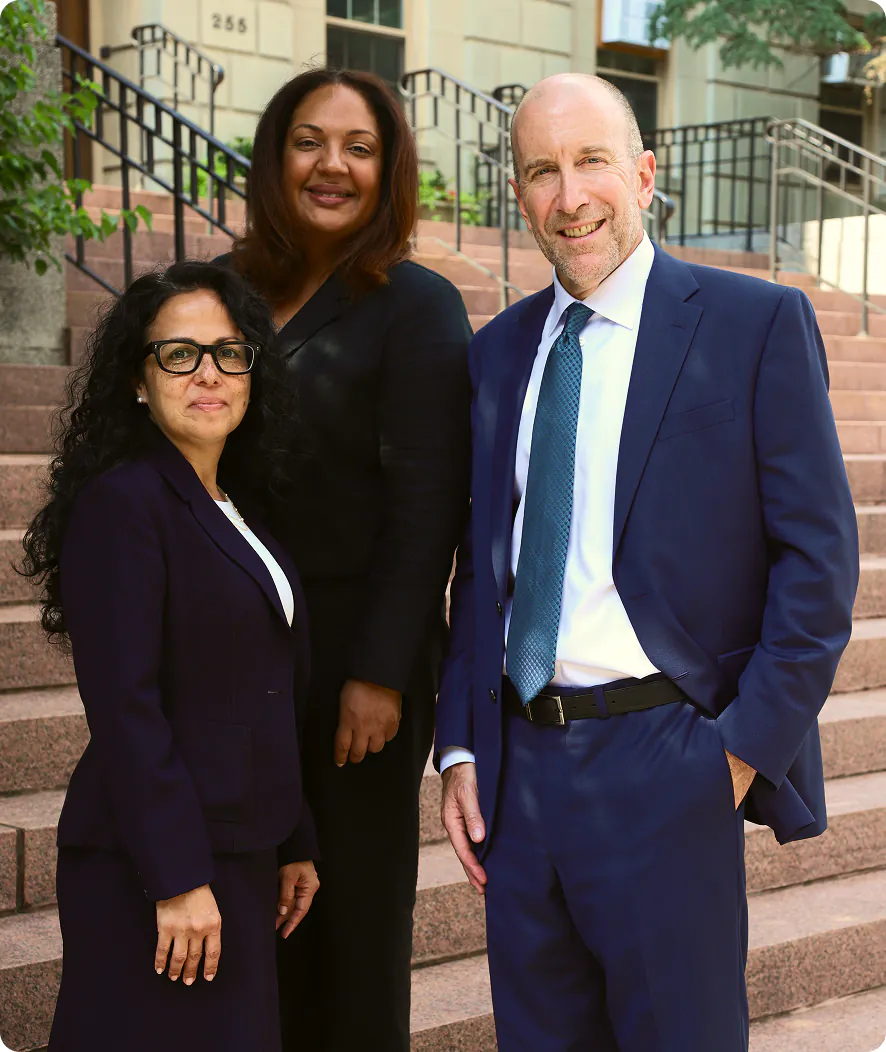
Billy Cooper Law brings more than 75 years of combined experience to injury cases. William H. Cooper has served as the firm’s lead trial counsel for more than 25 years and received a Super Lawyers designation from 2024 through 2026. The firm’s history is also closely tied to New York automobile law: Marvin A. Cooper helped draft the no-fault framework that continues to govern motor vehicle claims.
That background becomes practical when an insurer disputes your injuries, says your treatment was unnecessary, or tries to place most of the blame on you. The firm has reported an $850,000 recovery in a Bronx County automobile collision involving reflex sympathetic dystrophy and a torn meniscus.
Anieska J. Garcia is fluent in English and Spanish, allowing clients to discuss their injuries and concerns directly without depending on a relative to interpret. The firm offers free consultations and handles car accident cases on a contingency basis, meaning there is no upfront attorney’s fee and no attorney’s fee unless compensation is recovered.
Billy Cooper Law does not maintain an office in Soundview. Its listed offices are at 245 Main Street, Suite 510, White Plains NY 10601 and 4746 Broadway, New York NY 10040, with the Broadway location available by appointment only.
Why Soundview Car Accident Cases Require a Local Investigation
Soundview is part of Bronx Community District 9 and is generally served by the NYPD’s 43rd Precinct. The neighborhood combines residential streets, large housing developments, commercial corridors, bus routes, bicycle infrastructure, and access to the Bruckner and Cross Bronx expressways.
Those features affect how a case should be investigated.
On Bruckner Boulevard, it matters whether the collision occurred on a local service road, near a ramp, or within expressway traffic. The precise location can determine where cameras may exist, which agency has relevant records, and whether trucks or commercial vehicles were involved.
Soundview Avenue presents different issues. NYC DOT has redesigned portions of the corridor with protected bicycle lanes, pedestrian improvements, and changes to the roadway configuration. After a collision there, photographs should capture not only vehicle damage but also parking positions, lane markings, bike-lane barriers, crosswalks, signs, and anything blocking a driver’s view.
Around Story Avenue, Westchester Avenue, White Plains Road, and neighborhood shopping areas, drivers regularly share space with pedestrians, buses, delivery vehicles, cyclists, and people entering or leaving curbside parking. A turning or sideswipe collision in that setting may require video from several buildings rather than a single camera facing the point of impact.
A Local Accident Snapshot
The NYPD 43rd Precinct TrafficStat report provides a useful picture of the risks in the southeast Bronx area that includes Soundview. Through July 19, 2026, the precinct reported:
- 787 motor vehicle collisions
- 340 injury collisions
- 473 people injured
- 83 pedestrians injured
- 23 traditional bicyclists injured
- 2 traffic deaths
These figures cover the full precinct rather than Soundview alone. Still, they show why evidence cannot be treated as an afterthought. Hundreds of injury-producing crashes occur in this part of the Bronx within only a portion of a year.
Where Serious Crashes Happen in and Around Soundview
Local conditions often shape both the collision and the evidence available afterward.
Bruckner Boulevard and Expressway Access
Merging traffic, quick lane changes, service-road intersections, commercial vehicles, and drivers trying to enter or leave expressway ramps can produce rear-end, sideswipe, and multi-vehicle crashes. Determining the exact lane and direction of travel is essential because witnesses, cameras, and maintenance records may differ from one side of the corridor to the other.
Soundview Avenue
The corridor carries drivers, cyclists, bus traffic, and pedestrians through residential and commercial areas. Its newer street design means investigators should document the configuration that existed on the crash date rather than relying on older online images.
Story Avenue and Residential Corridors
Parked vehicles can narrow sight lines near intersections, driveways, bus stops, and crosswalks. Children, older adults, and residents walking to stores or public transportation may be difficult for turning drivers to see if a vehicle is double-parked or stopped too close to a corner.
Westchester Avenue and White Plains Road
These commercial corridors bring together heavy pedestrian activity, the elevated train, buses, taxis, rideshare vehicles, delivery vans, and drivers searching for parking. Turning collisions and unsafe pickups or drop-offs often involve several potential sources of video.
Motor Vehicle Cases Billy Cooper Law Handles
Billy Cooper Law represents drivers, passengers, pedestrians, cyclists, and families affected by fatal crashes. Cases may involve:
- Rear-end, intersection, sideswipe, and head-on car crashes
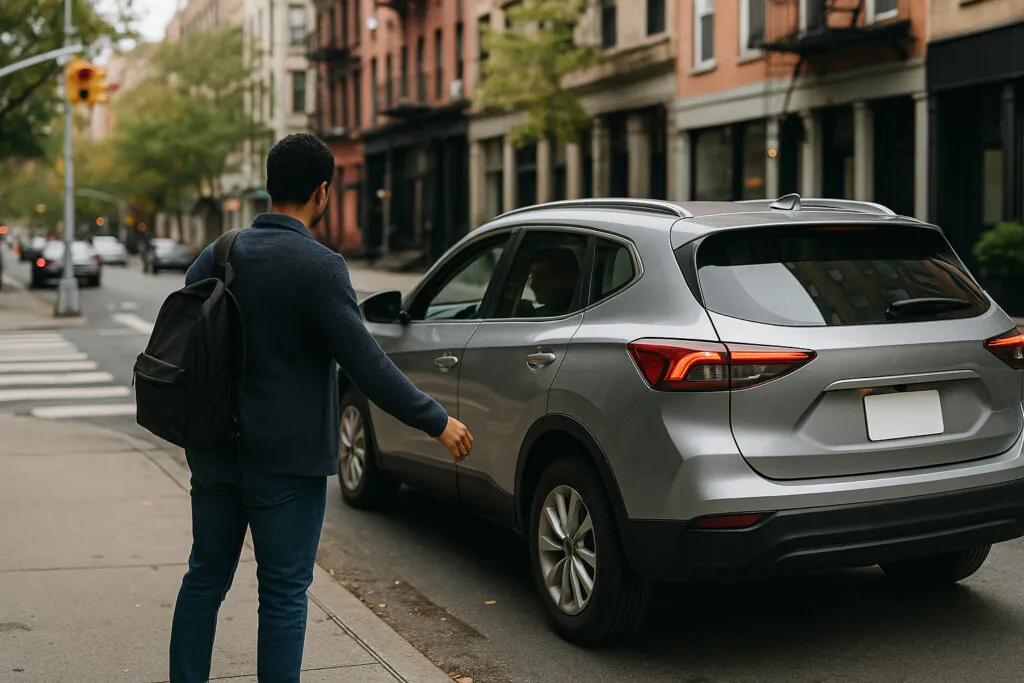
- Uber and Lyft accidents
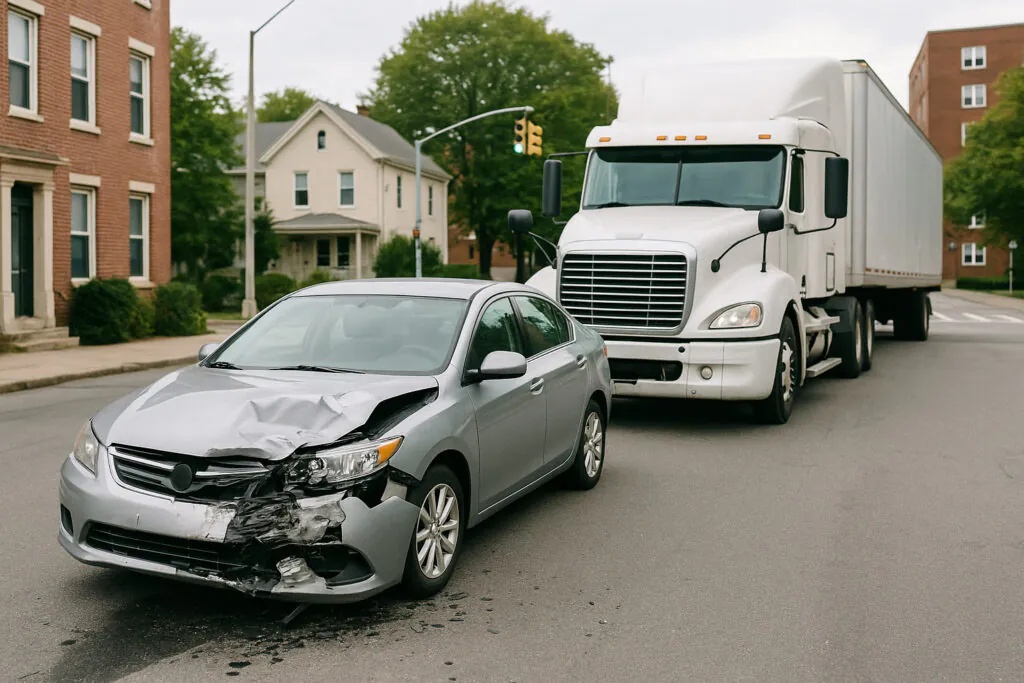
- Truck and commercial vehicle accidents
- Pedestrian accidents
- Bicycle accidents
- Motorcycle accidents
- Drunk driving accidents
- Uninsured and underinsured driver claims
- Hit-and-run collisions
- Multi-vehicle and chain-reaction crashes
- Catastrophic injury claims
- Wrongful death claims
The right investigation depends on the kind of crash. A rideshare case may turn on app data and trip status. A truck collision may require driver logs, inspection records, and company policies. A pedestrian case may depend on signal timing, crosswalk visibility, and video showing the vehicle’s turn.
What to Do After a Car Accident in Soundview
Your health comes first. If you are hurt, call 911 and accept medical assistance. Some injuries become more noticeable after the adrenaline wears off, including concussions, disc injuries, shoulder tears, and knee injuries.
When you can do so safely:
- Make sure the crash is reported. Ask for the responding officers’ precinct and report information.
- Photograph the entire scene. Include vehicle positions, damage, debris, traffic controls, crosswalks, lane markings, nearby businesses, weather conditions, and visible injuries.
- Get witness information. A name and telephone number may be more valuable than a brief statement made at the scene.
- Exchange driver, owner, and insurance information. Do not assume the person driving owns the vehicle.
- Do not argue about fault. Give the police accurate facts, but avoid guessing about speed, distance, or injuries.
- Report the collision to the appropriate insurer. New York no-fault deadlines arrive much sooner than the deadline for filing a lawsuit.
- Save everything. Keep repair estimates, medical paperwork, pharmacy receipts, work notes, transportation expenses, and insurance correspondence.
New York also requires an MV-104 crash report to be filed with the Department of Motor Vehicles within 10 days when a crash causes death, personal injury, or more than $1,000 in damage to any one person’s property. Reporting the accident to an insurance company does not replace that obligation.
Evidence That Can Disappear Quickly
A police report is helpful, but it rarely proves the entire case. The strongest evidence may exist outside the report and may not remain available for long.
Depending on the location and vehicles involved, important evidence can include:
- Video from stores, apartment buildings, residential complexes, or parking areas
- Dashcam and commercial-fleet footage
- Bus or rideshare records
- Vehicle event-data recorder information
- Mobile telephone records in a distracted-driving case
- Witness statements
- 911 and dispatch records
- Photographs of temporary construction or traffic controls
- Signal timing and roadway-design records
- Delivery schedules and driver logs
- Uber or Lyft trip receipts, app status, GPS data, and pickup records
- Medical imaging and objective range-of-motion measurements
A lawyer can send preservation demands before a business, transportation company, or platform routinely deletes relevant information. Waiting several weeks may mean the best independent evidence is already gone.
How New York No-Fault Insurance Works
New York’s no-fault system generally requires an injured driver or passenger to seek first-party benefits through the insurance covering the vehicle they occupied. A pedestrian usually applies through the insurer for the vehicle that struck them.
Under New York Insurance Law § 5102, basic economic loss generally provides up to $50,000 per person in combined benefits for qualifying medical expenses, limited lost earnings, and certain other necessary expenses. No-fault benefits are available without first proving who caused the crash.
That does not mean fault is irrelevant. No-fault addresses the first layer of economic loss. A claim against the responsible party may still be necessary for pain and suffering, future losses, and expenses beyond the no-fault limit.
The deadlines are short. The New York Department of Financial Services states that written notice of a no-fault claim generally must be submitted within 30 days. Medical bills generally must be submitted within 45 days, while lost-earnings claims generally must be submitted within 90 days. Limited exceptions may apply, but it is safer to act promptly than to depend on one.
BILLY COOPER LAW
New York’s Serious-Injury Requirement
To recover pain and suffering in most covered motor vehicle cases, an injured person must establish a “serious injury” under New York law.
The current categories include:
- Death
- Dismemberment
- Significant disfigurement
- A fracture
- Loss of a fetus
- Permanent loss of use of an organ, member, function, or system
- Permanent consequential limitation of an organ or member
- Significant limitation of a body function or system
A major legal change took effect on May 26, 2026. The former category for a nonpermanent injury that substantially limited a person’s usual activities for at least 90 of the first 180 days was removed. The amendment applies to actions and proceedings commenced on or after that date.
That change makes objective medical evidence even more important. MRI findings, surgical records, range-of-motion testing, neurological evaluations, orthopedic reports, and a consistent course of treatment may determine whether an insurer takes the claim seriously.
How Long You Have to File a Claim
Under CPLR § 214, most New York negligence lawsuits seeking damages for personal injury must be started within three years.
That does not mean you should wait three years. Several earlier deadlines may apply:
- No-fault notice is generally due within 30 days.
- Medical and wage-loss submissions have separate insurance deadlines.
- The DMV’s MV-104 report may be due within 10 days.
- Claims against New York City or another public entity may require a Notice of Claim within 90 days.
- Wrongful death, transit, and other specialized claims may follow different rules.
- Video, physical evidence, and witness memories can be lost long before any legal deadline expires.
The correct deadline depends on the defendants and the type of claim. A case involving a city-owned vehicle should not be treated like a claim against a private driver.
What If You Were Partly at Fault?
New York changed its comparative-fault rule for motor vehicle injury cases in 2026.
Under the current CPLR § 1411, you may recover damages if your share of fault is 50% or less, although your recovery is reduced by that percentage. If your share of fault is greater than the fault assigned to the person—or the combined parties—you are suing, your recovery is barred.
This rule applies to covered motor vehicle actions commenced on or after May 26, 2026, even if the collision occurred earlier.
That makes early fault investigation especially important. An insurer may argue that you changed lanes, followed too closely, entered against the light, crossed outside the crosswalk, or failed to avoid the crash. Photographs, video, witness statements, vehicle data, and signal records can determine whether that argument succeeds.
Do not assume that receiving a ticket decides the civil case. A ticket may be evidence, but liability is based on the full record.
Who May Be Responsible for a Soundview Crash?
The person behind the wheel is often only the starting point.
Depending on the evidence, responsibility may extend to:
- A negligent driver
- The vehicle’s owner
- An employer whose worker was driving on the job
- A trucking, delivery, or commercial fleet company
- A rideshare insurer
- A repair facility that performed unsafe work
- A manufacturer responsible for a defective vehicle or component
- A government entity responsible for a vehicle or roadway condition
Under New York’s vehicle-owner liability law, an owner may be responsible for negligence by someone operating the vehicle with permission. That can be important when the driver has limited insurance but the vehicle belongs to a business, relative, or other owner.
A careful investigation also looks for additional policies. Commercial coverage, rideshare insurance, umbrella policies, and uninsured or underinsured motorist benefits can make a significant difference when injuries are severe.
Compensation Available After a Car Accident
The compensation available depends on your injuries, medical treatment, work loss, fault, insurance coverage, and whether you meet New York’s serious-injury standard.
A claim may seek payment for:
- Medical expenses not covered by no-fault
- Future treatment, surgery, therapy, and rehabilitation
- Lost wages beyond available no-fault benefits
- Reduced ability to earn a living
- Home or personal assistance made necessary by the injury
- Pain and suffering
- Emotional harm
- Loss of enjoyment of life
- Permanent limitations, scarring, or disability
- Vehicle damage and other property loss
The full value of a case is often unclear in the first few weeks. Accepting an early settlement before doctors understand your prognosis can leave you responsible for later treatment and wage losses.
Claims Involving New York City or a Public Agency
A public vehicle or roadway issue changes the case immediately.
If a city-owned vehicle caused the collision, or if the claim involves an alleged failure by a city agency, the New York City Comptroller’s Office states that a tort Notice of Claim generally must be properly served within 90 days of the occurrence.
Transit and state-related defendants can have their own notice requirements. Filing something with the wrong agency may not protect the claim.
These cases also require careful attention to location. Bruckner Boulevard, its service roads, ramps, intersections, and expressway lanes should not be treated as one undifferentiated roadway. The exact crash location may determine which public entity has relevant design, maintenance, construction, or traffic-control records.
If a government vehicle or roadway condition may have contributed to your crash, do not wait to identify the correct defendant and deadline.
Local Courts, Medical Care, and Agencies
Serious Bronx County motor vehicle lawsuits are commonly heard in the Bronx County Supreme Court Civil Term at 851 Grand Concourse, Bronx NY 10451. The court specifically identifies motor vehicle cases and other tort claims among the matters it handles.
The NYPD 43rd Precinct, located at 900 Fteley Avenue, serves the southeast Bronx area that includes Soundview. Police reports, precinct records, 911 information, and traffic data may all become relevant to an investigation.
For severe trauma, NYC Health + Hospitals/Jacobi is an adult Level I trauma center. The appropriate hospital is a medical decision, and emergency personnel may take an injured person elsewhere depending on the circumstances. Wherever you receive treatment, keep discharge papers and follow-up instructions.
How Billy Cooper Law Investigates a Soundview Car Accident
A useful investigation should answer more than “Who received the ticket?”
Billy Cooper Law can:
- Obtain and review police and DMV reports
- Identify each driver, owner, employer, and insurer
- Visit or document the crash location
- Seek nearby surveillance and traffic video
- Interview witnesses
- Preserve vehicle and electronic data
- Review rideshare or commercial driving records
- Examine applicable insurance policies
- Collect medical evidence supporting the serious-injury requirement
- Investigate prior complaints or public records when a roadway condition is involved
- Calculate past and future economic losses
- Address attempts to shift fault under the 2026 comparative-fault rule
- Negotiate with insurers and prepare the case for litigation when necessary
The goal is to build the case before the insurer’s version of events becomes the only version in the file.
Types of Injury Cases We Handle in Soundview NY
Additional Legal Resources
- New York car accident claims
- Bronx County personal injury representation
- Uber and Lyft accident claims
- Truck and commercial vehicle accidents
- Wrongful death claims
- Billy Cooper Law case results
Speak With a Soundview NY Car Accident Lawyer
You do not need to know which insurance policy applies, whether your injury meets New York’s legal threshold, or which agency controls the accident location before asking for help.
Tell Billy Cooper Law what happened. The firm can review the basic facts, explain the deadlines that may apply, and discuss the next practical step.
Call (718) 866-3311 or contact Billy Cooper Law to request a free consultation.
BILLY COOPER LAW
Soundview NY Car Accident FAQs
These answers provide general information about New York injury claims and related concerns. The rules depend on the facts; this is not individual legal or medical advice.
Can no-fault insurance cover treatment after a Soundview NY car accident?
It may cover qualifying medical expenses and part of lost earnings regardless of who caused the collision. Coverage depends on your status, the vehicle and the applicable policy; it is separate from a liability claim against another driver. New York’s basic economic-loss provisions have a combined limit and restrictions on reimbursable losses.
Give the appropriate insurer written notice promptly. The usual no-fault notice period is 30 days, subject to a limited exception requiring written justification for delay. Keep copies of claim forms and delivery confirmations, and ask which insurer should receive your treatment bills. Payment of a bill does not establish that another person was negligent, and no-fault benefits do not themselves compensate you for pain and suffering.
Sources: New York DFS: No-Fault Insurance FAQs; Insurance Law § 5102: No-Fault and Serious Injury.
What should I do if the driver leaves the scene?
Report the collision to police promptly and preserve anything that can identify the vehicle. Depending on available insurance and eligibility, an unknown or uninsured vehicle may lead to a claim through a household auto policy or the Motor Vehicle Accident Indemnification Corporation. MVAIC is not an automatic substitute for every missing insurance policy.
Its statutory conditions include special reporting and filing requirements; hit-and-run matters generally require a police report within 24 hours or as soon as reasonably possible, subject to the law’s exceptions. Save witness contacts, camera locations and the police incident number. Have the available coverage and deadlines reviewed promptly rather than waiting for the driver to be identified.
Sources: New York Insurance Law § 5208: MVAIC Notice Requirements; New York DFS: Claims Involving Unknown or Uninsured Vehicles.
Does being partly at fault prevent me from recovering compensation?
It can in some New York motor-vehicle injury cases, but partial fault does not produce the same result in every claim. Current CPLR § 1411 distinguishes personal-injury actions subject to Insurance Law Article 51 from other cases. For covered actions, a claimant’s fault greater than the opposing parties’ combined fault can bar recovery; otherwise, the award is reduced proportionately.
Other injury claims generally retain proportional reduction without that statutory bar. The 2026 amendments and their applicability must be checked for the particular action. Preserve photographs, witness accounts and information about visibility, direction of travel and signals. An insurer’s initial fault assessment is not a court determination of your entitlement to damages.
Sources: CPLR § 1411: Comparative Fault; New York DFS: 2026 Motor Vehicle Insurance Reforms.
Can I seek pain-and-suffering damages for an car injury?
Potentially, but an injury action between covered persons under New York’s no-fault law generally requires a qualifying serious injury to recover noneconomic damages. A fracture is one statutory category; certain significant or permanent functional limitations are others. Pain, a diagnosis or time away from work alone does not establish every required element.
The current definition no longer includes the former 90/180-day category. The 2026 reform’s applicability should be evaluated for the action involved. Medical findings must connect the qualifying injury to the collision, and liability remains a separate issue. Keep examination records, imaging reports and documentation of functional restrictions so counsel can evaluate the relevant statutory category rather than relying on a settlement estimate.
Sources: New York Insurance Law § 5102(d): Serious Injury; New York Insurance Law § 5104: Personal Injury Actions; New York DFS: 2026 Motor Vehicle Insurance Reforms.
How long do I have to bring a claim after an car accident?
Many New York negligence lawsuits have a three-year limitation period, but that is not a safe deadline for every step after a crash. A claim involving a public corporation can require notice within 90 days. Claims against New York State follow separate Court of Claims procedures, which can also demand action within 90 days.
The defendant, type of claim and applicable exceptions determine the actual schedule. A police report or an ordinary insurance claim does not necessarily satisfy a government notice requirement. Identify the accident date, exact location and possible responsible parties at the outset, and have all deadlines checked before assuming you can wait to decide whether to pursue the matter.
Sources: CPLR § 214: Three-Year Limitation Periods; General Municipal Law § 50-e: Notice of Claim; Court of Claims Act § 10: Claims Against New York State.
What if headache or dizziness starts after I have gone home?
Seek medical advice promptly after new symptoms following a head impact. CDC guidance explains that concussion symptoms can appear hours or days later. Worsening headache, repeated vomiting, seizures, slurred speech, marked confusion or difficulty waking are emergency warning signs; call 911 or obtain emergency care immediately if these occur.
Tell the clinician when the crash happened, whether your head or body took a blow and when each symptom began. Ask for written guidance about returning to work, driving and other activities, and report symptoms that worsen or fail to improve. Medical assessment addresses your health; a symptom diary or this webpage cannot diagnose a concussion or establish the legal cause of an injury.
Sources: CDC: Symptoms of Mild TBI and Concussion; CDC: What to Do After a Mild TBI or Concussion.
What evidence should I save after a crash in Soundview NY?
Save the records that show what happened before the vehicles or digital files change. Useful materials include scene photographs, witness contacts, police information, vehicle damage, medical records and correspondence from insurers. Keep original files with their dates and context; a cropped screenshot may omit information needed to interpret the event accurately.
New York disclosure rules provide a process for obtaining relevant evidence, but they do not guarantee that every camera recording still exists when a lawsuit begins. Identify nearby businesses, vehicles or buildings with cameras and tell counsel promptly. Avoid editing original recordings or discarding damaged equipment. A written preservation request should identify the specific accident, time range and material sought rather than assuming every business automatically saves footage indefinitely.
Sources: CPLR § 3101: Disclosure of Evidence; CPLR § 3126: Disclosure Sanctions.
Can a rear-end collision still involve a dispute over responsibility?
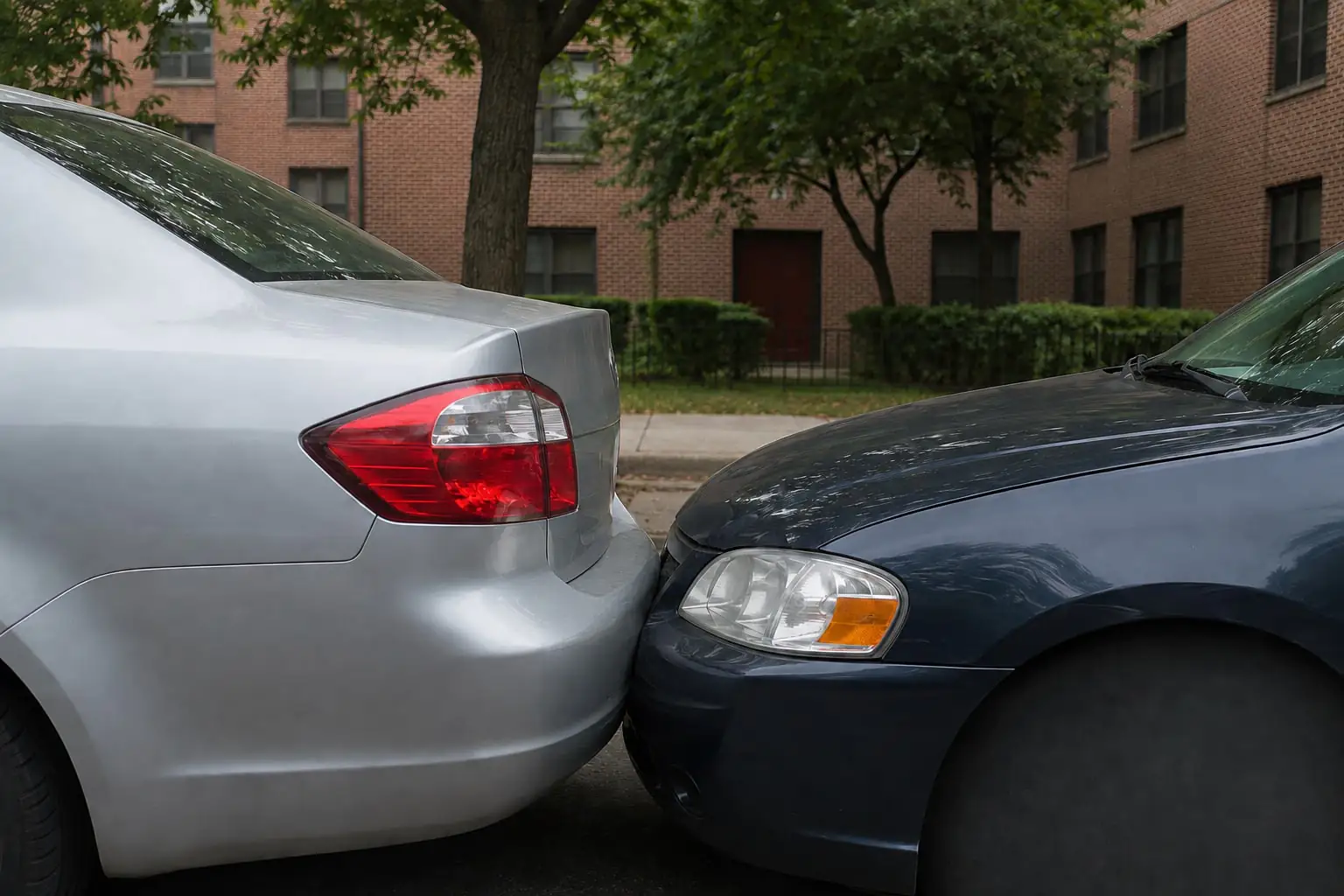
Yes. New York requires drivers to maintain a reasonable following distance, but the circumstances of a particular collision still need to be established. Vehicle positions, traffic conditions and the sequence of impacts can matter. Avoid assuming that the location of the damage identifies every responsible person in a multi-vehicle crash.
Preserve photographs of all involved vehicles, witness information and any available video. Record what you actually remember without guessing another vehicle’s speed or distance. A driver may raise an explanation that must be tested against the evidence, and a fact finder can consider more than one party’s conduct. An insurer’s initial position is a claim assessment, not a final judicial determination of liability or damages.
Sources: Vehicle and Traffic Law § 1129: Following Too Closely; CPLR § 1411: Comparative Fault.
Can someone besides the other driver be responsible for my injuries?
Potentially. New York law can impose responsibility on a vehicle owner for negligent operation by a person using the vehicle with permission. Depending on the facts, a work-related trip, a vehicle defect or a dangerous roadway may raise additional issues. The identity of every owner and operator should be confirmed rather than inferred from a name on an insurance card.
Keep photographs of the vehicles and identifying information from the collision report. Tell counsel if the vehicle appeared to be used for deliveries, commercial work or passenger service, and preserve any relevant communications. Additional parties do not automatically mean additional compensation: permission, conduct, causation and available coverage still need proof. Government-related claims can also involve separate notice procedures that require prompt attention.
Sources: Vehicle and Traffic Law § 388: Vehicle Owner Liability; CPLR § 3101: Disclosure of Evidence.
Do I need to file a report even if the police came to the crash?
You may have a separate driver-reporting duty. New York Vehicle and Traffic Law § 605 generally requires a driver to report an accident involving injury, death or property damage exceeding the statutory threshold within ten days. Police attendance does not automatically establish that you have satisfied every reporting obligation that applies to your role.
Check the current DMV instructions and retain the report number, submission confirmation and a copy of what you provided. Describe known facts accurately and avoid estimates presented as certainty. A DMV report, police report, insurance notice and government notice of claim serve different purposes; completing one does not necessarily complete the others. If injuries or the identity of a responsible party remain unclear, seek timely help assessing the applicable requirements.
Sources: Vehicle and Traffic Law § 605: Accident Reports; New York DFS: No-Fault Insurance FAQs.
Sources
Billy Cooper Law
- Billy Cooper Law
- Billy Cooper Law Car Accident Practice
- Billy Cooper Attorney Profile
- Anieska Garcia Attorney Profile
- Billy Cooper Law Case Results
- Billy Cooper Law Contact and Office Information
- Billy Cooper Law Bronx County Practice
- Billy Cooper Law Uber and Lyft Accident Practice
- Billy Cooper Law Truck and Commercial Vehicle Accident Practice
- Billy Cooper Law Pedestrian Accident Practice
- Billy Cooper Law Bicycle Accident Practice
- Billy Cooper Law Motorcycle Accident Practice
- Billy Cooper Law Drunk Driving Accident Practice
- Billy Cooper Law Catastrophic Injury Practice
- Billy Cooper Law Wrongful Death Practice
Soundview and Bronx County
- NYC Community Boards — Bronx Community Board 9
- NYPD 43rd Precinct
- NYPD 43rd Precinct TrafficStat Report
- NYC DOT Soundview Areawide Transportation Study
- NYC DOT Soundview Avenue Redesign
- NYC DOT Soundview Street Safety Improvements
- Bronx County Supreme Court Civil Term
- NYC Health + Hospitals Jacobi Medical Center
New York Law and Insurance Requirements
- New York Insurance Law § 5102
- New York Insurance Law § 5104
- New York CPLR § 1411
- New York CPLR § 214
- New York Vehicle and Traffic Law Article 11
- New York Department of Financial Services No-Fault FAQs
- New York State 2026–2027 Enacted Budget
- New York DMV MV-104 Motor Vehicle Crash Report
- New York City Comptroller Notice of Claim Information

Get the Answers You Need
At Billy Cooper Law, every day we renew our pledge to help injured people get the justice and compensation they deserve. We have a reputation throughout New York and nationally for standing up for our clients, and we take that responsibility seriously by approaching every case with preparation, persistence, and an unwavering commitment to results.