
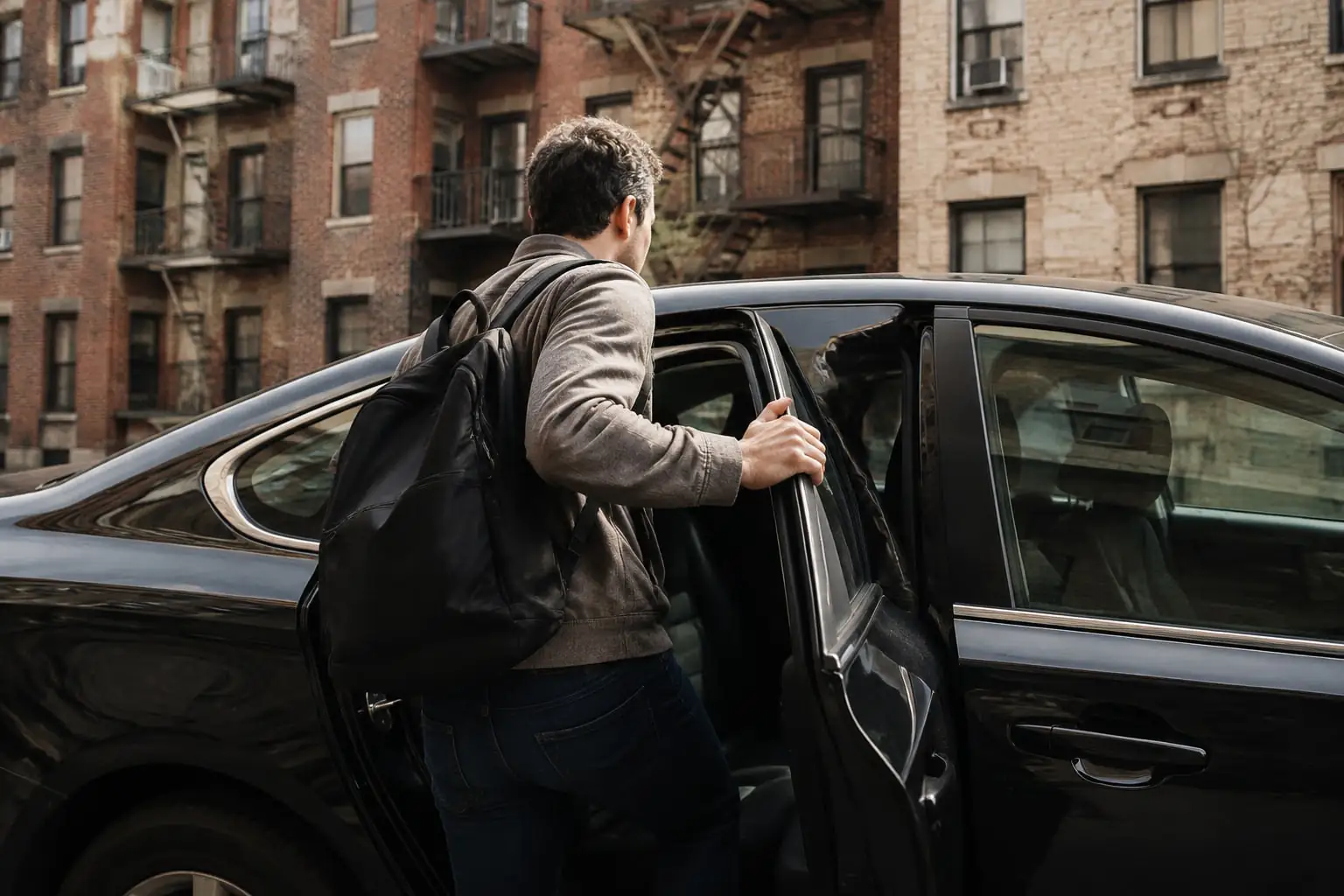
Fordham NY Uber Accident Lawyer
An Uber crash can leave you with immediate questions about medical care, missed work, insurance, and who is responsible. In Fordham, the investigation may also involve busy bus lanes, changing street layouts, crowded pickup areas, commercial loading zones, and several possible sources of video.
Billy Cooper Law represents people injured in rideshare crashes throughout the Bronx and New York City. If you are unsure which insurance policy applies or what evidence needs to be saved, tell us what happened. We will listen, investigate, and explain your options.
Uber Accident Lawyers Serving Bronx County
- Bronx County
- Co-op City
- Kingsbridge
- Soundview
- Riverdale
- Fordham
BILLY COOPER LAW

Why Injured People Turn to Billy Cooper Law
Rideshare cases require a working knowledge of both motor vehicle law and commercial insurance. Billy Cooper Law’s history dates to 1960, and the firm brings more than 75 years of combined experience to personal injury cases.
The firm also has an unusual connection to New York’s no-fault system. Marvin A. Cooper helped draft New York’s No-Fault Insurance Law, which still determines how medical expenses, lost earnings, and serious-injury claims are handled after vehicle crashes.
William H. Cooper has practiced since 1991 and has spent decades preparing and trying serious injury cases. The firm’s published case results include an $850,000 Bronx County auto accident settlement and a $1.6 million Bronx County pedestrian accident settlement.
Those credentials matter when injuries may affect your ability to work or live independently. An insurer evaluating a fractured leg, spinal injury, brain injury, or permanent limitation will look beyond today’s medical bill. Your lawyer should do the same.
Consultations are free, and the firm handles personal injury matters on a contingency basis. You do not pay an upfront attorney’s fee, and no attorney’s fee is due unless compensation is recovered.
Billy Cooper Law does not list an office in Fordham. The firm maintains an office at 245 Main Street, Suite 510, White Plains NY 10601, and a New York City location at 4746 Broadway, New York NY 10040, available by appointment only.
Why an Uber Crash in Fordham Is Different
Fordham Road brings buses, pedestrians, delivery vehicles, shoppers, students, taxis, cyclists, and rideshare drivers into the same limited street space. An Uber driver may be trying to locate a passenger while moving around a stopped bus, a loading vehicle, or construction markings that recently changed.
That makes the exact location important. “The crash happened on Fordham Road” is not enough. An investigation should identify the block, travel direction, lane, signal phase, pickup point, nearby businesses, and street configuration on the date of the collision.
The timing matters too. New York City began work on the Fordham Road offset bus-lane project on July 22, 2026. The redesign changes bus lanes, loading areas, turn movements, pedestrian spaces, and curb access from Sedgwick Avenue to Boston Road. Photographs taken after a crash may not show the layout that existed when it happened.
A Fordham Road Accident Snapshot
In its May 2026 plan for Fordham Road between Sedgwick Avenue and the Bronx River Parkway, the New York City Department of Transportation reported that:
- The corridor serves approximately 130,000 average daily bus riders.
- Buses can move as slowly as 5 miles per hour.
- Fordham Road ranks within the top 10% of the Bronx’s most dangerous corridors.
- The corridor recorded 70 serious injuries during the five-year period reviewed by DOT.
- It recorded four fatalities during that period.
- In April 2026, 60% of surveyed Fordham Road businesses reported receiving deliveries in the existing curbside bus lane.
Those numbers help explain the conditions an Uber driver encounters here. Passenger pickups and drop-offs often take place beside bus activity, loading operations, double-parked vehicles, and heavy pedestrian movement. After a crash, the investigation may need to consider more than the conduct of two drivers.
Where Uber Accidents Happen in Fordham
Fordham Road pickup and drop-off areas
A driver searching for a passenger may slow suddenly, stop where curb access is restricted, cross a bus lane, or pull away without seeing a pedestrian or cyclist. A following driver may rear-end the Uber, or the Uber may sideswipe a bus, delivery truck, parked vehicle, or bicycle.
Useful evidence may include the Uber trip record, driver messages, GPS data, photographs of curb signs, storefront video, bus camera footage, and statements from people waiting nearby.
Fordham Plaza and the Metro-North station area
Fordham Plaza is managed by the New York City Department of Transportation and a concession manager. It sits between Fordham Road, Webster Avenue, Third Avenue, and East 189th Street, near bus routes, the Metro-North station, Fordham University, stores, and pedestrian spaces.
A collision near the plaza may raise questions about where the driver stopped, whether the passenger was entering or leaving the car, and whether a bus, station entrance, construction area, or private property contributed to the accident. Different organizations may control different parts of the immediate area.
East Fordham Road and East 188th Street/Morris Avenue
NYC DOT has identified this area as a Vision Zero priority location. Its safety-improvement plan noted a curved roadway, an unsignalized crossing, sideswipe patterns, truck routes, illegal turns, and pedestrian conflicts.
Evidence from a crash there should document lane position, crosswalk location, sightlines, signals, signs, vehicle speed, and any temporary traffic controls.
Grand Concourse, Jerome Avenue, and connecting streets
Trips to and from Fordham Road often move through major intersections and transit connections. An Uber crash may involve a turning vehicle, a driver changing lanes near a bus stop, a pedestrian crossing toward public transportation, or a commercial vehicle entering or leaving a loading area.
These cases may involve several drivers who blame one another. Video, vehicle damage, witness accounts, and GPS information can be more reliable than an early insurance-company assessment.
Uber Accident Cases Billy Cooper Law Handles
Billy Cooper Law represents people injured in:
- Uber passenger accidents
- Collisions between an Uber and another car
- Pedestrian accidents involving Uber drivers
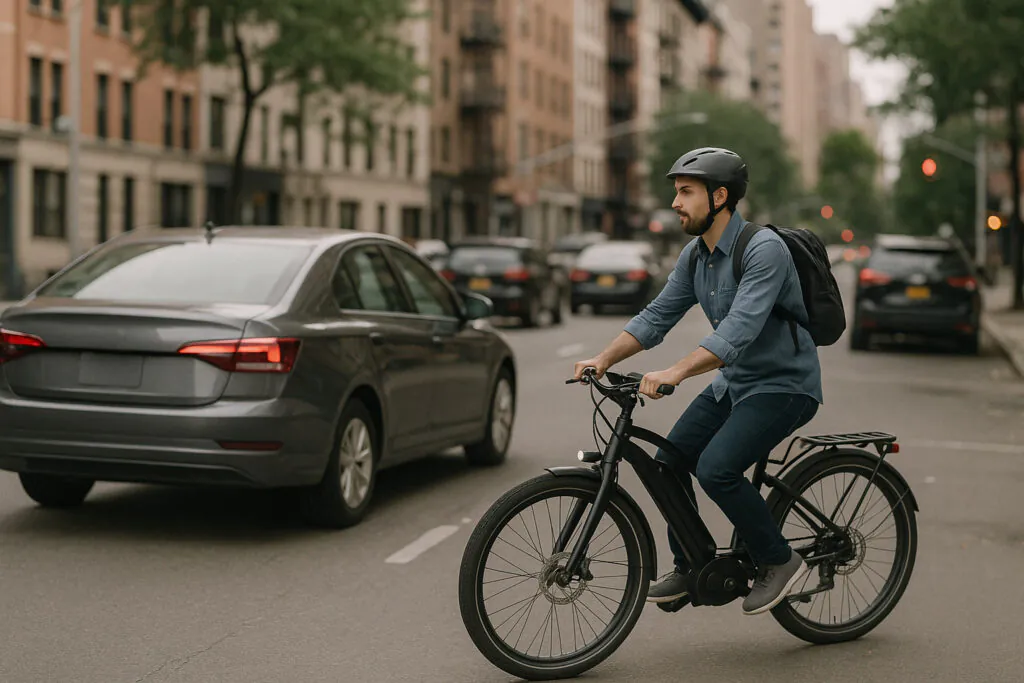
- Bicycle accidents involving rideshare vehicles
- E-bike accidents involving rideshare vehicles
- Bus-related collisions
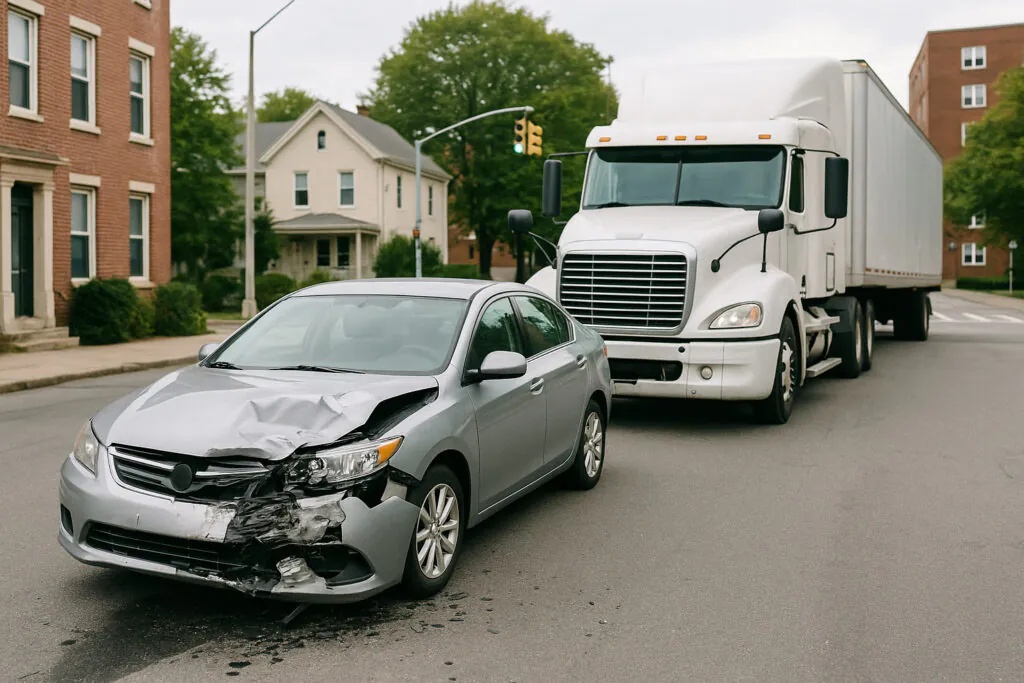
- Truck and commercial vehicle crashes
- Catastrophic injury cases
- Wrongful death claims
You do not need to know which category your case fits before calling. An Uber passenger may have claims against another driver. A pedestrian may have claims involving the driver, vehicle owner, or another company. A multi-vehicle collision may involve several insurance policies.
What to Do After an Uber Accident
Your health comes first. Call 911 or seek medical attention if you have significant pain, bleeding, dizziness, confusion, numbness, weakness, or difficulty walking. Some head, neck, and internal injuries are not immediately obvious.
When you can do so safely:
- Save the Uber trip information. Take screenshots of the driver’s name, vehicle, license plate, route, pickup point, destination, trip receipt, messages, and trip identification number.
- Photograph the scene. Include every vehicle, visible damage, lane markings, bus lanes, loading zones, traffic signals, signs, construction barriers, crosswalks, and nearby cameras.
- Get witness information. Ask for names, telephone numbers, and email addresses.
- Call the police. Ask how to obtain the collision report and keep any incident or complaint number.
- Identify the vehicle. Photograph the license plate, TLC markings, insurance card, and any displayed base or vehicle information.
- Get appropriate medical care. Explain every symptom and follow the treatment plan. Gaps in care can affect your health and the insurance company’s evaluation.
- Report the crash through the app. Keep the report factual and save copies of all communications.
- Be careful with insurance calls. Do not guess about speed, distance, fault, or the extent of your injuries. Avoid signing broad releases or accepting a settlement before you understand the claim.
- Ask which no-fault insurer should receive notice. The deadline can arrive quickly.
A driver may also need to file an MV-104 report with the New York Department of Motor Vehicles within 10 days when a New York crash causes an injury, death, or more than $1,000 in property damage to any one person.
Evidence Worth Preserving
Rideshare cases involve evidence that does not exist in an ordinary car accident. Save it before access changes or an account is updated.
Important evidence may include:
- The Uber receipt and complete trip history
- Screenshots of the driver profile and vehicle
- Pickup and drop-off locations
- Messages or calls between the passenger and driver
- GPS, route, dispatch, and app-status data
- TLC license, vehicle, and base information
- Police reports and 911 records
- Photographs and video
- Witness names and statements
- Storefront, building, bus, station, or dashcam footage
- Vehicle event data and telematics
- Inspection, maintenance, and repair records
- Medical records, bills, prescriptions, and injury photographs
- Pay records and proof of missed work
Do not delete the trip from your account or discard a damaged phone, helmet, bicycle, child seat, or other physical evidence. A lawyer can send preservation notices to the driver, vehicle owner, affiliated base, Uber, nearby businesses, and any public agency that may possess relevant records.
How Insurance Works for Uber Vehicles in New York City
Many online articles describe three insurance periods: the app is off, the app is on while the driver waits, and a trip has been accepted. That framework may apply to transportation network company vehicles elsewhere in New York, but it is not the proper starting point for an Uber crash in Fordham.
Under Vehicle and Traffic Law § 1691, the statewide transportation network company definition excludes vehicles regulated as New York City for-hire vehicles. Uber vehicles operating in the city generally must be licensed through the Taxi and Limousine Commission.
For black car and livery vehicles carrying one to seven passengers, the TLC’s current minimum insurance requirements include:
- $100,000 in bodily injury liability coverage per person
- $300,000 in bodily injury liability coverage per occurrence
- $10,000 in property damage coverage
- $100,000 in Personal Injury Protection coverage
These are minimum requirements, not a statement of every policy available in every case. Additional coverage may exist through the vehicle owner, affiliated base, another driver, a household policy, or an uninsured or underinsured motorist policy.
App and trip data still matter. They can establish that the vehicle was being used commercially, identify the trip, connect the driver to the correct base and insurer, and show the route and timing. But you should not assume that an insurance chart written for Uber accidents outside New York City describes the coverage for a Fordham crash.
BILLY COOPER LAW
No-Fault Benefits and the Serious-Injury Rule
No-fault benefits may help pay medical expenses and part of your lost income without first proving which driver caused the crash. A passenger ordinarily files with the insurer covering the vehicle occupied. A pedestrian generally files with the insurer of the vehicle that struck them.
New York’s no-fault statute defines basic economic loss as up to $50,000 per person. TLC’s insurance requirements provide a higher PIP minimum for many for-hire vehicles, but the policy must be reviewed to determine which benefits apply and in what order.
Written notice generally must reach the appropriate no-fault insurer within 30 days. The Department of Financial Services’ no-fault guidance also identifies a 45-day period for submitting medical bills and a 90-day period for lost-earnings claims, subject to applicable exceptions and policy requirements.
No-fault does not automatically compensate you for pain and suffering. Under Insurance Law § 5104, a covered person generally must establish a legally defined serious injury to recover non-economic damages. Current qualifying categories include fractures, significant disfigurement, permanent loss of use, permanent consequential limitations, significant limitations, dismemberment, loss of a fetus, and death.
New York removed the former 90-out-of-180-day serious-injury category for actions commenced on or after May 26, 2026. Medical records should clearly document the diagnosis, objective findings, limitations, treatment, and prognosis.
Who May Be Responsible?
The Uber driver is not always the only possible defendant. Depending on what happened, responsibility may involve:
- The Uber driver
- The owner of the Uber vehicle
- Another driver or vehicle owner
- A driver’s employer
- A delivery or trucking company
- A contractor performing roadwork
- A vehicle or component manufacturer
- New York City or another government entity
- A public transportation authority
- Uber or an affiliated company, when supported by the facts and applicable law
The driver’s relationship with Uber and the affiliated base requires careful review. Direct corporate responsibility should not be assumed, but it should not be dismissed without examining the contracts, app records, company conduct, insurance documents, and circumstances of the trip.
What If You Were Partly at Fault?
New York changed its comparative-fault rule for many motor vehicle injury cases in 2026.
Under CPLR § 1411(b), a claimant in a personal injury action subject to the no-fault law may be barred from recovering tort damages when the claimant’s fault is greater than the fault of the defendant—or greater than the combined fault of the defendants being sued.
The change applies to actions and proceedings commenced on or after May 26, 2026, as explained in the Department of Financial Services’ 2026 motor vehicle reform guidance.
In practical terms:
- If you are 50% or less responsible, compensation may still be available but can be reduced by your percentage of fault.
- If you are more than 50% responsible in a covered motor vehicle action, recovery may be barred.
An Uber passenger is rarely responsible for how the vehicles were driven, but insurers may still attempt to shift blame. Pedestrian and cyclist cases may involve disputes about crosswalks, signals, visibility, or right of way. Video, GPS data, vehicle damage, witnesses, and roadway evidence can be decisive.
Compensation After an Uber Accident
Compensation depends on the available insurance, the nature of the injuries, the evidence of fault, and how the crash has affected your life.
A claim may include:
- Past and future medical expenses
- Rehabilitation and therapy
- Lost wages
- Reduced future earning capacity
- Pain and suffering when legally recoverable
- Permanent disability or disfigurement
- Assistance with household and personal activities
- Home or vehicle modifications
- Damaged personal property
- Funeral expenses and other legally recognized wrongful death losses
Serious injuries should not be evaluated before the long-term medical picture is reasonably clear. A fair assessment may require medical specialists, vocational evidence, an economist, or a life-care plan.
Deadlines That May Apply
The general deadline for many New York personal injury lawsuits is three years under CPLR § 214. That does not mean every Uber accident claim can safely wait three years.
Other deadlines may include:
- 30 days for written no-fault notice
- 45 days for submitting medical bills to the no-fault insurer
- 90 days for submitting no-fault lost-earnings documentation
- 10 days for a required driver’s MV-104 report
- 90 days for certain claims involving a government entity or public authority
- One year and 90 days for many lawsuits against New York City or the New York City Transit Authority
Insurance policies may impose additional reporting and cooperation requirements. Evidence may disappear long before any lawsuit deadline expires.
When a Government Vehicle or Agency Is Involved
An Uber collision in Fordham could involve a City vehicle, public bus, defective traffic signal, roadway work, or government contractor. These cases require prompt identification of the correct entity.
General Municipal Law § 50-e generally requires a Notice of Claim within 90 days when a tort claim against a public corporation is subject to that requirement. A lawsuit against New York City generally must be commenced within one year and 90 days under General Municipal Law § 50-i.
The New York City Transit Authority has its own requirements under Public Authorities Law § 1212, including a 90-day notice period for many injury claims and a one-year-and-90-day deadline for many tort actions.
Do not assume that reporting a crash to the police, Uber, the MTA, or an insurance company satisfies a legal Notice of Claim requirement. Filing against the wrong agency may not preserve the deadline against the correct one.
Local Courts, Hospitals, and Agencies
Resources that may become relevant after a Fordham Uber accident include:
- The NYPD 46th Precinct, 2120 Ryer Avenue, Bronx NY 10457
- The NYPD 52nd Precinct, 3016 Webster Avenue, Bronx NY 10467
- St. Barnabas Hospital Emergency Department, 4422 Third Avenue, Bronx NY 10457
- BronxCare Concourse Campus, with an emergency entrance at 1650 Grand Concourse, Bronx NY 10457
- Bronx County Supreme Court, Civil Term, 851 Grand Concourse, Bronx NY 10451
- The New York City Comptroller’s Office, which receives claims alleging wrongdoing by New York City
Call 911 in an emergency or go to the nearest appropriate emergency department. The court in which a lawsuit is filed depends on the parties, venue rules, and legal claims involved.
How Billy Cooper Law Investigates a Fordham Uber Accident
The investigation begins with a precise timeline.
The legal team may determine:
- Where the driver accepted the trip
- The planned pickup and destination
- Whether the passenger was entering, riding in, or leaving the vehicle
- The driver’s route, speed, app activity, and GPS history
- The vehicle owner, TLC license, affiliated base, and insurer
- Whether another driver, employer, or vehicle owner contributed
- Which street layout and curb rules were in effect
- Whether construction or loading activity affected visibility
- Which businesses, buses, buildings, or vehicles may have video
- Whether prior crashes or complaints involved the location
- Which no-fault, liability, and uninsured or underinsured motorist policies may apply
The firm can request records, send preservation notices, inspect the scene, interview witnesses, review medical evidence, and handle insurer communications while you focus on treatment.
Types of Injury Cases We Handle in Fordham NY
- Personal Injury
- Slip and Fall
- E-Bike Accidents
- Uber and Lyft Accidents
- Car Accidents
Additional Legal Resources
- New York Uber and Lyft Accident Lawyer
- New York Uber Accident Lawyer
- New York Motor Vehicle Accident Lawyer
- New York Car Accident Lawyer
- Meet the Billy Cooper Law Team
- Billy Cooper Law Case Results
- Contact Billy Cooper Law
Tell Us What Happened
You do not need to identify the correct insurer, legal theory, or government agency before asking for help. Start with the facts: where the Uber was, what the driver was doing, how the crash happened, and what injuries you are dealing with now.
Billy Cooper Law can examine the app records, TLC information, insurance policies, street layout, video sources, and legal deadlines. We will explain what we find and help you decide what to do next.
Call (718) 866-3311 or contact Billy Cooper Law online for a free consultation. There is no upfront attorney’s fee, and no attorney’s fee is due unless compensation is recovered.
BILLY COOPER LAW
Fordham NY Uber Accident FAQs
These answers provide general information about New York injury claims and related concerns. The rules depend on the facts; this is not individual legal or medical advice.
Which insurance applies to an Uber accident in Fordham NY?
The answer depends on the vehicle’s licensing, the trip’s origin and the driver’s status. New York City’s TLC framework differs from the statewide transportation-network-company framework. A ride requested through the same app can therefore require a different insurance analysis depending on those facts; the app’s name alone does not establish the policy or coverage limit.
Save the receipt, pickup location, route and driver information. Have the actual policy and vehicle classification checked before assuming that a commonly advertised limit applies. TLC publishes minimum requirements by vehicle category and seating capacity, while the statewide TNC statute distinguishes waiting for requests from an accepted trip. A policy limit is not a guaranteed settlement amount, and fault and injury evidence still matter.
Sources: Vehicle and Traffic Law § 1693: TNC Insurance; Vehicle and Traffic Law § 1692: TNC Geographic Scope; NYC TLC: Vehicle Insurance Requirements, March 2026.
What if the driver accepted a ride but had not picked up the passenger?
Acceptance can matter under New York’s statewide TNC rules because a statutory prearranged trip begins when the driver accepts the request. It does not begin only when the passenger enters the vehicle. Whether that framework governs the particular vehicle and trip must still be confirmed, especially for New York City for-hire service.
Preserve the acceptance time, messages, pickup information and any available screenshots. Do not infer the driver’s status simply because the vehicle was empty after the collision or because the app showed a nearby car. Insurers may need platform records to distinguish an offline driver, an available driver and an accepted trip. Those distinctions help identify the applicable coverage; they do not by themselves establish negligence or the value of an injury claim.
Sources: Vehicle and Traffic Law § 1691: Trip Definitions; Vehicle and Traffic Law § 1693: TNC Insurance; Vehicle and Traffic Law § 1692: TNC Geographic Scope.
What if my Uber trip crossed between the Bronx and Westchester?
A county boundary alone does not identify the insurance framework. The vehicle’s licensing and the trip’s origin must be examined along with the accident location. New York’s statewide TNC article excludes New York City, while TLC rules govern relevant city-licensed for-hire vehicles. A trip crossing the boundary requires attention to those facts rather than a blanket assumption about coverage.
Save the complete ride receipt and route, including the pickup address and any changes to the destination. Identify the vehicle and driver as they appeared in the app, and keep correspondence from every insurer that contacts you. Counsel can compare the records with the applicable policy and licensing requirements. Do not assume that a border crossing automatically eliminates coverage or gives every passenger the same policy limit.
Sources: Vehicle and Traffic Law § 1692: TNC Geographic Scope; Vehicle and Traffic Law § 1691: Trip Definitions; NYC TLC: Vehicle Insurance Requirements, March 2026.
Can no-fault insurance cover treatment after a Fordham NY Uber accident?
It may cover qualifying medical expenses and part of lost earnings regardless of who caused the collision. Coverage depends on your status, the vehicle and the applicable policy; it is separate from a liability claim against another driver. New York’s basic economic-loss provisions have a combined limit and restrictions on reimbursable losses.
Give the appropriate insurer written notice promptly. The usual no-fault notice period is 30 days, subject to a limited exception requiring written justification for delay. Keep copies of claim forms and delivery confirmations, and ask which insurer should receive your treatment bills. Payment of a bill does not establish that another person was negligent, and no-fault benefits do not themselves compensate you for pain and suffering.
Sources: New York DFS: No-Fault Insurance FAQs; Insurance Law § 5102: No-Fault and Serious Injury.
Does being partly at fault prevent me from recovering compensation?
It can in some New York motor-vehicle injury cases, but partial fault does not produce the same result in every claim. Current CPLR § 1411 distinguishes personal-injury actions subject to Insurance Law Article 51 from other cases. For covered actions, a claimant’s fault greater than the opposing parties’ combined fault can bar recovery; otherwise, the award is reduced proportionately.
Other injury claims generally retain proportional reduction without that statutory bar. The 2026 amendments and their applicability must be checked for the particular action. Preserve photographs, witness accounts and information about visibility, direction of travel and signals. An insurer’s initial fault assessment is not a court determination of your entitlement to damages.
Sources: CPLR § 1411: Comparative Fault; New York DFS: 2026 Motor Vehicle Insurance Reforms.
Can I seek pain-and-suffering damages for an Uber injury?
Potentially, but an injury action between covered persons under New York’s no-fault law generally requires a qualifying serious injury to recover noneconomic damages. A fracture is one statutory category; certain significant or permanent functional limitations are others. Pain, a diagnosis or time away from work alone does not establish every required element.
The current definition no longer includes the former 90/180-day category. The 2026 reform’s applicability should be evaluated for the action involved. Medical findings must connect the qualifying injury to the collision, and liability remains a separate issue. Keep examination records, imaging reports and documentation of functional restrictions so counsel can evaluate the relevant statutory category rather than relying on a settlement estimate.
Sources: New York Insurance Law § 5102(d): Serious Injury; New York Insurance Law § 5104: Personal Injury Actions; New York DFS: 2026 Motor Vehicle Insurance Reforms.
How long do I have to bring a claim after an Uber accident?
Many New York negligence lawsuits have a three-year limitation period, but that is not a safe deadline for every step after a crash. A claim involving a public corporation can require notice within 90 days. Claims against New York State follow separate Court of Claims procedures, which can also demand action within 90 days.
The defendant, type of claim and applicable exceptions determine the actual schedule. A police report or an ordinary insurance claim does not necessarily satisfy a government notice requirement. Identify the accident date, exact location and possible responsible parties at the outset, and have all deadlines checked before assuming you can wait to decide whether to pursue the matter.
Sources: CPLR § 214: Three-Year Limitation Periods; General Municipal Law § 50-e: Notice of Claim; Court of Claims Act § 10: Claims Against New York State.
What if headache or dizziness starts after I have gone home?
Seek medical advice promptly after new symptoms following a head impact. CDC guidance explains that concussion symptoms can appear hours or days later. Worsening headache, repeated vomiting, seizures, slurred speech, marked confusion or difficulty waking are emergency warning signs; call 911 or obtain emergency care immediately if these occur.
Tell the clinician when the crash happened, whether your head or body took a blow and when each symptom began. Ask for written guidance about returning to work, driving and other activities, and report symptoms that worsen or fail to improve. Medical assessment addresses your health; a symptom diary or this webpage cannot diagnose a concussion or establish the legal cause of an injury.
Sources: CDC: Symptoms of Mild TBI and Concussion; CDC: What to Do After a Mild TBI or Concussion.
What records should an Uber passenger preserve after a collision?
Keep the trip receipt, driver and vehicle details, route, messages and any in-app accident report, along with photographs and medical records. The receipt can help identify the trip and its timing, but it is not a substitute for independent evidence about how the crash occurred. Preserve the original information before changing accounts or replacing a phone.
New York’s statewide TNC provisions require specified receipt information for trips they govern, and ordinary disclosure rules may permit relevant records to be requested during a claim. The exact records available depend on the service and licensing framework. Tell counsel about any gaps or missing messages rather than reconstructing them from memory. A report through an app also does not necessarily satisfy an insurer’s separate notice or benefit-application requirements.
Sources: Vehicle and Traffic Law § 1692: TNC Geographic Scope; CPLR § 3101: Disclosure of Evidence; New York DFS: No-Fault Insurance FAQs.
Can I pursue another motorist if I was an Uber passenger?
Potentially. A passenger’s claim may involve the driver of the occupied vehicle, another motorist or more than one responsible party. New York’s vehicle-owner liability provision may also matter when a vehicle was being operated with the owner’s permission. Being a passenger does not remove the need to establish the cause of the crash and the applicable injury requirements.
Keep identifying information for all vehicles, not only the one ordered through the app. Describe where you were seated, the sequence of impacts and what you actually observed. No-fault benefits and a liability claim have different purposes, and payments under one do not decide the other. Have all available coverage reviewed before signing a release that could affect claims against another party or insurer.
Sources: Vehicle and Traffic Law § 388: Vehicle Owner Liability; Insurance Law § 5104: Personal Injury Actions; New York DFS: No-Fault Insurance FAQs.
Sources
Billy Cooper Law
- Billy Cooper Law Official Website
- Billy Cooper Law Uber and Lyft Accident Practice
- Billy Cooper Law Uber Accident Practice
- Personal Injury
- Billy Cooper Law Meet the Team
- Marvin A. Cooper Attorney Profile
- William H. Cooper Attorney Profile
- Billy Cooper Law Case Results
- Billy Cooper Law Contact and Office Information
Fordham and Bronx Resources
- NYC DOT Fordham Road Bus Priority Plan, May 2026
- NYC Mayor’s Office Fordham Road Project Announcement, July 22, 2026
- NYC DOT East Fordham Road and East 188th Street Safety Improvements
- NYC Fordham Plaza Information
- NYPD 46th Precinct
- NYPD 52nd Precinct
- St. Barnabas Hospital Emergency Care
- BronxCare Campus Information
- Bronx County Supreme Court, Civil Term
- New York City Comptroller Claims Information
New York Law, Insurance, and TLC Rules
- Vehicle and Traffic Law § 1691 — Transportation Network Company Definitions
- NYC Taxi and Limousine Commission For-Hire Vehicle Insurance Requirements
- Insurance Law § 5102 — No-Fault and Serious-Injury Definitions
- Insurance Law § 5104 — Motor Vehicle Personal Injury Actions
- New York Department of Financial Services No-Fault FAQs
- New York Department of Financial Services 2026 Motor Vehicle Insurance Reforms
- CPLR § 1411 — Comparative Fault
- CPLR § 214 — Personal Injury Limitation Period
- Vehicle and Traffic Law § 605 — Driver Accident Reports
- General Municipal Law § 50-e — Notice of Claim
- General Municipal Law § 50-i — Municipal Tort Actions
- Public Authorities Law § 1212 — Actions Against the New York City Transit Authority
Get the Answers You Need
At Billy Cooper Law, every day we renew our pledge to help injured people get the justice and compensation they deserve. We have a reputation throughout New York and nationally for standing up for our clients, and we take that responsibility seriously by approaching every case with preparation, persistence, and an unwavering commitment to results.