Soundview NY Personal Injury Lawyer
Video Transcript
Every person who contacts our office speaks to an attorney directly.
Many firms, when you reach out, you get just a paralegal or just a receptionist, and while they may be very experienced, I think it gives a lot of assurance to the public that they know that when they call us, they will always get the attorney on the phone.
The most important thing I think people should know before they pick up the phone and call the office of Billy Cooper is that we take the time to listen and answer people’s questions.
One of the things that I get told most often, even if it’s a situation where we cannot take your case, is that we explain why.
We don’t just say, “No, you don’t have a case” and hang up.
We always give people an explanation.
We explain what the burden of proof is and the law that applies.
People are always most appreciative that we take the time to explain to them rather than just saying no.
A great outcome beyond the dollar amount is quite significant because after a case resolves, money only means so much.
In fact, I always have conversations with our clients indicating to them that money does a certain thing for you, but it can never make you feel completely whole.
What we try and do is we try and give our people the type of service where they know that even when the case is completed, we are here for them.
What makes our law firm different than other firms in New York is our attention to detail, and that we assist our clients with every aspect of their case.
We make phone calls to make sure that your medical bills are being paid.
We can assist you in finding medical care.
It’s beyond just a legal service. It is an all-around service that we provide.
If you have been injured in an accident or someone you know, whether it’s a family member or a friend, we ask that you reach out to us because we will speak with you and we will assist you.

Types of Injury Cases We Handle in Soundview NY
A Law Firm Prepared for Serious Injury Cases
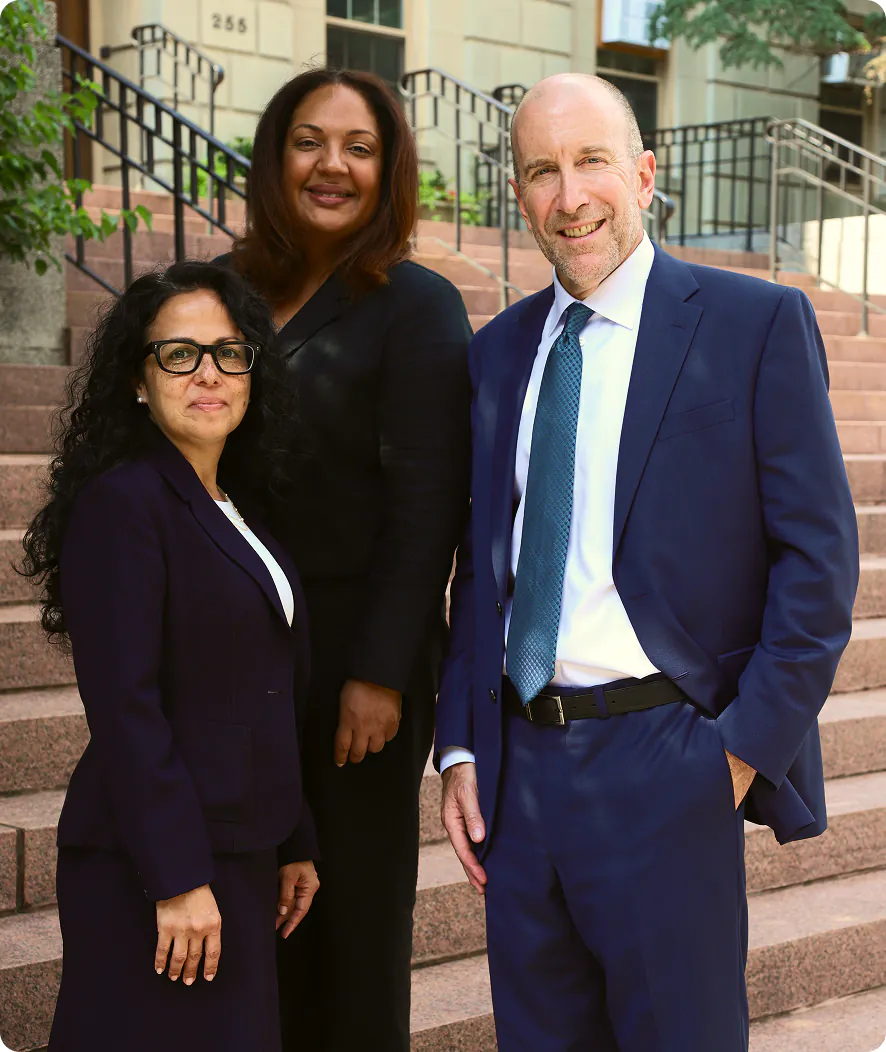
When an injury may affect your ability to work or live independently, you want a lawyer who has handled cases with real consequences. Billy Cooper Law brings more than 75 years of combined experience to its personal injury practice. William H. “Billy” Cooper has practiced in New York since 1991 and serves as the firm’s lead trial counsel. The firm reports more than $41 million in verdicts and settlements, including Bronx County recoveries involving automobile crashes, pedestrians, wrongful death, and catastrophic injuries. Recent professional recognition includes Billy Cooper’s selection to Super Lawyers from 2024 through 2026. (Meet the Billy Cooper Law team; Billy Cooper attorney profile; case results.) Those credentials matter because insurers evaluate more than medical records. They also evaluate whether the injured person’s lawyer knows how to develop the evidence, calculate long-term losses, and take the case to court when necessary. The firm offers free consultations, Spanish-language assistance, and contingency-fee representation. You do not pay an upfront attorney’s fee, and the firm does not collect a legal fee unless it obtains compensation for you.Why Injury Cases in Soundview Require a Local Investigation
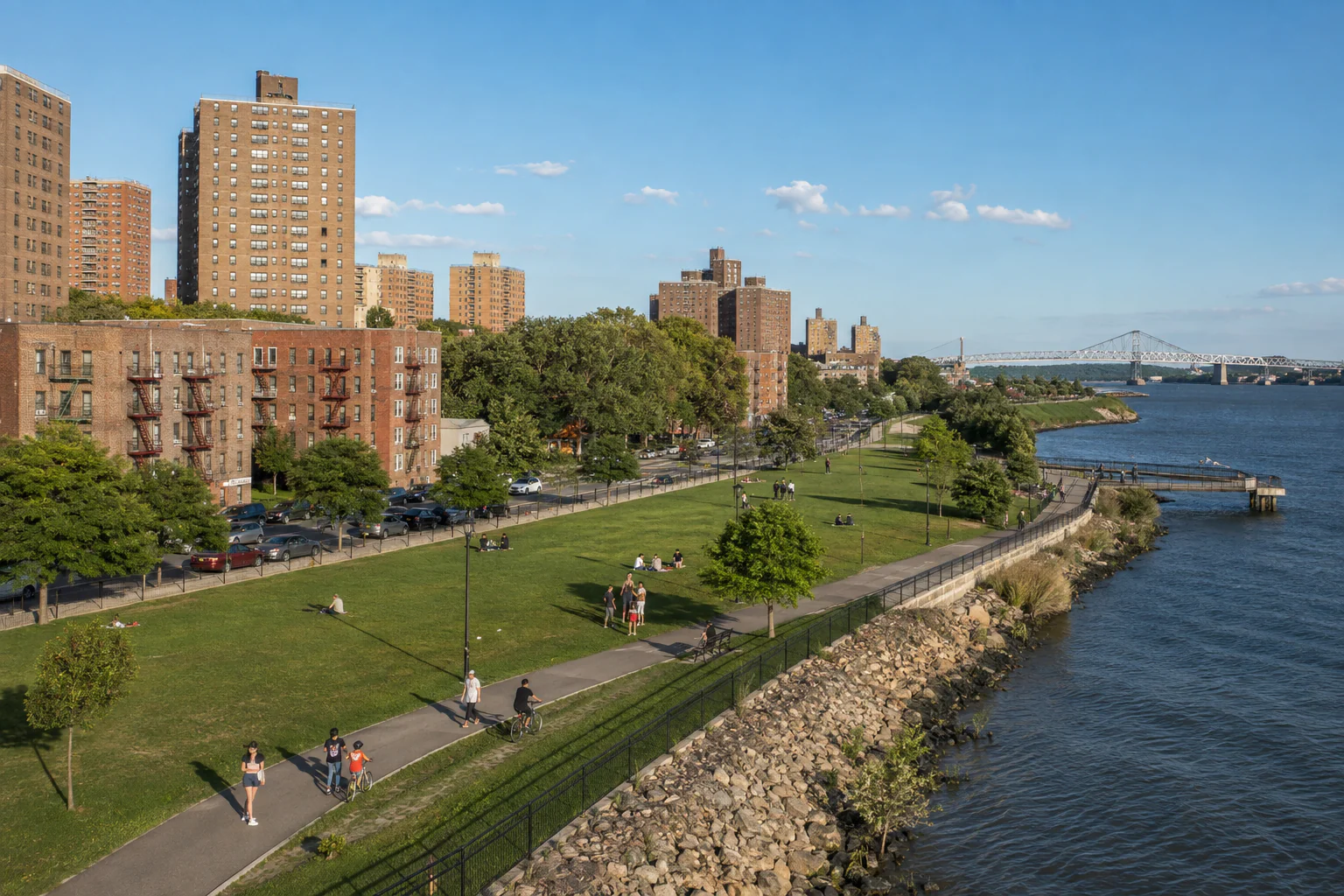
Soundview has been reshaped by protected bike lanes, pedestrian islands, new crosswalks, bus connections, shared e-scooters, and access to the NYC Ferry. These improvements give residents more ways to move through the neighborhood, but they also bring cars, buses, bicycles, scooters, and pedestrians together at busy intersections and curbside spaces. Soundview Avenue illustrates why the design of the street can become part of the investigation. Before its redesign, NYC DOT identified it as one of the Bronx’s higher-crash corridors, recording more than 100 injuries, 10 severe injuries, and one fatality from 2015 through 2022. The agency subsequently added protected bike lanes, pedestrian space, turn bays, and visibility improvements. (NYC DOT Soundview Avenue redesign.) A lawyer examining a crash here may need more than a police report. The case could require intersection measurements, traffic-signal records, street-design plans, construction permits, vehicle data, photographs of lane markings, and video from surrounding buildings or buses. Property cases present their own questions. Soundview includes private apartment buildings, commercial properties, public housing, parks, sidewalks, and transportation facilities. The address alone may not tell you who was legally responsible. Ownership and maintenance records must be checked before a claim is filed.Soundview’s Accident Record
NYC DOT’s June 2024 analysis of the Soundview study area reported:- 481 pedestrians injured from 2019 through 2023;
- 176 cyclists injured during that period;
- 1,986 motorists injured during that period;
- 158 severe injuries from 2019 through 2023; and
- 21 traffic fatalities between 2019 and May 2024.
- Co-op City
- Kingsbridge
- Soundview
- Riverdale
- Fordham
- Mott Haven
- Morris Park
- Parkchester
- Throggs Neck
- Williamsbridge
Where Serious Injuries Happen in Soundview
Intersections and multilane streets
Soundview Avenue, Rosedale Avenue, Lafayette Avenue, Story Avenue, and streets near Bruckner Boulevard carry a mix of local traffic, deliveries, buses, cyclists, and pedestrians. Intersection cases often involve disputes over turning movements, traffic signals, visibility, speed, and right of way. Recent safety redesigns can also affect the evidence. Photographs taken months later may show a different lane pattern, curb arrangement, or crossing distance than the one that existed on the accident date.Bike lanes and e-scooter routes
Protected lanes reduce many conflicts, but crashes still occur where cyclists or scooter riders cross intersections, pass driveways, encounter opening vehicle doors, or move through loading and bus-stop areas. Vehicle damage, helmet condition, app records, trip histories, and nearby video may help establish what happened.Apartment buildings and public housing
Falls can occur on broken stairs, poorly lit walkways, wet floors, defective elevators, icy entrances, and damaged sidewalks. The responsible party may be a private landlord, managing agent, tenant, contractor, security company, NYCHA, or another public entity. NYCHA maintains address and property directories that can help determine whether a location belongs to a public housing development or has been transferred to another management structure. (NYCHA development and property directory.)Buses, transit stops, and the ferry area
A bus case may involve a sudden stop, unsafe movement from the curb, a collision, or a passenger fall while boarding. Evidence may include onboard cameras, operator reports, GPS information, inspection records, and dispatch data. The Soundview waterfront also connects the neighborhood to the NYC Ferry system. When an injury involves a transportation facility or publicly controlled location, identifying the operator and property owner is an early priority because different claim procedures may apply.Construction and maintenance work
Construction occurs throughout the neighborhood, from major developments to repairs inside occupied apartment buildings. An injured worker may have a workers’ compensation claim and a separate lawsuit against a property owner, general contractor, subcontractor, equipment company, or driver. The two claims cover different losses. Workers’ compensation generally provides medical and partial wage benefits, while a viable third-party claim may also include pain and suffering and broader future losses.Personal Injury Cases Billy Cooper Law Handles
The firm represents people injured in matters involving:- Car, SUV, taxi, Uber, and Lyft accidents
- Pedestrian and bicycle crashes
- E-bike, e-scooter, and motorcycle accidents
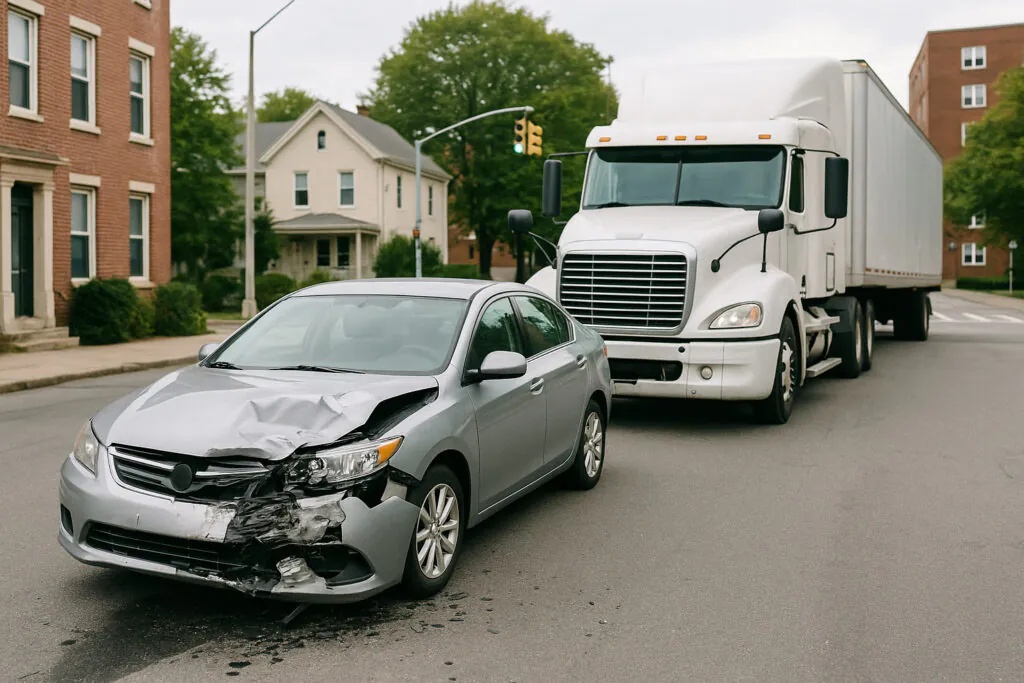
- Bus, truck, and commercial vehicle collisions
- Falls on sidewalks, stairs, floors, and other unsafe property
- Construction and workplace accidents
- Defective products
- Dog bites
- Medical malpractice and birth injuries
- Catastrophic injuries
- Wrongful death
What to Do After an Accident
Your health comes first. Get medical attention and describe every area of pain, even if one injury seems worse than the others. Conditions involving the head, neck, back, knees, and shoulders may become more apparent after the initial shock wears off. If you can safely do so:- Report the accident. Call the police after a crash and notify the property owner, manager, employer, or appropriate agency after a premises or workplace accident.
- Photograph the scene. Include the hazard, vehicles, traffic controls, lighting, weather, lane markings, debris, and surrounding businesses or buildings.
- Get witness information. A name and telephone number may become important if the parties later disagree about what happened.
- Preserve damaged property. Keep torn clothing, footwear, helmets, car seats, bicycles, scooters, and defective products.
- Save every document. Keep discharge papers, prescriptions, work notes, receipts, insurance letters, and accident reports.
- Avoid guessing about fault. Give necessary facts, but do not speculate or apologize simply because you are shaken.
- Be careful with insurance calls. An adjuster may request a recorded statement or broad medical authorization before you understand the claim.
- Speak with a lawyer promptly. Video can be overwritten, temporary hazards can be repaired, and public-entity deadlines may expire within 90 days.
Evidence Worth Preserving
The best evidence depends on how the accident occurred. In a traffic case, useful evidence may include:- NYPD collision reports and 911 records
- Nearby business, apartment, bus, or traffic-camera video
- Vehicle event data and inspection records
- Cellphone records when distraction is suspected
- Rideshare or delivery-app trip information
- Photographs of signs, signals, bike lanes, and sight lines
- Witness statements
- Medical records connecting the injuries to the crash
- Photographs and measurements of the hazard
- Surveillance video
- Cleaning and inspection logs
- Elevator or stairway maintenance records
- Prior complaints and repair requests
- Leases and property-management agreements
- NYC 311 complaints, permits, and violations
- Weather and snow-removal records
- Evidence identifying the owner and maintenance contractor
New York Deadlines and Insurance Rules
The general personal injury deadline
Most New York negligence lawsuits must be started within three years of the injury under CPLR § 214. That is not a safe reason to wait. Other deadlines may be much shorter, and evidence rarely improves with time. Wrongful death actions generally must be commenced within two years of the death under EPTL § 5-4.1. Medical malpractice, claims involving minors, and other specialized cases follow different rules.No-fault insurance after a motor vehicle accident
New York’s no-fault system generally provides up to $50,000 in basic economic-loss coverage for qualifying medical expenses, a portion of lost earnings, and certain related expenses, regardless of who caused the collision. (New York Insurance Law § 5102.) Written notice of a no-fault claim ordinarily must be submitted within 30 calendar days of the accident. Medical bills generally must be submitted within 45 days of treatment, and lost-earnings proof generally must be submitted within 90 days. Exceptions may exist when there is a clear and reasonable justification for delay, but no one should assume an insurer will accept a late filing. (New York Department of Financial Services no-fault guidance.) No-fault does not necessarily compensate you for pain and suffering. That usually requires a qualifying “serious injury” and a viable claim against a responsible party.New rules for motor vehicle lawsuits filed on or after May 26, 2026
New York changed important parts of its motor vehicle injury law in May 2026. For actions and proceedings commenced on or after May 26, 2026:- The former “90/180-day” category was removed from the statutory serious-injury definition.
- In cases subject to Insurance Law Article 51, an injured claimant may be barred from recovery if the claimant’s share of fault is greater than the combined fault of the defendants.
- The factfinder must address fault before deciding whether the claimant suffered a serious injury.
BILLY COOPER LAW
Questions About a Soundview Injury Claim?
What If You Were Partly at Fault?
The answer now depends in part on the type of accident. For most premises, construction, and other non-automobile negligence cases, New York continues to follow pure comparative negligence. You may still recover compensation when you share responsibility, but the award is reduced by your percentage of fault. For motor vehicle personal injury actions subject to Article 51 and commenced on or after May 26, 2026, recovery can be barred if your share of fault is greater than the fault of the defendant or combined defendants. If you are 50% at fault, any recovery would generally be reduced by 50%. If you are found more than 50% at fault, the new rule may prevent recovery. Fault is often disputed. A driver accused of entering an intersection improperly may have been unable to see because of an illegally parked vehicle. A pedestrian may have crossed outside a marked crosswalk while the driver was speeding or distracted. A fall may involve both the injured person’s attention and a dangerous condition the property owner should have corrected. Do not assume an insurance company’s first liability decision is final.Who May Be Responsible?
Depending on the facts, a personal injury claim may involve:- A negligent driver and the vehicle owner
- A rideshare, delivery, trucking, or other employer
- A property owner, tenant, or managing agent
- A snow-removal, cleaning, security, or maintenance contractor
- A construction owner, general contractor, or subcontractor
- A product manufacturer or distributor
- A medical provider
- NYCHA, the City of New York, a transit authority, or another public entity
- More than one responsible party
Compensation Available in a Personal Injury Claim
A claim may include compensation for:- Past and future medical expenses
- Lost wages
- Reduced future earning capacity
- Pain and suffering
- Loss of enjoyment of life
- Rehabilitation and therapy
- Home-care needs
- Mobility equipment and home modifications
- Scarring or disfigurement
- Property damage
- Funeral expenses and legally recognized wrongful death losses
Claims Against the City and Other Public Entities
A Notice of Claim may have to be served within 90 days when an injury involves the City of New York or another public corporation. A lawsuit against the City generally must then be commenced within one year and 90 days of the incident. (General Municipal Law § 50-e; General Municipal Law § 50-i.) That can matter after an accident involving:- A City-owned vehicle
- A dangerous roadway or traffic control
- Public housing property
- A park or playground
- A public school
- A bus or transit facility
- City construction or maintenance work
- A municipal hospital or employee
Local Records, Hospitals, and Courts
Soundview is served by the NYPD’s 43rd Precinct, located at 900 Fteley Avenue. Police reports, body-camera footage, 911 records, photographs, and follow-up investigative materials may become relevant after a serious collision. (NYPD 43rd Precinct.) People with serious injuries may be taken to Bronx trauma facilities such as:- NYC Health + Hospitals/Jacobi, a designated adult Level I trauma center and the Bronx’s burn center; or
- NYC Health + Hospitals/Lincoln, which also operates a Level I trauma center.
How Billy Cooper Law Builds an Injury Case
The investigation starts with a careful account of what happened and how the injury has changed your life. The firm can then:- Visit or document the location
- Obtain police, ambulance, hospital, and agency records
- Send preservation demands for video and electronic data
- Identify owners, contractors, employers, and insurers
- Review leases, permits, maintenance records, and prior complaints
- Interview witnesses
- Consult medical, engineering, vocational, or accident-reconstruction professionals when appropriate
- Handle insurance communications and no-fault issues
- Document wage loss and future financial needs
- Negotiate from a fully developed record
- File suit and prepare the case for trial when a fair resolution is not offered
Frequently Asked Questions
Do I have a case if no ticket or summons was issued?
Possibly. A police officer’s decision about whether to issue a ticket does not determine civil liability. Video, witnesses, physical evidence, vehicle data, and applicable safety rules may provide a more complete picture.Should I give the insurance company a recorded statement?
You should be cautious. Your own no-fault insurer may require cooperation, but that does not mean you should give an unrestricted statement to the other side. Speak with a lawyer before agreeing to be recorded.What if I was a passenger?
Passengers often have claims because they ordinarily did not control either vehicle. The claim may involve one driver, both drivers, and applicable no-fault, liability, or uninsured-motorist coverage.Who is responsible for a broken sidewalk in Soundview?
It depends on the adjoining property, the kind of defect, and whether a tree well, utility cover, pedestrian ramp, public property, or contractor was involved. Ownership and maintenance records should be reviewed rather than assumed.Can I recover after a hit-and-run?
You may have options through uninsured-motorist coverage or the Motor Vehicle Accident Indemnification Corporation. Reporting the crash promptly and complying with insurance deadlines is essential.Can I make a claim if I was working when I was hurt?
Yes. You may qualify for workers’ compensation, and you may also have a separate claim against a negligent person or company other than your employer.What if I do not speak English well?
Billy Cooper Law offers Spanish-language assistance. Your ability to bring a claim does not depend on speaking English.How much does it cost to speak with the firm?
The consultation is free. Personal injury cases are handled on a contingency-fee basis, so there is no upfront attorney’s fee and no legal fee unless the firm obtains compensation for you.How long will my case take?
Some claims resolve within months. Others take longer because the injuries are still developing, liability is disputed, several defendants are involved, or litigation and trial preparation are necessary. A careful result is usually more important than a rushed one.Related Resources
- New York Personal Injury Lawyer
- New York Motor Vehicle Accident Lawyer
- New York Car Accident Lawyer
- New York Work Accident Lawyer
- Billy Cooper Law Case Results
- Meet the Billy Cooper Law Team
Tell Us What Happened
You do not need to know who is legally responsible before calling. You do not need to understand the insurance policy or identify the government agency that controlled the location. That is part of the investigation. Tell Billy Cooper Law where the accident occurred, how you were hurt, and what has happened since. The firm will listen, explain the issues it sees, and discuss your options. Call (718) 866-3311 for the firm’s New York City office, which is available by appointment only, or (914) 730-5789 for the White Plains office. You may also request a free consultation online. The firm does not maintain an office in Soundview. It represents injured clients throughout the Bronx and New York City.Sources
Billy Cooper Law
- Billy Cooper Law — Official Website
- Personal Injury Practice
- Motor Vehicle Accident Practice
- Car Accident Practice
- Work Accident Practice
- Billy Cooper Attorney Profile
- Meet the Team
- Case Results
- Contact Billy Cooper Law
Local and Government Sources
- NYC DOT — O’Brien Avenue Bike Boulevard and Soundview Safety Data, June 2024
- NYC DOT — Soundview Avenue Redesign
- NYC DOT — 2024 Soundview Street Improvements
- NYC DOT — Sidewalk Maintenance and Liability
- NYPD 43rd Precinct
- NYCHA Development and Property Directory
- NYC Comptroller — Personal Injury Claim FAQs
- Bronx Supreme Court Civil Term
- NYC Health + Hospitals/Jacobi
- NYC Health + Hospitals/Lincoln
New York Law and Insurance Sources
- CPLR § 214 — General Personal Injury Limitations Period
- CPLR § 1411 — Comparative Fault
- General Municipal Law § 50-e — Notice of Claim
- General Municipal Law § 50-i — Municipal Lawsuit Deadline
- EPTL § 5-4.1 — Wrongful Death Actions
- Insurance Law § 5102 — No-Fault Benefits and Serious Injury
- Insurance Law § 5104 — Motor Vehicle Personal Injury Actions
- New York Department of Financial Services — No-Fault Insurance FAQs
- New York Department of Financial Services — 2026 Motor Vehicle Insurance Reforms
Communities We Serve
- Bronx County
- Co-op City
- Kingsbridge
- Soundview
- Riverdale
- Fordham
BILLY COOPER LAW
Ready to Discuss What Happened?
Related Personal Injury Lawyer | Soundview NY Pages


Putting Over 75 Years of Combined Experience on Your Side
Putting Over 75 Years of Combined Experience on Your Side
Putting Over 75 Years of Combined Experience on Your Side
Putting Over 75 Years of Combined Experience on Your Side
Putting Over 75 Years of Combined Experience on Your Side
Putting Over 75 Years of Combined Experience on Your Side
Putting Over 75 Years of Combined Experience on Your Side
Putting Over 75 Years of Combined Experience on Your Side
Putting Over 75 Years of Combined Experience on Your Side
Putting Over 75 Years of Combined Experience on Your Side
Get the Answers You Need
At Billy Cooper Law, every day we renew our pledge to help injured people get the justice and compensation they deserve. We have a reputation throughout New York and nationally for standing up for our clients, and we take that responsibility seriously by approaching every case with preparation, persistence, and an unwavering commitment to results.