
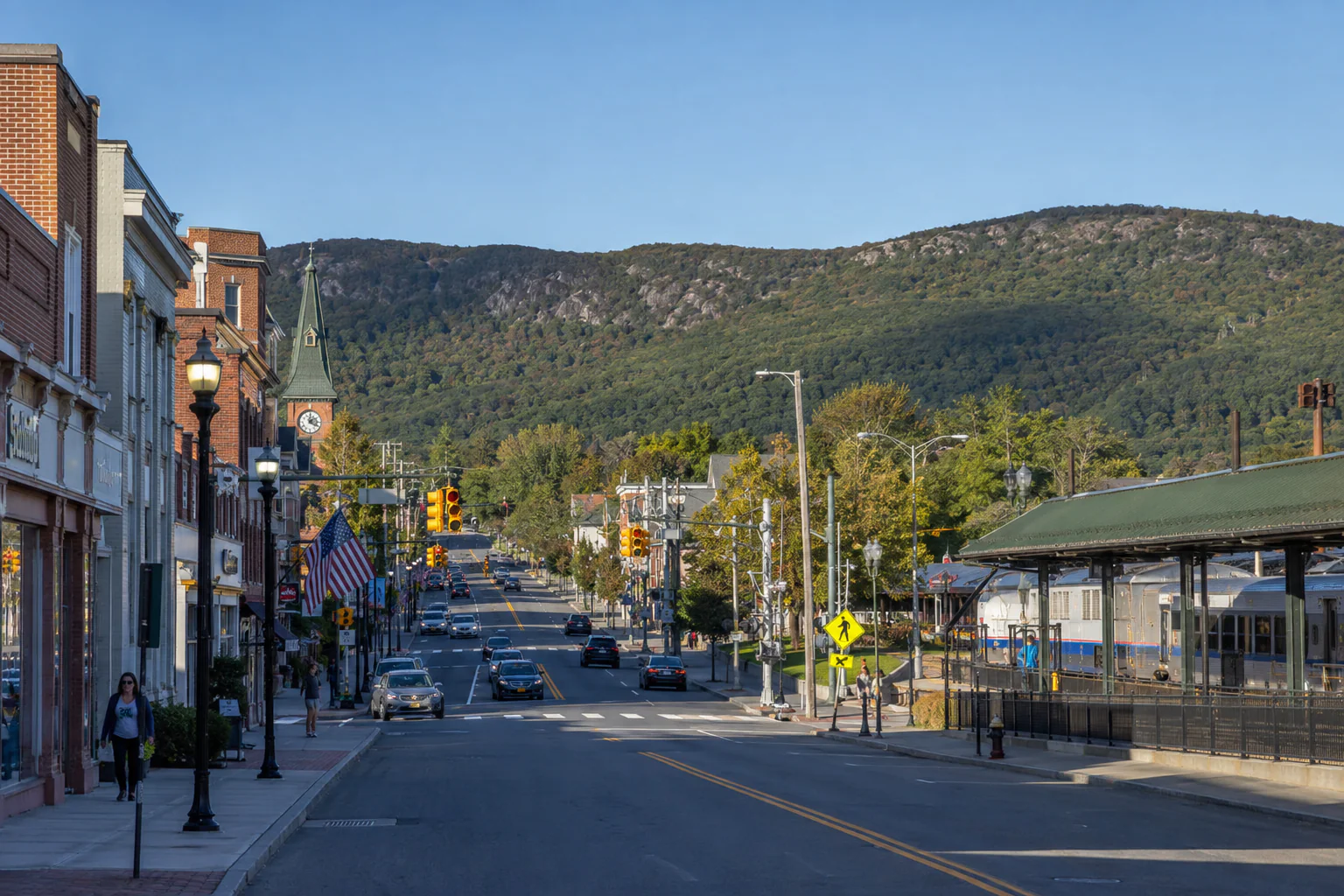
Ramapo NY Personal Injury Lawyer
Video Transcript
Every person who contacts our office speaks to an attorney directly.
Many firms, when you reach out, you get just a paralegal or just a receptionist, and while they may be very experienced, I think it gives a lot of assurance to the public that they know that when they call us, they will always get the attorney on the phone.
The most important thing I think people should know before they pick up the phone and call the office of Billy Cooper is that we take the time to listen and answer people’s questions.
One of the things that I get told most often, even if it’s a situation where we cannot take your case, is that we explain why.
We don’t just say, “No, you don’t have a case” and hang up.
We always give people an explanation.
We explain what the burden of proof is and the law that applies.
People are always most appreciative that we take the time to explain to them rather than just saying no.
A great outcome beyond the dollar amount is quite significant because after a case resolves, money only means so much.
In fact, I always have conversations with our clients indicating to them that money does a certain thing for you, but it can never make you feel completely whole.
What we try and do is we try and give our people the type of service where they know that even when the case is completed, we are here for them.
What makes our law firm different than other firms in New York is our attention to detail, and that we assist our clients with every aspect of their case.
We make phone calls to make sure that your medical bills are being paid.
We can assist you in finding medical care.
It’s beyond just a legal service. It is an all-around service that we provide.
If you have been injured in an accident or someone you know, whether it’s a family member or a friend, we ask that you reach out to us because we will speak with you and we will assist you.

Types of Injury Cases We Handle in Ramapo NY
- Personal Injury
- Slip and Fall
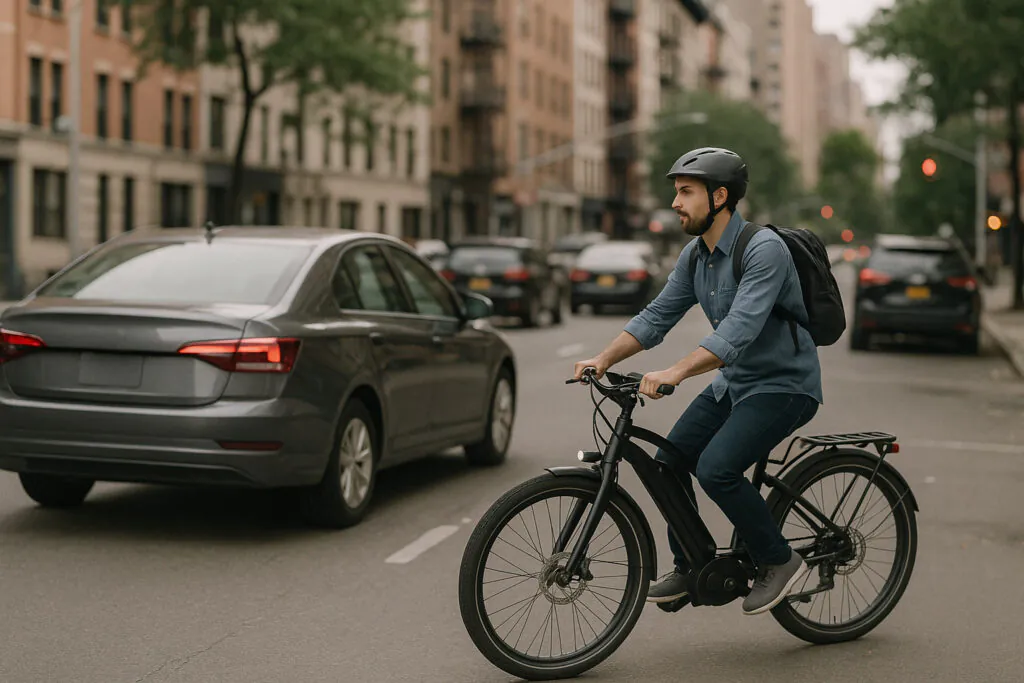
- E-Bike Accidents
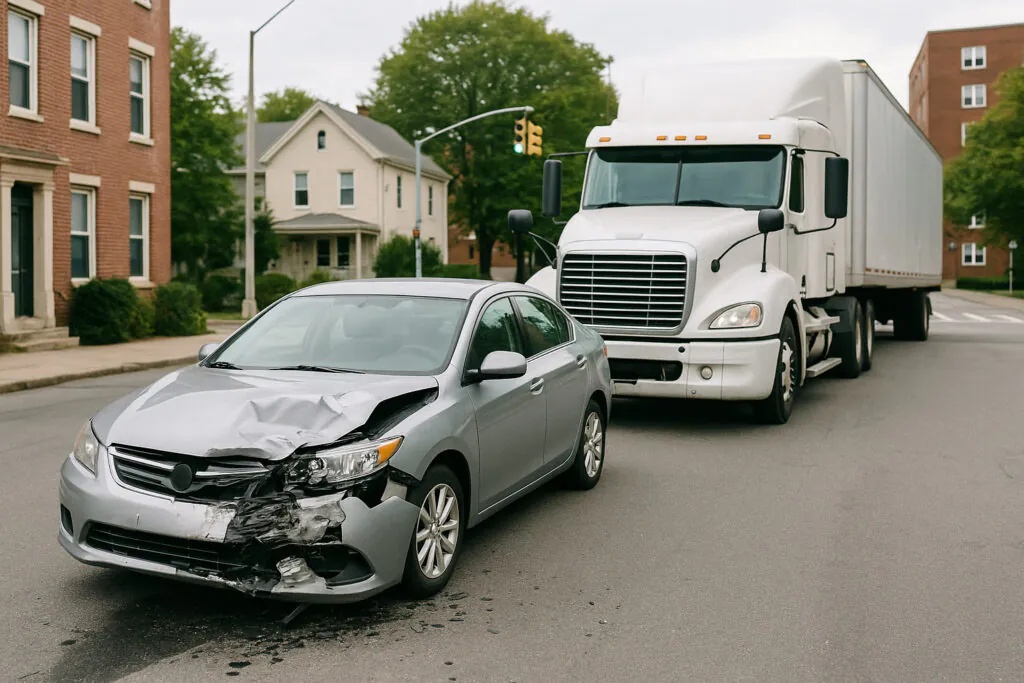
- Car Accidents
A Law Firm That Looks at the Whole Injury
An injury case should not be reduced to a stack of medical bills. The real question is how the injury has affected your work, mobility, independence, family responsibilities, and future. Billy Cooper Law brings more than 75 years of combined experience to personal injury cases. The firm handles claims involving serious injuries, disputed liability, businesses, insurers, and public entities. Its reported results include a $2 million recovery in a Rockland County construction accident. Prior results do not guarantee a similar outcome. If you are concerned about legal fees, the firm handles personal injury matters on a contingency basis. There is no upfront legal fee, and no attorney’s fee is owed unless compensation is recovered. Spanish-speaking clients can work with Anieska J. Garcia, Esq., who provides bilingual representation. Most importantly, the firm’s role is to take pressure off you. That means dealing with insurers, identifying the right defendants, preserving evidence, and keeping you informed while you focus on treatment.Why Ramapo Injury Cases Require Local Investigation
Ramapo is not governed or maintained as one uniform place. The town contains 12 incorporated villages, along with substantial unincorporated areas. A crash or fall may involve a town road, village street, Rockland County route, state highway, commercial property, transit vehicle, or public facility. That distinction matters. It can determine:- Which agency has the accident report
- Who was responsible for the road, sidewalk, signal, or drainage system
- Where maintenance and inspection records are kept
- Whether a 90-day Notice of Claim is required
- Which insurance policies apply
- Where a lawsuit may be filed
A Local Accident Snapshot
Town planning data shows why early investigation matters in Ramapo. The figures below are based on New York State Department of Transportation crash records covering April 1, 2018, through March 31, 2023:- The studied Monsey-area road segments recorded 2,970 crashes, including 587 injury crashes and two fatal crashes.
- The town’s intersection analysis identified 1,386 crashes, approximately 35% of which were rear-end collisions.
- Those intersection crashes included 42 involving pedestrians and 16 involving bicyclists.
- The West Eckerson Road/East Eckerson Road and North Main Street intersection had 11 pedestrian crashes, including one fatality.
- The section of Route 59 between Remsen Avenue and Route 306 recorded 322 crashes, including 75 injury crashes.
- Ramapo
- Clarkstown
- Haverstraw
- New City
- Spring Valley
- Monsey
- Nanuet
- Pearl River
- Stony Point
- Suffern
Where Serious Injuries Happen in Ramapo
Route 59 and the Monsey commercial corridor
Route 59 carries local traffic, buses, pedestrians, delivery vehicles, and drivers entering or leaving businesses. A collision here may involve several sources of evidence, including storefront video, vehicle data, delivery records, witness accounts, and nearby traffic controls. Because Route 59 is a state route, a claim involving roadway design or maintenance may require investigation beyond the drivers involved.Eckerson Road, Viola Road, and North Main Street
Town crash data identifies repeated rear-end, turning, and pedestrian conflicts along these corridors. In these cases, it may be important to document signal timing, lane markings, crosswalk placement, visibility, and whether nearby property conditions obstructed a driver’s view.Neighborhood streets in Monsey and Hillcrest
A narrow or busy neighborhood street can bring pedestrians, school transportation, parked vehicles, driveways, and through traffic into the same limited space. Evidence may be spread across private doorbell cameras, school-bus systems, nearby businesses, and several police or municipal agencies.The Thruway, Palisades Interstate Parkway, and western Ramapo
Higher-speed crashes create different investigative needs. Vehicle event data, guardrail damage, debris fields, emergency-response records, commercial driving logs, and highway surveillance or toll records may become important. The agency responsible for a highway is not always the Town of Ramapo. The New York State Department of Transportation, New York State Thruway Authority, or another public entity may control relevant records.Stores, apartment properties, parking areas, and construction sites
Not every injury begins with a traffic collision. Falls, falling objects, unsafe stairs, poor lighting, ice, defective pavement, and construction hazards can cause life-changing injuries. These cases often turn on who controlled the property, how long a dangerous condition existed, and whether anyone had notice of it.Personal Injury Cases Billy Cooper Law Handles
Billy Cooper Law represents clients in claims involving:- Car, truck, and commercial vehicle crashes
- Pedestrian and bicycle accidents
- Bus and school transportation accidents
- Rideshare collisions
- Motorcycle accidents
- Unsafe stores, apartment buildings, sidewalks, and parking areas
- Construction and worksite accidents
- Traumatic brain and spinal cord injuries
- Dog bites
- Defective products
- Medical malpractice and birth injuries
- Wrongful death
What to Do After an Accident
Get medical care
Your health comes first. Some injuries—including concussions, internal injuries, and spinal damage—may not be obvious immediately. Describe your symptoms accurately and tell the medical provider how the accident happened. Follow-up care matters both medically and legally. Long gaps in treatment can make it harder to connect an injury to the accident.Report what happened
Call 911 after a serious crash. For a property accident, notify the owner, manager, landlord, or responsible business and ask for a written incident report. Do not assume that the first agency you contact has jurisdiction. Depending on the location, records may be held by Ramapo Police, a village police department, New York State Police, or another agency.Document the scene
If you can do so safely, photograph or record:- Vehicle positions and damage
- Skid marks, debris, and roadway conditions
- Traffic lights and signs
- Crosswalks and lane markings
- Ice, water, broken pavement, or other hazards
- The surrounding area and nearby cameras
- Your visible injuries
Identify witnesses
Get names, phone numbers, and email addresses. A neutral witness may be especially important when drivers disagree about a signal, a pedestrian’s location, or who entered an intersection first.Be careful with insurance calls
You should report an accident promptly, but you do not have to speculate about fault or minimize your injuries. A recorded statement can become part of the insurer’s defense. Before signing medical authorizations, releases, or settlement documents, understand what rights you may be giving up.Speak with a lawyer before evidence disappears
Early legal help is particularly important when a government agency, commercial vehicle, bus operator, construction company, or property owner may be involved.Evidence Worth Preserving
Strong cases are usually built from many small pieces of evidence rather than one dramatic fact. Depending on what happened, useful evidence may include:- Police and incident reports
- Photographs and video
- Business, doorbell, transit, and school-bus recordings
- Vehicle event-data recorder information
- Cellphone records
- Commercial driver logs and dispatch records
- Road inspection and maintenance records
- Snow and ice removal logs
- Property complaints and repair records
- Building and construction permits
- Medical records and diagnostic imaging
- Pay records, tax returns, and employment documentation
- Damaged clothing, shoes, helmets, or equipment
New York Laws and Deadlines That May Affect Your Claim
The general personal injury deadline
Under CPLR § 214, many New York negligence lawsuits must be filed within three years of the injury. That is not a universal deadline. Medical malpractice claims generally have a two-year-and-six-month limitations period under CPLR § 214-a, subject to exceptions. A wrongful death action generally must be commenced within two years of death under EPTL § 5-4.1. The practical deadline to investigate a case is often much shorter because evidence can disappear long before a statute of limitations expires.No-fault insurance deadlines
New York no-fault coverage generally pays qualifying medical expenses and part of an injured person’s lost earnings after a covered motor vehicle accident, regardless of who caused the crash. Written notice ordinarily must be provided to the appropriate no-fault insurer within 30 calendar days. Medical bills generally must be submitted within 45 days of treatment, and lost-earnings claims within 90 days after the loss is incurred. Late submissions may be excused in limited circumstances, but you should not assume an exception will apply. See the New York Department of Financial Services’ no-fault guidance.The serious-injury requirement in vehicle cases
In many motor vehicle cases, compensation for pain and suffering is available only if the injury meets New York’s statutory “serious injury” standard. The current definition includes categories such as a fracture, significant disfigurement, permanent loss of use, permanent consequential limitation, and significant limitation of a body function or system. The medical records need to establish more than pain alone. See Insurance Law § 5102 and Insurance Law § 5104.New comparative-fault rules for certain vehicle cases
New York changed its comparative-fault law on May 29, 2026. For many personal injury actions subject to New York’s no-fault law and commenced on or after that date, an injured claimant is barred from recovering if the claimant’s fault is greater than the fault of the defendant—or the combined fault of multiple defendants. If the claimant’s fault is 50% or less, damages may still be reduced by that percentage. Other personal injury cases generally remain subject to the rule that partial fault reduces compensation rather than automatically eliminating the claim. The precise result depends on the kind of accident and when the lawsuit was commenced. See CPLR § 1411.BILLY COOPER LAW
Questions About a Ramapo Injury Claim?
Who May Be Responsible?
The answer is not always the person most visible at the scene. Potentially responsible parties may include:- A careless or distracted driver
- The vehicle’s owner
- A driver’s employer
- A trucking or delivery company
- A bus or transit operator
- A property owner, tenant, or management company
- A snow-removal or maintenance contractor
- A construction owner, general contractor, or subcontractor
- A manufacturer or distributor
- A town, village, county, state agency, or public authority
- A medical provider or facility
Compensation in a Personal Injury Case
Compensation is meant to address what the injury has taken from you. Depending on the facts and applicable law, a claim may include:- Past and future medical expenses
- Lost wages
- Reduced earning capacity
- Rehabilitation and therapy
- Home health care or assistance
- Mobility equipment and home modifications
- Pain and suffering
- Emotional and psychological harm
- Loss of enjoyment of life
- Property damage and other documented expenses
When a Government Entity May Be Involved
Government-related cases move quickly. Under General Municipal Law § 50-e, a Notice of Claim is generally required within 90 days for many tort claims against towns, villages, counties, and other public corporations. Lawsuits covered by General Municipal Law § 50-i generally must be commenced within one year and 90 days, subject to specific procedural requirements. Claims against New York State or certain public authorities may follow different rules. Filing a police report or notifying an insurance carrier does not necessarily satisfy a formal Notice of Claim requirement. In Ramapo, government involvement may arise from:- A dangerous town or village street
- A county road or intersection
- A state route
- A defective signal or crosswalk
- A public bus or transit facility
- A government-owned building
- Snow, ice, drainage, or roadway maintenance
- A Thruway or parkway collision
Local Courts, Medical Facilities, and Agencies
Rockland County Supreme Court
Significant personal injury lawsuits arising in Rockland County may be heard in Rockland County Supreme Court, located at: Rockland County Court House 1 South Main Street New City, NY 10956 The proper venue depends on where the parties live, where the accident occurred, and other case-specific facts.Medical facilities
Emergency care in and around Ramapo may include:- Good Samaritan Hospital in Suffern
- Westchester Medical Center in Valhalla for regional specialty and trauma care
Agencies that may hold evidence
Depending on where and how the injury occurred, records may be held by:- Town of Ramapo
- Rockland County
- New York State Police
- New York State Department of Transportation
- New York State Thruway Authority
- Rockland County Department of Public Transportation
How Billy Cooper Law Investigates a Ramapo Injury Case
The investigation begins by listening to you. Before deciding what evidence is needed, the legal team needs to understand what you remember, what injuries you have, and how your life has changed. From there, the firm may:- Determine who controlled the accident location. Road and property ownership can establish which defendants and deadlines apply.
- Obtain reports and available recordings. This may include police records, surveillance footage, transit video, photographs, and witness statements.
- Inspect the scene and physical evidence. Measurements, visibility, traffic controls, surface conditions, and vehicle damage can help explain how the accident occurred.
- Review insurance coverage. A serious claim may involve no-fault benefits, liability insurance, employer coverage, commercial policies, and uninsured or underinsured motorist protection.
- Document the full injury. Medical records are important, but so are wage losses, future treatment needs, household limitations, and the effect on daily life.
- Bring in qualified experts when necessary. Engineers, accident reconstruction professionals, doctors, vocational specialists, and economists may be needed in disputed or high-value cases.
- Prepare the case as if it may be tried. Insurers are more likely to take a claim seriously when the evidence has been developed carefully from the beginning.
Frequently Asked Questions
Do I have a case if the police report blames me?
Possibly. A police report is important, but it does not always decide civil liability. The officer may not have witnessed the accident, and additional evidence may change the picture. For certain motor vehicle lawsuits commenced on or after May 29, 2026, being found more than 50% at fault can bar recovery. That makes an independent investigation especially important.Who pays my medical bills after a Ramapo car accident?
New York no-fault insurance generally pays qualifying medical expenses and part of lost earnings after a covered motor vehicle accident, regardless of fault. The claim ordinarily must be reported in writing within 30 days. Health insurance, workers’ compensation, liability insurance, or other coverage may also be involved.What if the driver who hit me has little or no insurance?
Your own policy may provide uninsured or underinsured motorist coverage. Other defendants may also share responsibility, including a vehicle owner, employer, commercial operator, or contractor. The available coverage should be investigated before any settlement is accepted.Can I bring a claim after a fall on an icy sidewalk?
Possibly. Liability may depend on who owned or controlled the sidewalk, whether a property owner created or knew about the condition, when the precipitation occurred, and whether a town or village has its own prior-written-notice requirements. Take photographs as soon as possible because weather and maintenance can quickly alter the scene.What if a bus or government vehicle caused the accident?
Short deadlines may apply. A 90-day Notice of Claim is often required when a municipality or public corporation is involved, but the correct procedure depends on who owned and operated the vehicle. Contacting an insurer alone may not preserve the claim.How long will my case take?
Some claims resolve in months. Others take longer because the injuries need time to stabilize, liability is disputed, multiple defendants are involved, or a lawsuit and trial are necessary. The goal should not be the fastest possible settlement. It should be a fair resolution based on a clear understanding of your injuries and future needs.What if I did not take photographs or get witness names?
You may still have a case. Police reports, emergency records, nearby video, vehicle data, business records, and later witness interviews may provide useful evidence. The sooner an investigation begins, the better the chance of finding it.How much does it cost to contact Billy Cooper Law?
The consultation is free. The firm handles personal injury cases on a contingency basis, so there is no upfront legal fee and no attorney’s fee unless compensation is recovered. Contacting the firm does not require you to hire a lawyer. It gives you an opportunity to ask questions and understand your options.Related Personal Injury Resources
- New York Personal Injury Claims
- Motor Vehicle Accidents
- Premises Liability
- Construction Accidents
- Wrongful Death Claims
- Dog Bite Injuries
- Contact Billy Cooper Law
Talk With a Ramapo Personal Injury Lawyer
You do not need to know who owns the road, which insurer should pay, or whether a government deadline applies before calling. Start by telling us what happened. Billy Cooper Law can review the circumstances, identify the questions that need to be answered, and explain your options in plain English. Call (914) 730-5789 or request a free consultation. Spanish-language assistance is available.Sources
- Billy Cooper Law — Official Website
- Billy Cooper Law — Personal Injury Practice
- Billy Cooper Law — Anieska Garcia, Esq.
- Billy Cooper Law — Case Results
- Billy Cooper Law — Contact and Office Information
- Town of Ramapo — Existing Conditions Update, June 2025 Draft
- Town of Ramapo — Town-Wide Traffic Impact and Access Study
- New York Governor’s Traffic Safety Committee — 2024–2026 Triennial Highway Safety Plan
- New York CPLR § 214 — General Personal Injury Limitations Period
- New York CPLR § 214-a — Medical Malpractice Limitations Period
- New York CPLR § 1411 — Comparative Fault
- New York General Municipal Law § 50-e — Notice of Claim
- New York General Municipal Law § 50-i — Municipal Tort Actions
- New York Insurance Law § 5102 — No-Fault and Serious Injury Definitions
- New York Insurance Law § 5104 — Motor Vehicle Personal Injury Actions
- New York EPTL § 5-4.1 — Wrongful Death Actions
- New York Department of Financial Services — No-Fault Insurance FAQs
- New York Department of Financial Services — Filing Claims Under Your Own Auto Policy
- New York State Unified Court System — Rockland Supreme and County Court
- Rockland County — Transport of Rockland
Communities We Serve
BILLY COOPER LAW
Ready to Discuss What Happened?
Related Personal Injury Lawyer | Ramapo NY Pages

Putting Over 75 Years of Combined Experience on Your Side
Putting Over 75 Years of Combined Experience on Your Side
Putting Over 75 Years of Combined Experience on Your Side
Putting Over 75 Years of Combined Experience on Your Side
Putting Over 75 Years of Combined Experience on Your Side
Putting Over 75 Years of Combined Experience on Your Side
Putting Over 75 Years of Combined Experience on Your Side
Putting Over 75 Years of Combined Experience on Your Side
Putting Over 75 Years of Combined Experience on Your Side
Putting Over 75 Years of Combined Experience on Your Side
Get the Answers You Need
At Billy Cooper Law, every day we renew our pledge to help injured people get the justice and compensation they deserve. We have a reputation throughout New York and nationally for standing up for our clients, and we take that responsibility seriously by approaching every case with preparation, persistence, and an unwavering commitment to results.