
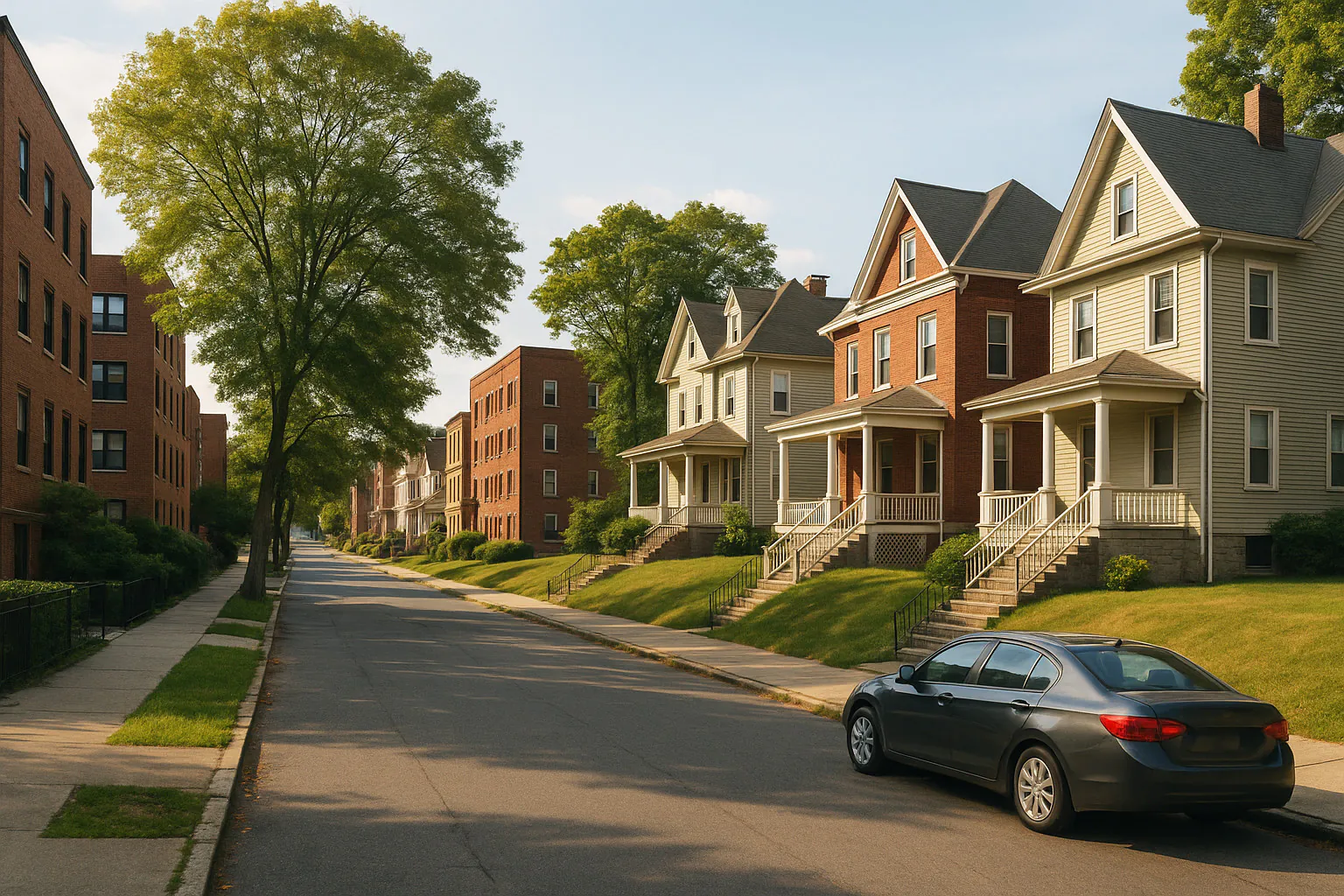
Mount Vernon NY Car Accident Lawyer
A car crash can leave you dealing with pain, missed work, vehicle repairs, medical appointments, and insurance calls before you fully understand what happened. You may also have only a short time to protect video, identify the correct insurer, or notify a government agency.
Billy Cooper Law represents drivers, passengers, pedestrians, and cyclists injured in Mount Vernon. The firm serves clients from its White Plains office—not from an office in Mount Vernon—and can help you understand the insurance, evidence, and legal issues affecting your claim.

Types of Injury Cases We Handle in Mount Vernon NY
- Personal Injury
- E-Bike Accidents
- Car Accidents
- Uber and Lyft Accidents
- Slip and Fall
Car Accident Lawyers Serving Westchester County
- Westchester County
- Yonkers
- Greenburgh
- New Rochelle
- Mount Vernon
Legal Help Grounded in Westchester County
When injuries may affect your health or ability to work, you need a lawyer who will look beyond the first medical bill or insurance offer.
Billy Cooper Law’s Westchester roots date to 1960. William H. “Billy” Cooper joined the practice in 1991 and has spent decades serving as lead trial counsel. The firm reports more than 75 years of combined experience.
The firm’s history is especially relevant to car accident cases. Marvin A. Cooper helped draft the no-fault framework that continues to govern New York claims. Today, that system must be considered alongside liability insurance, uninsured and underinsured motorist coverage, New York’s serious-injury requirement, and significant legal changes enacted in 2026.
If your injuries are serious, it also helps to know that the firm has handled cases involving permanent limitations and disputed medical evidence. Its published case results include an $850,000 automobile collision settlement involving reflex sympathetic dystrophy and a knee injury, as well as substantial recoveries in pedestrian, truck, catastrophic injury, and wrongful death cases.
Consultations are free. Personal injury cases are handled on a contingency basis, so no attorney’s fee is due unless the firm obtains a recovery.
Why Mount Vernon Car Accident Cases Can Become Complicated
Mount Vernon’s streets carry local traffic, commuters, buses, rideshare vehicles, delivery vans, cyclists, and pedestrians within a relatively compact area. The city also has two Metro-North stations: Mount Vernon East and Mount Vernon West. Around these stations, several kinds of traffic may converge within limited curb and roadway space.
That matters after a crash. A collision near a station could generate evidence from station cameras, nearby businesses, buses, rideshare applications, traffic signals, or private buildings. The precise location may also determine whether the City, Metro-North, Westchester County, a property owner, or a contractor controls the area where the crash occurred.
Roadwork can add another layer. Mount Vernon’s infrastructure dashboard tracks street resurfacing, sewer work, and utility projects. When construction affects a crash location, relevant evidence may include permits, lane-closure plans, contractor records, warning signs, and inspection reports.
Signal maintenance can matter too. In March 2026, the City addressed deteriorated traffic-signal infrastructure at West Broad Street and its intersections with Fleetwood Avenue and North Terrace Avenue. The City’s records described those intersections as part of a primary east-west corridor with substantial vehicle and pedestrian activity. That kind of history can become important if a crash involves a malfunctioning signal, confusing traffic control, or a recently altered intersection.
A Local Crash Snapshot
The Mount Vernon Police Department’s incident statistics recorded 1,782 traffic accidents requiring reports in Mount Vernon during 2025, compared with 1,535 during 2024. That was an increase of approximately 16% in one year.
The department’s table reported no fatal accidents in 2025, after reporting one in 2024. It also recorded 5,402 traffic summonses in Mount Vernon during 2025.
Those numbers do not identify fault or predict the outcome of an individual claim. They do show how regularly local crashes generate police, insurance, medical, traffic-enforcement, and sometimes video records. The sooner those records are identified, the less likely important evidence is to disappear.
Where Serious Crashes Happen in Mount Vernon
Near Metro-North stations
Station areas bring together pedestrians, buses, taxis, rideshare drivers, commuters, and delivery vehicles. A crash near Mount Vernon East or Mount Vernon West may involve station video, platform or entrance cameras, bus information, curbside restrictions, and footage from neighboring businesses.
On busy commercial corridors
Roads such as Gramatan Avenue, South Fourth Avenue, Sandford Boulevard, and West Broad Street carry a mix of through traffic, local drivers, pedestrians, and commercial vehicles. Crashes may involve drivers pulling into traffic, turning across crosswalks, stopping for deliveries, or changing lanes in congested conditions.
Business cameras are often valuable in these cases, but recordings may be overwritten quickly. A request made weeks later may come too late.
At signal-controlled intersections
When a driver says the light was green and another driver says the opposite, the case should not automatically become one person’s word against another’s. Signal sequencing, maintenance records, traffic-camera footage, vehicle positions, witness accounts, and nearby surveillance may help establish what occurred.
The City’s Bureau of Traffic and Street Lighting is responsible for functions that include traffic lights, street signs, lane markings, and pedestrian crosswalk markings on City streets. If a traffic-control condition contributed to the crash, identifying the responsible agency is one of the first investigative steps.
Around work zones and utility projects
Temporary lane shifts, blocked sight lines, construction vehicles, missing signs, and roadway excavations can contribute to collisions. Responsibility may extend beyond the drivers to a contractor, utility company, project manager, or government entity responsible for approving or inspecting the work.
Car Accident Cases Billy Cooper Law Handles
Billy Cooper Law represents people injured in:
- Rear-end, head-on, side-impact, lane-change, intersection, hit-and-run, and multi-vehicle crashes
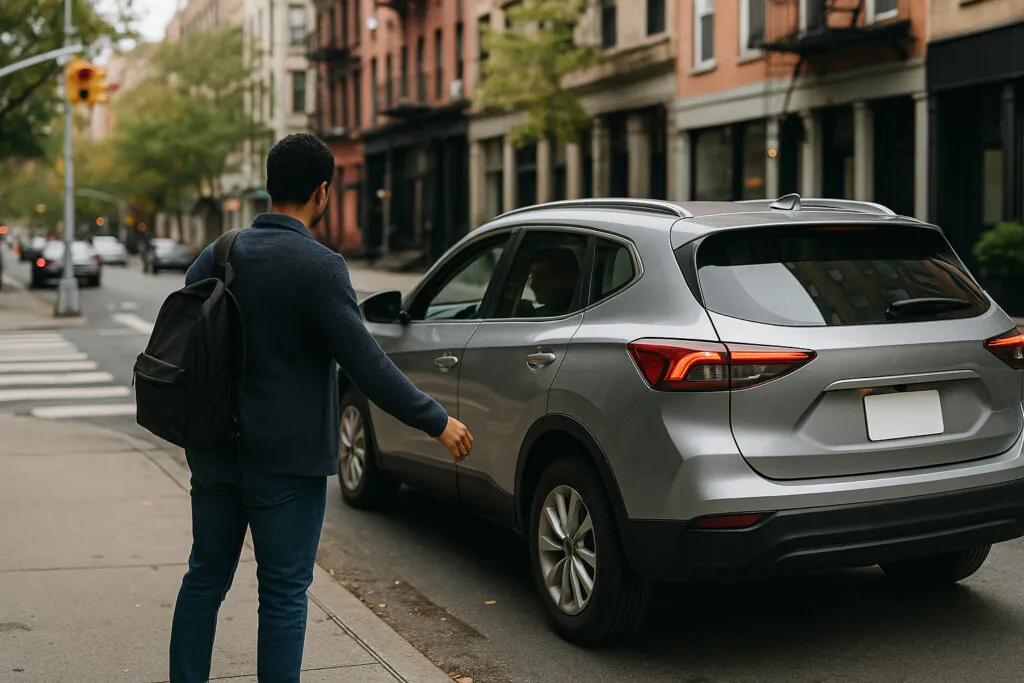
- Uber and Lyft accidents
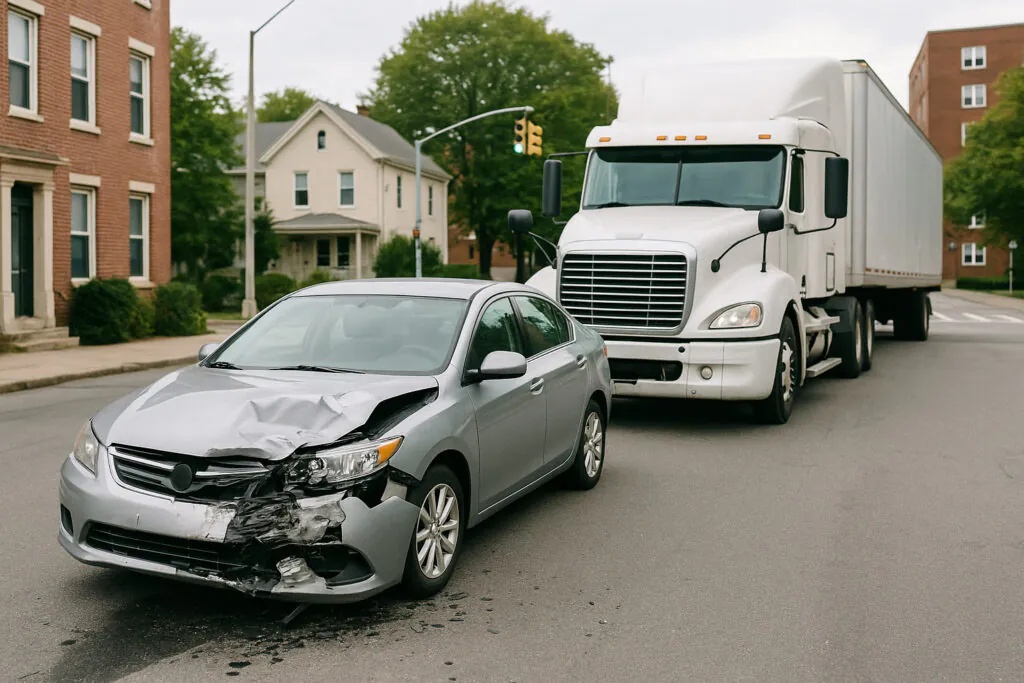
- Truck, delivery van, and other commercial vehicle collisions
- Pedestrian accidents
- Bicycle accidents
- E-bike accidents
- Bus accidents
- Crashes caused by drunk or drug-impaired drivers
- Fatal collisions and wrongful death claims
Some cases fit more than one category. A collision involving a delivery truck may require an investigation into the driver, employer, vehicle owner, maintenance company, and cargo contractor. A rideshare accident may involve different insurance coverage depending on whether the driver was waiting for a request, traveling to collect a passenger, or completing a trip.
What to Do After a Mount Vernon Car Accident
Your health comes first. Call 911 and seek medical care if you are injured, disoriented, bleeding, in significant pain, or experiencing numbness, dizziness, weakness, or other concerning symptoms.
If you can safely do so:
- Make sure the crash is reported. Ask how and when you can obtain the report number.
- Photograph the scene. Include vehicle positions, damage, debris, skid marks, signals, signs, lane markings, weather conditions, and anything blocking visibility.
- Get witness information. A name and phone number may be more useful than a promise that someone will “tell the police what happened.”
- Exchange insurance and vehicle information. Avoid arguing about fault at the scene.
- Report the accident to your own insurer promptly. New York no-fault claims have much shorter deadlines than ordinary lawsuits.
- Keep damaged property. Do not dispose of a child seat, bicycle, helmet, phone, or other item that may help explain the collision or injury.
- Be cautious with insurance calls. You may need to cooperate with your own carrier, but you do not have to help another driver’s insurer build a defense against you.
Do not delay medical care solely because you are uncertain about insurance. New York’s no-fault system is intended to provide an initial source of payment for qualifying accident-related treatment and lost income.
Evidence That Can Strengthen a Car Accident Claim
A police report is useful, but it is rarely the entire case. Depending on what happened, important evidence may include:
- 911 recordings and dispatch records
- Body-camera or police-vehicle video
- Storefront, building, parking-lot, or station surveillance
- Dashcam and rideshare application data
- Photographs of the vehicles and roadway
- Event data recorder information from the vehicles
- Witness statements
- Traffic-signal timing and maintenance records
- Roadwork permits, contracts, and inspection reports
- Cellphone records in a distracted-driving case
- Vehicle maintenance and driver records in a commercial case
- Medical imaging, operative reports, and specialist evaluations
- Pay records, tax documents, and employer statements
- Journals documenting pain, limitations, and disrupted daily activities
Some evidence may be erased, repaired, or replaced within days. A lawyer can send preservation notices, identify possible camera owners, and begin requesting public records before the scene changes.
How New York No-Fault Insurance Works
New York no-fault insurance generally provides the first layer of benefits for drivers, passengers, and pedestrians injured through the use or operation of a covered vehicle, regardless of who caused the crash.
Under Insurance Law § 5102, basic economic loss generally includes up to $50,000 per person in combined qualifying medical expenses, lost earnings, and certain necessary expenses.
The deadlines can arrive quickly. According to the New York Department of Financial Services no-fault guidance:
- Written notice of the no-fault claim is generally due within 30 days of the accident.
- Medical bills generally must be submitted within 45 days after treatment.
- Proof of lost earnings generally must be submitted within 90 days after the loss is incurred.
There may be limited grounds for excusing a late submission, but it is safer not to rely on an exception.
No-fault benefits do not necessarily compensate you for everything the crash caused. If another party was responsible and your injuries satisfy New York’s legal threshold, you may be able to pursue a separate claim for pain and suffering, future losses, and damages not covered by basic no-fault benefits.
New York’s Serious-Injury Requirement
Under Insurance Law § 5104, a covered person generally must prove a “serious injury” before recovering non-economic damages such as pain and suffering from another covered person.
The current definition includes injuries resulting in:
- Death
- Dismemberment
- Significant disfigurement
- A fracture
- Loss of a fetus
- Permanent loss of use of a body organ, member, function, or system
- Permanent consequential limitation of use of a body organ or member
- Significant limitation of use of a body function or system
A major 2026 amendment removed the former category involving a nonpermanent injury that prevented a person from performing substantially all usual activities for 90 of the first 180 days after the crash.
That change places even more importance on objective medical evidence. MRI findings, measured range-of-motion loss, surgical records, neurological testing, and a physician’s explanation of lasting limitations may determine whether a claim moves beyond no-fault.
How Long Do You Have to File a Lawsuit?
Under CPLR § 214, the general deadline for most New York personal injury lawsuits is three years from the accident.
That does not mean you should wait three years. No-fault deadlines may expire within weeks, video may be overwritten, vehicles may be repaired, and witnesses may become difficult to locate.
Different deadlines apply when a municipal agency, public authority, school district, or New York State may be responsible. In some cases, the right to bring a claim may depend on action taken within 90 days.
BILLY COOPER LAW
What If You Were Partly at Fault?
New York changed its comparative-fault rule for many motor vehicle injury cases in 2026.
Under the current CPLR § 1411, a claimant in a personal injury action subject to Article 51 of the Insurance Law is barred from recovery when the claimant’s fault is greater than the fault of the defendant or the defendants combined.
In practical terms:
- If you are found 50% or less at fault, you may still recover, but your compensation is reduced by your percentage of fault.
- If you are found more than 50% at fault, recovery may be barred.
The change applies to actions and proceedings commenced on or after May 26 2026, even when the accident occurred earlier. The New York Department of Financial Services’ 2026 motor vehicle reform guidance confirms the effective date and scope of the change.
This makes early fault investigation more important than it was before 2026. An insurer’s effort to blame you is no longer always just an attempt to reduce the claim. If the defense can move your share of fault above 50%, it may try to eliminate the claim entirely.
Who May Be Responsible for a Mount Vernon Crash?
The negligent driver is often the starting point, but not always the end of the investigation. Depending on the circumstances, responsibility may extend to:
- The owner of a vehicle driven with permission
- An employer whose employee was driving for work
- A trucking, delivery, or transportation company
- A company that negligently maintained or loaded a vehicle
- A rideshare company or applicable rideshare insurer
- A bar or business that unlawfully served an intoxicated driver
- A contractor responsible for a work zone
- A public entity responsible for a vehicle, signal, sign, or roadway
- A manufacturer of a defective vehicle or component
A complete investigation also looks for all available insurance. The at-fault driver’s policy may not be the only potential source of compensation. Commercial coverage, employer policies, umbrella insurance, and your own uninsured or underinsured motorist coverage may also matter.
Compensation After a Serious Car Accident
The damages available depend on the injuries, insurance coverage, fault, and long-term consequences of the crash.
A claim may include compensation for:
- Medical expenses not paid by no-fault
- Future medical treatment
- Lost wages and employment benefits
- Reduced future earning capacity
- Rehabilitation and therapy
- Transportation and necessary household assistance
- Pain and suffering
- Emotional distress
- Permanent physical limitations
- Loss of enjoyment of life
- Damage to your vehicle and other property
The value of a case should not be decided before the medical picture is clear. An early offer may not account for surgery, future treatment, permanent restrictions, or an inability to return to the same work.
Claims Involving Mount Vernon or Another Government Entity
A claim involving a City vehicle, public bus, traffic signal, roadway defect, or government work zone may follow a much faster schedule than an ordinary claim against a private driver.
General Municipal Law § 50-e generally requires a Notice of Claim within 90 days when the law requires notice before bringing a tort claim against a public corporation. Under General Municipal Law § 50-i, covered actions generally must be started within one year and 90 days, and additional waiting and pleading requirements apply.
Mount Vernon’s Law Department includes a Claims Unit that investigates property-damage and personal-injury claims. The City Code also designates the Corporation Counsel to keep the official record of notices served under General Municipal Law § 50-e.
A roadway-defect case may raise another issue. Mount Vernon Charter § 265 contains a prior-written-notice requirement for claims involving defects in listed public areas. This concerns whether the City received appropriate written notice of the condition before the accident. It is separate from the Notice of Claim an injured person may need to serve after the accident.
Informally calling the City, reporting a pothole after a crash, or speaking with an insurance representative is not necessarily the same as satisfying formal claim requirements. If any government entity may be involved, have the location, ownership, and deadlines reviewed immediately.
Local Courts, Medical Care, and Agencies
These are useful reference points, although the proper court, treatment facility, and records custodian depend on the circumstances.
- Mount Vernon Police Department: The Support Services Division maintains accident reports and provides information about report and FOIL procedures. The department is located at 2 Roosevelt Square.
- Mount Vernon City Court: Located at 2 Roosevelt Square North, this court hears civil claims up to $15,000. A claim seeking more than that amount would generally need to be brought elsewhere.
- Westchester County Supreme Court: Located at 111 Dr. Martin Luther King Jr. Boulevard in White Plains, Supreme Court hears higher-value civil matters. Venue depends on the parties and facts.
- Westchester Medical Center: The Valhalla campus includes the Hudson Valley’s only American College of Surgeons-verified Level I adult trauma center, while Maria Fareri Children’s Hospital provides Level I pediatric trauma care.
- Mount Vernon Department of Public Works: DPW oversees City infrastructure functions that include street maintenance, engineering, traffic controls, signs, and roadway markings.
- Mount Vernon Law Department: The Department handles City litigation, claims, and FOIL requests.
- Metro-North: Evidence involving Mount Vernon East or Mount Vernon West may need to be requested from the MTA or Metro-North rather than the City.
How Billy Cooper Law Investigates a Mount Vernon Crash
A serious case begins with identifying what must be preserved and who controls it.
Billy Cooper Law can:
- Visit or document the crash location
- Identify the road, signal, station, or property controller
- Obtain police and 911 records
- Request surveillance footage
- Interview witnesses
- Preserve damaged vehicles and electronic data
- Review insurance policies and available coverage
- Investigate an employer, contractor, or commercial vehicle owner
- Collect medical records and consult appropriate specialists
- Document wage loss and diminished earning ability
- Analyze whether the injuries meet New York’s serious-injury requirement
- Prepare the case for litigation when the insurer disputes fault or damages
The work is not limited to proving that you were hurt. It must connect the collision to the injury, explain how the injury affects your life, and address the defenses the insurance company is likely to raise.
Frequently Asked Questions
Should I speak with the other driver’s insurance company?
You should be cautious. The adjuster may request a recorded statement, broad medical authorization, or quick settlement before the full extent of your injuries is known. You can report basic information without guessing about speed, distance, fault, or your medical condition. Consider getting legal advice before providing a recorded statement.
What if I did not feel injured until the next day?
Some symptoms become more noticeable after the adrenaline of the crash subsides. Seek medical attention and explain when the symptoms began. Delayed symptoms do not automatically prevent a claim, but a long unexplained gap in treatment may give the insurer an argument that the condition was unrelated.
Can I bring a claim without a police report?
Possibly. A police report is helpful, but liability may also be established through photographs, witnesses, video, vehicle damage, medical records, and electronic data. The absence of a report makes prompt evidence collection more important.
Who pays my medical bills?
New York no-fault insurance usually provides the first source of payment for qualifying crash-related treatment. The correct insurer may depend on whether you were a driver, passenger, pedestrian, cyclist, or member of a household with an applicable policy.
What if the other driver had no insurance?
Your own uninsured motorist coverage may apply. If the other driver had insurance but not enough to cover serious injuries, supplementary uninsured or underinsured motorist coverage may provide additional protection. Coverage questions should be reviewed before any claim is settled.
How much is my car accident case worth?
It depends on fault, insurance coverage, the nature and permanence of the injuries, treatment, work loss, future care, and whether the serious-injury threshold is met. A lawyer should not value the case from a police report or initial emergency-room record alone.
What happens when I contact Billy Cooper Law?
You can explain where and how the crash happened, what treatment you have received, which insurers have contacted you, and whether any government or commercial vehicle was involved. The firm can then discuss evidence, coverage, deadlines, and possible next steps.
Related Information
- Personal Injury
- New York Car Accident Lawyer
- New York Motor Vehicle Accident Lawyer
- New York Truck and Commercial Vehicle Accident Lawyer
- New York Uber and Lyft Accident Lawyer
- New York Pedestrian Accident Lawyer
- New York Wrongful Death Lawyer
Tell Us What Happened
If you were injured in a Mount Vernon car accident, you do not have to sort through the insurance rules and deadlines alone.
Billy Cooper Law serves Mount Vernon clients from its office at 245 Main Street, Suite 510, White Plains NY 10601. Call (914) 730-5789 or contact the firm online for a free consultation.
Tell us what happened. We will listen, answer your questions, and explain your options. If a government agency, public vehicle, or roadway condition may be involved, contact the firm promptly so the shorter deadlines can be reviewed.
Sources
Billy Cooper Law
- Billy Cooper Law — Meet the Team
- Billy Cooper Law — New York Car Accident Lawyer
- Billy Cooper Law — New York Motor Vehicle Accident Lawyer
- Personal Injury
- Billy Cooper Law — Case Results
- Billy Cooper Law — Contact and Office Information
New York Law and Insurance
- New York CPLR § 214 — Personal Injury Limitations Period
- New York CPLR § 1411 — Comparative Fault
- New York Insurance Law § 5102 — No-Fault Definitions and Serious Injury
- New York Insurance Law § 5104 — Motor Vehicle Personal Injury Actions
- New York General Municipal Law § 50-e — Notice of Claim
- New York General Municipal Law § 50-i — Municipal Tort Actions
- New York Department of Financial Services — No-Fault Insurance FAQs
- New York Department of Financial Services — Motor Vehicle Insurance Reforms
- New York Department of Financial Services — Auto Insurance Information
Mount Vernon and Westchester County
- Mount Vernon Police Department — Incident Statistics
- Mount Vernon Police Department — Support Services and Accident Reports
- City of Mount Vernon — Department of Public Works
- City of Mount Vernon — Bureau of Traffic and Street Lighting
- City of Mount Vernon — Infrastructure Dashboard
- City of Mount Vernon — 2026 West Broad Street Traffic-Signal Materials
- City of Mount Vernon — Law Department and Claims Unit
- Mount Vernon Code Chapter 42 — Notices of Claim
- Mount Vernon Charter § 265 — Liability for Public-Area Defects
- MTA — Mount Vernon East Station
- MTA — Mount Vernon West Station
- New York Courts — Mount Vernon City Court
- New York Courts — Westchester County Supreme and County Court
- Westchester Medical Center — Level I Trauma Services

Get the Answers You Need
At Billy Cooper Law, every day we renew our pledge to help injured people get the justice and compensation they deserve. We have a reputation throughout New York and nationally for standing up for our clients, and we take that responsibility seriously by approaching every case with preparation, persistence, and an unwavering commitment to results.