
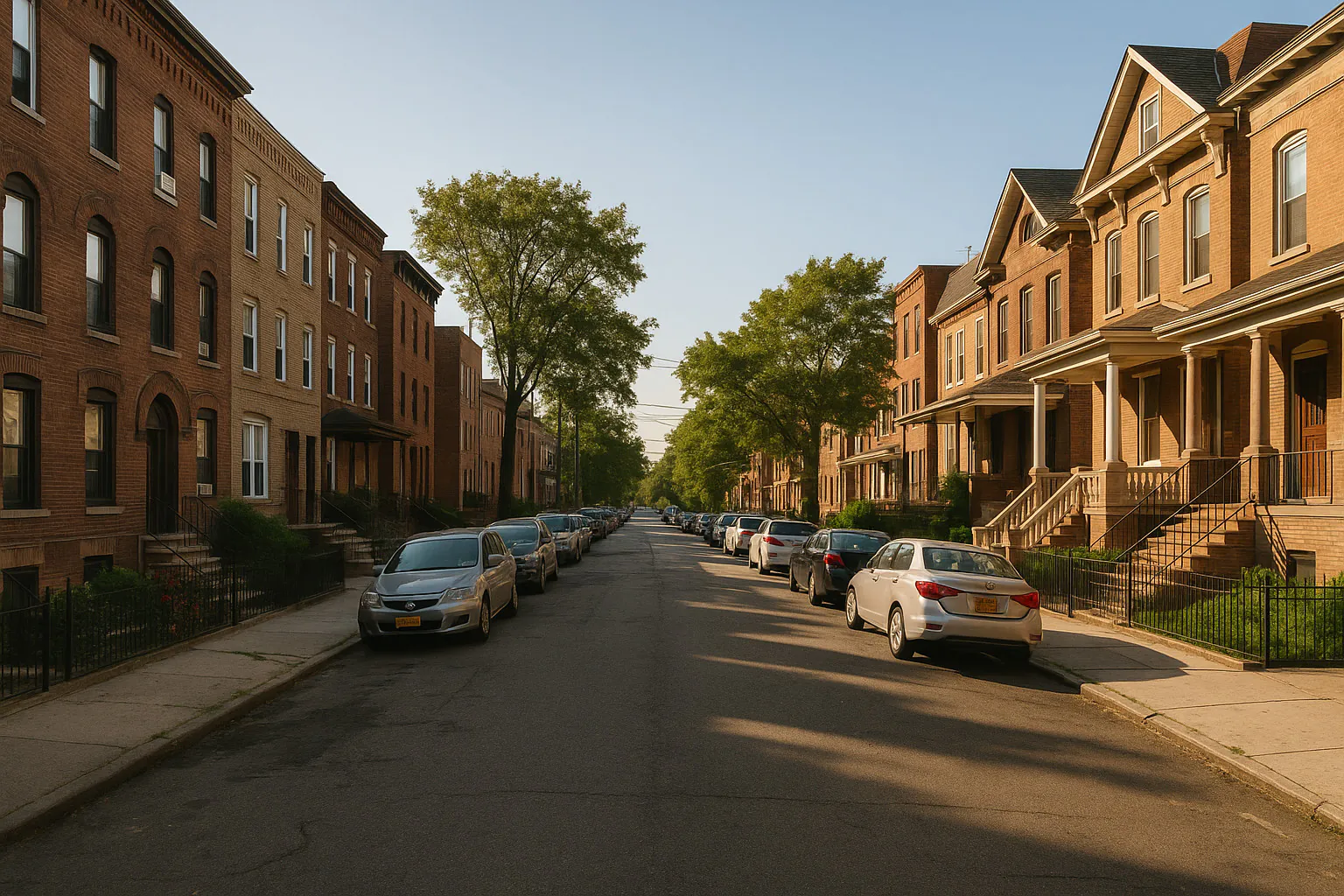
Corona NY E-Bike Accident Lawyer
An e-bike crash can leave you with serious injuries, a damaged bike, missed work, and questions about who will pay your medical bills. The situation can become even more confusing when the driver blames you, the vehicle leaves the scene, or you were making a delivery when the collision happened.
Billy Cooper Law represents injured riders in Corona NY. The firm can investigate the crash, identify the available insurance coverage, preserve evidence, and explain the deadlines that apply. You do not need to know exactly who was at fault before asking for help.
BILLY COOPER LAW

Types of Injury Cases We Handle in Corona NY
- Personal Injury
- E-Bike Accidents
- Car Accidents
- Slip and Fall
E-Bike Accident Lawyers Serving Queens County
- Queens County
- Murray Hill–Broadway Flushing
- Jamaica
- Ridgewood
- Flushing–Willets Point
- Corona
- South Ozone Park
- Forest Hills
- Jackson Heights
- Elmhurst
- Queens Village
Practical Guidance From Lawyers Who Handle Serious Injury Cases
E-bike cases require more than a police report. The lawyer handling your claim may need to examine traffic patterns, vehicle data, surveillance footage, delivery-app records, the bike itself, and the medical evidence showing how the collision changed your life.
William H. Cooper began practicing with the firm in 1991 and serves as its lead trial counsel. Billy Cooper Law reports more than 75 years of combined experience. The firm offers free consultations and handles personal injury claims on a contingency basis, meaning no legal fee is owed unless compensation is recovered. Anieska Garcia is fluent in English and Spanish, allowing clients to discuss personal medical and financial concerns directly with their legal team. (billycooperlaw.com)
Why E-Bike Crashes in Corona Require a Local Investigation
Corona places e-bike riders alongside cars, delivery trucks, buses, pedestrians, and other cyclists on streets serving homes, businesses, subway stations, and Flushing Meadows Corona Park.
The elevated 7 line has stations at Junction Boulevard, 103rd Street–Corona Plaza, and 111th Street. Around these stations, a crash investigation may need to account for turning vehicles, passengers entering or leaving cars, bus movements, pedestrian traffic, and video held by nearby storefronts or buildings. The exact intersection matters because moving only one block can change which businesses, property owners, transit facilities, and traffic controls are relevant. The MTA subway map identifies each of these Corona stations. (mta.info)
The 111th Street corridor presents different issues. NYC DOT completed a protected bicycle route along 111th Street near the park in 2017. A crash there may raise questions about turning movements, parked vehicles, bike-lane obstructions, intersection design, or the condition of the riding surface. Evidence should be collected before temporary obstructions disappear or the roadway condition changes. NYC DOT records identify the 111th Street project and its connection to Flushing Meadows Corona Park. (nyc.gov)
What the Local Crash Data Shows
The NYPD’s 110th Precinct covers Corona and Elmhurst. From January 1 through August 30, 2026, its TrafficStat report recorded:
- 1,053 reported collisions
- 443 collisions involving injuries
- 580 total injuries
- 65 injuries involving motorized two-wheel users
The “motorized two-wheeler” category includes e-bikes along with mopeds, motorcycles, stand-up scooters, and other motorized devices, so it should not be read as an e-bike-only count. Even so, it shows how frequently vulnerable riders are injured within the precinct. Review the 110th Precinct TrafficStat report. (nyc.gov)
NYC DOT’s 2024 boroughwide report separately identified 132 e-bike rider injuries in Queens. Of those, 115 occurred in crashes involving motor vehicles. Those figures reinforce why identifying the car, driver, owner, and insurer is often central to an e-bike injury claim. Review NYC DOT’s 2024 Bicycle Crash Data Report. (a860-gpp.nyc.gov)
How E-Bike Crashes Happen in Corona
Within the firm’s e-bike accident practice, recurring crash patterns include:
- A driver turning across an e-bike rider’s path
- A parked driver or passenger opening a door into the rider
- A vehicle entering or leaving a parking space without checking the bike lane
- A delivery truck or bus sideswiping a rider
- A driver pulling away from a curb or double-parked position
- A rear-end collision at a traffic light
- A crash caused by a pothole, construction plate, debris, missing barrier, or unsafe street condition
- A defective brake, throttle, wheel, frame, or other e-bike component
- A pedestrian, bicycle, moped, or second e-bike entering the rider’s path
- A hit-and-run collision
Two crashes at the same intersection can produce very different claims. One may be resolved through clear video showing an illegal turn. Another may require vehicle damage analysis, witness interviews, phone records, or an accident reconstruction because each person remembers the light differently.
What to Do After an E-Bike Crash
Your health comes first. Call 911 if you are hurt or if the crash involves a motor vehicle that leaves the scene. Do not assume that dizziness, numbness, neck pain, or difficulty concentrating will disappear without treatment.
When you are able:
- Get medical care. Tell the provider that you were injured in an e-bike crash and describe every symptom, including headaches, balance problems, memory changes, weakness, or pain that travels into an arm or leg.
- Report the collision. Ask the responding officer for the report or collision-information number. NYPD collision reports are generally available through the precinct during the first 30 days and through the New York State DMV afterward. NYPD explains how to request a collision report. (home4.nyc.gov)
- Photograph the whole scene. Include the vehicles, your bike, street signs, lane markings, traffic signals, storefronts, debris, potholes, construction plates, skid marks, and anything blocking visibility.
- Get driver and witness information. Photograph the driver’s license, insurance card, registration, license plate, and commercial vehicle markings when possible.
- Save your trip records. If you were delivering food or another item, preserve screenshots showing the order, route, pickup and delivery locations, messages, timestamps, and your status in the app.
- Do not repair or discard the bike. A damaged wheel, brake, motor, controller, or frame may help show the direction and force of the impact. Preserve the helmet, clothing, lights, delivery bag, receipt, charger, and battery as well.
- Be careful with insurance calls. Report the crash when required, but do not guess about speed, distance, fault, or injuries you do not yet understand.
Evidence That Can Decide an E-Bike Case
Video is often crucial, but it can disappear quickly. Businesses and apartment buildings may overwrite recordings within days. A lawyer can identify nearby cameras and send preservation requests before routine deletion.
Do not assume a visible NYC DOT traffic camera recorded the collision. NYC DOT states that its public traffic cameras provide live images but do not record footage. Other government records may still be requested through the City’s OpenRecords system, while private video must generally be sought directly from the owner or operator. NYC DOT explains how its traffic cameras work and how to request agency records. (nyc.gov)
Other useful evidence may include:
- Police, ambulance, and emergency-room records
- 911 calls and dispatch information
- Witness statements
- Storefront, building, vehicle, or doorbell video
- Delivery-app GPS data and order histories
- Rideshare or commercial vehicle records
- Driver phone records
- Vehicle event-data information
- Street-work permits and contractor records
- Prior complaints about a roadway condition
- The e-bike’s classification label and motor wattage
- Repair, purchase, and maintenance records
- Medical imaging and specialist reports
- Pay records, tax returns, and proof of missed deliveries or shifts
Preserve the bike exactly as it was after the crash. A repair shop should not straighten, dismantle, recharge, or dispose of it until the evidence has been documented.
New York City E-Bike Rules
A legal New York e-bike must have operable pedals, a motor under 750 watts, and fit within one of the state’s three e-bike classes. New York City permits e-bikes in bike lanes and on streets with speed limits no greater than 30 mph, but riders may not use sidewalks.
As of October 24, 2025, New York City’s operating speed limit for e-bikes is 15 mph. Riders must be at least 16. Helmets are required for Class 3 riders and people operating e-bikes for work, and they are recommended for everyone. E-bike riders must obey traffic signals and other rules applicable to cyclists. NYC DOT provides the current rules and classification chart. (nyc.gov)
A vehicle sold as an “e-bike” may actually be an e-moto, moped, or motorcycle if it exceeds the legal motor-assistance limits. That distinction can affect licensing, registration, insurance, and how the crash is evaluated. The bike’s label, motor, controller, pedals, purchase listing, and any modifications should therefore be preserved. The New York Attorney General explains the legal classifications and sales requirements. (ag.ny.gov)
A traffic violation does not automatically answer every question about fault. A driver may still be responsible for making an unsafe turn, speeding, opening a door into traffic, or failing to see a rider who was plainly visible. The rider’s conduct and the driver’s conduct must both be evaluated using the available evidence.
Who May Be Responsible?
Depending on what happened, a Corona e-bike claim may involve:
- The driver who struck the rider
- The vehicle’s owner
- A driver’s employer
- A delivery, trucking, or transportation company
- A rideshare operator or insurer
- A construction or utility contractor
- New York City or another government entity responsible for a vehicle or roadway condition
- The manufacturer or seller of a defective e-bike or component
- Another cyclist, e-bike rider, moped operator, or pedestrian
The police report may name the people involved, but it does not necessarily identify every responsible party. Commercial ownership records, employment files, contracts, permits, insurance policies, and digital records may reveal additional defendants or coverage.
Medical Bills and No-Fault Insurance
When an e-bike rider is struck by an insured motor vehicle, the striking vehicle’s no-fault insurer is often the starting point for medical-expense and lost-income benefits. New York law generally provides up to $50,000 in basic economic-loss coverage, which may include necessary medical care and part of the injured person’s lost earnings. No-fault benefits do not depend on first proving that the driver caused the collision. New York Insurance Law §§ 5102 and 5103 describe basic economic loss and entitlement to benefits. (nysenate.gov)
Deadlines arrive quickly. Written notice to the appropriate no-fault insurer is generally due within 30 days. Medical bills generally must be submitted within 45 days of treatment, and lost-earnings claims within 90 days, unless the insurer accepts a clear and reasonable justification for delay. The New York Department of Financial Services explains these filing requirements. (dfs.ny.gov)
No-fault is separate from a claim against the person who caused the crash. In a case against a covered motorist, compensation for pain and suffering generally requires proof of a “serious injury.” The current statute includes injuries such as fractures, significant disfigurement, permanent loss of use, permanent consequential limitations, and significant limitations of a body function or system. Insurance Law §§ 5102 and 5104 contain the current serious-injury and recovery rules. (nysenate.gov)
Hit-and-run, uninsured-driver, and misclassified-vehicle cases can involve different coverage paths. The sooner the vehicle, policy, household coverage, and rider’s legal status are investigated, the more options may remain available.
BILLY COOPER LAW
What If You Were Partly at Fault?
New York changed its comparative-fault law for many motor-vehicle injury cases on May 29, 2026.
For personal injury actions subject to New York’s no-fault law, a claimant may now be barred from recovering if the claimant’s share of responsibility is greater than the fault of the defendant—or greater than the combined fault of all defendants. If the claimant’s fault does not exceed that threshold, compensation may still be reduced by the claimant’s percentage of responsibility. Other negligence claims generally remain subject to proportional comparative fault. The current rule appears in CPLR § 1411. (nysenate.gov)
That change makes prompt evidence preservation especially important. The difference between being found 40% responsible and 60% responsible could determine whether an injured rider receives reduced compensation or nothing at all in a claim governed by the new rule.
Do not give up because you received a summons, entered the intersection outside the bike lane, were not wearing a helmet, or cannot remember the moments before impact. Those facts may matter, but they do not establish every party’s percentage of fault by themselves.
Compensation After a Serious E-Bike Injury
A claim may seek compensation for:
- Emergency transportation and hospital care
- Surgery, rehabilitation, and follow-up treatment
- Future medical and assistive-care needs
- Lost wages and lost delivery income
- Reduced future earning ability
- Pain and suffering
- Disability and loss of independence
- Scarring or disfigurement
- Damage to the e-bike, helmet, phone, and other property
The value of the case depends on the evidence—not simply the diagnosis. Medical records should explain the injury objectively, while employment and family evidence can show how that injury affected work, mobility, sleep, childcare, and daily activities.
Special Issues for Delivery Riders
If you were making a delivery, save the app before information disappears. Screenshot the order number, route, messages, customer information, payment, tips, and whether the app showed you as active or available.
You may have a claim against the driver who caused the collision. Depending on the working relationship and other facts, workers’ compensation or another employment-related benefit may also apply. One source of benefits does not necessarily eliminate a separate claim against a negligent driver, vehicle owner, contractor, or manufacturer.
Do not assume that being labeled an independent contractor settles the issue. Preserve your agreement, payment records, schedules, app communications, tax documents, and any instructions you received about routes or delivery practices.
Claims Involving New York City or a Public Agency
Government involvement changes the timetable.
If an unsafe street condition, public vehicle, transit vehicle, construction project, or public employee contributed to the crash, a formal notice of claim may be required within 90 days. Actions against a municipality are also generally subject to a one-year-and-90-day filing period rather than the ordinary three-year negligence deadline. General Municipal Law §§ 50-e and 50-i contain these requirements. (nysenate.gov)
The responsible organization is not always obvious. NYC DOT, another city agency, a transit authority, a utility company, or a private contractor may control different parts of the same location. Photographs of signs, barriers, vehicles, equipment, uniforms, and permit numbers can help identify the correct parties.
Other Deadlines
Most New York negligence-based personal injury lawsuits must be started within three years. That general rule should never be treated as permission to wait. Video may be overwritten, witnesses may move, app records may become harder to retrieve, and shorter insurance or government deadlines may expire first. CPLR § 214 provides the general three-year period. (nysenate.gov)
The applicable deadline may depend on who caused the crash, whether a public entity was involved, when the collision occurred, the rider’s age, and which insurance coverage applies.
Local Medical, Police, and Court Resources
Call 911 for a medical emergency.
NYC Health + Hospitals/Elmhurst is located at 79-01 Broadway in Elmhurst NY 11373. It is an American College of Surgeons-verified Level I Trauma Center with access to trauma surgery, orthopedics, neurosurgery, emergency medicine, and other specialties used to treat severe crash injuries. (nychealthandhospitals.org)
The NYPD 110th Precinct, which covers Corona and Elmhurst, is located at 94-41 43rd Avenue in Elmhurst NY 11373. The precinct may provide collision reports during the initial 30-day period. (nyc.gov)
Serious civil cases arising in Queens may be heard in the Queens County Supreme Court, Civil Term. Its Jamaica courthouse is at 88-11 Sutphin Boulevard in Jamaica NY 11435. (nycourts.gov)
How Billy Cooper Law Investigates an E-Bike Crash
A focused investigation may include:
- Visiting and photographing the crash location
- Mapping the rider’s route and direction of travel
- Identifying storefront, building, transit, and vehicle cameras
- Sending preservation demands
- Obtaining the police report and available government records
- Locating witnesses
- Identifying the driver, vehicle owner, employer, and insurers
- Preserving and inspecting the e-bike and helmet
- Reviewing app, GPS, phone, and delivery records
- Determining whether the device was a legal e-bike or another vehicle class
- Examining street permits, construction activity, and prior complaints
- Consulting accident-reconstruction or engineering professionals when needed
- Documenting medical treatment, disability, lost earnings, and future needs
Billy Cooper Law’s published e-bike practice describes the firm’s use of crash evidence, medical records, witness accounts, footage, and accident-reconstruction analysis when appropriate. (billycooperlaw.com)
Frequently Asked Questions
Can I recover if I was not wearing a helmet?
Possibly. Helmet use does not determine whether a driver made an unsafe turn, opened a door into your path, or otherwise caused the crash. It may become relevant to arguments about a head injury or the rider’s conduct, particularly where helmet use was legally required. The full circumstances must be evaluated.
What if I was riding on the sidewalk or against traffic?
A defense may argue that you contributed to the collision. Under the comparative-fault law applicable to many motor-vehicle cases after May 29, 2026, your percentage of responsibility can be especially important. That does not excuse a driver’s independent negligence or make an investigation unnecessary.
Who pays my emergency-room bills?
If an insured motor vehicle struck you, its no-fault insurer may be responsible for covered medical expenses. Other possibilities can include health insurance, workers’ compensation, or special uninsured-vehicle coverage. The correct claim should be identified quickly because the no-fault notice period is generally 30 days.
What if the driver left the scene?
Call the police immediately. Write down or record everything you remember about the vehicle, including color, type, damage, plate digits, direction of travel, and commercial markings. Preserve witness information, app GPS data, nearby video, and photographs of debris or paint transfer.
Should I let a bike shop repair my e-bike?
Not yet. Photograph it, store it securely, and avoid charging or operating it. A repair could destroy evidence about the brakes, wheel, motor, controller, frame, lights, or point of impact.
What if my e-bike had been modified?
Tell your lawyer exactly what was changed. The modification may affect the device’s legal classification and the insurer’s arguments, but it does not automatically resolve whether another person caused the collision. Preserve the original components, receipts, online listings, and repair records.
How long do I have to bring a claim?
The ordinary New York negligence deadline is generally three years, but no-fault notice is usually due within 30 days and a government notice of claim may be due within 90 days. Waiting for your medical treatment to end before investigating deadlines can place the claim at risk.
What happens when I contact Billy Cooper Law?
The firm offers a free consultation. You can explain where the crash happened, how it occurred, what medical care you received, whether you were working, and what information you have about the vehicle. The firm can then discuss the evidence, possible insurance coverage, and practical next steps.
Related Information
This page addresses e-bike crashes only. For information about other accident and injury claims in the neighborhood, visit Billy Cooper Law’s Corona NY personal injury lawyers page.
Talk With a Corona NY E-Bike Accident Lawyer
If you were hurt while riding an e-bike in Corona, save the bike, preserve your app records, and get answers before giving an insurance company a detailed statement.
Call Billy Cooper Law at (718) 866-3311 or request a free consultation. Tell the firm what happened. They can explain which evidence and deadlines may matter.
Sources
- Billy Cooper Law
- Billy Cooper Law E-Bike Accident Practice
- William H. Cooper Attorney Profile
- Anieska Garcia Attorney Profile
- Billy Cooper Law Contact Information
- Corona NY Personal Injury Lawyers
- NYPD 110th Precinct
- NYPD 110th Precinct TrafficStat Report
- NYC DOT Bicycle Crash Data Report 2024
- NYC DOT Electric Bicycles and Micromobility Rules
- NYC DOT Bicycle Laws, Rules, and Regulations
- New York Attorney General E-Bike Safety and Classification Guidance
- NYC DOT 111th Street Bicycle Improvements
- MTA Subway Map
- NYC DOT Traffic Cameras
- NYC DOT Freedom of Information Law Requests
- NYC OpenRecords Portal
- NYPD Motor Vehicle Collision Reports
- New York Department of Financial Services No-Fault Insurance FAQs
- New York Insurance Law § 5102
- New York Insurance Law § 5103
- New York Insurance Law § 5104
- New York CPLR § 214
- New York CPLR § 1411
- New York General Municipal Law § 50-e
- New York General Municipal Law § 50-i
- NYC Health + Hospitals/Elmhurst
- Elmhurst Level I Trauma Center Re-Verification
- Queens County Supreme Court, Civil Term
BILLY COOPER LAW
Get the Answers You Need
At Billy Cooper Law, every day we renew our pledge to help injured people get the justice and compensation they deserve. We have a reputation throughout New York and nationally for standing up for our clients, and we take that responsibility seriously by approaching every case with preparation, persistence, and an unwavering commitment to results.