
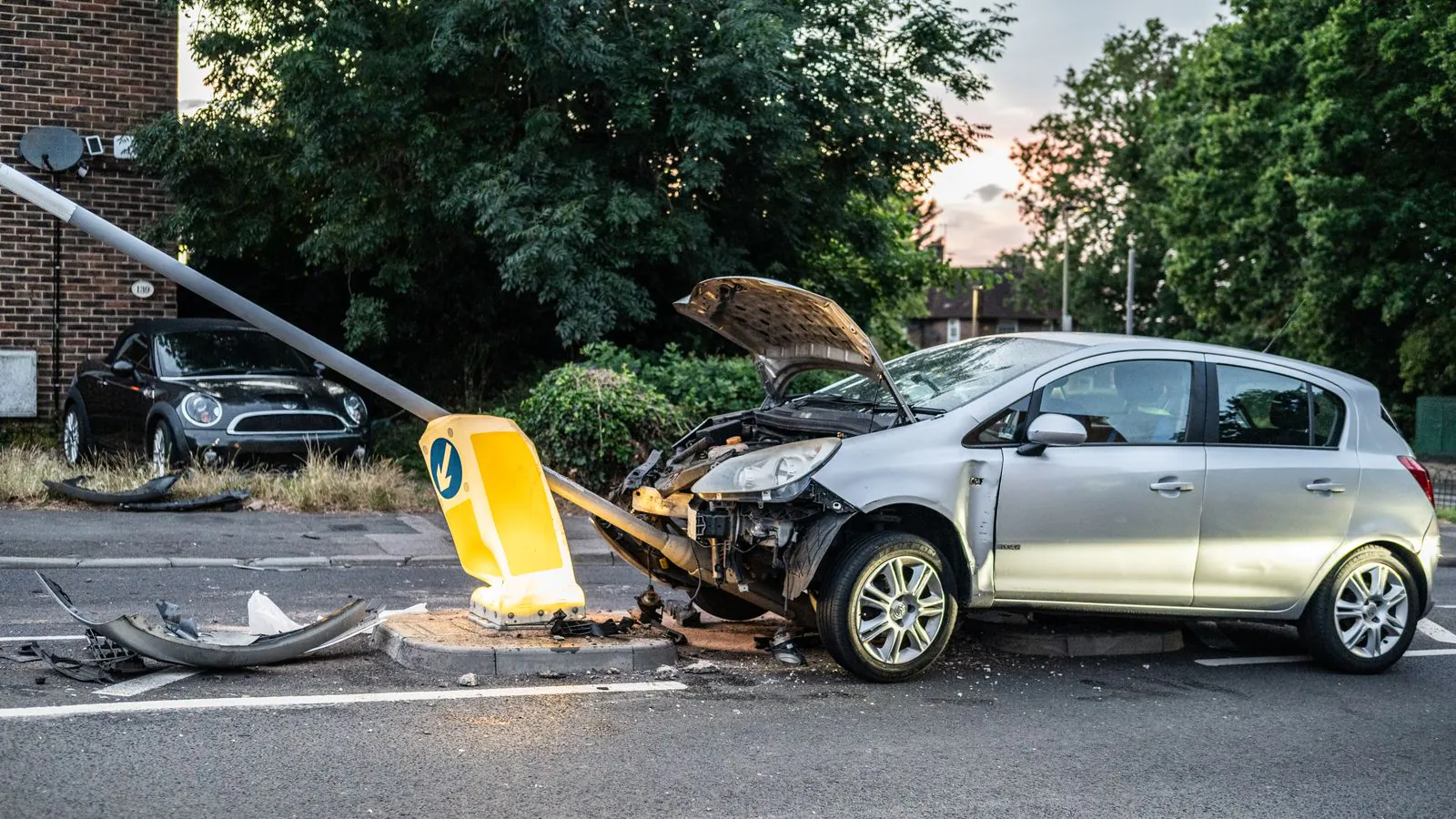

What to Do After a Car Accident in New York
After a Car Accident in New York: Start With Safety, Then Protect the Record
A crash scrambles the next hour of your life. You may be shaken, sore, and unsure whether to move your car, call police, or call your insurer first. This guide gives you the order that works in New York: safety first, then the reports and deadlines the state imposes, then the evidence and medical care that support both your no-fault claim and any injury case.
Two ideas run through everything below. New York is a no-fault state for basic medical bills and lost earnings, so your own coverage usually pays first regardless of fault, but only if you give notice on time. An injury claim against the driver who caused the crash is separate, and it is built on evidence, treatment records, and proof of fault.
At the Scene: Safety First, Call 911, and Know When Police Must Be Involved
Check yourself and your passengers first. If anyone is hurt, trapped, or complaining of head, neck, or back pain, call 911 and follow the dispatcher’s instructions. Do not move a seriously injured person unless there is immediate danger such as fire. Turn on hazard lights and, if you can do so safely, get yourself and your passengers out of moving traffic to a sidewalk or shoulder.
If no one is seriously hurt and the vehicles can be moved safely, moving them out of a travel lane can prevent a second crash. Photograph their positions first if you can do it quickly and safely, because final positions are evidence. On a highway, staying inside a disabled vehicle with seatbelts on and hazards flashing is sometimes safer than standing on the shoulder.
Call police whenever anyone is injured or killed. New York law requires immediate police notification in that situation, and leaving the scene of a crash that causes personal injury or death is a crime. Also call when the other driver leaves, refuses to exchange information, appears impaired, or lacks a license or insurance, and when damage is significant, fault is disputed, or a parked vehicle or other property is damaged and the owner cannot be found.
New York’s separate DMV report: the MV-104 and the 10-day rule
A police response does not end your reporting duties. The New York DMV’s crash-report page explains the rule under Section 605 of the Vehicle and Traffic Law: file a report if a person was injured or killed, or if damage to the property of any one person exceeds $1,000. That duty sits alongside the stop-and-exchange duties at the scene under Section 600: stop, show your license and insurance identification, and give your name, address, insurance, and license information to the injured person or property owner, or report to the nearest police station or judicial officer if that person is not present.
The report is Form MV-104, filed online through the DMV portal or by mail as the form directs, within 10 days of the crash. The DMV warns it may suspend your driving privilege until a required report is on file. Keep a copy and proof of submission. When in doubt about the $1,000 threshold, file: a bumper, a sensor, and paint can reach it quickly, and the threshold is measured per person, not by adding all vehicles together.
Exchange Information: What the Law Expects and What to Actually Collect
Stay at the scene and collect, for every driver: full name, address, and phone number; license number and state; the vehicle owner’s name and address if different from the driver; year, make, model, color, and plate for every vehicle; and the insurance company and policy number on each insurance card. Note passengers’ names if they are willing to give them.
Photograph everything instead of relying on hurried handwriting: each license, insurance card, registration, and plate. Text the photos to a family member so they exist in more than one place. If the other driver will not share information, write down the plate and vehicle description and let police handle the rest. Do not chase a fleeing vehicle.
Keep the exchange brief and factual. Do not apologize for the crash, guess about speed or fault, or agree to handle it privately without reports if anyone is hurt. If you struck a parked vehicle or unattended property and cannot find the owner, locate the owner if you reasonably can or contact police, as the DMV directs. Driving away can turn a property matter into a leaving-the-scene allegation.
Evidence to Gather in the First Hour
Scene evidence disappears fast: vehicles are towed, debris is swept, witnesses leave, and camera systems record over footage. If you are hurt, ask a passenger or family member to help, and tell your lawyer what was not captured so preservation letters can go out quickly.
Photographs and video
Take wide shots of the whole scene, vehicle positions, lane markings, signals, and signs. Take medium shots of each vehicle from all four sides, then close shots of every dent, broken light, deployed airbag, and damaged wheel. Photograph skid marks, debris, and damage to signs or rails, plus weather and road conditions: standing water, ice, gravel, potholes, or a blocked view. A short narrated video stating the time can tie the photographs together.
Witnesses, dashcam, and nearby cameras
Get names and phone numbers for anyone who saw the crash, including other drivers’ passengers, pedestrians, and people from nearby homes or businesses. Preserve your dashcam file before the card overwrites it, and note every nearby camera you spot: homes, stores, buses, and traffic systems record constantly, but retention is often measured in days. A preservation letter in the first week can be the difference between video that settles a fault dispute and video that no longer exists.
Your own written account
Before the day ends, write down where you were going, your lane and direction, what you saw, when you braked or steered, the point of impact, what was said, and which officers and providers responded. Note the accident report number if police give you one.
Get Medical Care, Even If You Feel Fine
Get checked the same day: by emergency personnel, at an emergency department or urgent care, or with your own doctor. Tell the provider you were in a car accident and report every symptom, however small: headache, dizziness, neck or back stiffness, numbness, or feeling foggy. Federal concussion guidance notes symptoms may not appear right away and may change over the first days. If danger signs develop, such as a worsening headache, repeated vomiting, slurred speech, weakness, or unusual drowsiness, seek emergency care immediately.
Treatment records become the backbone of both tracks of your case. For no-fault, they document that your injuries came from the crash and support payment of bills submitted on time. For an injury claim, they connect the crash to a diagnosis, a treatment plan, and work restrictions. A record beginning the day of the crash is hard for an insurer to dismiss; a first visit three weeks later invites the argument that you were fine or that something else intervened.
Gaps in care hurt for practical and legal reasons. Missed appointments can slow healing, and unexplained gaps give adjusters a story to tell about your claim. If you must miss a visit, reschedule and note why. Keep a folder with visit summaries, imaging, prescriptions, bills, receipts, and any work note. Be accurate and consistent with providers.
The No-Fault Clock: 30 Days for Notice, the NF-2, and 45 Days for Medical Bills
New York no-fault, also called personal injury protection, pays basic economic loss such as medical bills and part of lost earnings regardless of who caused the crash, up to the limits of the coverage that applies. It does not pay for pain and suffering, and it does not pay automatically. For a fuller explanation, read our companion guide, New York No-Fault Insurance Explained, being published with this batch.
Give written notice to the correct no-fault carrier as soon as reasonably practicable and no later than 30 days after the crash. The application is Form NF-2. The Department of Financial Services’ Regulation 68 guidance confirms the time frames: 30 days for written notice, 45 days for health care bills, and 90 days for lost-earnings claims. Which carrier is correct depends on the vehicle you occupied and priority rules for drivers, passengers, pedestrians, and household policies, so do not guess.
Providers usually submit medical bills, but you are harmed if a provider bills the wrong carrier or sends a bill late. At every appointment, confirm the office has the claim number, carrier name, and accident date, and keep copies of anything you submit with proof of the date. If a deadline is close or has passed, act the same day: a late filing can sometimes be excused for a clear and reasonable justification, but that is an argument to make with documentation, not a plan.
Insurance Calls: What to Say and What Not to Say
Notify your own insurer promptly. Your policy requires cooperation and timely notice, and your carrier is usually the source of your no-fault claim number. Give accurate basic facts: date, time, place, vehicles involved, whether police responded, and whether anyone was hurt. Correct anything wrong in the claim file as soon as you spot it.
The call from the other driver’s insurer is different. That adjuster protects that company and its insured, which includes testing whether fault can be shifted to you and whether your injuries can be described as minor or pre-existing. Confirm only the basics, do not speculate about speed, fault, or how hurt you are while the medical picture is developing, and say you are still being evaluated.
Recorded statements deserve special care. A recording made before you have seen a doctor or reviewed the police report can be quoted back for the life of the claim. It is reasonable to postpone a recorded statement to the other driver’s carrier until you have legal advice; with your own carrier, get guidance on scope first, because those duties are contractual.
Do not sign a quick release, a broad medical authorization, or a settlement draft for your injury claim in exchange for fast money. Early offers are made before the need for further treatment is known, and a signed release generally ends the claim even if surgery follows. Make sure any vehicle-damage document does not also release your injury claim. Keep a log of every insurance contact, with dates, names, claim numbers, and what was promised, and save all letters and denial notices.
Property Damage, Rentals, and Getting the Police Report
Photograph the vehicle again at the tow yard or shop, including the interior and any damaged personal property and child seats. Do not authorize repairs or dispose of the vehicle until the responsible insurer has had a fair chance to inspect it, but do not let it sit accruing storage charges while an adjuster delays. Keep tow, storage, and repair invoices and get estimates in writing.
Rental coverage depends on the policies in play. Your own policy may include rental reimbursement or the rental coverage the Department of Financial Services describes for New York liability policies, and a claim against the at-fault driver’s property-damage coverage may cover a reasonable rental period. Ask which coverage is paying, the daily and total limits, and when authorization ends, and get the answers in writing.
Get the police report as soon as it is available. The DMV refers to the police report as Form MV-104P in its insurance-information guidance, and copies are available from the responding agency or, once filed and processed, through the DMV service described on its crash-report page. Read it carefully and flag errors in names, plates, insurance codes, or the crash description promptly, because insurers rely heavily on this document. Full accident reconstruction is usually unnecessary, but it matters when fault is seriously disputed, a defect is suspected, or injuries are severe, and it depends on the vehicles and scene evidence being preserved before repairs.
Special Situations That Change the Rules
Hit-and-run crashes
Call police immediately and report the crash within 24 hours or as soon as reasonably possible. That prompt report matters for uninsured motorist protection and for a possible MVAIC claim, the state safety-net program for eligible people hurt by unidentified or uninsured drivers when no other coverage applies. Give police every detail you have and ask nearby homes and businesses to save video. MVAIC has its own notice forms and short time frames, described on MVAIC’s file-a-claim page.
Rideshare crashes: Uber and Lyft
Coverage can depend on the rideshare driver’s app status at the moment of impact. Save trip details and app screenshots, the driver’s and vehicle’s information, and any company messages. Report the crash through the app as well as to police and insurers, and do not assume the driver’s personal policy is the only coverage. See our guide to Uber and Lyft accident claims.
Government vehicles
If the other vehicle belonged to a city, county, the State, a public authority, or a contractor for one, assume a Notice of Claim may be required within 90 days. The New York Courts timetable lists 90 days to give notice in New York City and New York State matters, with a shorter suit period than the general three years. Identify the owning entity from the police report right away. See our companion guide to the statute of limitations for personal injury in New York, also being published with this batch.
Uninsured drivers and missing insurance information
If the other vehicle was uninsured, your own uninsured motorist coverage and, in narrow circumstances, MVAIC may be the path, and both reward prompt notice. If you cannot identify the other vehicle’s insurer, the DMV explains how it can search insurance information for New York-registered vehicles when you provide the crash date, vehicle year and make, and registrant name with a police report or MV-104, on its insurance-information page.
BILLY COOPER LAW
When to Get a Lawyer, and What the Firm Does in the First Weeks
You do not need a lawyer for every bent fender. Speak with one promptly when anyone is injured, you miss work, fault is disputed, the other driver fled or may be uninsured, a rideshare, commercial, or government vehicle is involved, an insurer wants a recorded statement or release, or a deadline may have been missed. Learn more on our car accident lawyer page and our overview of motor vehicle accident cases.
In the first weeks, the work is investigation and protection: obtaining the police report and video, inspecting vehicles before repairs, sending preservation letters for dashcam, business, traffic, and vehicle data, identifying every applicable policy, opening the no-fault claim with the correct carrier, and calendaring the DMV, billing, notice-of-claim, and limitations deadlines. The firm also takes over adjuster communication, so statements are accurate and made with a full medical picture.
As treatment continues, the firm gathers records and bills, documents lost earnings and out-of-pocket costs, and evaluates whether your injuries meet New York’s serious injury threshold for a claim beyond no-fault. When the medical picture is clear enough to value the case responsibly, the firm presents and negotiates the claim, and files suit within the deadline if a fair resolution is not offered. Billy Cooper Law represents injured people from 245 Main St Suite 510, White Plains, NY. If your crash just happened, call (914) 730-5789 and bring whatever you have: photographs, the report number, insurance cards, and medical papers.
Your Printable Checklist: The First Day, the First Week, the First Month
Keep this list with your accident papers and check items off as you complete them.
- Check for injuries, call 911 if anyone is hurt, and get to a safe place out of traffic.
- Call police if anyone is injured or killed, the other driver leaves or will not exchange information, or damage or fault is disputed.
- Exchange names, addresses, license, registration, plate, and insurance information, and photograph every document.
- Photograph the scene, vehicle positions, all damage, road and weather conditions, and visible injuries.
- Get witness names and phone numbers, note nearby cameras, and preserve your dashcam file.
- Get medical care the same day, report every symptom, and follow the treatment plan without gaps.
- Write down your account of the crash, the report number, and responding officers and providers.
- Notify your insurer promptly, open the no-fault claim, and note the claim number.
- Send written no-fault notice and the NF-2 within 30 days; confirm providers bill within 45 days.
- File DMV Form MV-104 within 10 days if anyone was injured or killed or property damage to any one person exceeds $1,000, and keep proof.
- Get the police report, read it for errors, and keep it with your photographs and insurance log.
- Do not give a recorded statement to the other driver’s insurer or sign any release before legal advice.
- After a hit-and-run, confirm the crash was reported within 24 hours and ask about uninsured motorist and MVAIC deadlines.
- If a government vehicle may be involved, ask a lawyer immediately about the 90-day Notice of Claim.
- Speak with a lawyer early if you were hurt, fault is disputed, or any deadline may have been missed.
These deadlines run from the date of the crash, not from when you receive a form, report, or bill. If some dates have already passed, do not wait for the next one: call and find out what can still be done.
NOTABLE RESULTS
Billy Cooper Law publishes the following results. These are motor vehicle outcomes — recoveries for people hurt in New York car and truck crashes.
$850,000 settlement · $937,500 settlement · $525,000 settlement
Read more about these results
- $850,000 settlement — Automobile collision case resulting in RSD (reflex sympathetic dystrophy) of the left lower extremity and a tear to the posterior horn of the medial meniscus. (Bronx County) Read the source account.
- $937,500 mediated settlement — Wrongful death of a 57-year-old woman after a tire assembly dismounted from a tractor-trailer and landed on a car. (Westchester County) Read the source account.
- $525,000 mediated settlement — Passenger injured when a bar improperly served alcohol to an intoxicated patron who then drove drunk, causing sternum and spine injuries. (Westchester County) Read the source account.
Read the firm’s published results
Prior results do not guarantee a similar outcome. Each case is different and must be evaluated on its own facts.
Professional Recognition

Recognition applies to the named attorneys and selection years. See the linked profiles for details.
Frequently Asked Questions About What to Do After a Car Accident in New York
The answers below are general information about New York car accident procedure, not legal advice about your specific crash. Deadlines and coverage depend on the facts, the vehicles, and the policies involved. If any deadline described here is close, contact our office at (914) 730-5789 so we can check what applies to you.
Do I have to call the police after a car accident in New York?
Call 911 right away if anyone is hurt or has died, a vehicle blocks traffic dangerously, or the other driver leaves, appears impaired, or refuses to exchange information. The DMV states that when a person is injured or killed, you must immediately notify the police, and leaving such a scene is a crime. A police response also creates an independent record while memories are fresh.
For a minor property-damage crash with no injuries, drivers sometimes handle the exchange themselves, but separate DMV and insurer reporting duties still apply. When in doubt, call. A report made at the scene is far easier to rely on later, and officers can help drivers exchange license, insurance, and registration information.
Sources: New York DMV, File a Motorist Crash Report, Billy Cooper Law, Car Accident Lawyer
How long do I have to report a crash to the DMV in New York?
Under the rule the DMV publishes under Section 605 of the Vehicle and Traffic Law, you must file a crash report if a person was injured or killed, or damage to the property of any one person exceeds $1,000. The report is Form MV-104, filed online or by mail within 10 days of the crash.
The DMV warns it may suspend your driving privilege until a required report is on file. Do not assume a police report or a call to your insurer satisfies your own MV-104 duty. File if you must, and keep proof of submission with your accident papers.
Sources: New York DMV, File a Motorist Crash Report, New York DMV, Get Insurance Information After a Crash
What information should I exchange with the other driver?
Exchange full names and contact information, driver license information, insurance company and policy information, and registration and plate information for every vehicle. The DMV describes the exchange as covering license, insurance, and registration. If the driver is not the owner, get the owner’s name and contact information too, because the owner’s policy may be involved.
Photograph the documents when it is safe, and photograph every plate and damaged vehicle. Keep the conversation short and factual. Do not debate fault at the roadside or apologize in a way that can be taken as an admission.
Sources: New York DMV, File a Motorist Crash Report, New York DMV, Get Insurance Information After a Crash
How long do I have to file a no-fault claim and the NF-2 in New York?
Written notice must be given as soon as reasonably practicable and no later than 30 days after the accident, using Form NF-2 to apply for no-fault benefits. The Department of Financial Services explains that Regulation 68 set 30 days for written notice, 45 days for health care bills, and 90 days for lost-wage claims.
Treat day 30 as a hard deadline. Send notice and the NF-2 to the correct carrier, keep proof of sending, and confirm each provider knows the claim number and the 45-day billing rule. If a deadline may have passed, explain the delay in writing at once and get legal advice, because late filings are disputed on their facts.
Sources: New York DFS, No-Fault Regulation 68 FAQs, New York DFS, Automobile Insurance FAQs
Should I see a doctor even if I feel fine after a crash?
Yes, the same day when you can. Adrenaline can mask pain, and neck, back, and head injuries can take hours or days to appear. Federal concussion guidance notes that signs and symptoms may not show up right away and may change during recovery, so a prompt examination matters even after a crash that felt minor.
The visit also creates the first record linking your symptoms to the crash, supporting both your no-fault claim and any injury case. Follow the treatment plan and attend follow-up visits. Long unexplained gaps in care give insurers an argument that you were not really hurt or that something else caused the problem.
Sources: CDC, Signs and Symptoms of Concussion, New York DFS, No-Fault Regulation 68 FAQs
Should I give a recorded statement to the other driver’s insurance company?
Be careful. You generally must cooperate with your own insurer under your policy, but the other driver’s insurer represents interests adverse to yours. Its adjuster is gathering information to evaluate, and where possible limit, what that company pays. A statement taken before you know the extent of your injuries can lock you into descriptions that are later used against you.
Give only basic facts needed to open a claim, decline to speculate about fault or injuries, and speak with a lawyer before a recorded statement or signing anything. A signed quick release usually ends an injury claim even if you later need more treatment.
Sources: New York DFS, Automobile Insurance FAQs, Billy Cooper Law, Car Accident Lawyer
What should I do if the other driver fled in a hit-and-run?
Call police immediately. For hit-and-run claims, reporting within 24 hours, or as soon as reasonably possible, matters for uninsured motorist protection and for a possible claim through the Motor Vehicle Accident Indemnification Corporation, known as MVAIC. Write down everything about the fleeing vehicle and its direction, and ask witnesses and nearby businesses to preserve video before it is recorded over.
MVAIC is a safety-net program that can provide no-fault and bodily injury coverage to eligible people hurt by unidentified or uninsured drivers when no other coverage applies. Its process requires forms including a Notice of Intention and a Household Affidavit, and deadlines are short, so get advice in the first days.
Sources: MVAIC, File a Claim, New York DMV, File a Motorist Crash Report
What is different if my crash involved an Uber or Lyft?
Rideshare crashes involve layers of insurance that depend on what the driver was doing: whether the app was on, a ride had been accepted, and a passenger was in the car. The driver’s personal policy, the rideshare company’s coverage, and your own no-fault coverage can all be in play, and each company may point to another.
Your first steps do not change: get care, report the crash, and meet the 30-day no-fault clock. Preserve the trip record and app screenshots before they disappear. A lawyer can identify which carrier should receive notice so no layer of coverage is missed.
Sources: Billy Cooper Law, Uber and Lyft Accident Lawyer, New York DFS, No-Fault Regulation 68 FAQs
What if a government vehicle or a city or state agency was involved?
Act much faster than you think you need to. Claims against New York City, New York State, and many public entities usually require a formal Notice of Claim early in the case. The New York Courts timetable lists 90 days to give notice for New York City and New York State matters, with suit then due within one year and 90 days.
Do not guess which entity is responsible. A crash can involve a city vehicle, a county vehicle, a public authority bus, or a private contractor, each with different rules. Identify the owner from the police report and have a lawyer calendar the notice deadline immediately.
Sources: New York Courts, Statute of Limitations Timetable, Billy Cooper Law, Motor Vehicle Accidents
How long do I have to bring a car accident injury case in New York, and when should I call a lawyer?
For most car accident cases, the New York Courts timetable lists three years from the date of the accident. That is not the only deadline: no-fault notice is due in 30 days, the DMV report in 10 days, and public-entity claims can require notice in 90 days, all long before a lawsuit is filed.
Call a lawyer early when anyone is hurt, fault is disputed, the other driver fled or may be uninsured, or a rideshare or government vehicle is involved. Early investigation, preservation letters for video and vehicle data, and calendaring every deadline are much harder to do months later.
Sources: New York Courts, Statute of Limitations Timetable, Billy Cooper Law, Car Accident Lawyer
BILLY COOPER LAW

Get the Answers You Need
At Billy Cooper Law, every day we renew our pledge to help injured people get the justice and compensation they deserve. We have a reputation throughout New York and nationally for standing up for our clients, and we take that responsibility seriously by approaching every case with preparation, persistence, and an unwavering commitment to results.