
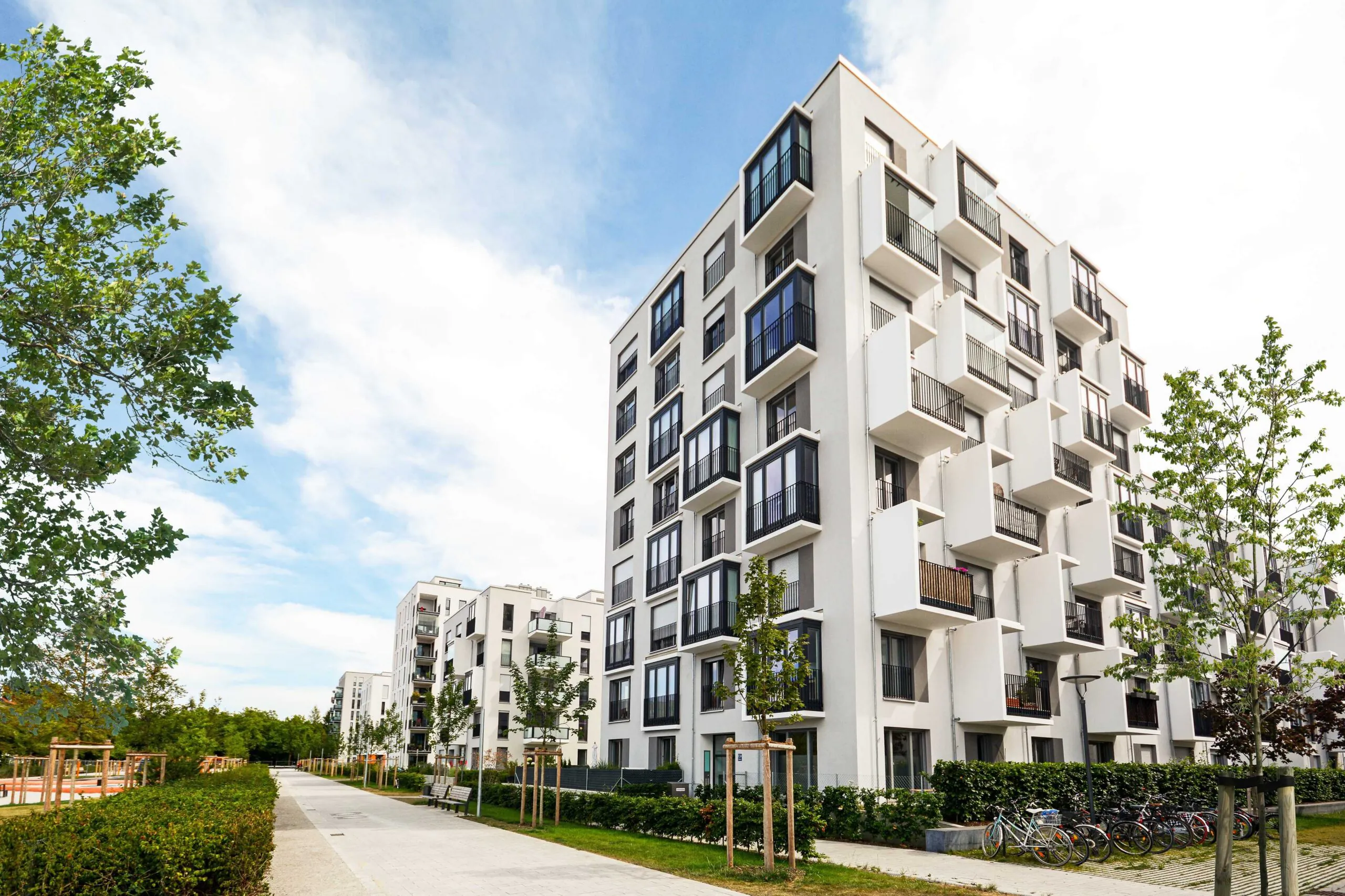
New York Residential Building Accident Lawyers
Every tenant has the legal right to live in a safe, well‑maintained residential property. Unfortunately, many rental homes and apartment buildings contain hazards that landlords fail to address, creating dangerous environments that put tenants at risk. When a landlord neglects repairs, ignores safety complaints, or violates housing code requirements, serious injuries can occur—many of which are entirely preventable.
At Billy Cooper Law, we focus on representing tenants who have been harmed by unsafe living conditions. Our firm stands up to negligent landlords and property management companies, ensuring that injured tenants understand their rights, file their claims properly, and recover the compensation they deserve. Whether your injury occurred in a hallway, stairwell, parking lot, shared laundry room, or inside your unit, you may have a valid premises liability claim.
What Is Premises Liability in Residential Properties?
Premises liability is a legal principle that holds property owners and landlords responsible when someone is injured due to unsafe conditions on the property. In residential settings, this responsibility covers both private rental units and all shared common areas. If an injury occurs because a landlord failed to repair a dangerous condition or ignored known safety hazards, the tenant may be entitled to compensation.
This area of law recognizes that tenants rely on their landlords to address structural problems, environmental hazards, and maintenance issues that they cannot fix themselves. When landlords fail to meet this legal duty and a tenant is hurt as a result, the tenant has the right to take legal action. Premises liability protects tenants, encourages safer housing, and holds property owners accountable for failing to maintain a safe environment.
A Landlord’s Legal Duty of Care
Landlords must follow specific legal standards to ensure their rental properties are safe and habitable. This duty of care includes regular inspections, timely repairs, and prompt responses to safety complaints from tenants. When landlords fall short, they may be found negligent in a civil claim. Below are key components of a landlord’s legal responsibilities.
Maintaining Structural Safety
Landlords are required to repair hazards like broken stairs, loose floorboards, malfunctioning doors, and damaged railings. Structural defects can lead to severe falls and long-term physical injuries, especially in multi-level buildings.
Eliminating Common Area Dangers
Hallways, stairwells, lobbies, parking lots, sidewalks, and shared recreational areas must be kept reasonably safe. This includes having adequate lighting, secure flooring, and protection against water accumulation or debris.
Correcting Environmental Hazards
Issues like mold, asbestos, carbon monoxide leaks, and water damage must be promptly addressed. Failure to respond can cause chronic illnesses, respiratory conditions, and neurological injuries in tenants.
Complying With Fire and Safety Regulations
Smoke detectors, carbon monoxide detectors, fire extinguishers, and emergency exits must meet local and state safety codes. If these systems fail during an emergency, the landlord may be liable for resulting harm.
Common Residential Injury Scenarios
Injuries in residential environments happen more often than many tenants realize. These incidents usually stem from hazards that were known—or should have been known—to the landlord. Below are some of the most frequent situations that lead to premises liability claims.
Slip and Fall Accidents
Slip and fall injuries are among the most common claims. Tenants may fall because of wet floors in hallways, slippery staircases, ice-covered entryways, or spills that were never cleaned up. These accidents often cause broken bones, sprains, back injuries, and head trauma.
Trip and Fall Hazards
Loose carpeting, uneven flooring, clutter in common areas, and poorly maintained walkways can all lead to severe trip and fall incidents. These hazards are especially dangerous for elderly tenants or individuals with mobility impairments.
Structural Failures
A loose staircase railing, rotting wood, collapsing steps, or improperly secured balconies can lead to catastrophic injuries. These are almost always the result of long-term neglect or poor maintenance.
Mold, Air Quality, and Environmental Exposure
Chronic exposure to black mold or poor ventilation can cause respiratory illnesses, chronic headaches, allergic reactions, and long-term health complications. Tenants often report repeated complaints before the issue is addressed.
Fire and Smoke-Related Injuries
Non-functional smoke detectors, blocked fire escapes, or outdated electrical wiring greatly increase the danger of fire-related injury. When landlords fail to meet basic fire safety requirements, they may be financially liable for resulting harm.
Injuries Sustained in Residential Premises Liability Cases
Injuries in these cases vary widely depending on the hazard, but many have long-term physical and financial consequences. Tenants involved in premises-related accidents often experience:
- Broken bones, sprains, and fractures
- Head injuries, including concussions or traumatic brain injuries
- Back, neck, and spinal cord injuries
- Respiratory illness from mold or poor ventilation
- Burns or smoke inhalation
- Cuts, bruises, and lacerations
- Emotional trauma, anxiety, or fear of returning home
These injuries may require medical treatment, rehabilitation, time off work, and support for long-term physical limitations.
Filing a Premises Liability Claim Against a Landlord
Filing a claim can feel overwhelming for tenants who are already dealing with pain and uncertainty, but the process becomes manageable with legal guidance. At Billy Cooper Law, we ensure that every step is handled correctly to give your claim the strongest possible foundation.
- Reporting the Incident
Tenants should report the injury to the landlord in writing immediately after the incident. Documenting the hazard and the circumstances is essential.
- Gathering Evidence
Photos, videos, witness statements, previous repair records, and medical documentation play a critical role in proving negligence. Our firm handles this process to ensure nothing is missed.
- Establishing Negligence
To succeed, your claim must show that the landlord knew—or reasonably should have known—about the hazard and failed to address it. We investigate maintenance logs, tenant communications, and property records to prove this element.
- Submitting the Claim and Negotiating
We file the claim with the landlord’s insurance company, negotiate a fair settlement, and take the case to court if the landlord refuses to accept responsibility. Our goal is to protect your rights and secure compensation as efficiently as possible.
Compensation Available in Tenant Injury Cases
Tenants injured due to landlord negligence may be entitled to significant financial compensation. The damages you can recover depend on the severity of your injuries and the impact on your daily life.
Medical Expenses
Compensation often covers emergency treatment, hospital stays, diagnostic tests, physical therapy, medication, and long-term medical care.
Lost Income and Reduced Earning Capacity
If your injuries prevent you from working, you may recover wages lost during your recovery. Severe injuries may also allow compensation for future lost income or diminished earning capacity.
Pain and Suffering
In addition to physical harm, tenants can recover damages for emotional distress, reduced quality of life, chronic pain, and long-term emotional trauma.
Property Damage
If your belongings were damaged (such as during a fall, fire, or leak), you may recover the cost to repair or replace them.
Out-of-Pocket Costs
Transportation, accommodations, and assistive devices may also be compensable.
How Billy Cooper Law Helps Injured Tenants
When you choose Billy Cooper Law, you gain a dedicated legal team committed to fighting for your rights and ensuring negligent landlords are held accountable.
Comprehensive Case Evaluation
We review the details of your injury, the unsafe conditions involved, and the landlord’s past conduct to determine the strength of your case.
Evidence Collection and Investigation
Our team gathers maintenance records, tenant complaints, safety reports, photos, expert testimony, and medical evidence to build a compelling claim.
Negotiation with Insurance Companies
We handle all communication with insurers, preventing them from undervaluing your claim or pressuring you into a quick settlement.
Litigation if Necessary
If negotiations fail, we are fully prepared to take your case to court. We present a strong argument supported by evidence, expert analysis, and detailed legal strategy.
No Fees Unless You Win
We work on a contingency basis. You pay nothing unless we successfully secure compensation for you.
Frequently Asked Questions
Can I sue my landlord if I was injured in a common area like a stairwell or hallway?
Yes. Common areas such as hallways, stairwells, parking lots, and shared laundry rooms are under the landlord’s control. If a hazard in one of these areas caused your injury, the landlord may be legally responsible. The key factors include whether the landlord knew or should have known about the danger and whether they failed to take reasonable steps to fix or warn tenants about the condition.
What if the landlord claims they didn’t know about the hazard?
Landlords often claim they were unaware of the problem, but this is not always a valid defense. If the hazard existed long enough that a reasonable property owner should have discovered it through routine inspections, the landlord may still be held liable. Evidence such as tenant complaints, inspection logs, or statements from neighbors can help prove constructive knowledge.
Do I need to have reported the hazard before the injury to file a claim?
While reporting the hazard beforehand strengthens your case, it is not required. Many tenants don’t notice or report issues until after they are injured. What matters is whether the landlord should reasonably have discovered the hazard. Our firm investigates property records, repair history, and building conditions to establish negligence.
How long do I have to file a premises liability claim?
Most states have a statute of limitations that gives injury victims one to three years to file a claim. Missing this deadline usually means losing your right to compensation. Because the timeline depends on your state and specific circumstances, it is crucial to contact an attorney as soon as possible to protect your rights.
What if I’m partially responsible for my injury? Can I still recover compensation?
In many states, you can still recover compensation even if you were partially responsible for the incident, as long as the landlord’s negligence contributed to your injuries. The amount you recover may be reduced by your percentage of fault, but this does not prevent you from pursuing a claim. An attorney can help ensure that fault is accurately assessed and not unfairly shifted onto you.
Contact Billy Cooper Law Today
If you have been injured due to unsafe conditions in your apartment or residential building, you do not have to handle this alone. Billy Cooper Law is here to help investigate your claim, hold negligent landlords accountable, and fight for the compensation you deserve.
Contact us today for a free consultation. Your safety matters. Your rights matter. And we are ready to stand by your side.


Putting Over 75 Years of Combined Experience on Your Side
Putting Over 75 Years of Combined Experience on Your Side
Putting Over 75 Years of Combined Experience on Your Side
Putting Over 75 Years of Combined Experience on Your Side
Putting Over 75 Years of Combined Experience on Your Side
Get the Answers You Need
At Billy Cooper Law, every day we renew our pledge to help injured people get the justice and compensation they deserve. We have a reputation throughout New York and nationally for standing up for our clients, and we take that responsibility seriously by approaching every case with preparation, persistence, and an unwavering commitment to results.