
New York Ladder Accidents Lawyer
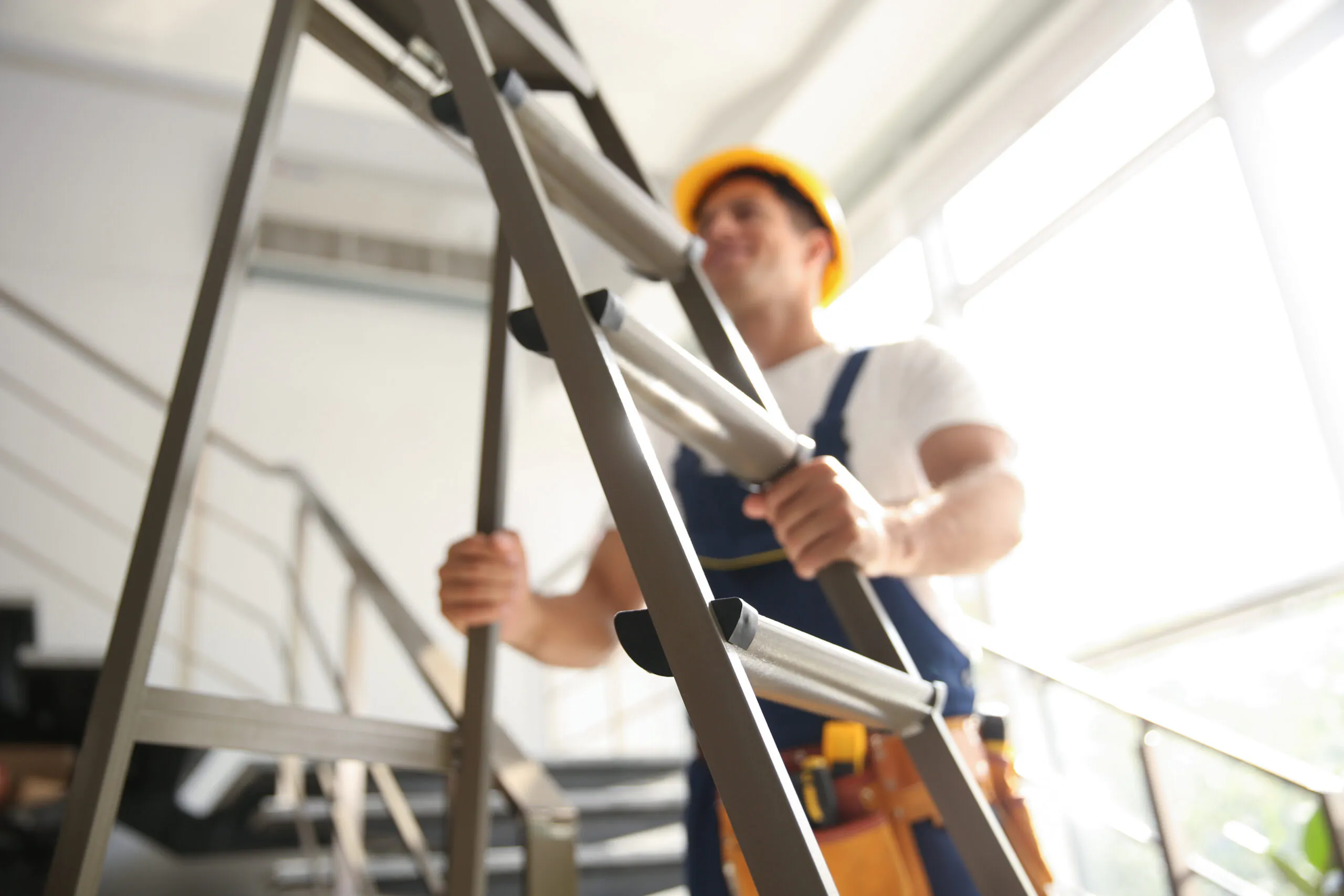
Ladder accidents on construction sites remain one of the leading causes of severe injuries and fatalities in the construction industry. These accidents often occur due to unsafe work environments, defective equipment, lack of proper training, or violations of OSHA safety regulations. For injured workers, the aftermath can feel overwhelming—physically, financially, and emotionally.
Billy Cooper Law is committed to helping injured construction workers understand their rights and pursue every possible avenue for compensation. Our firm focuses on identifying the cause of the ladder accident, determining liability, navigating workers’ compensation issues, and pursuing additional claims when negligence is involved. Our goal is to ensure that injured workers and their families are protected during one of the most difficult times of their lives.
The Legal Complexity of Construction Ladder Accidents
Ladder accidents are rarely simple incidents. They involve multiple layers of potential liability, regulatory compliance questions, and overlapping legal systems. Many workers are unsure whether their injury qualifies as a workers’ compensation case, a personal injury case, or both. Employers, contractors, and insurance companies often dispute what happened or attempt to minimize the extent of the worker’s injuries.
Construction sites typically involve numerous subcontractors, equipment suppliers, site supervisors, and property owners. Any one of these parties may have contributed to the unsafe conditions leading to a ladder fall. Determining who is legally responsible requires an in-depth investigation, knowledge of construction industry standards, and familiarity with OSHA regulations. Billy Cooper Law handles these complexities by examining accident reports, evaluating equipment failures, reviewing safety procedures, and interviewing witnesses to build a strong and compelling case.
Common Causes of Ladder Accidents on Construction Sites
Construction ladder accidents frequently result from preventable safety failures. Understanding the cause of the accident is essential to determining liability and establishing the foundation of your claim.
Improper Ladder Use
Improper ladder use includes selecting the wrong type of ladder for the job, exceeding weight limits, climbing with tools in hand, or standing on the top rung. Many ladder accidents occur because workers were never properly trained on safe ladder practices or because supervisors encouraged shortcuts to speed up work.
Unsecured or Unstable Ladders
A ladder must be placed on stable, level ground and properly secured before use. When ladders are set on uneven surfaces, slippery ground, or unsecured platforms, they can shift unexpectedly. This is one of the most common causes of sudden ladder flips or collapses.
Defective or Damaged Ladders
Construction workers often use aluminum ladders that endure heavy wear and tear. Over time, rungs may crack, spreaders may break, or rails may weaken. Employers have a responsibility to maintain equipment and remove unsafe ladders from service. When they fail to do so, workers face serious risks.
Lack of Fall Protection
OSHA requires fall protection systems when workers are exposed to certain heights. Many ladder accidents occur because proper fall arrest systems, guardrails, or safety harnesses were not provided or enforced. When fall protection is missing, employers and site supervisors may be held legally responsible.
Supervisor Negligence or Lack of Safety Training
Supervisors play an essential role in ensuring ladder safety on construction sites. When they fail to enforce safety protocols, provide training, or address known hazards, they may be liable for injuries resulting from their negligence.
OSHA Regulations and Ladder Safety Violations
OSHA establishes strict ladder safety standards that all construction sites must follow. Violations of these standards often contribute directly to ladder accidents. Evidence of an OSHA violation can significantly strengthen a legal claim and help establish negligence.
OSHA Ladder Safety Requirements
Key OSHA regulations include:
- Ensuring ladders are inspected regularly and removed from service if damaged
- Using ladders only on stable and level surfaces
- Keeping ladder surfaces free from slippery substances
- Prohibiting the use of the top step of a stepladder
- Using fall protection when necessary
- Ensuring ladders extend at least three feet above the landing surface
Common OSHA Violations on Construction Sites
Common violations that lead to ladder accidents include failing to secure ladders, using defective equipment, neglecting to provide fall protection, and allowing untrained workers to use ladders unsafely. When these violations occur, employers or other responsible parties may be held liable for the resulting injuries.
Injuries Commonly Sustained in Ladder Accidents
Ladder accidents can cause significant and often life-changing injuries. The force of falling from height, combined with the impact on hard surfaces, leads to a range of traumatic injuries.
Back and Spinal Cord Injuries
Spinal injuries can involve fractured vertebrae, herniated discs, nerve damage, or even paralysis. These injuries often require surgery, long-term physical therapy, and extensive recovery time.
Head Injuries and Traumatic Brain Injuries (TBI)
Head injuries are common due to the sudden impact of falling from a ladder. A traumatic brain injury can result in memory loss, difficulty concentrating, chronic headaches, mood changes, or permanent cognitive impairment.
Fractures and Broken Bones
Falls often lead to broken arms, legs, ribs, wrists, or ankles. Many fractures require surgery and months of rehabilitation.
Shoulder, Knee, and Joint Injuries
Ladder falls may also cause torn ligaments, dislocations, or joint damage that can severely limit mobility.
Internal Injuries
Internal bleeding, organ damage, and other internal injuries are sometimes overlooked at first but can be life-threatening without immediate treatment.
These injuries can prevent workers from returning to their job—or any job—for an extended period. That makes fair compensation essential to protecting your future.
Filing a Claim After a Ladder Accident
Filing a claim after a construction ladder accident is not always straightforward. The process depends on several factors, including who is responsible, how the injury occurred, and whether OSHA violations were involved.
Filing a Workers’ Compensation Claim
Most construction workers are covered under workers’ compensation. This no-fault system provides medical benefits and partial wage replacement. However, employers and insurers may dispute claims by arguing that the injury was not work-related, was due to worker negligence, or was preexisting. A lawyer can help ensure your paperwork is correct, deadlines are met, and your rights are protected throughout the process.
Filing a Personal Injury or Third-Party Claim
Workers’ comp does not allow injured workers to sue their employer in most cases. But you may be able to file a separate personal injury claim against:
- Subcontractors
- Equipment manufacturers
- Property owners
- General contractors
- Maintenance companies
These claims can provide compensation for pain and suffering, full lost wages, and other damages that workers’ comp does not cover.
Evaluating OSHA Violations
If the accident occurred because OSHA regulations were not followed, this can be key evidence in your case. We review inspection records, safety logs, and training documentation to determine if the employer or another party failed to comply with safety standards.
Compensation Available for Ladder Accident Victims
The amount and type of compensation you may receive depends on the severity of your injuries, the responsible parties, and the type of claim filed.
Workers’ Compensation Benefits
- Full coverage of medical bills
- Physical therapy and rehabilitation
- Partial wage replacement
- Permanent disability benefits
- Vocational retraining if you cannot return to your job
Personal Injury or Third‑Party Claim Compensation
- Full lost wages and loss of future earning capacity
- Pain and suffering
- Emotional distress
- Loss of enjoyment of life
- Full medical costs (present and future)
- Compensation for permanent disability
- Punitive damages in extreme negligence cases
Our goal is to evaluate the full value of your damages and pursue the maximum compensation available under the law.
How Billy Cooper Law Can Help
Billy Cooper Law understands both the legal and human impact of ladder accidents on construction sites. We provide comprehensive legal support designed to protect your rights, maximize your compensation, and guide you through every step of the claims process.
Our Firm Provides:
- A free, detailed case evaluation
- Thorough investigation into the accident
- Identification of all liable parties, including subcontractors or manufacturers
- Full management of your workers’ compensation claim
- Filing and litigating personal injury and third-party claims
- Collection of evidence, including OSHA reports and safety records
- Negotiating aggressively with insurance companies
- Preparing your case for trial if necessary
We take pride in providing personalized attention and treating every client with the respect they deserve. Our mission is to help you rebuild your life after a serious construction injury.
No Fee Unless We Win
You owe nothing unless we secure compensation for your case.
Frequently Asked Questions
Can I file both a workers’ compensation claim and a personal injury lawsuit?
Yes, in many ladder accident cases you can pursue both a workers’ compensation claim and a personal injury lawsuit. Workers’ comp typically covers your medical bills and partial lost wages, but if a third party—such as a subcontractor, equipment manufacturer, or property owner—was responsible for your accident, you may pursue a separate personal injury claim. This allows you to recover compensation for pain and suffering, full lost income, and long-term damages that workers’ comp does not cover.
How do I know who is responsible for my ladder accident?
Determining responsibility requires an investigation into the ladder, the worksite conditions, supervision practices, and compliance with OSHA regulations. Responsibility may fall on your employer, a site supervisor, a subcontractor, or a separate company that supplied defective equipment. Billy Cooper Law conducts a thorough investigation to identify all responsible parties and ensure they are held accountable.
What if the insurance company says I was at fault?
Insurance companies often try to shift blame onto the injured worker to reduce or deny benefits. However, workers’ compensation is a no-fault system, meaning you may still be entitled to benefits regardless of partial fault. For personal injury claims, many states follow comparative negligence rules, meaning you can still recover compensation even if you were partially responsible. A lawyer can challenge unfair fault determinations and protect your rights.
How long does a ladder accident claim take to resolve?
The timeline varies depending on whether your case involves only workers’ comp or an additional personal injury claim. Workers’ comp cases may resolve within a few months, while personal injury claims involving extensive damages or disputes can take longer. Cases with severe injuries or complex liability issues may require significant investigation. Billy Cooper Law keeps you informed and aggressively pushes for timely resolution without compromising case value.
What should I avoid doing after a ladder accident?
Avoid giving recorded statements to insurance companies before speaking with a lawyer, as these statements may be used against you. Do not downplay your injuries or return to work too soon. Also, avoid posting anything about the accident on social media, as insurance companies monitor these platforms. Instead, document the scene, follow medical advice, and contact a lawyer as soon as possible.
Contact Billy Cooper Law
If you were injured in a ladder accident on a construction site, you do not have to face the recovery process alone. Billy Cooper Law is ready to fight for your rights and help you obtain the compensation you deserve. Contact us today to schedule a free consultation.



Putting Over 75 Years of Combined Experience on Your Side
Putting Over 75 Years of Combined Experience on Your Side
Putting Over 75 Years of Combined Experience on Your Side
Putting Over 75 Years of Combined Experience on Your Side
Putting Over 75 Years of Combined Experience on Your Side
Get the Answers You Need
At Billy Cooper Law, every day we renew our pledge to help injured people get the justice and compensation they deserve. We have a reputation throughout New York and nationally for standing up for our clients, and we take that responsibility seriously by approaching every case with preparation, persistence, and an unwavering commitment to results.