
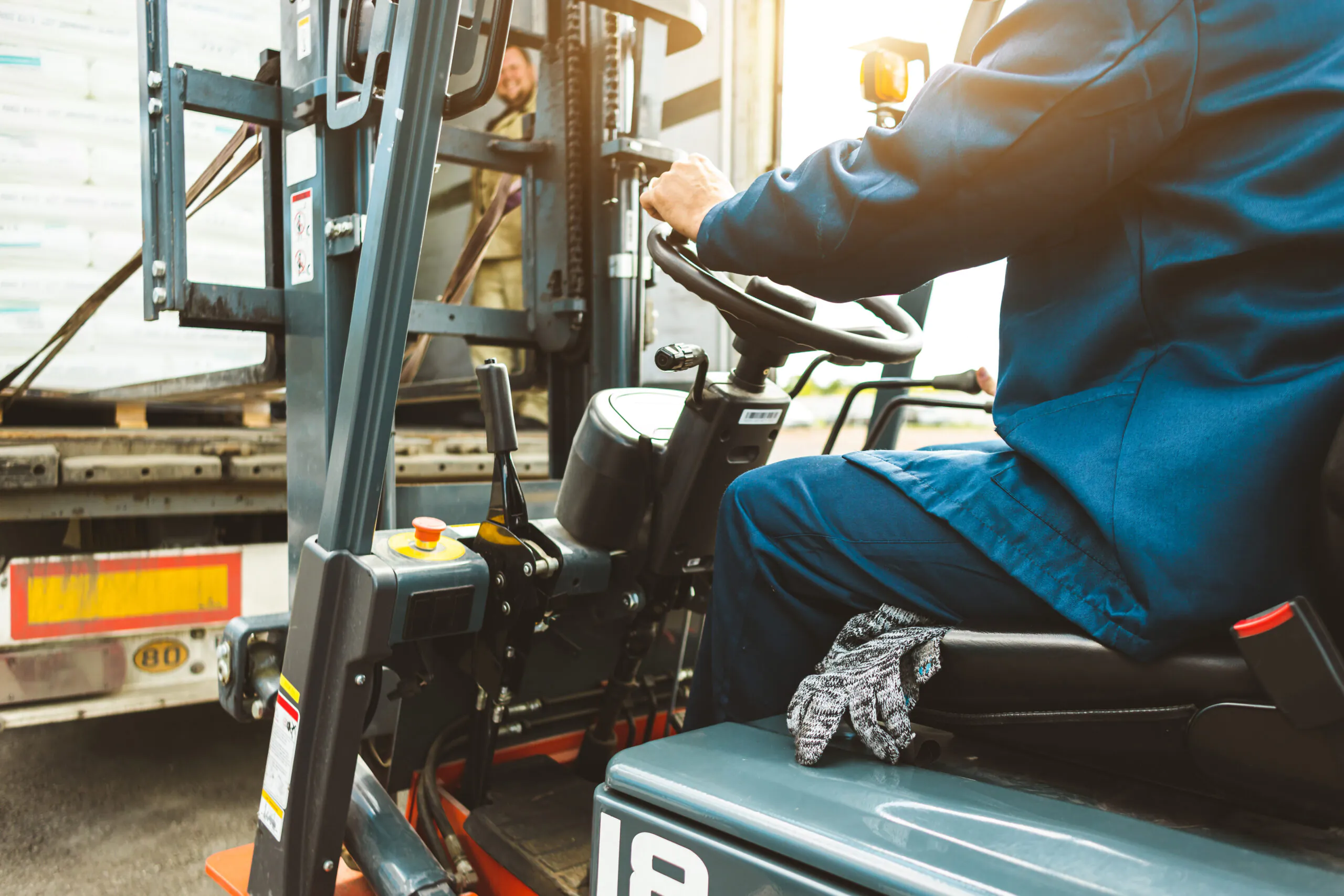
New York Forklift Accident Lawyers
Forklifts are essential tools on construction sites, helping workers move heavy materials quickly and efficiently. But when a forklift is operated improperly, poorly maintained, or used in unsafe conditions, serious accidents can occur. These incidents often lead to catastrophic injuries, long-term disability, and significant financial hardship for workers and their families. At Billy Cooper Law, we understand the devastating impact a forklift accident can have on every aspect of your life. Our mission is to help injured workers secure the compensation they need to rebuild and move forward.
Forklift accident claims often involve complex questions about OSHA compliance, site safety protocols, third-party liability, negligent supervision, and equipment failure. Our firm has extensive experience handling construction accident cases, and we are committed to holding companies, contractors, and other responsible parties accountable.
Why Forklift Accidents Happen on Construction Sites
Forklift accidents occur for a variety of reasons, many of which involve preventable safety failures. Construction sites are dynamic environments where multiple crews, machines, and operations take place simultaneously. This creates a high-risk setting in which even a minor oversight can result in serious injury.
Operator Inexperience and Inadequate Training
A significant number of forklift accidents occur because operators do not have the proper training or certification required under OSHA standards. Untrained operators may not understand load limits, turning radiuses, blind spots, or safe maneuvering procedures. Employers are required to ensure that all forklift operators are properly trained, supervised, and re-evaluated periodically. When they fail to meet these obligations, avoidable accidents occur.
Mechanical Failure and Poor Maintenance
Forklifts must be regularly inspected and serviced to operate safely. When maintenance is ignored or conducted improperly, equipment can malfunction—leading to brake failures, hydraulic issues, steering problems, or mast collapses. If a mechanical failure contributed to your injury, multiple parties may be liable, including equipment manufacturers, rental companies, and maintenance contractors.
Unsafe Job Site Conditions
Construction sites frequently contain uneven terrain, debris, poor lighting, and tight workspaces. Visibility can be obstructed, turning areas may be limited, and workers on foot may not be adequately separated from machinery. These environmental conditions often lead to struck-by accidents, tip-overs, and pinning injuries.
Violations of OSHA Forklift Safety Requirements
OSHA establishes strict standards for forklift operation on construction sites. When companies ignore these rules—such as allowing unlicensed drivers, failing to provide proper training, or operating forklifts in unsafe zones—they may be held liable for injuries. OSHA violations can significantly strengthen a negligence or third‑party claim.
Types of Forklift Accidents
Forklift accidents vary widely in severity and cause. Understanding the type of accident helps determine who may be responsible and what legal options are available.
Rollover and Tip-Over Accidents
Forklift rollovers occur when the machine is driven too fast, turned too sharply, or operated on uneven ground. These incidents often result in crushing injuries, particularly when operators or nearby workers are pinned under the forklift or struck by the overhead guard.
Pedestrian and Struck‑By Incidents
Workers on foot are at high risk of being struck by forklifts, especially when drivers have limited visibility. These accidents commonly occur when forklifts are reversing, turning blind corners, or operating in congested loading zones.
Load Drop and Falling Material Incidents
Improper stacking, overloading, or securing of loads can cause heavy materials to fall from the forklift. These accidents often cause severe head, neck, or back injuries and may result from operator error, inadequate training, or mechanical malfunction.
Pinning and Crushing Injuries
Forklifts can trap workers between walls, vehicles, or other equipment. These pinning incidents often result from limited maneuvering space, poor communication between workers, or driver inattention.
Malfunction or Equipment Defect Incidents
If the forklift malfunctioned due to a defect in design or manufacturing, you may have grounds for a product liability claim against the equipment maker or rental company.
Common Injuries Sustained in Forklift Accidents
Forklift accidents frequently cause severe and sometimes life‑altering injuries. Because of the machine’s weight, speed, and lifting capacity, victims often require extensive medical care and long-term rehabilitation.
Typical Injuries
- Fractures and broken bones
- Crush injuries to the torso, legs, arms, or pelvis
- Spinal cord damage
- Traumatic brain injuries (TBIs)
- Severe lacerations or traumatic amputations
- Internal bleeding or organ damage
- Back and neck injuries
- Shoulder, knee, or joint damage from impact or crush forces
These injuries may lead to permanent disability, chronic pain, and reduced earning capacity. Billy Cooper Law works closely with medical experts to document the full extent of your injuries and their long-term effects on your life.
Liability in Forklift Accident Cases
Determining liability in a forklift accident requires a thorough investigation of the circumstances surrounding the incident. Construction sites often involve multiple companies, contractors, and third parties, each with different responsibilities for safety and equipment operation.
Potential Liable Parties
Employers and Site Supervisors
If they failed to provide proper training, supervision, or safe working conditions, they may be at fault. While workers’ compensation generally protects employers from direct lawsuits, negligence may still play a role in determining benefits.
General Contractors and Subcontractors
These parties are often responsible for maintaining a safe work environment. If their oversight or safety procedures were inadequate, they may share liability.
Forklift Operators
Negligent operation—such as speeding, carrying unsafe loads, or failing to check blind spots—can make the operator responsible for the injury.
Equipment Manufacturers
If a defect in the forklift or its components caused the accident, a product liability lawsuit may be appropriate.
Equipment Rental or Maintenance Companies
If faulty maintenance contributed to the incident, these third parties may be liable.
Billy Cooper Law investigates every angle of your case to ensure all responsible parties are held accountable.
Filing a Forklift Accident Claim
Filing a claim after a construction-site forklift accident can be complex, especially when multiple companies or insurance carriers are involved. Acting quickly is essential because delays can weaken your case, reduce available evidence, or jeopardize your eligibility for workers’ compensation benefits.
Steps in Filing a Claim
- Report the Accident Immediately
Notify your employer or site supervisor as soon as possible. Failure to report may affect your workers’ compensation rights.
- Seek Medical Treatment
Prompt medical attention creates a clear record of your injuries and prevents complications.
- Document the Scene
Take photos of the forklift, injuries, surrounding area, and any safety hazards.
- Gather Witness Information
Witness statements can support your version of events.
- File a Workers’ Compensation Claim
Most injured workers are covered by workers’ compensation, which provides medical and wage benefits.
- Investigate Third-Party Liability
This includes claims against contractors, negligent operators, equipment companies, or manufacturers.
- Contact an Attorney
A lawyer can handle all filings, investigations, and negotiations, ensuring you don’t miss critical deadlines or legal opportunities.
Compensation Available for Forklift Accident Victims
The compensation available depends on the nature of your injuries, the circumstances of the accident, and whether third-party negligence was involved.
Workers’ Compensation Benefits
These typically include:
- Coverage for medical treatment and rehabilitation
- Partial wage replacement during recovery
- Disability benefits for long-term impairments
- Vocational retraining if you cannot return to the same job
Workers’ comp does not provide compensation for pain and suffering.
Personal Injury or Third‑Party Claims
If someone other than your employer contributed to the accident, you may be able to pursue additional compensation, including:
- Full lost wages and future earning capacity
- Pain and suffering
- Emotional distress
- Loss of enjoyment of life
- Permanent disability damages
- Punitive damages in cases of extreme negligence
Billy Cooper Law carefully assesses your case to pursue the maximum compensation available.
What To Do After a Forklift Accident
Taking the right steps after a forklift injury can protect your health and strengthen your legal claim. You should seek medical care, report the incident, document everything you can, gather witness names, avoid making statements to insurance adjusters, and contact a personal injury lawyer as soon as possible. Following these steps helps preserve evidence, ensure your rights are protected, and support a strong injury claim.
How Billy Cooper Law Can Help
Billy Cooper Law has extensive experience representing injured construction workers. Our team understands the complexities of forklift accident cases and the legal hurdles workers face when dealing with employers, contractors, and multiple insurance carriers.
Our Approach
Comprehensive Case Investigation
We examine accident reports, OSHA records, maintenance logs, employer training programs, and witness statements to uncover the truth.
Coordination with Medical and Safety Experts
We work with specialists who can provide detailed evaluations of your injuries and whether safety violations contributed.
Aggressive Negotiation with Insurance Companies
We challenge lowball offers and ensure insurers do not take advantage of you during your recovery.
Litigation When Necessary
If a fair settlement cannot be reached, we are fully prepared to take your case to trial.
Personalized Support
We explain every step, answer questions promptly, and ensure you feel supported throughout your claim.
When you choose Billy Cooper Law, you get a dedicated advocate committed to securing the compensation you deserve.
Frequently Asked Questions
Who can be held responsible for a forklift accident on a construction site?
Multiple parties may be held responsible, depending on the circumstances. In many cases, the forklift operator, the employer, a subcontractor, or the general contractor may have contributed to unsafe conditions or inadequate training. Equipment manufacturers or maintenance companies may also be liable if a defect or mechanical failure played a role. At Billy Cooper Law, we evaluate every party involved to determine who is legally responsible and how to pursue the strongest claim possible.
Can I sue if I am already receiving workers’ compensation benefits?
Yes. Workers’ compensation generally protects your employer from being sued directly, but it does not prevent you from pursuing claims against negligent third parties such as contractors, equipment manufacturers, or machinery rental companies. These third‑party claims can provide compensation for pain and suffering, full lost wages, and other damages that workers’ compensation does not cover. An attorney can help you determine whether these additional claims apply in your case.
What should I do if the forklift driver was unlicensed or untrained?
If the forklift operator lacked proper certification or training, this may indicate serious OSHA violations and employer negligence. These factors can strengthen your claim by showing that the employer failed to follow required safety protocols. You should document the incident, request copies of any training records, and contact an attorney who can obtain official records and conduct a full investigation on your behalf.
How long do I have to file a forklift accident claim?
The deadlines vary depending on the type of claim. Workers’ compensation claims often require reporting within a matter of days and filing within a short statutory window. Personal injury or third‑party claims typically must be filed within two years, though this can vary by state. It is crucial to speak with an attorney as soon as possible to avoid missing important deadlines that could prevent you from recovering compensation.
What types of compensation can I receive after a forklift accident?
You may be entitled to several forms of compensation, depending on your injuries and the type of claim you pursue. Workers’ compensation can cover medical bills, partial wage replacement, and disability benefits. Third‑party or personal injury claims can provide additional damages, including full wage recovery, pain and suffering, emotional distress, loss of enjoyment of life, and punitive damages in cases of extreme negligence. Billy Cooper Law works to ensure you receive the maximum compensation available.
Contact Billy Cooper Law for Help After a Forklift Accident
If you or a loved one has been injured in a forklift accident on a construction site, it is critical to have an experienced legal team on your side. Billy Cooper Law is committed to protecting your rights, uncovering the truth, and securing the compensation you need to move forward.
Contact us today for a free consultation. We are here to help you through every step of the process and ensure your future is protected.


Putting Over 75 Years of Combined Experience on Your Side
Putting Over 75 Years of Combined Experience on Your Side
Putting Over 75 Years of Combined Experience on Your Side
Putting Over 75 Years of Combined Experience on Your Side
Putting Over 75 Years of Combined Experience on Your Side
Get the Answers You Need
At Billy Cooper Law, every day we renew our pledge to help injured people get the justice and compensation they deserve. We have a reputation throughout New York and nationally for standing up for our clients, and we take that responsibility seriously by approaching every case with preparation, persistence, and an unwavering commitment to results.