
White Plains Construction Accident Lawyers | Billy Cooper Law
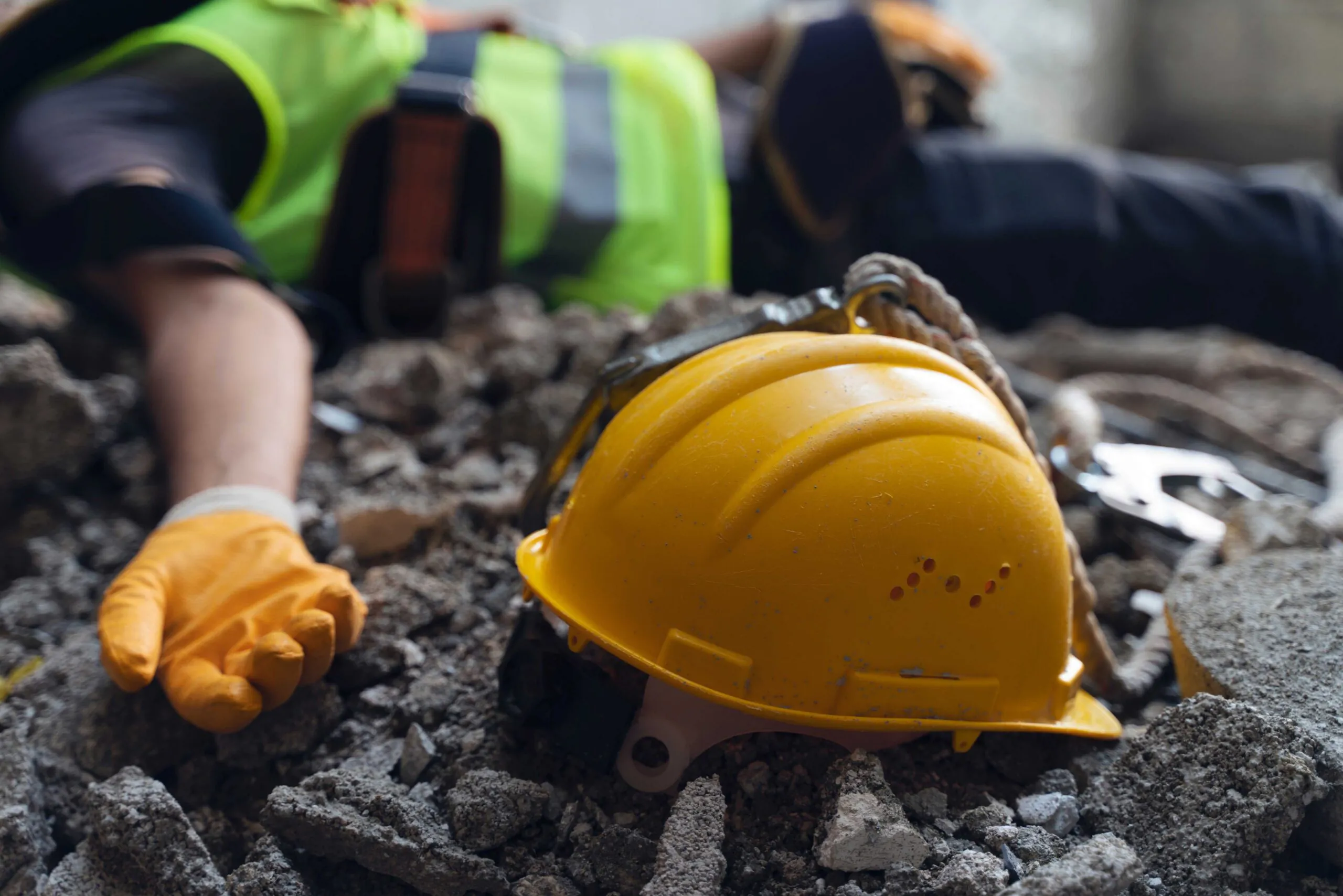
Construction sites build our cities, highways, and skylines—but they’re also some of the most dangerous workplaces in the country. One mistake, one corner cut, one unsafe condition can lead to a life-changing injury or a devastating loss.
At Billy Cooper Law, based in White Plains and serving workers throughout Westchester County, the Bronx, Rockland County, and the greater New York City area, we represent people who have been seriously hurt on construction sites. We also represent families who have lost loved ones in fatal construction accidents.
We understand the reality of these cases: serious injuries, long recoveries, confused workers’ compensation rules, and powerful companies that move fast to protect themselves. Our job is simple—protect you, your family, and your future.
Protecting Construction Workers: Legislative Foundation Meets Trial Excellence
Construction workers face unique legal protections under New York Labor Law, including Sections 240 (the “Scaffold Law”) and 241-a, which create strict liability for falls and unsafe conditions. Our firm’s understanding of workers’ rights combines founding partner Marvin A. Cooper’s legislative expertise with lead trial counsel William H. Cooper’s aggressive trial advocacy.
This generational depth allows us to navigate both workers’ compensation claims and third-party lawsuits—securing maximum compensation when construction site negligence causes catastrophic injuries or wrongful death.
Construction Accidents: Comprehensive Legal Support
Construction sites are filled with hazards: heights, heavy machinery, electricity, trenches, cranes, forklifts, welding, chemicals, and more. When safety isn’t taken seriously, workers pay the price.
Billy Cooper Law handles a wide range of construction accident cases, including:
- Falls from heights
- Scaffolding accidents
- Electrocutions
- Machinery and equipment accidents
- Struck-by accidents (falling or moving objects)
- Trench collapses
- Exposure to hazardous substances
- Crane accidents
- Forklift accidents
- Welding accidents
- Burns and explosions
Whether you’re a laborer, ironworker, electrician, carpenter, roofer, plumber, operator, or undocumented worker, you deserve a safe jobsite and a law firm that will fight relentlessly for you when something goes wrong.
Falls From Heights
Falls are one of the leading causes of death and catastrophic injury on construction sites. Workers routinely perform tasks on roofs, scaffolds, ladders, lifts, and elevated platforms—and too often, proper fall protection is missing or defective.
Common causes of falls from heights include:
- Missing or improperly installed guardrails
- Lack of fall protection (harnesses, anchor points, lifelines)
- Defective or worn safety equipment
- Unsafe ladders or makeshift platforms
- Slippery, cluttered, or poorly lit work areas
- Inadequate training or supervision
Injuries may include:
- Traumatic brain injuries (TBI)
- Spinal cord injuries and paralysis
- Multiple fractures and orthopedic injuries
- Internal organ damage
- Severe lacerations and disfigurement
- Wrongful death
Our Approach to Falls From Heights Cases
- Thorough investigation of site safety practices, OSHA compliance, and fall protection systems
- Review of contracts and policies to identify all responsible parties (GCs, subs, site safety, property owners, equipment suppliers)
- Collaboration with medical experts to understand long-term needs and future costs
- Aggressive pursuit of compensation through workers’ compensation and third-party liability claims
- Personalized, ongoing support for injured workers and their families throughout recovery
Scaffolding Accidents
Scaffolding is everywhere on construction projects—and when it’s not erected, maintained, or used properly, the results can be catastrophic.
Common causes of scaffolding accidents:
- Improper installation or assembly
- Overloading platforms beyond capacity
- Lack of guardrails, toe boards, or planking
- Deteriorated, rusted, or damaged components
- Failure to inspect and maintain scaffolds
- Workers not provided with proper fall protection
Injuries can include:
- Falls from scaffolds
- Workers struck by falling tools or materials
- Structural collapses injuring multiple workers
Our Approach to Scaffolding Accident Cases
- Comprehensive review of scaffold design, assembly records, inspection logs, and site safety plans
- Safety and engineering experts to evaluate whether standards were followed
- Pursuit of all responsible parties including contractors, scaffold companies, and property owners
- Full documentation of injuries, wage loss, and long-term disability
- Strong advocacy for settlements or trial verdicts that reflect the true impact of the injury
Electrocutions
Electricity is everywhere on construction sites—temporary power, unfinished systems, overhead lines, buried cables. When safety protocols are ignored, workers are exposed to serious risk.
Electrocution accidents may be caused by:
- Exposed or uninsulated live wiring
- Faulty or poorly maintained tools and equipment
- Failure to lockout/tagout circuits before work
- Working near overhead power lines without proper clearance
- Wet conditions combined with electrical work
- Inadequate training or supervision
Injuries may include:
- Electrical burns
- Cardiac arrest
- Neurological damage
- Muscle and nerve injuries
- Permanent disability or death
Our Approach to Electrocution Cases
- Detailed investigation of wiring, equipment, and work procedures
- Review of electrical permits, inspections, and safety documentation
- Collaboration with electrical and medical experts to prove mechanism of injury and long-term effects
- Claims against all responsible parties including contractors, property owners, equipment manufacturers, and subcontractors
- Pursuit of full compensation for medical care, lost income, disability, and pain and suffering
Machinery and Equipment Accidents
Construction sites depend on powerful machinery—excavators, compressors, saws, presses, lifts, and more. When machines fail or are misused, workers bear the impact.
Common causes of machinery accidents:
- Defective equipment or design flaws
- Lack of guarding or safety devices
- Poor maintenance or ignored repairs
- Inadequate operator training
- Bypassing or disabling safety systems
- Unsafe lockout/tagout practices
Injuries can include:
- Crush injuries
- Amputations
- Fractures and orthopedic trauma
- TBIs and spinal injuries
- Fatal injuries
Our Approach to Machinery Accident Cases
- Comprehensive investigation into the machine’s design, maintenance history, and usage
- Review of training records, safety policies, and incident reports
- Product liability analysis if a defective machine or component is involved
- Close work with medical and vocational experts to calculate lifetime losses
- Aggressive representation against employers, contractors, manufacturers, and insurers
Struck-By Accidents
Struck-by incidents occur when workers are hit by falling objects, swinging loads, moving vehicles, or flying debris. They’re one of OSHA’s “Fatal Four” for a reason.
Typical scenarios:
- Tools or materials dropped from above
- Loads swinging from cranes or hoists
- Forklifts or trucks striking workers on foot
- Collapsing structures or building elements
- Ejected parts from tools or machinery
Our Approach to Struck-By Accident Cases
- Scene investigation and evidence preservation as early as possible
- Review of material storage, hoisting, and traffic control procedures
- Analysis of site layout and visibility issues
- Documentation of physical and emotional injuries
- Strategic pursuit of claims against all responsible entities
Trench Collapses
Trenching and excavation work is extremely dangerous when not done correctly. Without proper shoring, sloping, or shielding, trenches can collapse with little warning.
Key risk factors:
- Lack of trench boxes, shoring, or protective systems
- Unstable or saturated soil conditions
- Heavy equipment operating too close to trench edges
- Inadequate inspections as conditions change
- Ignoring OSHA trenching standards
Injuries often include:
- Traumatic asphyxia
- Crush injuries and fractures
- Internal organ damage
- Brain injury from lack of oxygen
- Fatalities
Our Approach to Trench Collapse Cases
- Thorough investigation of soil conditions, designs, and safety planning
- Review of excavation permits, daily inspections, and OSHA compliance
- Engineering experts to evaluate what should have been done to prevent the collapse
- Aggressive pursuit of compensation for both workers’ comp and third-party liability
- Compassionate support to families dealing with catastrophic loss
Exposure to Hazardous Substances
Construction workers are often exposed to chemicals, dusts, and materials that can cause serious long-term health problems.
Common hazardous exposures include:
- Silica dust from cutting concrete or stone
- Asbestos in older buildings
- Lead paint and contaminated dust
- Solvents, adhesives, and industrial chemicals
- Welding fumes and toxic gases
Health consequences can include:
- Chronic respiratory disease
- Lung cancer or mesothelioma
- Neurological damage
- Skin conditions and chemical burns
- Long-term disability and reduced life expectancy
Our Approach to Hazardous Substance Exposure Cases
- Investigation of workplace conditions, safety protocols, and product usage
- Review of Material Safety Data Sheets (MSDS) and hazard communications
- Coordination with occupational medicine and toxicology experts
- Claims against employers, manufacturers, and contractors where appropriate
- Pursuit of both present and future damages in light of long-latency diseases
Crane Accidents
Crane operations demand precision and strict safety. When those break down, workers pay the price.
Common causes of crane accidents:
- Operator error or inadequate training
- Overloading or improper rigging
- Mechanical or structural failure
- Contact with power lines
- Poor communication between operators and ground crews
Our Approach to Crane Accident Cases
- Detailed review of crane inspection records, load charts, and rigging plans
- Analysis of operator certifications and training
- Engineering experts to reconstruct the failure or collapse
- Claims against crane companies, contractors, and manufacturers
- Full pursuit of damages for catastrophic injuries and wrongful death
Forklift Accidents
Forklifts are incredibly useful—and incredibly dangerous when not operated or maintained correctly.
Common forklift hazards:
- Tip-overs from improper loading or excessive speed
- Workers struck or pinned by forklifts
- Falls from elevated forklift platforms
- Mechanical failures due to poor maintenance
Our Approach to Forklift Accident Cases
- Investigation of operator conduct, training, and supervision
- Review of maintenance records and safety inspections
- Analysis of site traffic patterns and signage
- Work with medical and vocational experts to document long-term effects
- Aggressive pursuit of all available compensation
Welding Accidents
Welding combines intense heat, light, and hazardous fumes—making safety precautions non-negotiable.
Risks include:
- Severe burns
- Eye injuries (welder’s flash/arc eye)
- Respiratory damage from fumes and gases
- Fires and explosions near flammable materials
Our Approach to Welding Accident Cases
- Comprehensive review of PPE usage, ventilation, and fire prevention measures
- Inspection of welding equipment and maintenance practices
- Consultation with medical and safety experts to show causation and impact
- Claims against employers, contractors, and equipment manufacturers when warranted
- Ongoing support for workers dealing with long-term respiratory or vision issues
Burns and Explosions
Burns and explosions on construction sites are among the most traumatic events workers can experience.
Common causes:
- Faulty electrical systems
- Improper storage of fuels and flammable chemicals
- Hot work (welding, cutting, grinding) near combustible materials
- Gas leaks and pressurized systems failures
Injuries can include:
- Severe thermal burns
- Blast injuries and concussions
- Smoke inhalation and respiratory damage
- Scarring and disfigurement
Our Approach to Burn and Explosion Cases
- Thorough investigation of ignition sources, safety protocols, and equipment failures
- Collaboration with burn specialists and plastic surgeons to understand long-term needs
- Claims for both physical and emotional damages, including PTSD and disfigurement
- Support for reconstructive surgery, counseling, and long-term care
Who Can Be Held Liable In a Construction Accident?
Depending on the facts, responsible parties may include:
- General contractors and construction managers
- Subcontractors and trade contractors
- Property owners or developers
- Equipment and tool manufacturers
- Safety consultants and site supervisors
- Third-party vendors or utility companies
In many cases, injured workers have both a workers’ compensation claim and separate third-party claims that can provide significantly greater compensation. We analyze all options—every time.
Why Choose Billy Cooper Law For Your Construction Accident Case?
Extensive experience with complex construction injury litigation.
Client-centered approach that treats every worker and family with respect, time, and honesty.
Robust network of experts in construction safety, engineering, medicine, and vocational rehabilitation.
Relentless advocacy against insurance companies, large contractors, and well-funded defendants.
Future-focused strategy that accounts for lifelong medical needs, wage loss, and quality of life.
Contact Our White Plains Construction Accident Lawyers Today
If you or a loved one has been injured on a construction site, you don’t have to figure this out on your own. Time limits apply, evidence can disappear, and companies move quickly to protect themselves.
Billy Cooper Law is ready to protect you.
Contact us today for a free consultation. We’ll review what happened, explain your rights, and map out a strategy to secure the compensation and justice you deserve—so you can focus on healing and rebuilding your life.


Putting Over 75 Years of Combined Experience on Your Side
Putting Over 75 Years of Combined Experience on Your Side
Putting Over 75 Years of Combined Experience on Your Side
Putting Over 75 Years of Combined Experience on Your Side
Putting Over 75 Years of Combined Experience on Your Side
Get the Answers You Need
At Billy Cooper Law, every day we renew our pledge to help injured people get the justice and compensation they deserve. We have a reputation throughout New York and nationally for standing up for our clients, and we take that responsibility seriously by approaching every case with preparation, persistence, and an unwavering commitment to results.