
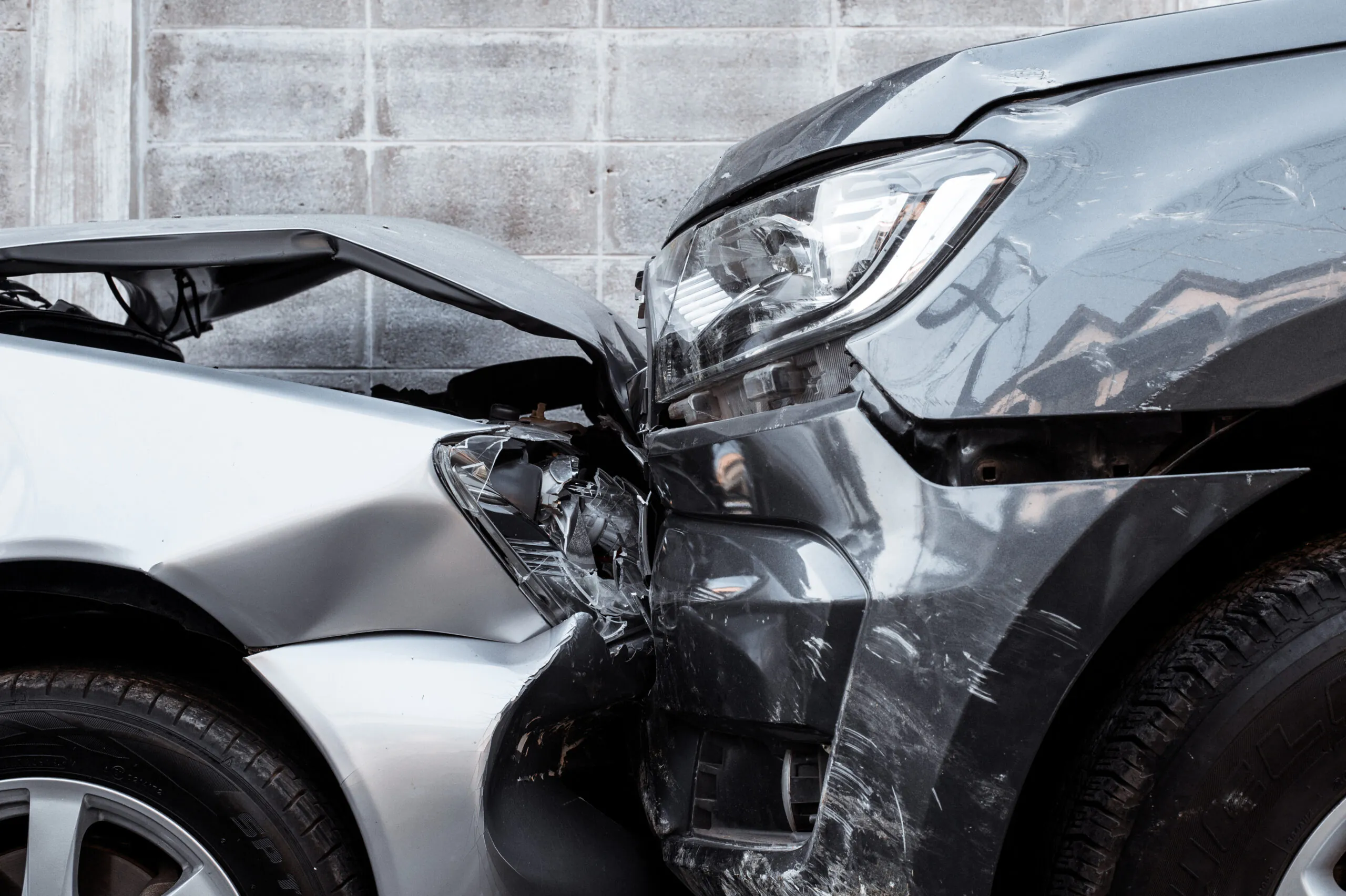


New York Motor Vehicle Accident Lawyer
Video Transcript
What every person who’s been involved in a car accident in New York State should do is document, document, document. That means make sure that you take photographs of the scene, make sure that you call the police and the police come to the scene and make out an accident report, take video, do anything and everything that you can to document what happened.
New York’s no-fault system has been around since 1976. My father actually helped draft the no-fault legislation, and it was put into place in order to make sure that people who are injured in an automobile collision are properly covered for their medical bills, and that only people who have sustained what is called a serious injury are entitled to get compensation.
The first thing that’s incredibly important to know is that no-fault means no matter whose fault the collision was, that’s why they get the term no-fault, your own insurance company of the vehicle you were in, either as a driver or passenger, pays all of your medical bills dollar for dollar. What no-fault also does, though, is it says, “In exchange for paying your medical bills, we are not going to allow everybody who’s injured in an automobile collision to get money to get compensation for their pain and suffering.” You have to have a certain threshold or level of injury to do so.
When does a case move beyond no-fault and become a lawsuit is a very important question because not everybody who’s been injured in an automobile collision in New York State is entitled to get money for their injuries. If you don’t have a serious injury, even though you did nothing wrong, you’re not allowed to bring a lawsuit. You’re not allowed to get money or compensation. So we make sure to take care of people until it gets to that point where they qualify under the definition of serious injury, they meet the threshold, and only then can we start litigation if necessary.
If you’ve been injured in a motor vehicle accident in Westchester County or elsewhere in New York, you may be entitled to compensation beyond your no-fault PIP benefits. New York’s no-fault system often provides an initial layer of medical and wage-loss coverage, but serious injury claims can move beyond that framework and allow an injured person to pursue pain and suffering and other damages under Insurance Law § 5104. Whether that happens often turns on the statutory threshold set out in Insurance Law § 5102(d).
Billy Cooper Law represents drivers, passengers, pedestrians, cyclists, and families across White Plains, Westchester County, Rockland County, the Bronx, and the greater New York metro area. The firm is led by William H. Cooper, a Super Lawyers honoree for 2024 and 2025, with more than $41 million in verdicts and settlements. The firm was founded by Marvin A. Cooper, who helped draft New York’s no-fault insurance law, giving Billy Cooper Law an unusually deep connection to the legal structure that still governs accident claims in this state.
Under CPLR § 214, most motor vehicle accident lawsuits in New York must be filed within three years of the crash. But that does not mean every deadline is three years. No-fault reporting deadlines arise much sooner, and claims involving public entities may require a Notice of Claim within 90 days under General Municipal Law § 50-e.
A motor vehicle accident can change everything in a moment. You can start the day thinking about work, school pickup, dinner plans, or a quick stop at the store, and end it in an ambulance, the emergency room, or on the phone with an insurance company already looking for ways to pay less than your case is worth.
Call (914) 730-5789 for a free consultation.

You May Have a Motor Vehicle Accident Case If
Not every crash leads to a lawsuit, but many do. You may have a motor vehicle accident case if any of the following happened:
- You were rear-ended or hit at an intersection
- A distracted, reckless, or drunk driver caused your accident
- You were a passenger in a crash and suffered injuries
- You were hit as a pedestrian or cyclist
- You were injured in an Uber or Lyft accident
- A commercial truck caused your accident
- A dangerous road condition contributed to the crash
- A loved one was killed in a fatal motor vehicle collision
Many injured people are unsure whether they have a case because they hear the phrase “no-fault” and assume that ends the analysis. It does not. In New York, the real question is often whether the injuries meet the serious injury threshold and whether a claim can move beyond PIP and into full liability litigation.
What Is Billy Cooper Law’s Track Record in Motor Vehicle Accident and Serious Injury Cases?
Results do not tell the whole story, but they do matter. They tell you whether a firm has handled serious cases, whether defendants take that firm seriously, and whether the lawyers understand how to build and value high-stakes claims.
Billy Cooper Law has recovered more than $41 million in verdicts and settlements for injured clients. That broader record includes:
- $9 million for a catastrophic burn injury in Westchester County
- $2.4 million in a wrongful death case involving a bus driver and a tractor-trailer collision
- $850,000 in a motor vehicle accident settlement involving a serious crash that resulted in substantial injuries and meaningful financial recovery
- $6 million in a severe injury case involving triplegia
- $2 million in a serious injury case involving a roof fall, included here to show the firm’s larger catastrophic injury capacity
When a defense lawyer or insurer sees a plaintiff’s firm with trial history, meaningful results, and real credibility, the posture of the case changes. Lowball tactics become riskier. Delay becomes more expensive. And the conversation starts to look a lot more serious.
What Types of Motor Vehicle Accidents Do We Handle?
Billy Cooper Law handles the full range of motor vehicle accident matters, including:
- car accident cases
- motorcycle accident claims
- e-bike accidents
- truck accident litigation
- Uber and Lyft accident cases
- drunk driving accidents
- bus accident claims
- subway and mass transit cases
- pedestrian accident claims
- bicycle accident cases
- roadway design defect claims
- highway construction negligence claims
- wrongful death claims arising from fatal crashes
That broad coverage matters because accident cases often overlap. A crash may begin as a car case and turn into a roadway defect case. A pedestrian case may also involve a government entity. A rideshare case may include no-fault issues, Transportation Law questions, and UM/UIM coverage analysis. A truck collision may involve federal regulations, multiple defendants, and corporate maintenance records.
Part of the job is identifying not only what happened, but what type of case it really is.
What Should You Do Immediately After a Motor Vehicle Accident?
The first hours after a crash can shape the entire case.
First, get medical attention. If the injuries are serious, call 911. In Westchester County, severe trauma cases often end up at Westchester Medical Center in Valhalla, the only Level I trauma center from Manhattan to Syracuse, which recorded 6,974 trauma activations in 2024. Other cases may be treated at White Plains Hospital, Northern Westchester Hospital, or, for Bronx-related crashes, sometimes Jacobi Medical Center.
Second, call the police and make sure the accident is documented. Get the report number if you can.
Third, take photos and video of:
- the vehicles
- the roadway
- skid marks
- debris
- traffic controls
- visible injuries
- weather and lighting conditions
Fourth, exchange insurance and contact information, but do not speculate about fault. Do not apologize just to be polite. Do not guess.
Fifth, get witness names and contact information if possible.
Sixth, do not give a recorded statement to an insurance adjuster before speaking with counsel.
Seventh, call a lawyer quickly. Evidence disappears. Video gets overwritten. Vehicles get repaired. Witness memories fade. Government defendants require faster notice. Commercial carriers start defending immediately.
An accident case is never stronger because someone waited.
How Does New York’s No-Fault Insurance System Work After a Motor Vehicle Accident?
New York’s no-fault system is one of the most important parts of any motor vehicle case in the state, and Billy Cooper Law has an unusual level of credibility on this topic because Marvin A. Cooper helped draft Article 51 of the New York Insurance Law in 1973.
No-fault means that after many motor vehicle accidents, injured people first look to Personal Injury Protection, or PIP, for basic medical expenses and certain lost wages, regardless of who caused the crash.
That system is designed to get some benefits flowing quickly without waiting for a full liability determination. But it does not mean the at-fault driver gets a free pass, and it does not mean every injured person is limited to PIP forever.
The right to pursue a bodily injury claim for pain and suffering depends on whether the injuries meet the threshold set by Insurance Law § 5102(d) and whether a lawsuit can proceed under Insurance Law § 5104.
That is where many people get confused. They hear “no-fault” and think they cannot sue. That is wrong. Many seriously injured people absolutely can sue. The legal question is whether the injuries qualify.
The no-fault system also interacts with other coverage questions:
- rideshare claims
- UM/UIM coverage
- commercial vehicle cases
- passenger claims
- pedestrian and cyclist cases
Understanding how those pieces fit together is not a side issue. In New York, it is the foundation of the case.
BILLY COOPER LAW
What Is the Serious Injury Threshold in New York?
The serious injury threshold under Insurance Law § 5102(d) is what allows many injured victims to move beyond basic no-fault benefits and pursue pain and suffering and other bodily injury damages under Insurance Law § 5104.
In plain English, this threshold is New York’s gatekeeper. If the injuries are minor, the case may stay inside no-fault. If they are serious enough under the statute, the claim can proceed as a full liability case.
The threshold can include categories such as:
- death
- dismemberment
- significant disfigurement
- fracture
- loss of a fetus
- permanent loss of use of a body organ, member, function or system
- permanent consequential limitation of use of a body organ or member
- significant limitation of use of a body function or system
This is not just an abstract legal standard. It is the real dividing line between a claim that stays small and a claim that can reflect the true harm done.
And it matters across accident types. A catastrophic burn case may reflect permanent disfigurement and severe life impact. A triplegia case plainly reflects profound limitation and permanent loss. A fractured spine, surgical injury, disfiguring facial trauma, or long-term neurological impairment may also qualify.
The threshold is one of the first things a serious accident lawyer evaluates, because it shapes everything that follows.
How Long Do You Have to File a Motor Vehicle Accident Lawsuit in New York?
The general statute of limitations for most motor vehicle personal injury claims in New York is three years from the date of the accident under CPLR § 214.
But that is only the beginning of the timing analysis.
No-fault PIP claims generally have much earlier reporting and filing deadlines. Wait too long and the insurer may deny benefits.
Claims against government entities are even more urgent. If a city vehicle, county vehicle, transit authority, police vehicle, school bus, or another public entity may be involved, you often need a Notice of Claim within 90 days under General Municipal Law § 50-e.
That 90-day rule also matters in roadway defect cases involving public entities. If the claim is that a municipality failed to maintain a dangerous roadway, signage, shoulder, barrier, or traffic pattern, the notice issue arrives fast.
Wrongful death timelines can also differ depending on the type of claim.
So while “three years” is a useful shorthand, it is not a safe strategy. A person can lose rights long before the three-year mark if the wrong defendant is involved or if no-fault deadlines are missed.
What Role Does Comparative Negligence Play in Motor Vehicle Accidents?
New York’s comparative-fault rule split in two in 2026. Motor vehicle cases are now governed by CPLR § 1411(b).
An injured person can still recover damages when partly at fault, reduced by their percentage — but only up to 50%. Above that, CPLR § 1411(b) bars recovery in a motor vehicle case entirely. New York applied a pure comparative rule to these cases for fifty years; it no longer does, and cases filed on or after May 26, 2026 are decided under the new standard regardless of when the crash happened.
For example, if total damages are $100,000 and the plaintiff is found 30% at fault, recovery becomes $70,000. But if the plaintiff’s share of fault exceeds 50%, CPLR § 1411(b) bars recovery in motor vehicle cases filed on or after May 26, 2026.
This matters because defendants almost always try to shift blame:
- “You were speeding too.”
- “You changed lanes too late.”
- “You should have seen the truck.”
- “You crossed where you shouldn’t.”
- “You were not paying attention.”
Comparative negligence is real, but it is also one of the oldest defense tools in the book. A strong case presentation is not just about proving what the defendant did wrong. It is about resisting the reflexive effort to spread fault everywhere and reduce the value of the claim.
What About Uninsured or Underinsured Motorist Coverage?
Uninsured and underinsured motorist coverage, often called UM/UIM, can be crucial in New York motor vehicle cases.
Some drivers have no insurance. Others have very little. And some catastrophic injuries are worth far more than the policy limits available from the at-fault party.
UM/UIM coverage through your own policy may help fill that gap.
That means:
- if the at-fault driver is uninsured, your own UM coverage may step in
- if the at-fault driver is underinsured, your UIM coverage may help bridge the shortfall
- in some situations, policy structure and coverage questions may matter significantly
UM/UIM does not replace PIP. It exists alongside it and serves a different purpose.
This is especially important in:
- hit-and-run cases
- rideshare disputes involving coverage gaps
- multi-vehicle cases
serious injury crashes where damages quickly outrun a basic liability policy.
Which Westchester and New York Roads Have the Most Motor Vehicle Accidents?
Westchester has specific corridors that show up again and again in serious accident cases.
I-287 / Cross Westchester Expressway is one of the biggest. It carries heavy commuter traffic, major merges, aggressive lane movement, and a constant mix of local and through traffic.
Bronx River Parkway is notorious for design limitations. Its narrow lanes and sharp curves create a very different risk profile than modern highway design.
Saw Mill River Parkway combines congestion, narrow geometry, and recurring construction-related headaches.
Hutchinson River Parkway brings narrow lanes, commuter pressure, and speed variation.
Taconic State Parkway can become especially dangerous with weather, speed, driver distraction, and roadside conditions.
I-87 / New York State Thruway and I-95 add commercial traffic, long-haul flow, and higher-speed multi-lane exposure.
At the local level, accident-prone corridors also include:
- Post Road / Route 22
- Central Avenue
- Mamaroneck Avenue
- downtown White Plains
- parts of Yonkers and New Rochelle with high pedestrian interaction
- dense corridors in Mount Vernon and Scarsdale where local driving patterns, speed, and congestion combine badly
These roads matter not only because crashes happen there, but because the crash patterns differ. Some involve high-speed rear-end chains. Others involve pedestrian strikes, truck crashes, construction-zone collisions, or weather-related loss-of-control events.
Local knowledge is not fluff. It helps lawyers understand how and why these crashes occur.
What Types of Car Accident Cases Does Billy Cooper Law Handle?
Car accident cases still make up a large share of the work in any motor vehicle practice, but “car accident” covers a wide range of crash mechanisms.
Billy Cooper Law handles cases involving:
- rear-end collisions
- T-bone crashes
- head-on collisions
- sideswipes
- lane-change crashes
- intersection failures
- red-light and stop-sign violations
- drunk and drug-impaired driving
- distracted driving
- fatigued driving
- unsafe roadway conditions contributing to the crash
The legal work in a serious car case often includes:
- police report analysis
- witness interviews
- video review
- medical record development
- proving threshold injury under Insurance Law § 5102(d)
- dealing with comparative negligence issues under CPLR § 1411
- evaluating owner liability under VTL § 388
Not every car accident case is dramatic on the surface. Some of the most valuable cases begin as routine collisions that turn out to involve permanent orthopedic injury, surgery, chronic pain, or serious functional loss.
What Types of Motorcycle, Truck, Bus, Rideshare, Bicycle, and Pedestrian Cases Does the Firm Handle?
Motorcycle cases often involve far more severe injuries because riders have less protection. The bias riders sometimes face from insurers and juries can also become part of the case strategy.
Truck cases often involve multiple liable parties, commercial maintenance records, corporate insurance, and sometimes federal safety rules and driver data.
Bus and transit cases may involve municipal or commercial defendants, faster notice rules, and large institutional defense teams.
Rideshare cases bring a separate layer of insurance analysis, including Transportation Law § 305-d and the tiered Uber/Lyft coverage framework.
Pedestrian and bicycle cases often produce the most severe physical injuries because the victim has almost no physical protection at all.
Road design and construction cases may involve public entity liability, government notice rules, and expert engineering testimony.
Why Choose Billy Cooper Law for Your Motor Vehicle Accident Case?
There are plenty of firms that say they handle accident cases. That is not the same thing as handling them well.
Billy Cooper Law has several real differentiators.
First, there is the firm history. Marvin A. Cooper helped draft New York’s no-fault law. That is not a marketing slogan another firm can borrow. It is a real and unusual connection to the structure that still governs New York accident cases today.
Second, there is the trial and results profile. William H. Cooper is a Super Lawyers honoree for 2024 and 2025 and has helped secure more than $41 million in verdicts and settlements. The firm’s portfolio includes serious injury, wrongful death, and catastrophic cases, not just soft-tissue settlements.
Third, there is bilingual accessibility. Anieska J. Garcia serves English- and Spanish-speaking clients, which matters in a county as diverse as Westchester.
Fourth, there is local grounding. The office is located at 245 Main Street, Suite 510, White Plains, NY 10601, and the practice is built around the roads, courts, hospitals, and insurers that shape this region’s accident litigation.
Fifth, there is the fee structure. Cases are handled on a contingency basis. There is no fee unless the firm recovers.
And for urgent cases, the firm should be treated as available 24/7, because the first day after a crash is often when the most important evidence decisions get made.
Related Practice Areas
Billy Cooper Law represents injury victims across Westchester County in a wide range of practice areas. Learn more about how we can help:
- White Plains personal injury lawyer
- car accident lawyer in White Plains
- commercial truck accident attorney in Westchester
- Uber and Lyft accident lawyer
- wrongful death claims from fatal vehicle accidents
Frequently Asked Questions
These answers address common motor vehicle accidents questions under New York law. The facts and applicable rules can change the answer. This is general information, not personal legal or medical advice.
Who pays my medical bills after a New York car accident?
For an eligible driver or passenger, the vehicle’s no-fault insurer is generally the first place to submit a claim for covered medical expenses and certain economic losses. Basic no-fault coverage is generally $50,000 per person in combined covered losses, not $50,000 separately for every category.
Written notice is generally required within 30 days, subject to the regulation’s justification exception. Keep the claim number, bills, and proof of submission. Additional coverage, health insurance, or a claim against a responsible party may become relevant, but each has its own conditions.
Sources: NY DFS: Consumer questions about no-fault insurance; NY Insurance Law §5102: no-fault and serious-injury definitions.
Can neck pain or a headache start after I leave the crash scene?
Yes. Some symptoms develop later, and delayed onset alone does not tell you whether an injury is minor or serious. Ask a clinician about new symptoms. A worsening headache, repeated vomiting, seizures, weakness, marked confusion, or difficulty waking calls for urgent emergency evaluation.
Research on whiplash prognosis shows that recovery is influenced by multiple factors; it does not provide a reliable recovery date for one person. Give an accurate history, follow individualized advice, and retain records of symptoms and functional limitations.
Sources: CDC: Concussion symptoms and emergency warning signs; Sarrami et al., Journal of Orthopaedics and Traumatology: whiplash prognosis meta-review.
When can I seek pain and suffering damages after a car accident?
In a claim subject to New York Insurance Law Article 51, recovery for non-economic loss generally requires a statutory serious injury. Current categories include fractures, significant disfigurement, and certain permanent or significant functional limitations, among others.
A medical label alone may not establish the applicable category or its relationship to the crash. The statutory text changed in 2026, so older internet checklists may be outdated. Have the governing version, the lawsuit’s commencement date, and the medical evidence reviewed rather than relying on a generic checklist.
Sources: NY Insurance Law §5102: no-fault and serious-injury definitions; NY Insurance Law §5104: limits on covered motor-vehicle claims; Enacted 2026 budget, Part EE: applicability of motor-vehicle changes.
Can I recover if I was partly responsible for the collision?
Possibly. Under current CPLR §1411(b), a personal-injury action subject to Insurance Law Article 51 is barred when the claimant’s fault is greater than the opposing parties’ combined fault. Otherwise, the claimant’s share can reduce damages. This is not the same as saying every New York injury claim is barred above a particular percentage.
The 2026 change applies to actions or proceedings commenced on or after May 26, 2026. Vehicle classification, the applicable statutory scheme, and the proof of fault matter. Do not assume an insurer’s initial percentage is a final legal determination.
Sources: NY CPLR §1411: comparative fault; Enacted 2026 budget, Part EE: applicability of motor-vehicle changes.
What deadlines matter besides the three-year lawsuit period?
A typical negligence lawsuit may have a three-year filing period, but insurance and public-entity requirements can come much sooner. No-fault notice is generally due within 30 days. Covered municipal claims commonly require a notice of claim within 90 days and have a shorter lawsuit period.
Keep track of separate deadlines for the correct insurer and each possible defendant. A police report, insurance claim, or settlement discussion does not necessarily satisfy a legal notice requirement or extend the time to sue.
Sources: NY CPLR §214: personal-injury filing periods; NY DFS: Consumer questions about no-fault insurance; NY General Municipal Law §50-e; NY General Municipal Law §50-i.
What if the driver was uninsured or drove away?
Potential coverage may come from an applicable uninsured-motorist policy or MVAIC, depending on eligibility and available household insurance. Neither payment nor eligibility is automatic. Preserve the license-plate information, witness contacts, photographs, and police-report details you can safely obtain.
MVAIC lists prompt reporting requirements, including a 24-hour police-report requirement and different notice periods for unidentified and identified vehicles. Seek advice immediately if any deadline may have passed. These requirements are separate from an ordinary negligence lawsuit’s filing period.
Sources: MVAIC: Eligibility and reporting deadlines; NY DFS: Consumer questions about no-fault insurance.
Do motorcycle riders receive the same no-fault benefits as car occupants?
No. New York DFS explains that motorcycle operators and passengers are excluded from no-fault benefits. A pedestrian struck by a motorcycle is treated differently. It is important to identify the actual vehicle type and the injured person’s role instead of assuming every road user has the same coverage.
A motorcycle injury claim may involve health insurance and liability or other applicable coverage. The benefits, exclusions, and legal thresholds should be checked separately. The word “bike” alone is not enough to determine whether an electric bicycle, moped, or motorcycle falls into a particular category.
Sources: NY DFS: Consumer questions about no-fault insurance; NY Insurance Law §5102: no-fault and serious-injury definitions.
Which insurance applies if an Uber or Lyft driver was involved?
What should I preserve if the crash involved a commercial vehicle?
Start with the company and vehicle identification, photographs, witness contacts, police-report information, and your medical records. Tell the lawyer about possible onboard video, electronic driving records, vehicle maintenance, or dispatch communications so preservation can be addressed promptly.
The available records depend on the vehicle, operator, and circumstances; not every commercial vehicle has the same equipment or regulatory obligations. Preserve what you possess without editing it, and do not attempt to access another party’s accounts or vehicle systems yourself.
Sources: U.S. HHS: Your medical records; NY CPLR §4111: past and future injury damages.
How do I evaluate a car-accident settlement offer?
Compare the offer with the evidence of responsibility and the documented losses, including medically supported future needs and earnings effects. No-fault benefits are not a complete valuation of the liability claim, and a lawyer cannot promise a particular amount.
Before signing, understand the release, any insurance-consent requirements, outstanding reimbursement claims, attorney fees, and expenses. An insurer’s deadline for an offer is not necessarily your legal filing deadline. Seek prompt advice while preserving all separate notice and lawsuit requirements.
Sources: NY CPLR §4111: past and future injury damages; NY DFS: Consumer questions about no-fault insurance; New York Rules of Professional Conduct, Rule 1.5: fees and expenses.
Contact Billy Cooper Law After a Motor Vehicle Accident
If you or a loved one has been injured in any kind of motor vehicle accident — car, truck, motorcycle, bus, rideshare, bicycle, pedestrian, or road-defect related — Billy Cooper Law is ready to step in.
You do not need to sort out no-fault, threshold injury, UM/UIM coverage, comparative negligence, owner liability, commercial insurance, and government notice rules on your own.
Call (914) 730-5789 for a free consultation.
Billy Cooper Law is available 24/7 for urgent accident cases.
You pay nothing unless the firm recovers for you.
¿Habla español? Llame al (914) 730-5789 para una consulta gratuita.
The scale of crashes
Serious Crashes Happen Every Day

6,000,000+
crashes annually

2,500,000
injuries/year

40,000+
deaths/year
Human error
Most Crashes Shouldn’t Happen

94% of crashes
Linked to driver error

Speeding = Factor
in ~1/3 of fatalities

Distraction
is a leading cause
Frequently Asked Question Videos

Car Accident FAQ: What counts as a serious injury in New York? | Billy Cooper Law
Car Accident FAQ: What counts as a serious injury in New York? | Billy Cooper Law
Video Transcript
What is considered a serious injury under the no-fault law? We have certain definitions or categories under the no-fault law in New York, and each person has to fit into at least one of those categories to qualify. And they include things such as a fractured or broken bone, being out of work for 90 of the first 180 days following the collision, permanent scarring, permanent disfigurement, lifetime impairment, tragically wrongful death, things of that nature. If you don’t fit into one of the defined categories, even if you’re in pain, you are not entitled to a dime of recovery in New York State. That’s why it’s incredibly important that you work with attorneys who are experienced, know the no-fault law, and understand what it means to qualify under that definition of serious injury in order to assist you as the injured person.If you have been injured in any type of car accident in the state of New York, it is incredibly important that you contact our office. You will always speak with an attorney who has experience in trying car accident cases and will know how to help you.

Car Accident FAQ: How long do you have to file a claim? | Billy Cooper Law
Car Accident FAQ: How long do you have to file a claim? | Billy Cooper Law
Video Transcript
In the state of New York, when someone is involved in a car accident, you have 3 years from the date of the collision to start a lawsuit. However, if you are involved in a collision with a municipally owned vehicle, what does that mean? That means a bus, that means a garbage truck, anything that is owned by a town, a village, the state.
Then instead of having three years, you only have 90 days to file something called a notice of claim. So, make sure that you reach out to an attorney so that you get the proper information. If you have been injured in any type of car accident in the state of New York, it is incredibly important that you contact our office.
You will always speak with an attorney who has experience in trying car accident cases and will know how to help you.

Car Accident FAQ: Will medical bills be covered right away? | Billy Cooper Law
Car Accident FAQ: Will medical bills be covered right away? | Billy Cooper Law
Video Transcript
People always ask us if their medical bills will be covered right away following an automobile collision and the answer to that in New York State is yes. You have 30 days from the time of the collision to fill out and submit a no fault application. However, even if you are getting medical care and treatment before that application is submitted, those bills will be covered.
You have to make sure you reach out, you speak to an attorney, you make sure that the application is filled out properly, and then once that is submitted, the bills will actually be paid. In New York State, it’s up to a limit typically of $50,000, what is called PIP or personal injury protection.
But if you get insurance, you can ask for additional PIP protection. If you have been injured in any type of car accident in the state of New York, it is incredibly important that you contact our office. You will always speak with an attorney who has experience in trying car accident cases and will know how to help you.

Car Accident FAQ: Can you recover compensation if you were partially at fault? | Billy Cooper Law
Car Accident FAQ: Can you recover compensation if you were partially at fault? | Billy Cooper Law
Video Transcript
In New York State, you can definitely recover compensation even if you were partially at fault. In New York, we have something called comparative negligence or comparative fault. What does that mean? That means whatever percentage of fault is on you as the injured person, that’s how much your eventual recovery in dollars gets reduced.If you were found to be 30% at fault for a collision and the other car, the other vehicle is found to be 70% at fault and everybody agrees your case is worth $100, you don’t get the full $100, you get it reduced by your percentage or 30%, so you would get $70. So, it’s important to speak to an experienced attorney in New York State who knows not only how to maximize the value of your injuries, but knows how to prove why the collision, why the accident was 100% the fault of the other car or other vehicle.
If you have been injured in any type of car accident in the state of New York, it is incredibly important that you contact our office. You will always speak with an attorney who has experience in trying car accident cases and will know how to help you.

Car Accident FAQ: Do you need a lawyer for a minor car accident? | Billy Cooper Law
Car Accident FAQ: Do you need a lawyer for a minor car accident? | Billy Cooper Law
Video Transcript
Do people need lawyers for minor accidents in the state of New York? The answer to that question is yes, at least initially. We’ve seen many cases throughout the course of the years where people think it’s a minor accident where they call us up and they say they were stopped at a stop sign and hit in the rear and you know what, my neck is bothering me a little bit, but I haven’t gotten treatment yet.Many of those people, unfortunately, a day later, a week later, 3 weeks later, their neck or their back really begins to hurt and now they end up needing surgery or they didn’t know that their shoulder was damaged and they have a torn rotator cuff. So, what appears to be a minor accident ends up being quite significant.
So, I always tell people, call, speak to us. Your worst case scenario is really your best case scenario, which is you feel better. And if you feel better, then you don’t need an attorney. But let an attorney help you make that decision.

Car Accident FAQ: How is fault determined? | Billy Cooper Law
Car Accident FAQ: How is fault determined? | Billy Cooper Law
Video Transcript
So when someone wants to know how to determine the percentage of fault, the example that I always give is the following. If I am going to go out and grab something to eat for lunch and I want to cross the street and in front of my building where we’re located in White Plains is a very busy threelane roadway and I’m so hungry that I make the determination, you know what? I’m not going to go to the corner. I’m not going to go to the crosswalk. I’m not even going to look before I cross the street. And someone is there watching it and they see Billy Cooper just dart out into the street and I get hit by a car and I break my leg and they say, “Whose fault was that?” You would say, “That’s 100% Billy’s fault because he didn’t do any of the things he should have done.”Now, take the next scenario. I’m still really hungry. I choose not to go to the corner in the crosswalk. I’m in the middle of the street, but I stop and I look and there’s not really any cars coming except for one. And I think I can beat that car across. And that car sees me and says, “I’m not going to slow down. That guy shouldn’t have been crossing there.” And you see this. You may say to yourself, “Wow, I think they were each at fault. I think they were each 50% at fault.” And that’s how I’ll determine the fault. And now you take the third scenario. This time I’m smart. I go to the crosswalk. I wait until it blinks and says walk. I cross in the crosswalk and now a car comes through the light and hits me. And they say, “Hey, whose fault was that?” You’ll say, “That’s 100% the car’s fault because Billy did everything properly. He waited, he stopped, he looked, he used the crosswalk.”
So, in determining percentage of fault, it’s very fact based. And that’s one of the big discussions that we have with insurance companies and juries, which is why it’s incredibly important to work with an experienced attorney who knows how to prove percentage of fault in your favor. If you have been injured in any type of car accident in the state of New York, it is incredibly important that you contact our office.
You will always speak with an attorney who has experience in trying car accident cases and will know how to help you.

Car Accident FAQ: What if the other driver was uninsured? | Billy Cooper Law
Car Accident FAQ: What if the other driver was uninsured? | Billy Cooper Law
Video Transcript
In New York State, if the other driver is uninsured in an accident, you can still be protected in several ways. The first is that if you are in a vehicle, your own car or your own vehicle will often have what is called UM uninsured motorist coverage or SUM supplementary uninsured motorist coverage.What that does is it protects you in case the other car does not have insurance or has inadequate insurance. Therefore, you can be protected. The other way you are protected is that in New York, there is something that’s called the Motor Vehicle Accident Indemnification Corporation. Its short name is MVIAC. And what MVIAC is put in place to do is to protect people in case there’s no insurance in play in automobile collisions and MVIAC will step in and they will provide no fault coverage and they will provide a minimum $25,000 bodily injury protection coverage as well. Short version, if you’re involved in a collision or an accident and the other vehicle does not have insurance, you are still protected in New York State. If you have been injured in any type of car accident in the state of New York, it is incredibly important that you contact our office.
You will always speak with an attorney who has experience in trying car accident cases and will know how to help you.

Car Accident FAQ: How much is your case worth? | Billy Cooper Law
Car Accident FAQ: How much is your case worth? | Billy Cooper Law
Video Transcript
How does someone find out how much their case is worth? That is probably the most common question that we are asked and it is probably, if someone’s being honest, the most difficult question to answer. When I turn on television and I see all of the different commercials for various law firms telling you that they can immediately evaluate your case, they can tell you the dollars and cents value.Respectfully, that is very unusual and not often true. When someone contacts me and they tell me about their injuries, I first need to get the medical records, the operative reports, and let the full injuries play out because you’re only allowed to get money one time for your injury.
So, if you call me day one and you have a fractured finger, and I tell you, “Oh, your case is worth X, but now a month later or 2 months later, your shoulder is hurting and it turns out you need major shoulder surgery.” In reality, your case is worth significantly more. So, it’s not very honorable on day one to tell people what the value of their case is.
That being said, having practiced law for 35 years in the state of New York, I feel very confident that nobody can give you a better understanding of the true value of your case once we have all of the necessary information.

Car Accident FAQ: What evidence matters most? | Billy Cooper Law
Car Accident FAQ: What evidence matters most? | Billy Cooper Law
Video Transcript
In car accident cases, evidence is incredibly important and everything should be documented. That means make sure that the police come to the scene if at all possible. Even if you have to wait an hour, 3 hours, make sure the police come to the scene. Take photographs of the scene. Take video of the scene, find out and take notice of whether or not there are any stores or restaurants in the area where the collision occurred because oftentimes there are now security cameras in videotape and that can be incredibly valuable. Also, eyewitnesses if someone stops by and we hear this very often that a person is injured and a good Samaritan says, “Oh, I saw what happened.” Get their name.
Get their contact information because it does no one any good if a person saw what happened, can confirm that you did nothing wrong, but then they disappear. So, document everything. If you have been injured in any type of car accident in the state of New York, it is incredibly important that you contact our office.
You will always speak with an attorney who has experience in trying car accident cases and will know how to help you.

Car Accident FAQ: Will your case go to trial? | Billy Cooper Law
Car Accident FAQ: Will your case go to trial? | Billy Cooper Law
Video Transcript
Knowing whether or not your case will go to trial is a question that is very frequently asked. And the truth of the matter is that 95% of cases do not end up going to trial. It’s very important to work with an attorney who is experienced in trial work such as our office. We have had an incredible number of trials and great success not only in Westchester County, but in the Bronx and Manhattan and Kings and Rockland and all of the surrounding counties.
But the truth of the matter is is that a good personal injury attorney knows how to work your case and get you the best possible outcome often times before going to trial. So don’t be fearful that if I call an attorney that means I’m ending up in court. That is not usually the case.

Car Accident FAQ: How long does a typical case take? | Billy Cooper Law
Car Accident FAQ: How long does a typical case take? | Billy Cooper Law
Video Transcript
On the far end of things, if a case has to go to trial, it can take several years. The reality is is that within a year to two years at most, that’s when a majority of cases end up resolving, but it can vary tremendously the time that it takes. If you have been injured in any type of car accident in the state of New York, it is incredibly important that you contact our office.You will always speak with an attorney who has experience in trying car accident cases and will know how to help you.
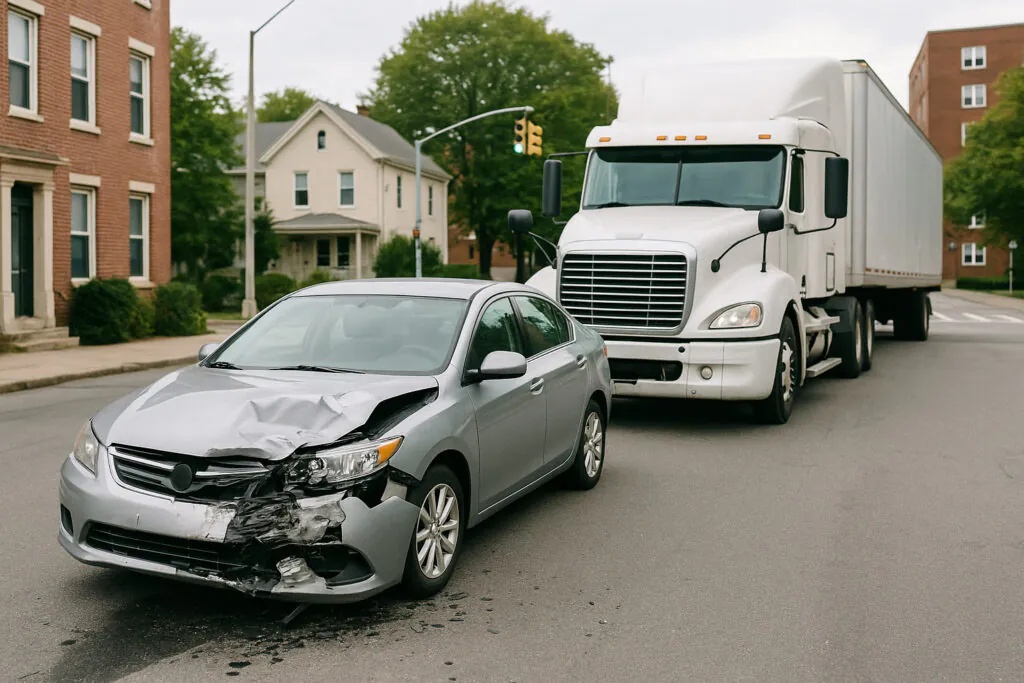

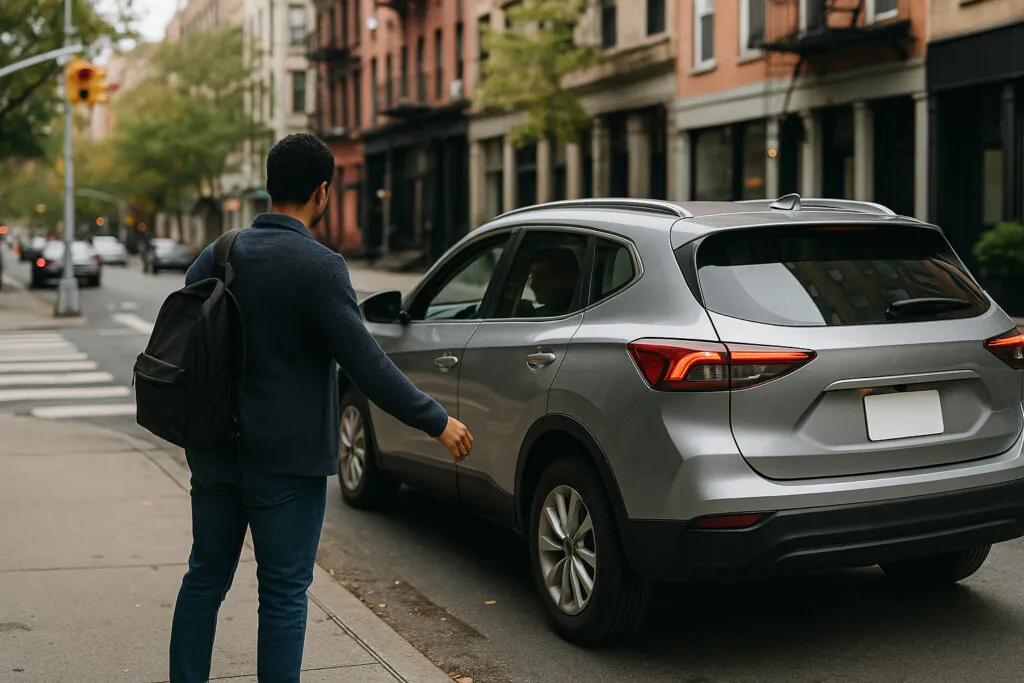
Get the Answers You Need
At Billy Cooper Law, every day we renew our pledge to help injured people get the justice and compensation they deserve. We have a reputation throughout New York and nationally for standing up for our clients, and we take that responsibility seriously by approaching every case with preparation, persistence, and an unwavering commitment to results.